Amir Mahmud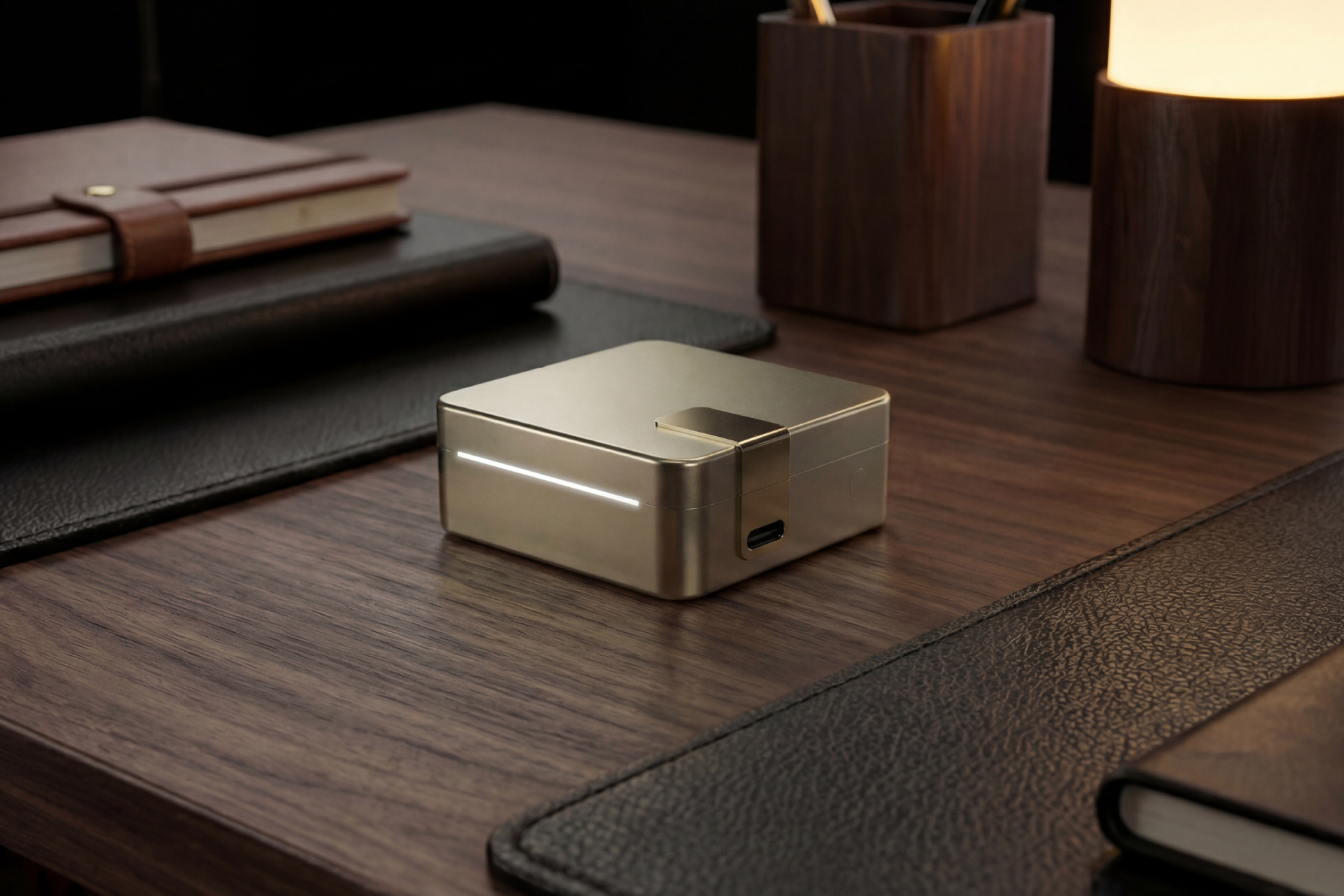
Bengaluru-based wearable technology innovator, Ultrahuman, has unveiled its latest offering, the Ring Pro, a third-generation smart ring poised to redefine personal health tracking. This launch, announced on Friday, is more than just a product introduction; it signifies a strategic maneuver to reclaim its crucial foothold in the United States market, a region significantly impacted by an ongoing patent dispute with industry leader Oura. The new device boasts substantially improved battery life and a completely re-engineered form factor, signaling Ultrahuman’s determination to innovate through adversity and navigate the complex landscape of intellectual property.
The Evolving Landscape of Wearable Technology
The smart ring category has emerged as a distinct segment within the broader wearable technology market, offering a discreet alternative to smartwatches and traditional fitness trackers. Unlike their bulkier counterparts, smart rings prioritize subtlety, comfort, and extended battery life, appealing to users who desire continuous health monitoring without the distraction of a screen. These compact devices typically focus on core biometric data, such as sleep patterns, heart rate variability, body temperature, and activity levels, providing insights crucial for recovery, stress management, and overall well-being.
Ultrahuman, founded in 2019, entered this burgeoning market with a vision to empower individuals with actionable health intelligence. Its previous iteration, the Ring Air, launched in July 2023, quickly gained traction, particularly for its lightweight design and comprehensive data tracking. However, the path to market leadership in the fast-paced tech industry is often fraught with challenges, including intense competition and, increasingly, complex legal battles over intellectual property.
Navigating Legal Hurdles: The Oura Dispute Timeline
The backdrop to the Ring Pro’s launch is a high-stakes legal confrontation with Oura, the Finnish pioneer largely credited with popularizing the smart ring concept. Oura has been a dominant force in the market for years, building a strong brand identity and a portfolio of patents protecting its innovations. Patent disputes are a common, albeit costly, feature of the technology sector, often seen as a means for established players to defend their market share against emerging competitors. Notable historical examples, such as the extensive litigation between Apple and Samsung over smartphone design and functionality, underscore the profound impact these legal battles can have on product development and market access.
Ultrahuman’s challenges in the U.S. market specifically stem from a ruling by the U.S. International Trade Commission (ITC) in October 2025. The ITC, a federal agency tasked with investigating trade disputes involving imports and protecting U.S. intellectual property rights, found in favor of Oura in a patent infringement case. This decision imposed an immediate ban on Ultrahuman importing new smart ring inventory into the United States. The impact was substantial, as the U.S. market alone represented approximately 45% of Ultrahuman’s global user base, which stood at roughly 700,000 daily active users at the time, according to co-founder and CEO Mohit Kumar. While existing retail stock could still be sold, the inability to replenish inventory created a significant operational bottleneck and hindered growth in a vital region.
In a reciprocal move, Ultrahuman initiated its own patent infringement case against Oura in the Delhi High Court in August 2025. This parallel legal action highlights the global nature of intellectual property disputes and the strategic importance companies place on defending their innovations across different jurisdictions. The Delhi High Court matter remains pending, adding another layer of complexity to the ongoing rivalry.
Innovating Beyond Obstacles: The Ring Pro’s Design Philosophy
In direct response to the ITC ruling and to circumvent Oura’s asserted patents, Ultrahuman meticulously developed the Ring Pro with a fundamentally new design. This engineering feat involved rethinking the device’s internal architecture and external form factor to ensure compliance with U.S. import regulations while simultaneously enhancing performance. The company has submitted the redesigned device to U.S. Customs and Border Protection for clearance, a critical step toward re-establishing its presence in the American market.
The Ring Pro distinguishes itself with a significantly extended battery life, offering up to 15 days on a single charge. This marks a substantial improvement over its predecessor, the Ring Air, which provided four to six days. Such a leap in power efficiency addresses a common user pain point in wearables – the need for frequent recharging – and positions the Ring Pro as a leader in its category for convenience. Priced at $479, the device will be available for global pre-orders, with shipments commencing in March, excluding the U.S. until regulatory clearance is secured.
Beyond battery enhancements, the Ring Pro incorporates a redesigned heart-rate sensing architecture, promising improved signal quality, particularly during sleep. This is crucial for accurate heart rate variability (HRV) and other sleep-related metrics, which are central to the health insights provided by smart rings. A new dual-core processor further enhances data accuracy and enables more sophisticated on-device computing, allowing for faster processing of complex algorithms. The device also boasts an impressive capacity to store up to 250 days of health data, offering users a long-term view of their wellness trends without constant syncing. While slightly heavier than the Ring Air (by about 5% to 6%), the design aims to maintain user comfort despite the advanced internal components.
The Rise of Biointelligence: Introducing Jade
Alongside the hardware advancements, Ultrahuman has introduced "Jade," a real-time biointelligence system designed to transform how users interact with their health data. Unlike many existing AI tools that provide retrospective summaries, Jade aims to deliver proactive, actionable guidance. Mohit Kumar emphasized that Jade is engineered to react to a user’s health status in real time, leveraging data from all Ultrahuman devices and services to generate personalized insights and recommendations. This shift from descriptive analytics to prescriptive advice represents a significant step forward in the utility of wearable technology. For instance, instead of merely reporting poor sleep, Jade might suggest specific interventions or lifestyle adjustments based on the user’s patterns and biometric feedback. Importantly, Jade will be accessible to all Ultrahuman users, including those with older Ring Air models, and currently does not require a subscription, making advanced insights broadly available.
Enhancing the Ecosystem: Pro Charger and Diversified Offerings
Ultrahuman’s commitment to user experience extends to its accessories. The new Pro Charger, designed to complement the Ring Pro, offers an impressive 45 days of battery life for the charging case itself. This allows for extensive on-the-go charging, enhancing the overall convenience for users. Furthermore, the charger facilitates faster updates and diagnostics through direct case connectivity and supports Qi wireless charging, aligning with contemporary smartphone charging standards.
Beyond its core smart ring offerings, Ultrahuman has cultivated a broader health platform with subscription-based services. These include PowerPlugs, a coaching and recovery program; the Blood Vision metabolic panel, offering deeper insights into an individual’s metabolic health; Ultrahuman Home; and a continuous glucose monitoring (CGM) service. These diversified revenue streams are critical for sustainable growth, especially in a competitive hardware market. Kumar noted that subscriptions currently contribute about 16% of Ultrahuman’s total revenue, with Blood Vision accounting for another 5% to 6%. This strategy of integrating hardware sales with recurring service revenue mirrors a growing trend across the tech industry, providing both stability and scalability.
Market Dynamics and Competitive Edge
The global smart ring market is experiencing robust growth. Data from Counterpoint Research indicates a nearly 80% year-over-year increase in global smart ring shipments in 2025, fueled by consumer demand for compact wearables that offer advanced sleep tracking and extended battery life. Oura continues to hold a dominant position, commanding more than two-thirds of the market share, while Ultrahuman has solidified its place as the second-largest player. Meanwhile, IDC data for Q3 2025 reported a 30% year-over-year rise in global smart ring shipments, reaching nearly 1 million units, with Ultrahuman capturing approximately 25% of the market during that period.
The market is also witnessing increasing competition. Rumors of Apple exploring its own smart ring and Samsung’s recent announcement of the Galaxy Ring signal that major tech giants are recognizing the potential of this form factor. In this environment, differentiation is key. Counterpoint Research Senior Analyst Anshika Jain suggests that future leaders in the category will be defined by superior sensor accuracy, sophisticated AI-driven insights, and seamless integration within a broader health ecosystem. Ultrahuman’s focus on a redesigned sensing architecture, the real-time capabilities of Jade, and its expanding suite of services directly addresses these critical success factors.
Ultrahuman’s user demographics also reveal interesting trends. Women constitute approximately 68% of its user base, an increase from 65% a year prior. This strong adoption is attributed to the company’s focus on women’s health features, highlighting a significant market opportunity within the broader wellness sector. The company has also identified key growth markets outside the U.S., including the UK, Canada, Australia, and India. Notably, India now contributes 8% to 9% of overall revenue, a result of recent investments in local customer support and market penetration.
Financial Resilience and Future Outlook
Despite the legal challenges and the significant disruption to its U.S. business, Ultrahuman has demonstrated remarkable financial resilience. Kumar reported an annualized revenue run rate of approximately $150 million, with operating revenue reaching $64 million in the financial year ending March 2025. The company remains profitable after tax, a significant achievement for a hardware startup navigating intense competition and legal costs. However, margins are anticipated to narrow due to the expenses associated with litigation, potential tariffs, and the substantial investment in the Ring Pro’s redesign.
To date, Ultrahuman has successfully raised approximately $55 million from prominent investors, including Alpha Wave Incubation, Blume Ventures, Steadview Capital, and Nexus Venture Partners. This backing underscores investor confidence in the company’s vision and its ability to innovate and compete in a dynamic market. Looking ahead, Ultrahuman is actively expanding its production capacity to meet the anticipated demand for the Ring Pro in the coming months, reflecting an optimistic outlook for its global market performance, particularly as it aims to fully re-engage with the lucrative U.S. consumer base. The journey ahead will undoubtedly require continued innovation, strategic agility, and a persistent focus on delivering value to users in an increasingly crowded and litigious wearable tech space.