Amir Mahmud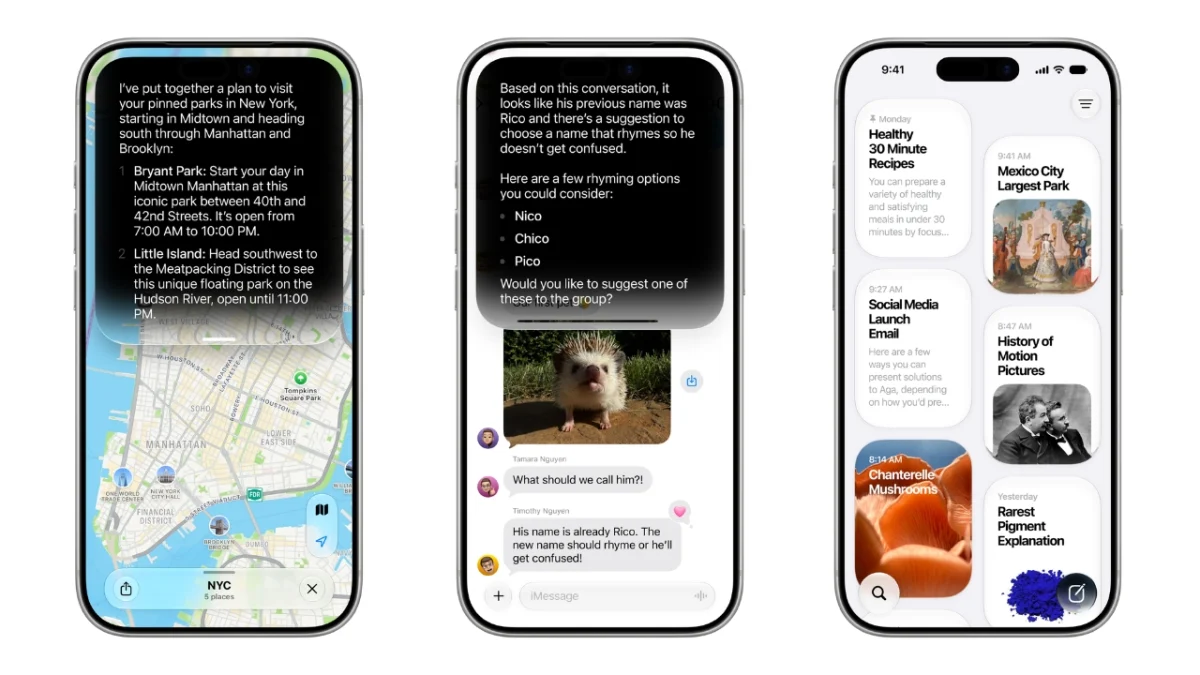
Apple has opened its most ambitious Siri overhaul to date, making the sophisticated AI assistant broadly available to everyday users through the iOS 27 public beta. This move grants a vast audience the opportunity to experience the next-generation intelligent agent before its official release later this fall, signaling a pivotal moment in the evolution of personal technology. For the first time, Apple’s advanced AI capabilities extend beyond the developer community, inviting millions to participate in shaping the future of human-device interaction.
The Dawn of a New Siri Experience
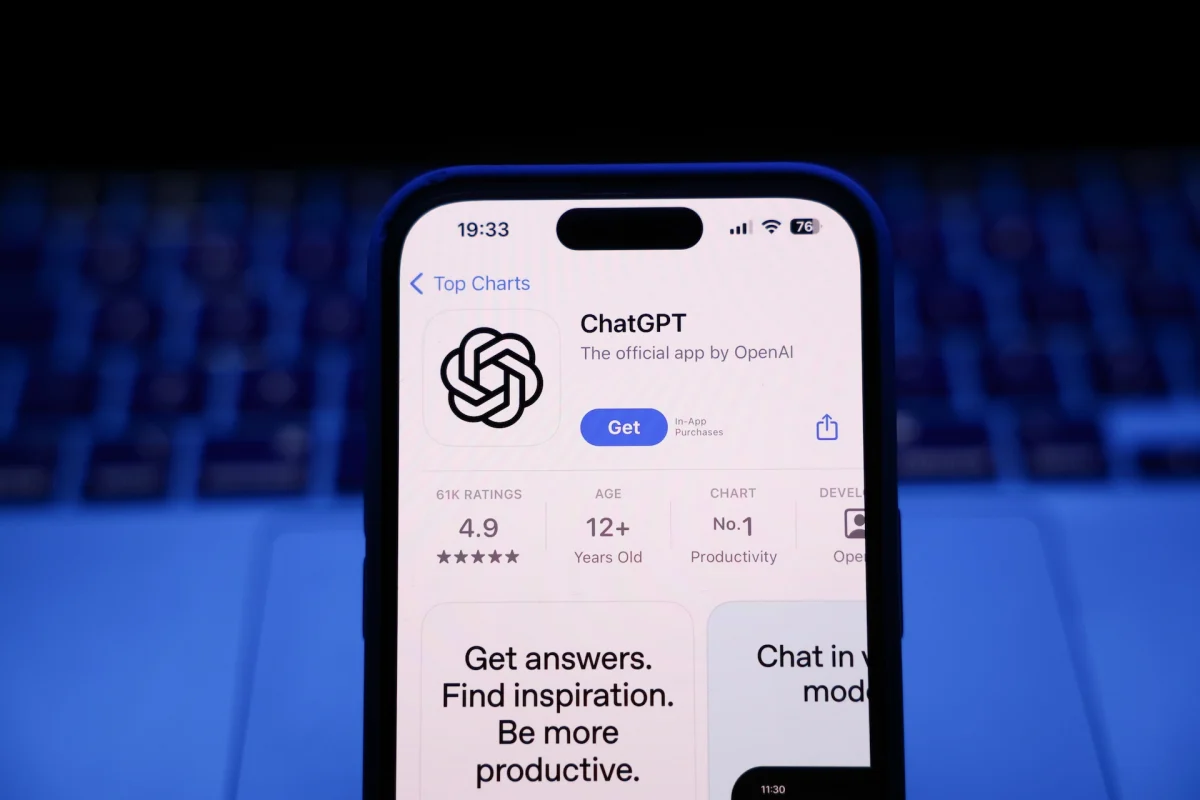
The release of the public beta marks a significant departure for Apple, which has historically been more measured in its AI deployments compared to competitors. With an estimated 2.5 billion active devices globally, even a modest percentage of users adopting the public beta will represent an unprecedented, large-scale stress test for Apple’s redesigned AI assistant. This initiative positions Siri as a direct competitor to prominent generative AI models like OpenAI’s ChatGPT, Google’s Gemini, and Anthropic’s Claude, aiming to integrate powerful conversational intelligence directly into the Apple ecosystem.
Unveiled at Apple’s Worldwide Developers Conference (WWDC) in June, the updated Siri transcends its previous iterations, transforming from a relatively basic voice assistant into a deeply integrated, AI-powered tool. The new Siri boasts enhanced capabilities to access and process information directly from a user’s device, encompassing emails, photographs, and messages. Furthermore, it can comprehend and respond to on-screen content, grounding its answers in extensive world knowledge, akin to contemporary AI chatbots. This multifaceted functionality promises a more contextual and personalized user experience, allowing Siri to understand and execute complex, multi-step requests that were previously beyond its grasp.
The integration of Siri is now far more pervasive across the operating system. Users can still invoke the assistant by uttering "Hey Siri" or pressing the side button, but additional access points have been introduced. A swipe down from the Dynamic Island, the interactive notification area at the top of the screen, now also summons Siri. Crucially, the AI is deeply embedded within the iPhone’s built-in search engine, Spotlight, dramatically augmenting its power. This integration means Siri can leverage Spotlight’s indexing capabilities to search for answers to nearly any question, whether it pertains to device content or external knowledge, making it a more comprehensive information retrieval tool than ever before. Curiously, Siri has also received its own standalone application. While this might appeal to users accustomed to dedicated chatbot interfaces like ChatGPT or Gemini, its profound integration throughout the iPhone’s operating system may render a separate app somewhat superfluous for many.
The reach of this upgraded Siri extends across Apple’s entire product line, not merely the iPhone. It is now available on iPad, Mac, Apple Watch, CarPlay, AirPods, Apple TV, and the Vision Pro, ensuring a consistent and powerful AI experience across the diverse ecosystem. This universal integration underscores Apple’s strategy to make AI an ubiquitous layer across all its platforms, enhancing productivity and interaction regardless of the device in use.
A Decade in Waiting: Siri’s Evolution and Stumbles
Siri’s journey began with considerable fanfare when it debuted on the iPhone 4S in 2011. At the time, it was a groundbreaking feature, promising a natural language interface that could understand and respond to user commands. Early demonstrations captivated audiences, showcasing a glimpse into a future where technology could intuitively assist humans. However, over the subsequent decade, Siri’s development appeared to stagnate. While competitors like Google Assistant and Amazon Alexa rapidly advanced their capabilities, Siri often struggled with context, lacked deeper integration, and frequently delivered frustratingly generic responses. It became a common criticism that Siri had fallen behind, failing to live up to its initial promise.
The broader landscape of artificial intelligence underwent a dramatic transformation in the late 2010s and early 2020s, particularly with the advent of large language models (LLMs) and generative AI. The public release of ChatGPT in late 2022 marked a watershed moment, demonstrating the profound potential of AI to understand, generate, and process human language with unprecedented sophistication. This event catalyzed an industry-wide race, prompting every major tech player to accelerate their AI initiatives. For Apple, known for its deliberate and often secretive development cycles, this shift posed a significant challenge. The company needed to respond to market demands and user expectations, which had been recalibrated by the capabilities of new-age AI chatbots, while maintaining its core principles of privacy and user experience. The new Siri, powered by Apple Intelligence, represents Apple’s comprehensive answer to this evolving technological paradigm, aiming to reclaim its position at the forefront of personal AI.
Apple Intelligence: The Engine Behind the Revamp
At the core of the revitalized Siri lies Apple Intelligence, a comprehensive framework that includes Apple’s new Foundation Models. These sophisticated models are designed to operate primarily on the device, leveraging the powerful Apple Silicon processors found in modern iPhones, iPads, and Macs. This on-device processing strategy is crucial for enhancing speed, efficiency, and, most importantly, user privacy. For tasks requiring greater computational power or access to broader knowledge, Apple utilizes its innovative Private Cloud Compute. This system ensures that user data processed in the cloud remains private and inaccessible to Apple itself, a critical differentiator in a world increasingly concerned with data security.
Apple’s development of its Foundation Models involved a strategic collaboration with Google, leveraging aspects of its Gemini model. However, these are not simply rebranded versions of Gemini. Instead, Apple’s models were custom-built and fine-tuned specifically for its proprietary Apple Silicon architecture, utilizing Apple’s unique datasets. This process involved "distilling" Google’s Gemini – a sophisticated technique where a larger, more complex model (like Gemini) is used to train smaller, highly efficient models tailored for specific hardware and use cases, such as those integrated into iOS and other Apple software. This pragmatic approach allowed Apple to accelerate its AI development while retaining control over the final product’s performance and privacy features. The commitment to Private Cloud Compute further solidifies Apple’s privacy-centric philosophy, assuring users that their personal information is never stored or made accessible to Apple, addressing a key concern often associated with cloud-based AI services.
Real-World Application and Early Impressions
Initial assessments of the developer version of Siri AI have highlighted its significantly improved capacity to handle a variety of on-device tasks. The assistant demonstrates greater proficiency in locating specific photos within a user’s Photo Library, adeptly summarizing lengthy group text conversations, and seamlessly adding appointments from text messages directly to the calendar. Furthermore, it can provide nutritional information by analyzing objects visible through the device’s camera. Beyond device-specific functions, the new Siri is markedly better at responding to general knowledge questions that would typically necessitate a web search, such as inquiring about upcoming local events or current news headlines.
Despite these advancements, the developer beta, as expected, exhibited some imperfections. Early testers occasionally encountered error messages or instances where Siri misinterpreted commands. For example, a request for "the latest news about Iran" might, in some cases, lead Siri to search contacts for someone with a similar name, illustrating the ongoing challenges in natural language understanding and contextual interpretation. However, such instances are typical of beta software and provide valuable data for refinement. Overall, the enhanced capabilities suggest that Siri is poised to become a more indispensable part of users’ daily digital lives, particularly given its seamless, app-free accessibility across the operating system.
The Broader Ecosystem Play
Apple’s decision to integrate this advanced AI across its entire product ecosystem holds significant strategic implications. By ensuring Siri’s capabilities are consistent and powerful on every Apple device, the company reinforces its "walled garden" approach, making its ecosystem even more compelling and sticky for users. This deep integration contrasts with many competing AI assistants that often feel like overlays rather than fundamental components of the operating system. For developers, this means a richer platform on which to build new applications and features, potentially unlocking novel forms of interaction and utility.
From a market perspective, this comprehensive rollout represents Apple’s assertive re-entry into the AI assistant race. While Google, Amazon, and Microsoft have made strides, Apple’s vast installed base and strong brand loyalty provide a unique leverage point. The success of the new Siri could redefine user expectations for what a personal digital assistant can accomplish, potentially shifting market share and influencing future AI development trends across the industry. The emphasis on privacy, coupled with powerful on-device processing, positions Apple as a leader in "private AI," a critical differentiator in an increasingly data-conscious world.
Navigating the Beta Experience
The current developer betas have generally proven to be quite stable, which makes the public beta for iOS 27 a more approachable option for general users this time around. Nevertheless, installing any beta software inherently carries risks. Users should always approach such installations with caution, ideally on a secondary device rather than their primary one. Beta versions may still contain bugs, lead to unexpected crashes, or impact battery life. Individuals who require their device to operate flawlessly without any errors might prefer to defer the upgrade until the official public launch of iOS 27, which is widely anticipated in September. This measured approach ensures a polished and fully optimized experience.
In conclusion, the widespread availability of Apple’s re-engineered Siri via the iOS 27 public beta marks a monumental step for the technology giant. It is not merely an update but a fundamental reimagining of how users interact with their devices, integrating sophisticated AI directly into the fabric of the Apple ecosystem. By addressing past shortcomings, leveraging powerful new AI models, and steadfastly upholding its commitment to privacy, Apple is making a bold statement about its vision for the future of personal intelligence. The coming months will reveal how this transformative technology resonates with a global user base, potentially reshaping the landscape of personal computing for years to come.