Amir Mahmud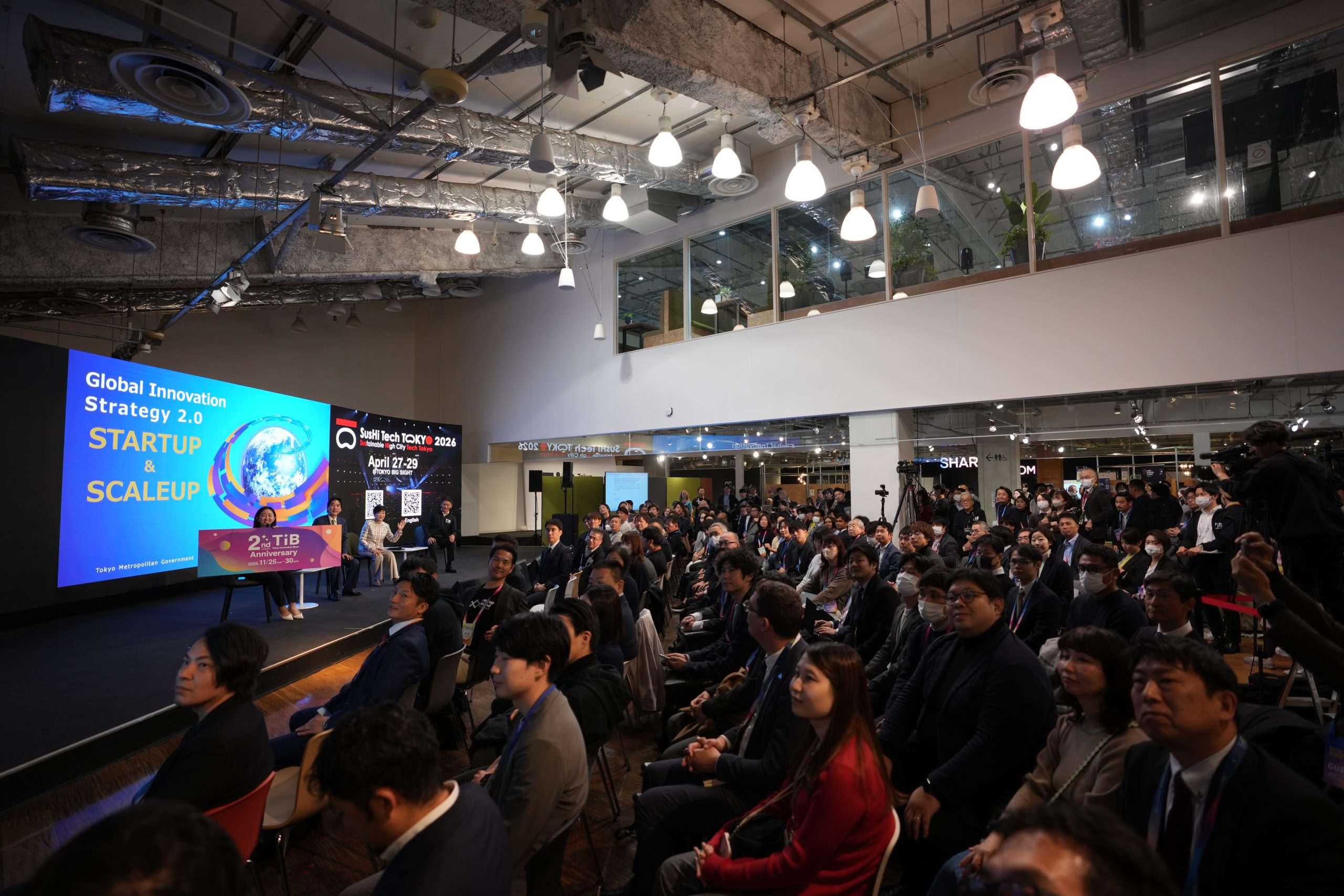
Tokyo, a city synonymous with technological advancement and cultural dynamism, is poised to host SusHi Tech Tokyo 2026, Asia’s largest global innovation conference, from April 27 to 29 at the sprawling Tokyo Big Sight. This year’s event marks a significant milestone, not only for its scale but also for a strategic partnership with TechCrunch, the influential American online publisher of technology news. This collaboration is set to elevate the SusHi Tech Challenge, the conference’s flagship pitch competition, by offering its Grand Prix winner an automatic entry into the prestigious TechCrunch Disrupt Startup Battlefield Top 200, a coveted pathway onto one of the global startup ecosystem’s most impactful stages.
The involvement of TechCrunch extends beyond mere media coverage. Isabelle Johannessen, the program manager for TechCrunch’s Startup Battlefield, will be on the ground, serving as a judge for the SusHi Tech Challenge. This direct engagement underscores a growing recognition of Tokyo’s burgeoning startup scene and its strategic vision for sustainable urban development, aiming to bridge local innovation with international investment and exposure.
Tokyo’s Vision: A Sustainable High-Tech Future
SusHi Tech Tokyo, an acronym for Sustainable High City Tech Tokyo, is an initiative spearheaded by the Tokyo Metropolitan Government. Now in its fourth year, the conference has rapidly ascended to become a pivotal gathering for startups, investors, corporate partners, and city leaders worldwide. Its core mission is clear: to unite the planet’s brightest minds in the pursuit of building sustainable cities for tomorrow. This aspiration reflects Tokyo’s broader strategy to not only maintain its status as a leading global metropolis but also to address pressing urban challenges like climate change, resource scarcity, and an aging population through technological innovation.
Historically, Japan has been a powerhouse of technological innovation, particularly in manufacturing, robotics, and consumer electronics. From the post-war economic miracle driven by companies like Sony and Toyota to the digital revolution of the late 20th century, Japanese ingenuity has consistently shaped the global landscape. However, in recent decades, while its corporate giants have thrived, Japan’s startup ecosystem has often been perceived as lagging behind more agile counterparts in Silicon Valley, China, or Europe. The Tokyo Metropolitan Government’s aggressive push with SusHi Tech Tokyo signals a concerted effort to recalibrate this perception, fostering a vibrant environment where new ventures can flourish and attract international capital and talent. This strategic pivot aligns with global trends where city governments are increasingly acting as catalysts for innovation, creating frameworks and platforms to connect startups with resources and markets.
The Scale and Scope of SusHi Tech Tokyo
The 2026 edition of SusHi Tech Tokyo is its most ambitious to date. It is expected to host 750 startup exhibitors hailing from 60 different countries, facilitate over 10,000 business meetings, and attract an estimated 60,000 attendees over its three-day run. These figures illustrate the significant growth of the event and its expanding international appeal, transforming it into a vital nexus for global innovation exchange. The sheer volume of participants and scheduled interactions positions SusHi Tech Tokyo as not just a conference, but a dynamic live dealmaking marketplace.
A distinctive feature of the event is the active participation of 62 major corporate partners, including global titans like Sony, Google, Microsoft, and leading Japanese financial institution Mizuho. These corporations are not merely sponsoring; they are actively hosting "reverse pitches," where they articulate their specific technological needs and challenges, effectively inviting startups to propose collaborative solutions. This model contrasts with traditional pitch competitions where startups primarily seek investment, creating a powerful mechanism for direct corporate-startup collaboration and market integration. Such an approach can accelerate the adoption of new technologies and provide startups with invaluable industry validation and potential pilot projects.
Four Domains at the Frontier of Innovation
The conference program is meticulously structured around four critical technology domains that are fundamentally reshaping contemporary society: AI, Robotics, Resilience, and Entertainment. These pillars represent areas where technological breakthroughs are most impactful and where Tokyo seeks to lead.
- AI (Artificial Intelligence): Sessions will delve into the latest advancements in machine learning, generative AI, and their applications across various industries, from healthcare to finance.
- Robotics: Japan’s long-standing leadership in robotics will be showcased through live demonstrations of humanoid robots, discussions on industrial automation, and the software revolution powering autonomous driving.
- Resilience: This domain addresses solutions for urban sustainability and climate tech, including advanced cyber defense strategies, smart infrastructure, and disaster preparedness technologies, all critical for a mega-city like Tokyo facing environmental and security challenges.
- Entertainment: Explorations into how AI is redefining the global music and anime industries, alongside discussions on immersive technologies and digital content creation, highlight Japan’s cultural influence and its intersection with technological innovation.
The lineup of speakers further reinforces the global and diverse nature of the event, featuring prominent figures such as Howard Wright from Nvidia, Rob Chu from AWS, Eva Chen of Trend Micro, and Christine Tsai from 500 Global, among many others. Notably, approximately 60% of the speakers are from outside Japan, and nearly half are women, signaling a commitment to fostering a truly global and inclusive dialogue within the tech community. This diversity in perspectives is crucial for addressing complex global challenges and for inspiring a new generation of innovators.
The TechCrunch Gateway: Startup Battlefield
The partnership with TechCrunch, particularly the direct link to the Startup Battlefield, is a game-changer for emerging companies participating in the SusHi Tech Challenge. TechCrunch Disrupt’s Startup Battlefield is globally recognized as one of the most prestigious platforms for early-stage startups, known for launching companies that have gone on to achieve immense success and valuation. Alumni of the Startup Battlefield include Dropbox, Mint, Yammer, and Fitbit, demonstrating the program’s unparalleled track record in identifying and nurturing groundbreaking ventures.
For the SusHi Tech Challenge Grand Prix winner, the automatic entry into the TechCrunch Disrupt Startup Battlefield Top 200 represents more than just a prize; it is a direct portal to international visibility, investor attention, and mentorship that can be transformative. This opportunity significantly enhances the stakes of the SusHi Tech Challenge, drawing even more high-caliber applications from across Asia and beyond. The competition itself is intense, having attracted 820 applications from 60 countries and regions, with a near-even split between international (437) and Japanese (383) applicants. Twenty semifinalists will compete on April 27, with seven advancing to the final round on April 28. The ultimate Grand Prix winner will not only secure the TechCrunch Disrupt entry but also a substantial ¥10,000,000 prize, providing crucial seed funding for their venture.
Beyond the Convention Floor: A Holistic Experience
SusHi Tech Tokyo’s ambition extends far beyond the confines of the exhibition hall. The conference is designed as a holistic experience, integrating high-level diplomatic discussions, cultural events, and extensive networking opportunities. The G-NETS Leaders Summit, for instance, will bring together city leaders from 49 cities across five continents—ranging from Los Angeles to Nairobi to Singapore—to forge concrete commitments on climate resilience and urban sustainability. This parallel summit underscores the Tokyo Metropolitan Government’s commitment to multilateral cooperation in addressing global urban challenges, positioning Tokyo as a thought leader in this critical area.
For attendees, the experience is enriched by unique Tokyo cultural offerings. Classical music performances from La Folle Journée, scenic waterfront cruises along Tokyo Bay, and the Tokyo Innovation NIGHTs networking series are integrated into the program, providing diverse avenues for connection and relaxation. This blend of rigorous business and engaging cultural experiences reflects Japan’s distinctive approach to international events, offering a memorable and comprehensive engagement for all participants.
To facilitate seamless navigation and maximize networking potential, the official SusHi Tech Tokyo 2026 app serves as a comprehensive command center. Equipped with AI-powered matching, it recommends relevant startups, investors, and partners, allowing attendees to book meeting rooms in advance. On-site features like a GPS floor map, QR business card exchange, and real-time push notifications ensure participants remain oriented and connected across the vast Tokyo Big Sight venue.
SusHi Tech Tokyo 2026, with its unprecedented scale, strategic focus on sustainable urban innovation, and direct link to TechCrunch’s global platform, represents a pivotal moment for Tokyo’s startup ecosystem and for international collaboration in addressing the world’s most pressing challenges. It is a testament to Tokyo’s enduring commitment to innovation, sustainability, and fostering a truly global community of change-makers. The event runs from April 27–29, with business days on April 27–28 and a Public Day offering free admission on April 29.