Amir Mahmud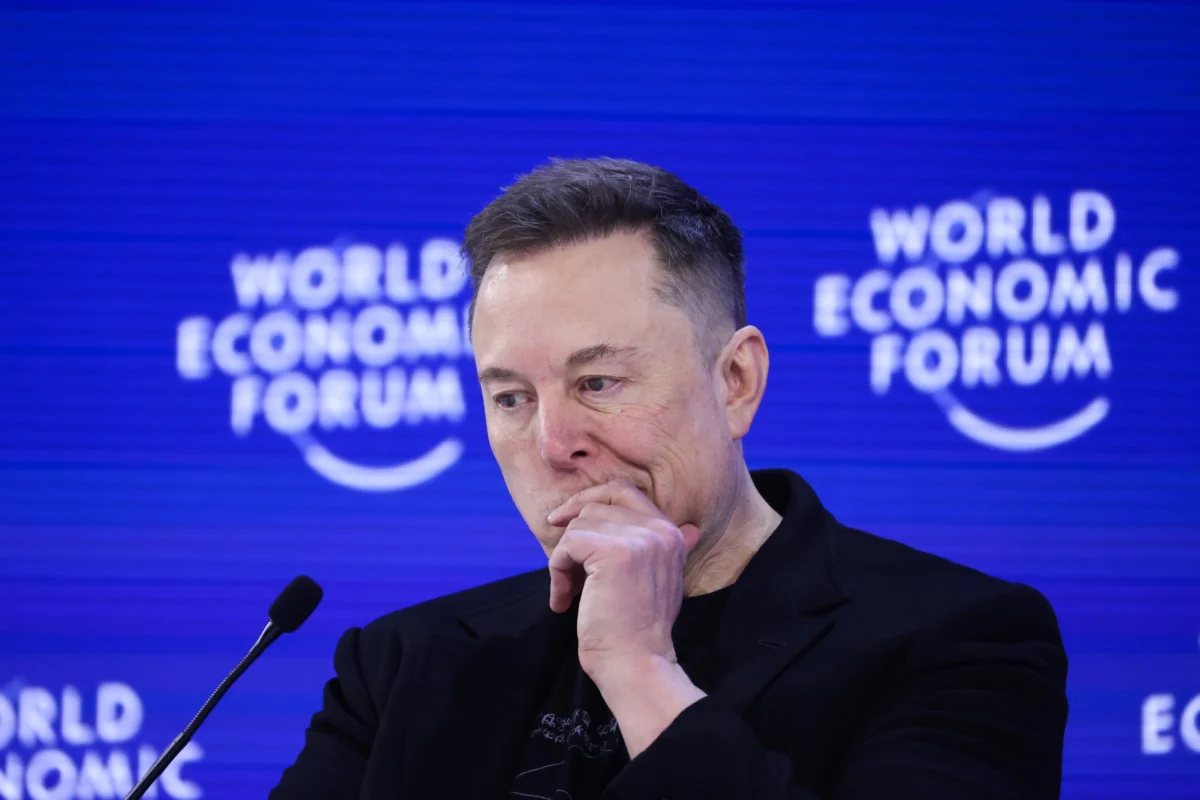
A California jury has delivered a unanimous verdict in the high-profile legal battle between Elon Musk and his former co-founders at OpenAI, effectively dismissing Musk’s claims that he was unfairly treated and that the artificial intelligence research company had strayed from its foundational non-profit mission. The nine-member jury concluded that the lawsuit, which targeted Sam Altman, Greg Brockman, OpenAI, and its key investor Microsoft, had been filed beyond the legally permissible timeframe, focusing on a statute of limitations defense. This decision provides a significant degree of stability for OpenAI, a company at the forefront of the generative AI revolution, as it navigates a rapidly evolving market and considers a potential initial public offering.
A Deep Dive into the Allegations
Elon Musk’s lawsuit was rooted in a fundamental disagreement over OpenAI’s strategic direction and corporate structure. He accused the defendants of "stealing a charity" by transforming the original non-profit entity into a "capped-profit" affiliate, alleging a betrayal of the founding agreement to develop artificial general intelligence (AGI) for the benefit of humanity, not for profit. Musk contended that the shift undermined the initial altruistic vision, claiming that the pursuit of commercial gain, particularly through a lucrative partnership with Microsoft, diverged from the company’s intended path. His legal team sought to demonstrate that promises made to Musk regarding OpenAI’s non-profit, open-source ethos were broken, leading to a commercialization that he had explicitly sought to prevent during its inception.
OpenAI’s Genesis: A Vision for Humanity
To fully understand the gravity of Musk’s allegations, it is crucial to revisit the origins of OpenAI. The company was founded in December 2015 by a consortium of prominent figures, including Elon Musk, Sam Altman, Greg Brockman, Ilya Sutskever, and others, with an ambitious and idealistic mission: to ensure that artificial general intelligence benefits all of humanity. At the time, concerns were growing about the potential risks of advanced AI, and the founders believed that creating a non-profit entity committed to open research and safety was the best way to develop AGI responsibly, preventing its control by a single corporation or government. Musk himself contributed a significant amount of the initial funding, reportedly tens of millions of dollars, and played a critical role in articulating its early vision. The original charter emphasized collaboration, transparency, and a commitment to broad distribution of AI’s benefits rather than concentrating power. This ethos stood in stark contrast to the closed, proprietary research models favored by many commercial tech giants.
The Pivotal Shift: From Non-Profit to Capped-Profit
The transition from a pure non-profit model to a "capped-profit" structure in 2019 marked a significant turning point for OpenAI and became a central point of contention in Musk’s lawsuit. The company’s leadership, including Altman and Brockman, argued that the immense computational resources and top-tier talent required to develop cutting-edge AI, particularly AGI, simply could not be sustained through philanthropic donations alone. They explained that attracting and retaining world-class AI researchers demanded competitive compensation packages, which a traditional non-profit struggled to provide. To address this financial reality while attempting to preserve its core mission, OpenAI established a for-profit subsidiary, OpenAI LP, which was capped at 100x return for investors. This hybrid model aimed to allow the company to raise substantial capital from investors like Microsoft, while still theoretically binding it to its original non-profit charter, which held a controlling interest. This structural change was controversial even within the organization, leading to the departure of some early employees and, critically, Elon Musk.
Musk’s Departure and Growing Discontent
Elon Musk’s direct involvement with OpenAI began to wane shortly after its founding. He resigned from its board of directors in February 2018, citing potential conflicts of interest with his other ventures, particularly Tesla, which also pursues advanced AI research for autonomous driving. Despite his departure from the board, Musk reportedly continued to engage with the company and its leadership, expressing his increasing disillusionment with the direction it was taking. His discontent intensified following the establishment of the capped-profit entity and the subsequent deep integration with Microsoft, which invested billions and gained exclusive licensing rights to OpenAI’s technology, including its groundbreaking GPT models. Musk viewed these developments as a stark betrayal of the original open-source, non-profit pledge, arguing that OpenAI was now essentially a for-profit venture controlled by Microsoft, rather than a benevolent force for humanity. These simmering tensions eventually boiled over into the legal action, filed earlier this year, seeking to force OpenAI back to its original non-profit structure or to divest itself of its commercial assets.
The Legal Labyrinth: Statute of Limitations
Ultimately, the complex, melodramatic history of OpenAI and the philosophical debate over its mission were sidelined by a more prosaic legal principle: the statute of limitations. The trial, which featured testimony from prominent figures in Silicon Valley, largely hinged on narrow questions of law rather than the deeper ethical and corporate governance issues Musk aimed to highlight. OpenAI’s defense team successfully argued that any alleged harms or breaches of promise Musk suffered occurred well before the legal deadline for filing his claims. Specifically, the jury found that the relevant events—such as the creation of the for-profit entity or the shift in strategic direction—took place outside the three-year window typically allowed for such claims under California law. The specific dates cited by the defense varied by the count, ranging from August 2021 to November 2021, and the jury found these arguments compelling enough to warrant a swift deliberation period. Judge Yvonne Gonzalez Rogers, presiding over the case, noted after the verdict that "there was a substantial amount of evidence to support the jury’s finding," indicating that the timeliness issue was a clear and decisive factor.
Broader Implications for OpenAI and the AI Landscape
The dismissal of Elon Musk’s lawsuit represents a significant victory for OpenAI, solidifying its current corporate structure and removing a major impediment to its future plans. Had Musk’s suit succeeded, it could have forced a radical restructuring of the company, potentially unwinding its for-profit arm and jeopardizing its lucrative partnership with Microsoft. Such an outcome would have introduced immense uncertainty, disrupted its research and development efforts, and likely delayed or even derailed its rumored initial public offering. With this legal challenge now off the table, OpenAI gains crucial stability, allowing it to focus on its ambitious technological roadmap, including the development of increasingly sophisticated AI models and their commercial applications.
The resolution also sends a broader signal across the rapidly expanding artificial intelligence industry. It underscores the challenges inherent in establishing and maintaining the governance of frontier AI companies, particularly when balancing altruistic missions with the immense financial demands of cutting-edge research. For investors, the verdict reduces regulatory and legal risks associated with OpenAI, potentially making it a more attractive prospect for future capital infusions and its eventual public market debut. This clarity allows OpenAI to continue leveraging its significant funding from Microsoft to compete with other tech giants like Google, Meta, and Amazon, all of whom are heavily investing in AI. The stability provided by this ruling could accelerate OpenAI’s trajectory in shaping the global AI landscape, from enterprise applications to consumer products.
The Path Forward: An Appeal Looms
Despite the definitive nature of the jury’s verdict, the legal saga may not be entirely over. Immediately following the decision, Musk’s lead counsel, Marc Toberoff, issued a concise statement to the media: "One word: Appeal." This indicates that Musk’s legal team intends to challenge the ruling, likely arguing that the statute of limitations was misapplied or that there were other procedural errors in the trial. An appeal would move the case to a higher court, where judges would review the lower court’s proceedings for legal errors, rather than re-evaluating the facts of the case. While an appeal introduces another layer of legal uncertainty, it is generally a more challenging path than a jury trial, as it focuses strictly on points of law. Nevertheless, it signals Musk’s continued determination to challenge OpenAI’s direction, reflecting his deep-seated conviction that the company has veered from its original, benevolent path.
Reflecting on Governance in Frontier AI
This lawsuit, while ultimately decided on a procedural technicality, shone a spotlight on the complex governance challenges facing organizations at the forefront of AI development. The tension between open-source ideals and the practical realities of funding massive, resource-intensive research is a recurring theme in the tech world. OpenAI’s journey from a purely non-profit research lab to a capped-profit entity, driven by the need for capital and talent, exemplifies this dilemma. Experts often point to the inherent difficulty in predicting the long-term trajectory and financial requirements of groundbreaking technological endeavors, especially those with the potential societal impact of AGI. The case serves as a powerful reminder of the importance of clear, adaptable, and robust governance frameworks when establishing organizations tasked with developing technologies that could fundamentally reshape human civilization, ensuring that their foundational principles can withstand the pressures of rapid technological advancement and immense commercial opportunity.



 Azin Asro