Amir Mahmud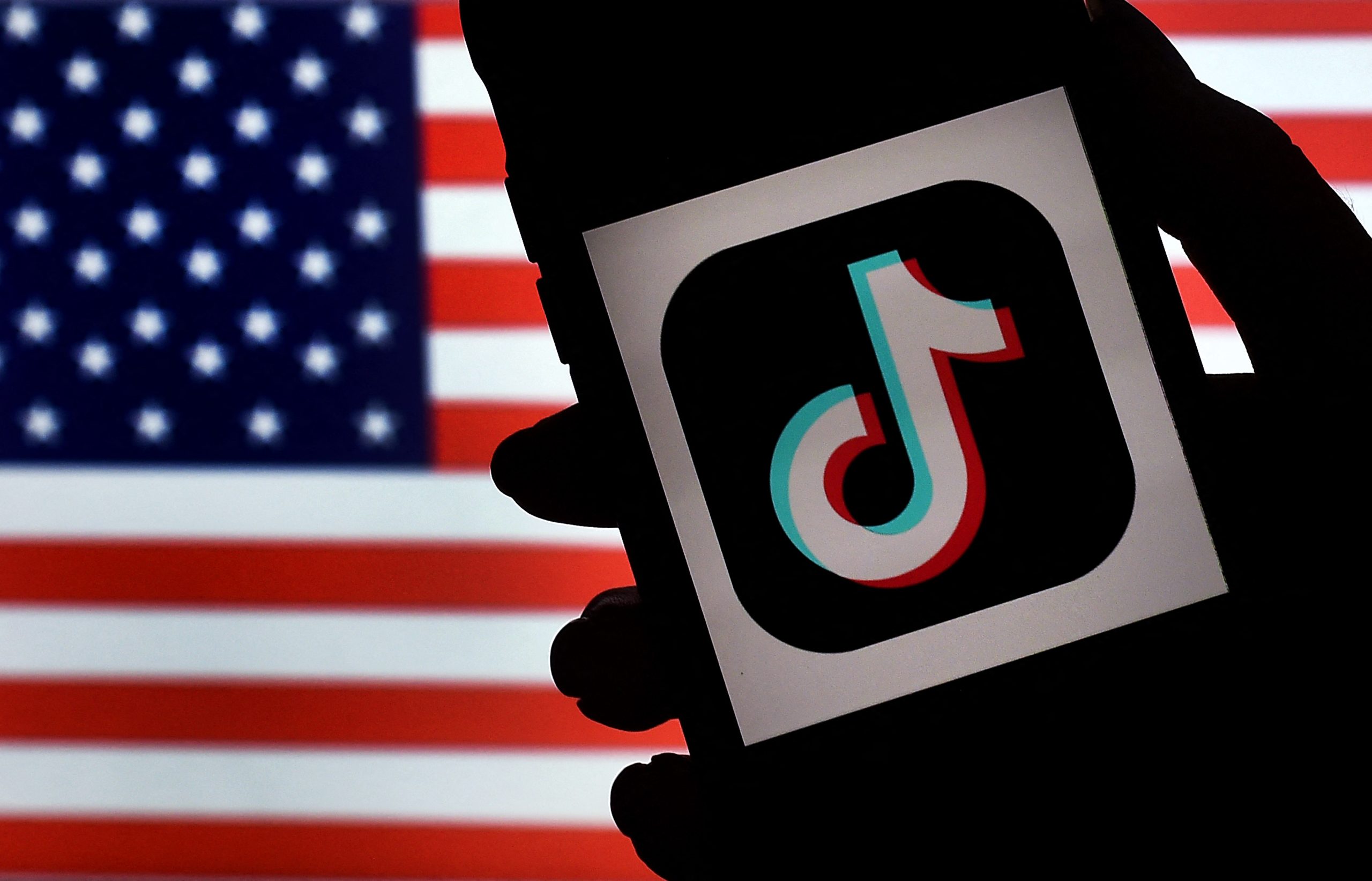
After nearly four years embroiled in a complex web of national security concerns, intense negotiations, and shifting political landscapes, TikTok’s U.S. operations have officially reached a pivotal agreement. The popular short-form video application, a subsidiary of the Chinese technology giant ByteDance, has signed a deal to divest a significant portion of its American business to a consortium of U.S. investors. This landmark agreement aims to address persistent anxieties regarding user data privacy and potential influence from the Chinese government, marking a new chapter for one of the most widely used social media platforms in the United States.
The journey to this resolution has been fraught with uncertainty for millions of American users, content creators, and businesses that rely on TikTok. Earlier this year, the platform experienced a temporary outage in the U.S., plunging its vast user base into suspense before service was swiftly restored. Such incidents underscored the precarious position of the app, caught between geopolitical tensions and the digital habits of a generation. Following multiple extensions of a potential ban deadline by the former administration, the recent agreement, formalized last week, brings a degree of clarity to TikTok’s operational future in the American market.
This divestment comes nearly three months after President Donald Trump signed an executive order, initially approving the sale of TikTok’s U.S. operations to an American investor group. This approval was preceded by an announcement from President Trump that President Xi Jinping of China had also given his consent to a framework deal. Throughout these discussions, ByteDance consistently affirmed its commitment to ensuring the platform’s continued availability for its American audience, even as the specifics of ownership and operational control remained fluid.
The New Ownership Structure
The finalized deal establishes a significant shift in control over TikTok’s U.S. entity. According to an internal memo, the American investor group will collectively hold a 45% stake in the U.S. operation. This consortium is comprised of technology giant Oracle, the prominent private equity firm Silver Lake, and investment firm MGX. Notably, ByteDance will retain a nearly 20% stake in the U.S. business, indicating a negotiated compromise rather than a complete divestiture. While specific details on the remaining 35% were not immediately public, this structure represents a substantial transfer of influence.
Sources familiar with the transaction, including statements from public figures like Vice President JD Vance, have estimated the valuation of TikTok U.S. at approximately $14 billion. This valuation reflects the immense market penetration and cultural significance of the platform, even amidst regulatory pressures. An earlier report in September had indicated a "framework" deal suggesting an 80% stake for a U.S. investor consortium, which then included Oracle, Silver Lake, and Andreessen Horowitz, with the remaining shares belonging to Chinese stakeholders. The current reported figures reflect a revised outcome, likely shaped by subsequent negotiations and the complex interplay of U.S. and Chinese regulatory requirements.
A newly formed entity, "TikTok USDS Joint Venture LLC," will now assume oversight of the app’s critical U.S. operations. This includes vital functions such as data protection, algorithm security, content moderation, and software assurance. This structure is designed to create a distinct operational firewall between the U.S. business and its Chinese parent company.
Central to this new arrangement is Oracle’s designated role as the trusted security partner. Oracle, which already provides cloud services for TikTok and manages U.S. user data, will be responsible for auditing and ensuring compliance with stringent National Security Terms. This expanded role leverages Oracle’s extensive expertise in enterprise software and data management. A White House official previously indicated that Oracle would replicate and secure a new U.S. version of TikTok’s proprietary algorithm. This U.S.-based algorithm could then be leased from ByteDance and subsequently retrained by Oracle, further cementing American control over a core component of the app’s user experience. Crucially, ByteDance will not have access to information pertaining to TikTok’s U.S. users or any influence over the U.S.-specific algorithm under this new framework. The deal is slated to officially close on January 22, 2026.
Implications for U.S. Users
Perhaps the most significant change for American users stems from reports that, upon finalization of the deal, the existing TikTok application will be discontinued in the U.S. Users will reportedly need to transition to a new platform. The specifics of this forthcoming platform remain largely undefined, including its features, branding, and how it will differentiate itself from the original app while retaining its core appeal.
This potential discontinuity presents both challenges and opportunities. For users, it could mean a disruptive shift, requiring re-downloading, account transfers, and adapting to a potentially altered interface. For content creators and businesses, the migration could impact audience reach and established monetization strategies. The success of this transition will heavily depend on how seamlessly the new platform can replicate TikTok’s addictive algorithm, vibrant community, and intuitive content creation tools. The new U.S. entity will face the daunting task of rebuilding trust and ensuring continuity while operating under new ownership and strict security protocols.
The Tumultuous Road to Resolution: A Detailed Timeline
The current agreement is the culmination of years of escalating tensions and regulatory scrutiny that began to surface prominently in 2020. To fully grasp the intricate layers of this high-stakes saga, a look back at its tumultuous history is essential.
August 2020: The drama ignited when then-President Donald Trump issued an executive order prohibiting transactions with ByteDance, TikTok’s parent company, citing national security concerns. The administration argued that the app’s data collection practices could expose sensitive information of American citizens to the Chinese government.
September 2020: Following the executive order, the Trump administration intensified its efforts to force a sale of TikTok’s U.S. operations to an American-based company. Tech giants like Microsoft, Oracle, and retail behemoth Walmart emerged as leading contenders in a high-profile bidding war. However, a U.S. judge temporarily blocked Trump’s executive order, granting TikTok a reprieve and allowing it to continue operating while legal challenges unfolded. This legal intervention underscored the complexities of governmental authority intersecting with private enterprise and individual digital rights.
Transition to the Biden Administration (2021-2023): While the immediate threat of a ban subsided under the new administration, concerns regarding TikTok’s ownership did not dissipate. The Committee on Foreign Investment in the United States (CFIUS), a powerful interagency body, continued its national security review of ByteDance’s acquisition of Musical.ly (the app that eventually became TikTok in the U.S.) in 2017. CFIUS demanded that ByteDance divest its U.S. assets or face a ban, continuing the pressure on the company.
April 2024: The legislative branch became increasingly active. Both chambers of Congress advanced legislation aimed at forcing a divestiture. The Senate, following the House of Representatives, passed a bill that would compel ByteDance to sell TikTok’s U.S. operations within a specified timeframe or face a nationwide ban. President Joe Biden swiftly signed this bill into law, solidifying the "divest or ban" ultimatum. This legislative action signaled a bipartisan consensus on the perceived national security risks posed by foreign-owned applications.
May 2024: In response to the new law, TikTok launched a legal challenge against the U.S. government. The company argued that the legislation was unconstitutional, infringing upon the First Amendment rights of the app and its millions of American users. TikTok consistently denied posing a security threat, asserting that all U.S. user data was stored within the country and complied with local laws, and that safeguards were in place to prevent Chinese government access. This legal battle highlighted the clash between national security prerogatives and fundamental constitutional protections.
Late 2024 – Early 2025: Amidst ongoing legal challenges and the looming deadline, various investor groups entered the fray, eager to acquire a stake in the lucrative U.S. operations. Interestingly, Donald Trump, who initiated the initial ban efforts, appeared to have a change of heart during this period, advocating for a 50-50 ownership arrangement between ByteDance and a U.S. company.
Several prominent bidders emerged, each with its own vision for TikTok’s American future. "The People’s Bid for TikTok," a consortium spearheaded by Project Liberty founder Frank McCourt, garnered significant public attention. Supported by investment firm Guggenheim Securities and the law firm Kirkland & Ellis, this group included notable figures like Reddit co-founder Alexis Ohanian, TV personality and investor Kevin O’Leary, World Wide Web inventor Tim Berners-Lee, and senior research scientist David Clark. Their bid emphasized data decentralization and user empowerment.
Another contender, the American Investor Consortium, was led by Employer.com founder Jesse Tinsley and counted Roblox co-founder David Baszucki, Anchorage Digital co-founder Nathan McCauley, and popular YouTuber MrBeast among its supporters. Other companies and individuals who expressed interest or submitted bids included Amazon, AppLovin, Microsoft, Perplexity AI, Rumble, Walmart, Zoop, former Activision CEO Bobby Kotick, and former U.S. Treasury Secretary Steven Mnuchin. The sheer number and diversity of bidders underscored TikTok’s immense market value and cultural influence.
Broader Market and Social Impact
The TikTok divestment saga transcends mere corporate deal-making; it carries significant implications for the digital economy, social media landscape, and global tech governance.
Data Sovereignty and National Security Precedent: The deal sets a powerful precedent for how governments address national security concerns related to foreign ownership of critical digital infrastructure. It reinforces the idea that companies operating in sensitive sectors within a country may need to restructure their ownership or operations to align with national interests. This could influence future investments and operations of international tech companies, particularly those from geopolitical rivals.
Impact on the Creator Economy: TikTok has cultivated a thriving creator economy, enabling millions to build audiences and generate income. The uncertainty and eventual transition to a new platform could disrupt this ecosystem, forcing creators to adapt quickly or risk losing their established followings. The success of the new U.S. entity will be measured not just by its technical compliance but also by its ability to retain and empower this vital community.
Competitive Landscape: For rival platforms like Meta’s Instagram Reels, YouTube Shorts, and Snap, the TikTok divestment presents a mixed bag. While it removes a layer of existential threat for TikTok, the potential disruption to its user base during the transition could offer competitors an opportunity to attract disaffected users and creators. However, the core appeal of TikTok’s algorithm and content style remains formidable, regardless of ownership.
U.S.-China Tech Relations: This deal is a significant moment in the ongoing U.S.-China tech rivalry. It demonstrates the U.S. government’s willingness to take strong action to protect perceived national interests in the digital realm. While a ban was averted, the forced divestment signals a hardening stance on cross-border tech ownership and data flows, suggesting that future collaborations will likely face increased scrutiny and conditions.
Analytical Commentary
The agreement represents a complex compromise, reflecting the immense political and economic pressures on all parties. For the U.S. government, securing a controlling stake for American investors and establishing Oracle as a trusted security partner addresses the immediate national security concerns around data access and algorithmic influence. The creation of "TikTok USDS Joint Venture LLC" aims to provide a robust operational separation.
For ByteDance, retaining a minority stake and the ability to lease its core algorithm to the U.S. entity offers a path to continued market presence, albeit a constrained one. It also avoids a complete ban, which would have been a substantial loss of revenue and global influence. However, the Chinese government’s prior stance on not allowing the export of its prized algorithms likely complicated negotiations, potentially influencing the eventual ownership percentages. The decision to replicate and retrain the algorithm in the U.S. is a creative solution to navigate this intellectual property hurdle.
The ultimate success of this deal, particularly for users, hinges on the execution of the "new platform" transition. Replicating the magic of TikTok – its highly personalized "For You" page algorithm, its ease of content creation, and its vibrant, trend-driven community – under new ownership and potentially a new app, is an enormous technical and cultural challenge. Industry analysts suggest that while the security concerns may be mitigated, the user experience and cultural resonance are paramount for long-term viability. The coming months will reveal whether this geopolitical resolution can translate into a seamless and sustained digital experience for millions of Americans.