Amir Mahmud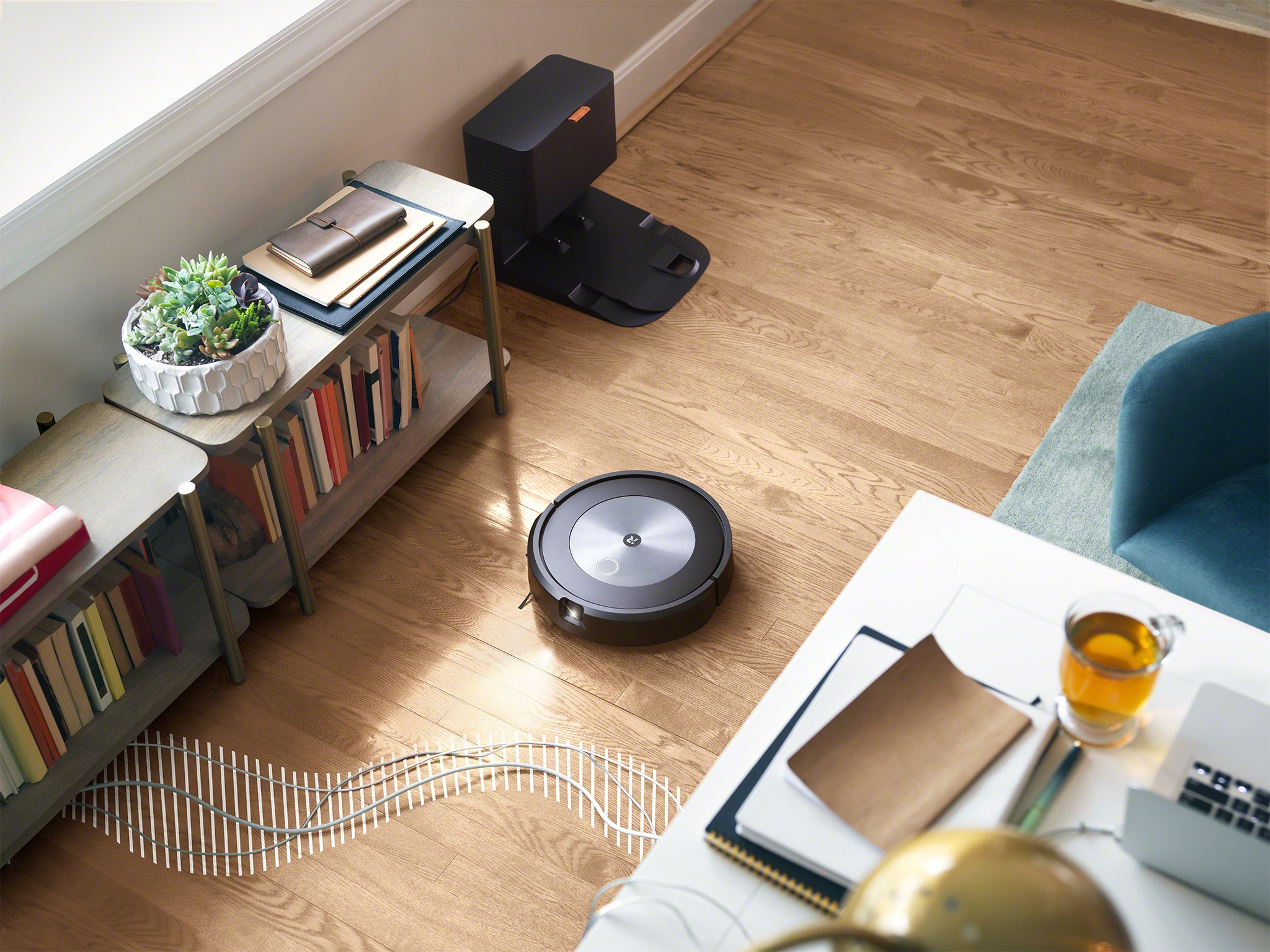
The recent filing for Chapter 11 bankruptcy by iRobot, the pioneering company behind the ubiquitous Roomba robotic vacuum, signifies the somber conclusion of an era for one of America’s most recognizable robotics innovators. After more than three decades of navigating technological hurdles and market shifts, the company, which had shipped over 50 million robots since the Roomba’s 2002 debut, ultimately succumbed to financial pressures exacerbated, according to founder Colin Angle, by "avoidable" regulatory opposition.
The Amazon Acquisition Attempt and Its Regulatory Demise
This dramatic turn of events unfolded in the wake of Amazon’s decision in January 2024 to abandon its proposed $1.7 billion acquisition of iRobot. The proposed merger, initially announced in August 2022, had been under intense scrutiny for 18 months by both the U.S. Federal Trade Commission (FTC) and European Union antitrust regulators. For Angle, the protracted and ultimately unsuccessful acquisition attempt represents a deeply frustrating experience, one that he believes sends a chilling message to entrepreneurs across the innovation economy and prompted him to vocalize his concerns publicly.
Angle asserts that the regulatory bodies fundamentally misjudged the competitive landscape and iRobot’s market position. He argues that the deal was intended to foster greater innovation and expand consumer choice at a crucial juncture for iRobot, whose market trajectory had shifted significantly in recent years. In the European Union, for instance, iRobot’s market share, though 12%, was reportedly in decline, facing vigorous competition from new entrants, some of whom had emerged just three years prior. A similar trend was observed in the United States, where iRobot’s market share, while higher, was also diminishing amidst a growing number of innovative competitors. From Angle’s perspective, these conditions suggested a dynamic and healthy marketplace, making regulatory intervention seem unwarranted. He envisioned a swift, perhaps three-to-four-week, review period, rather than the year and a half of intense scrutiny that ultimately led to the deal’s collapse.
The regulatory process itself proved to be an immense burden, both financially and operationally. Angle describes the sheer volume of resources consumed as "indescribable," estimating that over 100,000 documents were generated and submitted. iRobot diverted a significant portion of its discretionary earnings to meet compliance requirements, while Amazon’s investment in the process was reportedly many times greater. This involved dedicated teams of internal and external legal professionals and economists, all working relentlessly to demonstrate that the acquisition would not create a monopolistic environment. The daily demands of the 18-month investigation severely hampered iRobot’s ability to operate efficiently, creating a state of prolonged uncertainty that undoubtedly impacted the company’s strategic planning and financial health.
Angle’s personal experience during a deposition offered a revealing glimpse into the regulatory mindset he encountered. He recalled observing printouts of blocked deals displayed like "trophies" on office doors at the FTC. This perceived celebratory atmosphere around thwarting mergers and acquisitions struck Angle as deeply misguided, particularly for an agency tasked with protecting consumer interests and fostering economic growth. He viewed M&A as a vital engine for value creation within the innovation economy, and the regulatory stance, in his view, ran contrary to this principle. Angle expressed a profound sense of disillusionment, having approached the deposition with a hope for understanding and even shared excitement about the potential for growth and innovation that the Amazon partnership represented. Instead, he felt met with skepticism and an adversarial posture, encapsulated by the question, "Why should we ever let them do this?"—a question he believed overlooked the clear benefits for consumers and innovation.
A Chilling Effect on the Innovation Economy
The failure of the Amazon-iRobot acquisition, and the circumstances surrounding it, raises significant questions about the future of mergers and acquisitions in the technology sector and its potential impact on entrepreneurial ecosystems. Angle fears this precedent will have a "chilling effect" on startup founders who rely on acquisition as a primary exit strategy. The increased risk associated with regulatory hurdles could deter venture capitalists from investing in promising new companies, dampen valuations, and ultimately slow the rate of new company formation.
For many startups, an acquisition by a larger entity offers not only a financial return for founders and investors but also access to greater resources, market reach, and technological synergies that can accelerate innovation and bring products to a wider audience. If such pathways become increasingly difficult or uncertain, entrepreneurs might hesitate to embark on high-risk ventures, or they may shift their focus towards smaller-scale endeavors that are less likely to attract regulatory attention. This sentiment is echoed by broader industry commentary, which suggests that aggressive antitrust enforcement, while intended to promote competition, can inadvertently stifle the very innovation it seeks to protect by making growth and scaling through M&A a perilous endeavor. The delicate balance between preventing monopolies and fostering a dynamic environment where startups can thrive and exit successfully is a continuous challenge for policymakers.
iRobot’s Storied Past: From Pioneering Tech to Household Name
To understand the weight of iRobot’s recent downfall, it is essential to revisit its remarkable journey, which began long before the Roomba became a household name. Founded in 1990 by Colin Angle, Helen Greiner, and Rodney Brooks, iRobot emerged from MIT’s Artificial Intelligence Lab with a bold vision: to bring practical robotics into the real world. Their initial motivation was simple yet profound: "We were promised robots. Where are the robots?" This question fueled a mission to leverage nascent AI technologies, particularly Brooks’s pioneering work in behavior-based AI, which enabled machine intelligence to be embedded in low-cost robotics. The company’s ambitious early business plan even included a "private mission to the moon."
While the lunar mission didn’t materialize, iRobot quickly established itself as a leader in specialized robotics. Their contributions extended far beyond consumer applications, demonstrating a deep commitment to solving complex, real-world problems. Early projects included developing robots for space exploration, with iRobot technology contributing to NASA’s Mars Pathfinder mission—a fact Angle proudly notes placed his name "up on Mars." The company also played a critical role in defense and disaster relief efforts. Its PackBot, a rugged, versatile robot, became the first robot ever deployed in combat missions for the U.S. Army, navigating caves in Afghanistan and becoming the primary method for diffusing improvised explosive devices, saving countless lives. The company received poignant "You saved my life today" postcards, a testament to the profound impact of their technology.
In the aftermath of the devastating Deepwater Horizon oil spill in the Gulf of Mexico, iRobot deployed robots to assist in environmental recovery efforts. Similarly, following the Fukushima nuclear disaster, iRobot donated half a million dollars worth of robots and sent a team to Japan. These robots were instrumental in mapping radiation levels inside the damaged reactor doors, identifying a safe, albeit brief, path for human intervention that was credited with enabling the reactor’s shutdown. These early achievements underscored iRobot’s foundational ethos: to build impactful technology that served a greater purpose.
The Accidental Marketing of a Global Phenomenon
It was not until 2002, twelve years after its founding, that iRobot introduced the product that would redefine its public image: the Roomba. The idea for a robotic vacuum was initially met with internal skepticism and limited resources. Angle famously challenged a team to develop a prototype with just $15,000 and a two-week deadline. The promising results led to a scraped-together budget for further development, culminating in the launch of 10,000 units. Lacking a marketing budget, iRobot relied heavily on media fascination with the novel concept of a self-cleaning robot. Reporters, initially incredulous that a robot vacuum could actually work, were quickly converted, leading to an unexpected surge in demand. The company sold 70,000 units in the first three months.
However, this initial success was quickly followed by a near-catastrophe. Overestimating sustained demand, iRobot ramped up production to 300,000 units the following year and invested in a television commercial that Angle admits was a "total failure." After Cyber Monday, the company found itself with 250,000 unsold robots in its warehouse, facing imminent financial ruin. A serendipitous turn of events saved them: Pepsi unexpectedly featured a Roomba in a Dave Chappelle commercial, depicting the robot humorously chasing and "eating" Chappelle’s pants. Without iRobot’s knowledge or direct involvement, this viral cultural moment propelled sales, moving the remaining 250,000 units in just two weeks. This episode, along with the unforeseen popularity of "cats riding Roombas" videos online, highlighted the unpredictable nature of consumer adoption and the power of organic, often accidental, cultural resonance.
Navigating Competitive Waters and Strategic Choices
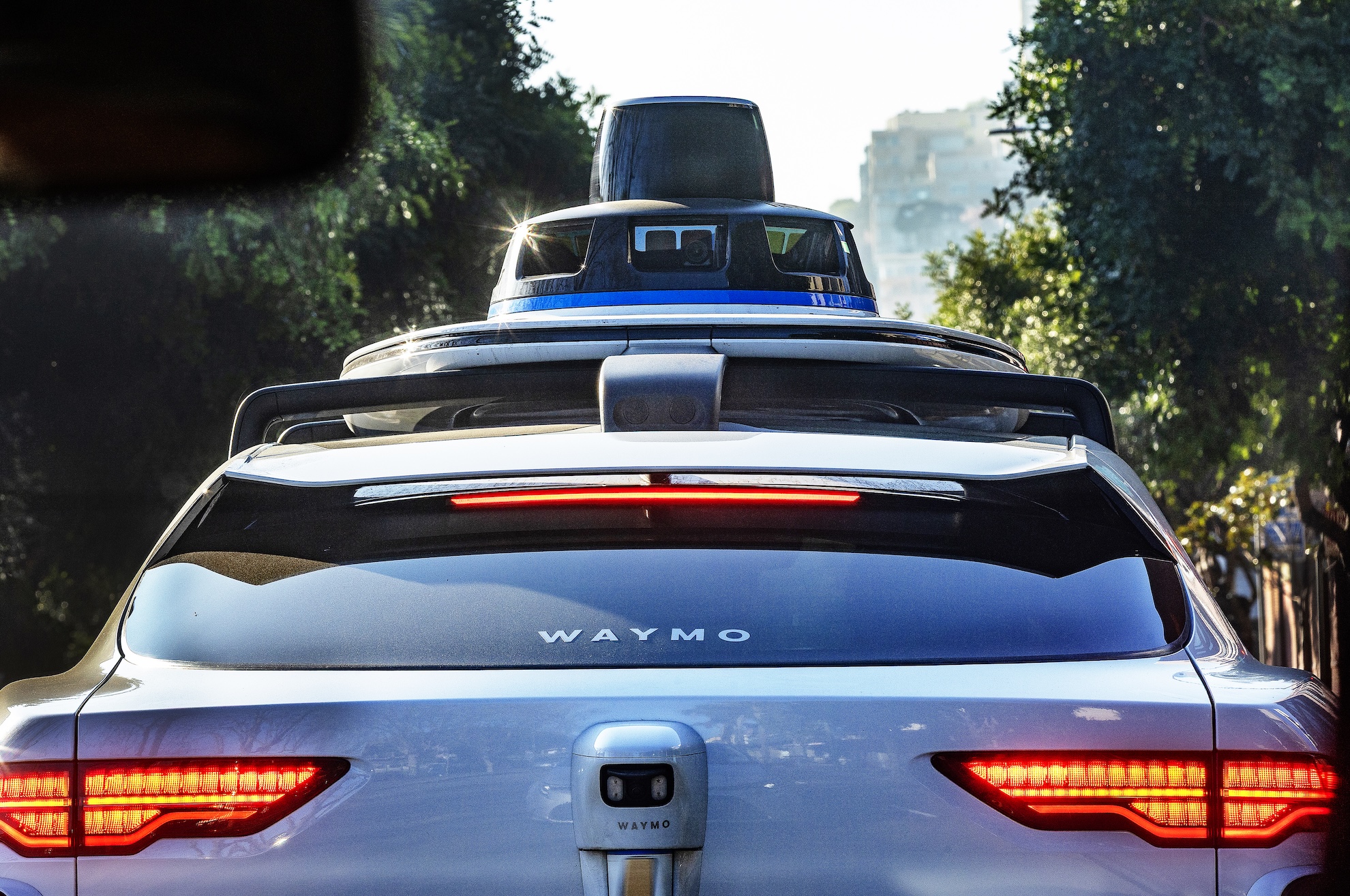
In the subsequent years, iRobot faced an increasingly competitive landscape. Chinese manufacturers like Roborock and Ecovacs entered the market, often at lower price points and integrating technologies like lidar navigation years before iRobot. Angle defended iRobot’s strategic decision to prioritize vision-based navigation over lidar, viewing lidar as a "dead-end technology" better suited for expedient solutions rather than comprehensive understanding of a home environment. He drew parallels to Tesla’s reliance on vision systems for autonomous driving, arguing that true household utility required a robot to "understand more" than a laser could provide, such as whether a floor was actually clean.
While iRobot was a pioneer in features like auto-evacuation and advanced navigation, it was slower to adopt the popular two-in-one vacuum and mop functionality that many competitors offered. Angle acknowledged that while iRobot believed in separating vacuuming and mopping for a superior customer experience, "the customer voted that we were wrong." Furthermore, iRobot faced significant geopolitical challenges, notably its exclusion from the Chinese marketplace, which represents the largest market for consumer robotics globally—a disadvantage that undeniably impacted its growth trajectory.
Lessons for the Next Generation of Robotics Entrepreneurs
Reflecting on his journey, Angle offers invaluable advice for aspiring robotics entrepreneurs. His primary counsel is to rigorously understand the market and ensure that any technological endeavor delivers value commensurate with its creation cost. He cautions against the allure of robotics for its own sake, emphasizing that the technology, however exciting, must serve a clearly defined problem. "Robots are so exciting, so sexy that it’s really easy to convince yourself that you’re doing something that is going to change the world, if only consumers were smart enough to realize it," he notes, highlighting a common pitfall.
Angle stresses viewing robotics as a "toolkit" rather than an end in itself. He recounts how, in iRobot’s early days, people struggled to accept the Roomba as a "robot" because it lacked arms, legs, and a head—the popular, yet far more expensive and complex, humanoid ideal. The challenge for entrepreneurs, he explains, is to transcend the "romance and opportunity" of advanced technology and instead "fall in love with the application" they are trying to solve. Understanding the consumer and the problem at hand is paramount, given the inherent complexity and expense of robotics development.
A New Horizon for Colin Angle
Despite the somber end to his tenure at iRobot, Colin Angle’s entrepreneurial spirit remains undimmed. He has already embarked on a new venture, currently operating in stealth mode. While details are scarce, Angle offers a tantalizing hint: his new consumer-facing company is exploring robots with "sufficient emotional sophistication" to foster enduring interactions, not necessarily human-level, but enough to create a "co-character" for health and wellness applications. This new direction reflects Angle’s continued dedication to building the "robots we were promised," albeit with a refined focus shaped by decades of experience. His journey, marked by innovation, commercial triumph, unexpected challenges, and a contentious regulatory battle, underscores the high stakes and complex interplay of technology, market forces, and policy in shaping the future of robotics.