Amir Mahmud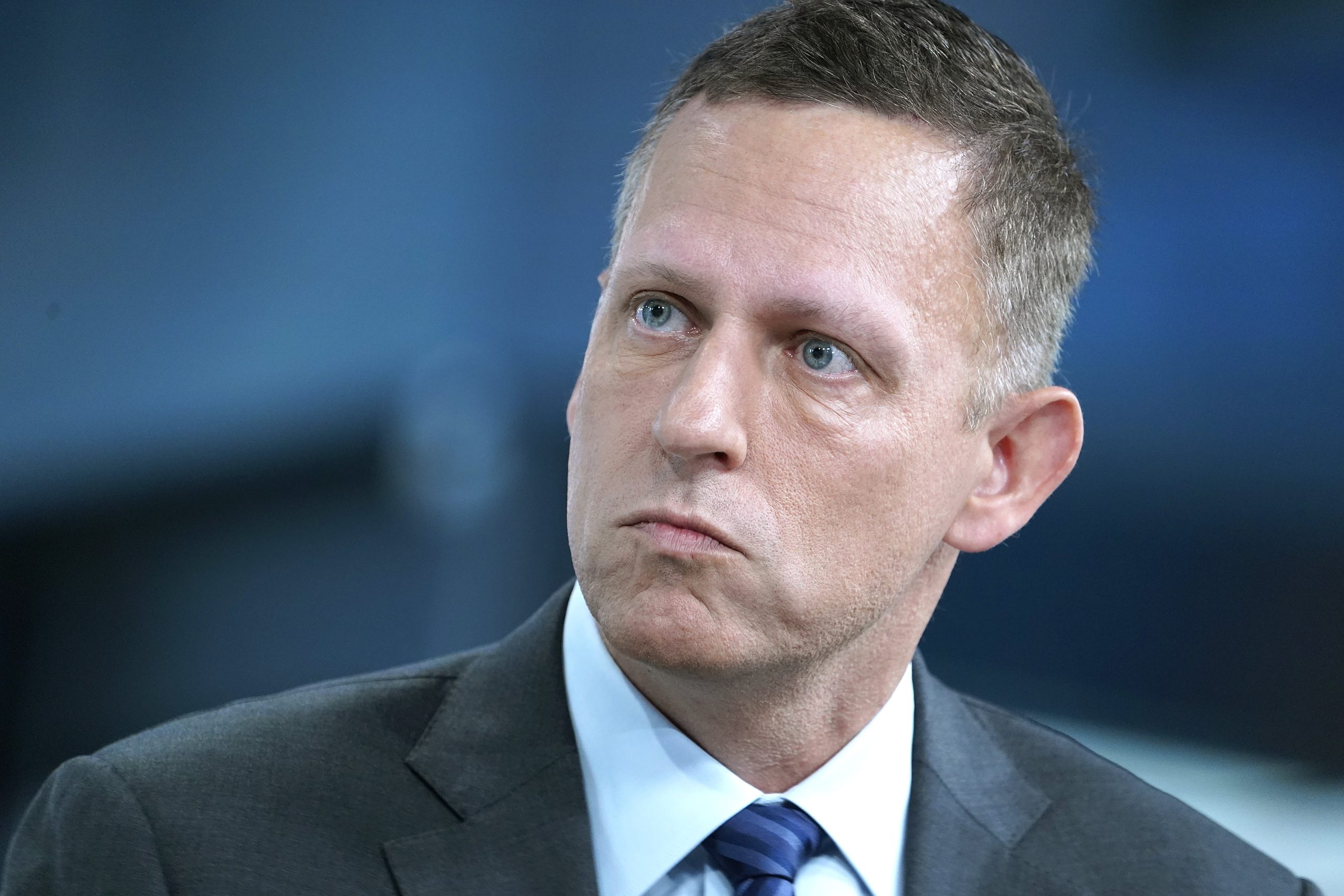
A decade and a half after its inception, the Giving Pledge, a high-profile initiative designed to encourage the world’s wealthiest individuals to commit the majority of their fortunes to charity, is grappling with a significant challenge to its foundational promise. Launched in 2010 by legendary investor Warren Buffett and Microsoft co-founder Bill Gates, the campaign invited billionaires to publicly commit to donating more than half their wealth either during their lifetimes or upon their death. This voluntary and non-binding agreement sought to harness the burgeoning wealth of the 21st century for global good, particularly as the technology sector began minting billionaires at an unprecedented rate, raising questions about the societal implications of such concentrated fortunes.
The Genesis of a Grand Vision
The year 2010 was a pivotal moment. The world was emerging from the shadow of the Great Recession, and the tech industry, far from being subdued, was accelerating its trajectory of innovation and wealth creation. Against this backdrop, Buffett and Gates envisioned the Giving Pledge not merely as a call for charity, but as a moral compass for a new generation of philanthropists. Their aim was to foster a culture of transparent, large-scale giving, hoping that public commitment would inspire others and normalize a level of generosity previously unseen. This approach differed from earlier philanthropic traditions, where donations were often made anonymously or through more private channels. Historic figures like Andrew Carnegie and John D. Rockefeller, titans of industry in their own eras, eventually became prodigious philanthropists, but their giving often evolved later in life and without the explicit public "pledge" mechanism. The modern iteration, however, sought to set a clear, upfront expectation. Buffett famously articulated the potential scale, predicting "trillions over time" would be committed, a sum that indeed materialized in terms of overall billionaire wealth. The giving, however, has proven more complex.
A Pledge Under Pressure: Declining Signatories
Initial enthusiasm for the Giving Pledge was robust, attracting a diverse array of global magnates. In its first five years, 113 families joined the initiative, signaling a broad acceptance of its underlying principle. However, recent data, notably highlighted in a New York Times report, reveals a stark decline in participation. The subsequent five-year period saw 72 new signatories, followed by 43 in the next five, and a dramatic drop to just four in 2024. This diminishing intake suggests a significant erosion of the pledge’s appeal or perceived relevance among the ultra-wealthy.
The roster of signatories includes some of the most influential figures in contemporary society, such as Sam Altman, Mark Zuckerberg and Priscilla Chan, and Elon Musk. Yet, even among this elite group, there appears to be a growing skepticism. Venture capitalist Peter Thiel, a prominent voice in the tech world and a vocal critic of certain philanthropic models, has publicly characterized the Giving Pledge as having "really run out of energy." He suggested that its "branding is outright negative" and that it feels "way less important for people to join" now. This shift in sentiment, particularly from influential figures like Thiel, underscores a broader reevaluation within wealthy circles regarding the role and efficacy of public philanthropic commitments.
The Shifting Sands of Silicon Valley Ethics
The decline of the Giving Pledge also reflects a deeper philosophical evolution within Silicon Valley. For years, the tech industry operated under a prevailing narrative of "making the world a better place," a slogan often invoked by companies and entrepreneurs to justify their ventures. This idealism, rooted in the early internet’s promise of connectivity and democratization, became a cultural touchstone. However, as the industry matured and wealth concentrated, this rhetoric increasingly drew scrutiny and even satire.
The HBO series "Silicon Valley," for instance, mercilessly mocked the ubiquitous phrase, portraying characters who prioritized valuations while ostensibly pursuing noble goals. The show’s impact was so profound that, according to one of its writers, Clay Tarver, corporate public relations departments at major tech firms reportedly instructed employees to cease using the phrase "We’re making the world a better place" due to the relentless mockery. This humorous critique, while entertaining, pointed to a deeper societal disillusionment.
Veteran tech investor Roger McNamee articulated this shift more pointedly, describing a "titanic battle" within Silicon Valley between the "hippie value system of the Steve Jobs generation" and the "Ayn Randian libertarian values of the Peter Thiel generation." McNamee’s own assessment was less charitable, lamenting that while some early pioneers genuinely sought to improve the world, the industry had been largely taken over by libertarians "who do not give a damn about right or wrong. They are here to make money." This cultural pivot from a perceived altruistic drive to a more overt profit-maximization philosophy provides crucial context for understanding the current reevaluation of philanthropic pledges.
The Libertarian Counter-Narrative
At the core of the challenge to the Giving Pledge lies a robust libertarian counter-narrative concerning wealth and societal contribution. This viewpoint, increasingly influential within the tech sector and beyond, posits that the primary societal contribution of wealthy individuals comes not from charitable donations, but from the very act of wealth creation itself. Building successful companies, generating employment, and fostering technological innovation are seen as the true engines of progress, far surpassing the impact of traditional philanthropy. From this perspective, the pressure to engage in philanthropy is, at best, a social convention or a form of virtue signaling, and at worst, an undue imposition on individual liberty and wealth.
Peter Thiel, a leading proponent of this perspective, has never signed the Giving Pledge himself and is known for his critical stance toward figures like Bill Gates. He has reportedly referred to Gates as an "awful, awful person" and has actively encouraged other signatories to reconsider their commitments. Thiel’s rationale for urging individuals like Elon Musk to withdraw from the pledge is rooted in a belief that their wealth, if donated through traditional philanthropic channels, might be directed towards "left-wing nonprofits that will be chosen by" figures like Gates. This reflects a deep-seated distrust of established philanthropic institutions and a desire for donors to retain complete control over the deployment of their capital. Thiel’s congratulatory note to Coinbase CEO Brian Armstrong after his quiet exit from the Pledge website further exemplifies this stance, framing withdrawal as an act of independence rather than a failure of commitment. Thiel’s provocative description of the Giving Pledge as an "Epstein-adjacent, fake Boomer club" further underscores the intensity of his disdain for the initiative and what he perceives as its outdated or hypocritical nature.
Public Perception and Private Influence
Thiel’s assertions extend to claiming that many remaining signatories feel "sort of blackmailed" into maintaining their public commitment, fearing negative public opinion should they formally renounce a non-binding promise. This claim introduces a fascinating dynamic: the tension between a purely voluntary agreement and the social pressure associated with public declarations of intent.
However, the validity of this "blackmail" claim is debatable when considering the public personas of some of the most prominent signatories. Figures like Elon Musk, for instance, have consistently demonstrated a profound indifference to public perception, often embracing controversy and challenging conventional expectations. Similarly, Mark Zuckerberg has navigated years of intense regulatory scrutiny and public hostility, emerging seemingly more resolute rather than less. These individuals rarely shy away from making decisions that might be unpopular, suggesting that the fear of public backlash may not be the primary deterrent for them. Instead, it might be a more complex calculus involving personal values, evolving priorities, or strategic philanthropic shifts. The influence of figures like Thiel in private conversations, however, can still be significant in encouraging a reevaluation of commitments, irrespective of public opinion.
A Disconnect from Daily Struggles
While debates about billionaire philanthropy unfold, a starkly different reality is playing out on the ground. GoFundMe, a prominent crowdfunding platform, reported a 17% surge last year in fundraisers for basic necessities such as rent, groceries, housing, and fuel. Keywords like "work," "home," "food," "bill," and "care" dominated campaign descriptions, illustrating the increasing economic precarity faced by many. The severity of this trend was underscored during a 43-day federal shutdown, which saw a sixfold increase in campaigns related to halted food stamp distribution. As the company’s CEO noted, "Life is getting more expensive and folks are struggling, so they are reaching out to friends and family to see if they can help them through."
This palpable struggle for basic survival among ordinary citizens stands in stark contrast to the abstract discussions within philanthropic boardrooms and among the ultra-wealthy. Whether these trends are directly linked to the evolving landscape of billionaire giving is a matter of ongoing debate, but the simultaneous occurrence of immense wealth accumulation at the top and growing financial distress at the bottom highlights a profound societal disconnect that is difficult to ignore. This widening gap raises questions about the efficacy and responsiveness of current philanthropic models in addressing immediate, widespread social needs.
Evolving Philanthropic Strategies
It is crucial to distinguish between a potential decline in the Giving Pledge’s influence and a broader retreat from philanthropy itself. Many of the wealthiest individuals in tech continue to engage in substantial giving, albeit increasingly on their own terms, through their own vehicles, and towards their chosen ends. This represents a strategic evolution in philanthropic practice.
For example, the Chan Zuckerberg Initiative (CZI), founded by Mark Zuckerberg and Priscilla Chan, recently announced a significant recalibration of its focus. In early 2026, CZI cut approximately 70 jobs, representing 8% of its workforce, as it shifted away from certain education and social justice causes. The new primary focus is its Biohub network, a series of nonprofit, biology-focused research institutes. Zuckerberg explicitly stated last November that "Biohub is going to be the main focus of our philanthropy going forward." While this represents a change in strategic direction, it does not signify an abandonment of their philanthropic commitment, especially given their pledge to donate 99% of their lifetime wealth. This move exemplifies a trend towards "venture philanthropy," where donors apply a more hands-on, strategic, and often scientific research-oriented approach, mirroring their business methodologies.
Conversely, Bill Gates has reaffirmed his commitment to large-scale giving. Last year, he announced plans to donate virtually all his remaining wealth, projected to be more than $200 billion, through the Gates Foundation over the next two decades, with the foundation slated to close permanently on December 31, 2045. Invoking Andrew Carnegie’s famous dictum that "the man who dies thus rich dies disgraced," Gates has publicly expressed his determination not to die rich. This steadfast commitment illustrates that while some may be re-evaluating the Giving Pledge, others remain deeply committed to its original spirit through their established philanthropic vehicles. The rise of donor-advised funds (DAFs) and private foundations also provides wealthy individuals with alternative, often less public, avenues for giving that offer greater control and flexibility.
Echoes of the Gilded Age: A Historical Parallel
The current era of immense wealth concentration and the ensuing debates about philanthropy bear striking resemblances to America’s original Gilded Age, spanning from the 1890s through the early 1900s. During that period, industrialization created unprecedented fortunes, leading to vast disparities in wealth and power. Philanthropists like Carnegie and Rockefeller emerged, but the ultimate societal "correction" to these imbalances did not primarily originate from their charitable endeavors. Instead, it was driven by a powerful confluence of political and social pressures.
This correction manifested through robust policy interventions: the implementation of anti-trust laws to break up monopolies, the introduction of the federal income tax to redistribute wealth, the establishment of the estate tax to limit dynastic fortunes, and later, the comprehensive social welfare programs of the New Deal era. These policies were enacted in response to widespread public demand for greater equity and accountability, propelled by a more functional Congress, a burgeoning investigative press, and an empowered regulatory state. Today, the institutions tasked with addressing such disparities—legislative bodies, media organizations, and regulatory agencies—face different challenges, raising questions about their capacity to facilitate a similar systemic rebalancing. The historical parallel serves as a potent reminder that while individual philanthropy can play a role, large-scale societal shifts often necessitate structural policy changes.
The Future of Ultra-Wealth Philanthropy
The undeniable pace of wealth accumulation in recent decades presents a profound societal challenge. Fortunes are being amassed in years, not generations, often coinciding with a weakening social safety net. According to Oxfam’s 2026 global inequality report, the wealth gained by the world’s billionaires in 2025 alone would have been sufficient to provide every person on Earth with $250, while still leaving the billionaires collectively $500 billion richer. This staggering statistic underscores the scale of the disparity and the potential impact of even a fraction of this wealth.
The Giving Pledge was always, as Warren Buffett described it, a "moral pledge"—voluntary, without enforcement mechanisms or external accountability. That it initially garnered significant traction speaks to a particular era when public commitment carried substantial weight. The current debate, marked by figures like Peter Thiel characterizing continued participation as a form of coercion, reflects a dramatically different cultural and ideological landscape. It highlights a growing skepticism about the effectiveness and motives behind traditional forms of billionaire philanthropy, and a broader societal struggle to reconcile vast private wealth with pressing public needs. The future of ultra-wealth philanthropy will likely be shaped by this ongoing tension, evolving beyond simple pledges into more complex, often individualistic, and sometimes controversial, strategies for impact.