Amir Mahmud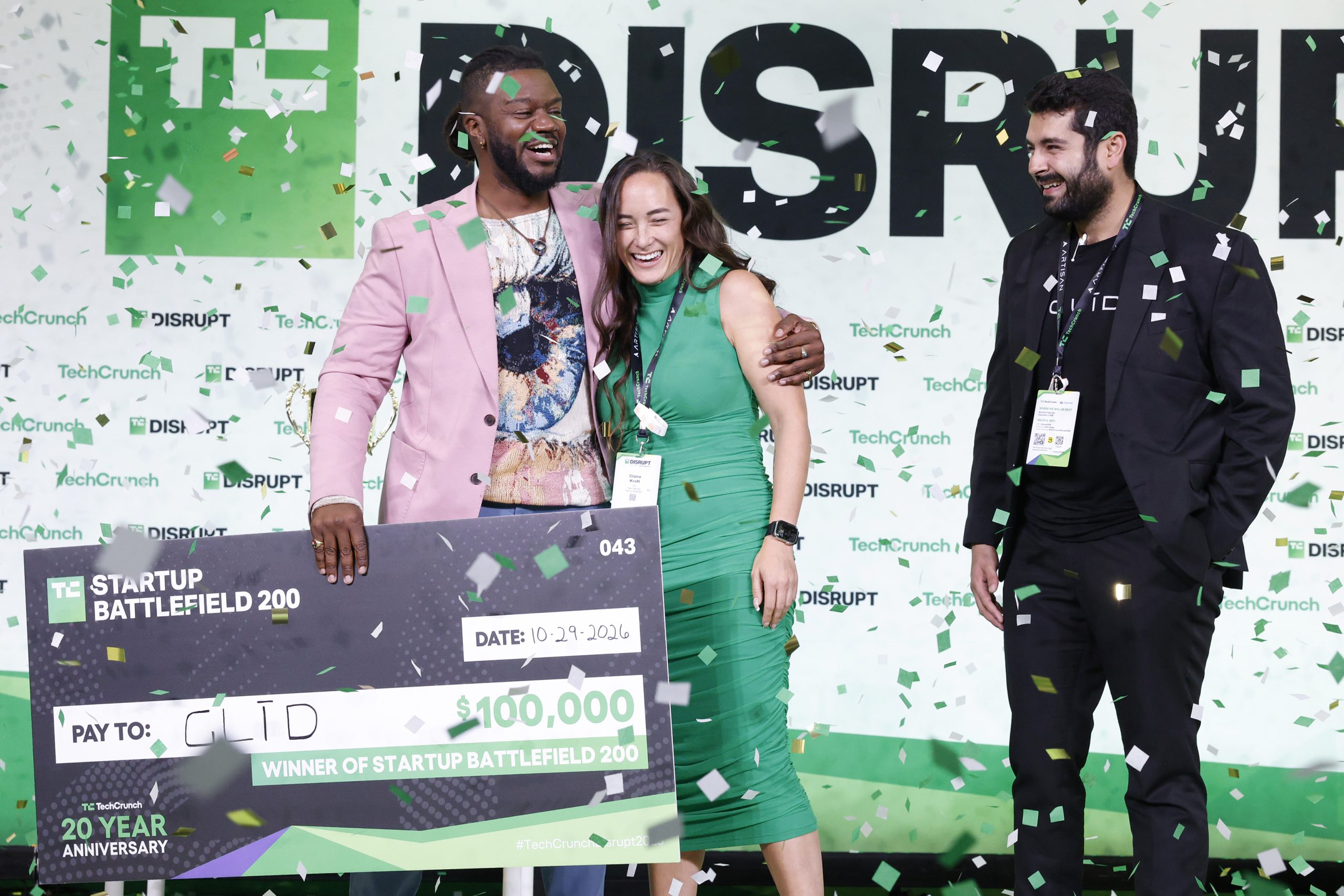
Early-stage entrepreneurs across the globe are being reminded of a significant opportunity to propel their ventures onto a world stage. Nominations for the highly coveted TechCrunch Startup Battlefield 200 are currently open, offering a crucial pathway for pre-Series A companies to gain unparalleled exposure, secure vital funding, and connect with leading figures in the venture capital community. This annual competition, a cornerstone of the larger TechCrunch Disrupt conference, represents a high-stakes arena where innovation is tested, challenged, and ultimately celebrated, with the upcoming Disrupt 2026 slated for October 13-15 in San Francisco, California.
A Legacy of Innovation: The Startup Battlefield Story
TechCrunch Disrupt, and its marquee Startup Battlefield competition, has long stood as a pivotal event in the technology calendar, a place where the future of innovation often takes its first public breath. Originating over a decade ago, the Startup Battlefield was conceived as a platform to discover and elevate promising new companies, providing them with a stage to present their groundbreaking ideas to a global audience of investors, media, and industry peers. Over the years, it has evolved into a rigorous proving ground, attracting thousands of applications annually from startups eager to prove their mettle.
The competition’s format is designed for intense scrutiny and rapid evaluation. Initially, a select group of 200 companies, known as the Startup Battlefield 200 (SB200), are chosen from the applicant pool. These companies gain access to the full TechCrunch Disrupt experience, including exclusive workshops, networking events, and the opportunity to showcase their products or services on the exhibition floor. From this larger cohort, a much smaller, highly curated group advances to the main Startup Battlefield competition, where they engage in live, on-stage pitching sessions. These pitches are not merely presentations; they are high-pressure interrogations by a panel of distinguished venture capitalists and tech luminaries, who challenge assumptions, dissect business models, and probe market viability. The ultimate victor receives a substantial, equity-free cash prize, typically $100,000, and the invaluable title of Startup Battlefield champion, a badge of honor that resonates throughout the tech world.
Historically, the Startup Battlefield has served as an early launchpad for numerous companies that have since become household names or significant players in their respective industries. Dropbox, which revolutionized cloud storage, first gained widespread attention after competing in Battlefield in 2008. Mint, a personal finance management tool that simplified budgeting, was a winner in 2007 before its acquisition by Intuit. Trello, a collaborative project management application, also made its mark on the Battlefield stage. More recently, companies like Discord, which has redefined online communication for gamers and communities since its 2013 appearance, and Fitbit, a pioneer in the wearable technology space, trace parts of their early success and visibility to their participation in this demanding competition. These success stories underscore the Battlefield’s role as a powerful accelerator, not just through capital, but through the immense credibility and exposure it bestows upon its participants.
The Crucible of Competition: What the SB200 Offers
For pre-Series A founders, the decision to apply for the Startup Battlefield 200 is a strategic one, offering a confluence of benefits that can be transformative for an nascent company. The most immediate and tangible reward for the eventual winner is the $100,000 in equity-free funding. In the often-turbulent world of early-stage fundraising, where founders typically cede significant portions of their company in exchange for capital, an equity-free prize is a rare and exceptionally valuable asset. It provides a crucial injection of capital without diluting ownership, allowing founders to maintain greater control and flexibility as they navigate their growth trajectory.
Beyond the financial incentive, the program offers unparalleled global exposure. Participating startups are featured prominently across TechCrunch’s extensive media network, reaching millions of readers, investors, and potential customers worldwide. This kind of organic media coverage is incredibly difficult and expensive for early-stage companies to secure independently. The visibility extends to the physical event itself, where the SB200 companies are given dedicated exhibition space, enabling direct engagement with attendees, including a concentrated presence of influential venture capitalists, corporate strategists, and potential strategic partners.
Direct access to leading venture capitalists is another cornerstone of the SB200 experience. The judges, mentors, and attendees at Disrupt represent a veritable who’s who of the investment community. For a pre-Series A startup, often struggling to get past the gatekeepers of venture firms, the opportunity to pitch directly to, network with, and receive feedback from individuals capable of writing substantial checks is invaluable. This is not merely about securing investment; it’s about building relationships, gaining insights into investor perspectives, and understanding market demands from those shaping the investment landscape. The structured environment of the Battlefield, combined with informal networking opportunities, creates a fertile ground for these critical connections.
Furthermore, the competitive process itself serves as an intensive bootcamp. The preparation required to distill a complex business idea into a compelling, concise pitch, and then to defend it under pressure, hones a founder’s communication skills and deepens their understanding of their own business model, market, and competitive advantages. The feedback, whether from judges or mentors provided during the selection and preparation phases, can be instrumental in refining a startup’s strategy and narrative, pushing founders to identify and address weaknesses they might not have otherwise recognized.
Beyond the Pitch: Market and Cultural Resonance
The impact of the Startup Battlefield extends beyond the individual companies that participate. The event plays a significant role in shaping the broader tech ecosystem, acting as a barometer for emerging trends and a catalyst for innovation. By showcasing companies across diverse sectors—including artificial intelligence, biotech, climate technology, fintech, and space exploration, as evidenced by the topics highlighted by TechCrunch—the Battlefield provides a snapshot of where entrepreneurial energy and venture capital interest are converging. This public display of cutting-edge ideas not only informs the market but also inspires new generations of founders and technologists.
Culturally, the Startup Battlefield contributes to the narrative of entrepreneurial daring and resilience. The "arena" metaphor frequently employed by TechCrunch speaks to the high stakes and gladiatorial spirit of the competition. It romanticizes the journey of the founder, presenting a vision of individuals battling against long odds to bring a transformative vision to life. This narrative, disseminated widely through media coverage, reinforces the cultural value placed on innovation, risk-taking, and problem-solving within the tech industry and beyond. It helps to demystify the startup journey for some, while simultaneously highlighting the intense commitment required for success.
Economically, the sustained success of Battlefield alumni contributes to job creation, market disruption, and the flow of capital. Companies like Dropbox and Discord have not only built massive user bases but have also created thousands of jobs and spawned entirely new product categories or significantly expanded existing ones. The initial boost from the Battlefield, whether through funding, visibility, or connections, can be a critical factor in a startup’s ability to scale, attract further investment, and ultimately achieve a significant economic footprint.
Navigating the Modern Startup Landscape
In the current venture capital climate, marked by fluctuating investment cycles and increased scrutiny on profitability and sustainable growth, platforms like the Startup Battlefield become even more critical for early-stage companies. While the frenzy of easy money seen in previous years may have cooled, the fundamental need for innovative solutions and disruptive technologies remains. However, securing that initial seed or pre-Series A funding requires more than just a good idea; it demands a compelling vision, a robust business plan, and the ability to articulate both succinctly and convincingly.
The analytical commentary on the startup world often points to the "funding gap" for pre-Series A companies, where angel investments might be exhausted, but institutional venture capital is not yet fully committed. This is precisely the gap that the Startup Battlefield aims to bridge. By providing a curated environment where promising ventures can bypass some of the traditional hurdles of fundraising, it democratizes access to capital and mentorship, at least for the select few. The intense pressure of the competition can also serve as a valuable stress test, forcing founders to confront potential weaknesses and prepare for the even greater challenges of scaling a business.
For founders considering an application, the current market dynamics emphasize the importance of differentiating their offering, demonstrating clear market validation, and presenting a path to sustainable growth. The judges and investors at Disrupt are not just looking for novel technology, but for viable businesses with strong teams and significant market potential.
The Application Process and What Comes Next
The current application window for Startup Battlefield 200 is a critical period for founders hoping to participate in TechCrunch Disrupt 2026. The deadline for nominations is May 27, suggesting a finite window for companies to compile their applications and present their cases. The organizers typically advise early submission, not just to avoid last-minute technical glitches, but also because early applicants often have more time for review and potential follow-up questions from the selection committee.
The application process is thorough, requiring detailed information about the startup’s technology, business model, team, market opportunity, and financial projections. It’s a comprehensive exercise designed to identify companies with genuine potential for disruption and growth. The selection committee, comprised of TechCrunch editors and industry experts, evaluates each application meticulously, seeking out ventures that exhibit originality, scalability, and a clear vision for impact.
For those selected into the SB200, the journey culminates in the TechCrunch Disrupt 2026 conference, scheduled for October 13-15. This multi-day event in San Francisco serves as a nexus for the tech community, featuring main stage presentations from industry titans, in-depth panel discussions, and expansive networking opportunities. The Startup Battlefield is a core component of this larger ecosystem, providing a dramatic focal point for the conference’s exploration of technological frontiers.
Seizing the Opportunity
For pre-Series A founders with ambitious visions and a hunger for validation, the TechCrunch Startup Battlefield 200 represents more than just a competition; it is a launchpad for potential greatness. It is an opportunity to not only secure funding but to gain invaluable exposure, mentorship, and connections that can fundamentally alter a startup’s trajectory. The path is demanding, and the competition fierce, but for those ready to step into the arena and prove their worth, the rewards can be monumental. The clock is ticking, and the strongest contenders are already making their move to secure a spot in this premier showcase of global innovation.