Amir Mahmud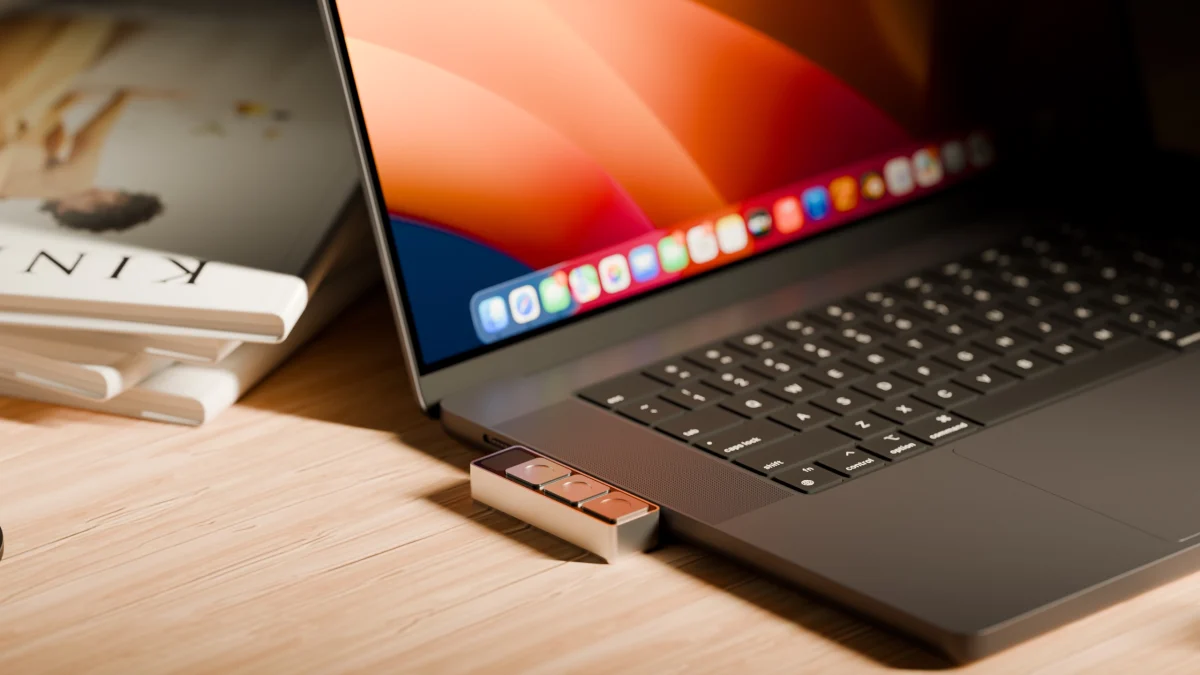
The modern digital workspace, characterized by a complex tapestry of applications and virtual interactions, often presents a significant challenge to seamless workflow. Professionals frequently juggle myriad platforms for communication, collaboration, and content creation, each with its own distinct set of keyboard shortcuts and operational nuances. This fragmentation can lead to a frustrating "shortcut fatigue," where the mental burden of recalling specific commands across different interfaces disrupts focus and diminishes efficiency. Amidst this landscape, Project Mirage, an emerging technology firm, introduces Dune, a compact, context-aware keypad designed to offer a tangible solution to this pervasive digital dilemma, promising a more streamlined and intuitive interaction with macOS environments.
The Genesis of Digital Friction
To truly appreciate the potential impact of a device like Dune, it’s essential to understand the evolution of digital work. The past decade, particularly accelerated by the global shift towards remote and hybrid models, has seen an explosion in software tools. Video conferencing platforms like Zoom, Microsoft Teams, and Google Meet have become ubiquitous, alongside project management suites, communication apps, and specialized industry software. While these tools enhance connectivity and capability, they also introduce a significant cognitive load. Each application typically features a unique array of keyboard shortcuts for common actions—muting a microphone, toggling a webcam, navigating documents, or executing specific commands. The muscle memory developed for one application often conflicts with another, leading to moments of hesitation, accidental actions, or a complete reliance on slower mouse-driven interactions. This constant mental switching not only consumes valuable seconds but also breaks concentration, impacting overall productivity and the fluidity of digital communication. The yearning for a universal, physical control mechanism has grown louder, reflecting a desire to reclaim a sense of tactile mastery over increasingly abstract digital operations.
The history of personal computing has consistently shown a human preference for direct, physical interaction, even as interfaces become more graphical and abstract. From the early days of dedicated function keys to the proliferation of gaming keypads and specialized macro boards, users have sought ways to bypass multi-step digital processes with single-action physical inputs. However, many of these solutions have been either too generic, requiring extensive manual configuration, or too specialized, lacking the versatility needed for a dynamic professional environment. Dune aims to bridge this gap by offering a smart, adaptable physical interface that understands and responds to the user’s current digital context.
Dune: A New Paradigm for Mac Interaction
Project Mirage’s Dune emerges as a compelling answer to this widespread demand for physical control. This minimalist, three-key aluminum keypad, remarkably compact—roughly the size of a standard stick of chewing gum—plugs directly into a MacBook’s USB-C port. Its design philosophy centers on contextuality, dynamically adapting its functionality based on the active application. For instance, within a video conferencing application, Dune’s keys could instantly toggle microphone mute, activate or deactivate the webcam, and bring the meeting window to the foreground. Shifting to a spreadsheet program like Microsoft Excel or Google Sheets, the same three keys might transform into universal commands for copying, pasting, and undoing actions. In a web browser such as Chrome, they could facilitate page refreshes, jump to the URL bar, or paste content. This intelligent adaptation extends to specialized professional software, enabling developers using tools like VS Code or GitHub to execute complex commands such as merging pull requests, approving changes, or closing tasks with a single, deliberate press.
This level of intelligent adaptation is crucial in today’s multi-application workflows. Instead of users needing to remember n sets of shortcuts for n applications, Dune provides a consistent physical anchor whose functions dynamically shift with the digital environment. This approach significantly reduces the cognitive load associated with switching between diverse software tools, fostering a more seamless and less interrupted work experience. The physical feedback of pressing a dedicated key can also provide a greater sense of control and certainty compared to navigating menus or recalling obscure key combinations.
Engineering for Integration and Elegance
Beyond its intelligent functionality, Dune also emphasizes a seamless physical integration with Apple’s MacBook ecosystem. Each unit is meticulously crafted to match the specific MacBook model it’s intended for, ensuring it sits flush against the laptop’s chassis without any unsightly gaps. This bespoke design contributes to a refined aesthetic and a stable user experience, aligning with Apple’s own design principles of minimalism and precision. The robust aluminum construction not only provides durability but also a premium tactile feel that complements the high-end materials of modern MacBooks.
Powering the device is equally straightforward; Dune operates without an internal battery or the need for a separate charger, drawing all necessary power directly from the MacBook via its USB-C connection. This eliminates cable clutter and the concern of another device running out of charge during critical tasks, a common frustration for mobile professionals. This direct power draw underscores the device’s focus on simplicity and reliability. Currently, Project Mirage supports a range of contemporary MacBook models, including the M2 Air and later, as well as M1 Pro and subsequent iterations, requiring macOS 15 Sequoia or a more recent operating system to function optimally. This specificity highlights the tight hardware-software integration Project Mirage is aiming for, ensuring a consistent and optimized experience for its target user base.
Customization and AI-Powered Automation
The true power of Dune lies in its extensive customization capabilities, managed through a dedicated companion application. This software allows users to assign specific functions to each of the three keys, either universally across the system or on an app-by-app basis. Users can map keys to existing keyboard shortcuts, trigger complex system commands, or even launch applications or open specific URLs. This level of granular control empowers individuals to tailor their workflow precisely to their needs, moving beyond generic controls to highly personalized productivity enhancements. The companion app also integrates with the user’s calendar, offering timely prompts a few minutes before scheduled meetings, allowing for single-tap actions to join, dismiss, or send a "running late" notification—a subtle yet significant quality-of-life improvement for professionals managing busy schedules.
However, Project Mirage elevates this customization through advanced integrations, notably with artificial intelligence. For users seeking deeper automation without the need for traditional coding, Dune offers an intuitive integration with Claude Desktop. This AI assistant enables users to describe desired shortcuts in natural language. Claude then interprets these requests, generates the appropriate script or command sequence, and assigns it to a chosen key for a specific application, significantly lowering the barrier to entry for sophisticated macro creation. For those with programming expertise, the platform also supports direct Python scripting, opening up virtually limitless possibilities for complex automations and integrations, allowing power users to push the boundaries of what the device can achieve.
An illustrative example of Dune’s potential involves tasks common to professionals who frequently evaluate companies. A user could configure a key to, when on a startup’s website, instantly pull up a concise brief detailing competitors, investors, and potential interview questions—a highly valuable function for investors, founders, or business operators. Similarly, a content creator might program a key to automatically convert images to JPEG format for quick uploading to content management systems or social media platforms. While the initial setup for complex AI-generated shortcuts might require some iterative refinement and debugging, the promise of such rapid, context-aware information retrieval and task automation is substantial, streamlining tasks that would otherwise involve multiple clicks, copy-pasting, and application switching.
The Ecosystem and Market Dynamics
Project Mirage envisions Dune not just as a standalone peripheral but as the gateway to a vibrant "skills ecosystem." The companion app features a marketplace where Dune owners can explore and share "skills"—pre-configured macros or automations—created by other users. This community-driven approach has the potential to become a cornerstone of Dune’s long-term growth and user retention strategy. If the marketplace flourishes, it could transform the hardware into a thin client for a rich, Claude-powered library of automations, providing continuous value and new reasons for users to engage with the device beyond its initial purchase. The social impact of such a marketplace could also foster a community of productivity enthusiasts sharing best practices and innovative workflows.
However, the marketplace is still in its nascent stages, offering a limited selection of skills. For this ecosystem to thrive, Project Mirage will need to actively cultivate and expand the available offerings, both through user contributions and by proactively adding its own curated suggestions for various popular applications. A crucial improvement for the user experience would be the introduction of a "preview" function, allowing users to test a skill within the application before permanently assigning it to a physical button, preventing accidental reconfigurations and streamlining the customization process.
In the broader landscape of productivity peripherals, Dune occupies a unique position. While devices like MuteMe offer specialized, single-purpose controls (primarily for microphone muting), and products like Elgato Stream Deck cater to content creators and streamers with a focus on multi-action macros, Dune aims for a broader, more integrated approach. Its strength lies in its deep, context-aware integration with the macOS environment, its elegant physical design, and its accessible customization, particularly through AI. Priced at an introductory rate of $119, with a standard retail price of $149, Dune positions itself as a premium, yet accessible, tool for the productivity-conscious Mac user, offering a compelling blend of simplicity and advanced functionality.
User Experience and Future Outlook
Early feedback on Dune highlights both its strengths and areas for refinement. Users generally commend its aesthetic appeal and robust build quality, appreciating the tactile satisfaction of physical buttons in an often-virtual workflow. However, some initial observations point to the key resistance being somewhat low, leading to inadvertent presses. The possibility of accidentally unmuting a microphone or disabling a camera due to an unintentional brush against the device underscores the importance of precise haptic feedback and actuation force in such a critical control mechanism. Addressing this mechanical aspect could significantly enhance user confidence and prevent disruptive errors during live interactions, an essential consideration for a device intended to reduce friction.
Looking ahead, Project Mirage’s success will likely hinge on several factors. Continuous refinement of the hardware’s tactile response, proactive expansion of the skills marketplace, and ongoing development of the AI integration with Claude will be paramount. As digital workspaces continue to evolve, devices that seamlessly bridge the gap between physical interaction and complex software operations will become increasingly valuable. Dune represents a thoughtful step in this direction, offering a glimpse into a future where personal computing is not just powerful, but also profoundly intuitive and personalized. For the growing demographic of productivity-minded individuals—from tech executives and developers to content strategists and remote team leaders—Dune presents an intriguing proposition for reclaiming control and enhancing efficiency in their digital lives, promising a tangible pathway to a more focused and fluid work environment.