Amir Mahmud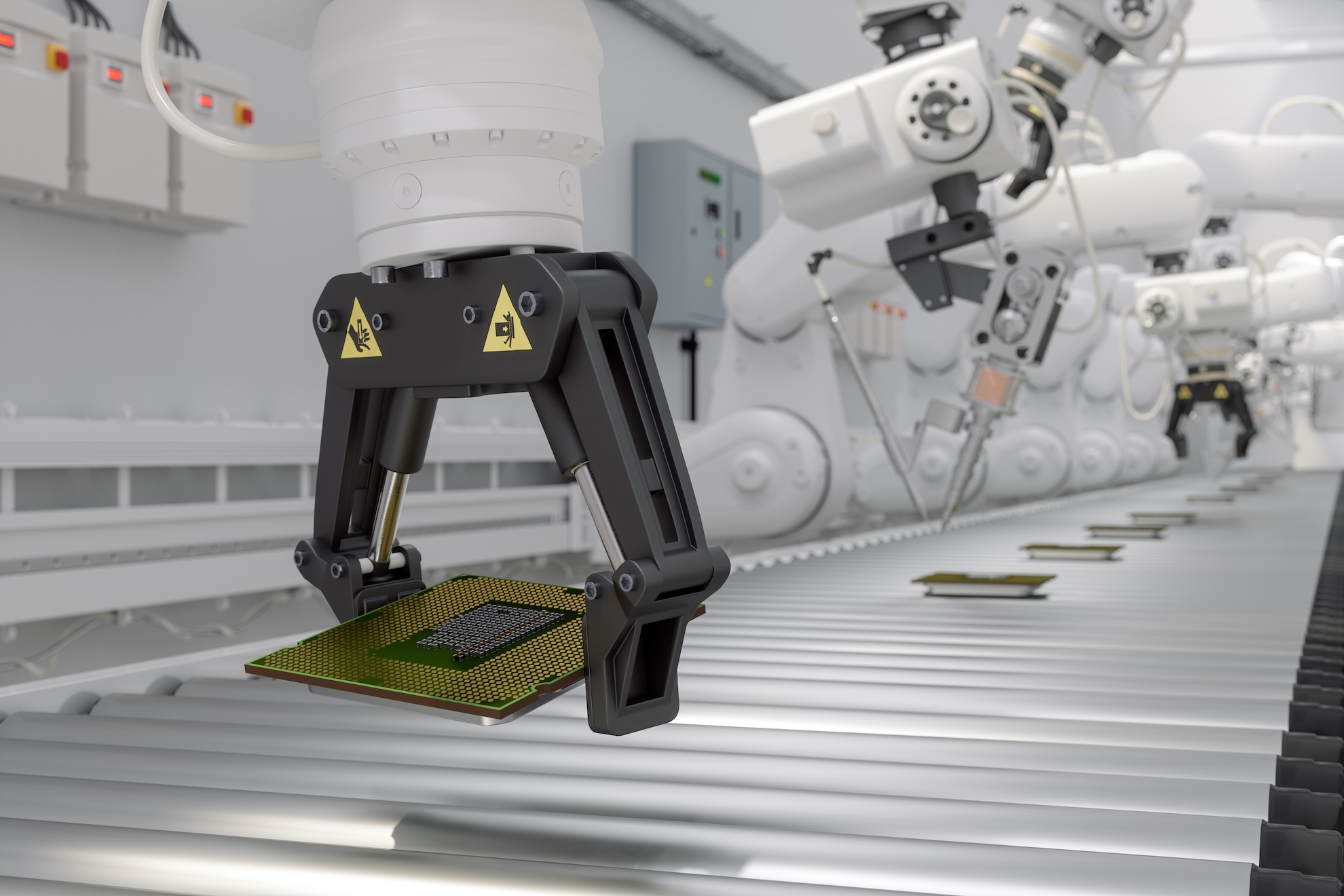
A profound shift is underway within the high-stakes realm of artificial intelligence and robotics, fundamentally reshaping the talent landscape for autonomous vehicle development. What was once described as a "knife fight" for engineers among pioneering self-driving car companies has now evolved into a broader, more intense "poaching war," driven by the burgeoning "physical AI" sector, with defense technology firms emerging as particularly aggressive players. This escalating competition is pushing base salaries for highly specialized engineers into an unprecedented range of $300,000 to $500,000, excluding substantial equity and benefits packages.
The Genesis of the Talent Scramble
The current talent crunch is centered around individuals possessing a unique blend of classical robotics and advanced artificial intelligence acumen. These are the experts capable of seamlessly integrating sophisticated AI algorithms with complex hardware systems. Their skill set is not merely about writing code; it encompasses deep understanding of sensor fusion, real-time control systems, machine learning for perception, path planning, human-robot interaction, and the rigorous demands of safety-critical system design. Historically, such expertise was predominantly cultivated within the autonomous vehicle (AV) industry, particularly at companies focused on self-driving trucks and robotaxis. Now, a diverse array of sectors, including defense, industrial automation, construction, mining, and agriculture, are actively seeking these same professionals for applications ranging from humanoid robots and autonomous forklifts to advanced military platforms.
The allure of these new frontiers is proving irresistible for many. Defense technology startups, in particular, are reportedly offering the most generous compensation packages, largely fueled by significant investment and contractual opportunities from the Department of Defense. Roles such as "applied researcher" or "AI enablement engineer" are highly sought after, reflecting the urgent demand for practical, deployable AI solutions in critical national security contexts. This dynamic creates an uneven playing field, putting immense pressure on traditional automakers and AV startups to either match these exorbitant salaries or risk a substantial exodus of their most valuable engineering talent.
A Brief History of Autonomous Ambition
The quest for autonomous vehicles has a rich, albeit challenging, history, shaping the very talent pool now in such high demand. The roots can be traced back to the DARPA Grand Challenge in the mid-2000s, which spurred academic and research institutions to tackle the immense engineering hurdles of self-driving cars. This initial burst of innovation laid the groundwork for companies like Google (later Waymo) to embark on ambitious projects aimed at commercializing fully autonomous driving.
By the mid-2010s, the autonomous vehicle industry experienced a "gold rush" phase. Venture capitalists poured billions into startups promising Level 4 and Level 5 autonomy, igniting an intense competition for the nascent pool of AI and robotics engineers. Universities struggled to produce enough graduates to meet the demand, and companies resorted to aggressive recruitment strategies. Early estimates of widespread robotaxi deployment proved overly optimistic, however, leading to a period of consolidation and a more sober assessment of the technological and regulatory challenges. Many companies shifted focus to more constrained operational design domains (ODDs), such as specific highway routes for trucks or geo-fenced urban areas for robotaxis, recognizing the complexity of universal autonomy. This era, while challenging, refined the skills of engineers working on perception, prediction, and planning systems, making them exceptionally valuable for any application requiring intelligent, autonomous physical interaction.
Defining "Physical AI" and its Broadening Appeal
The term "physical AI" describes intelligent systems that interact with the real world, moving beyond purely software-based applications like chatbots or recommendation engines. It encompasses the convergence of artificial intelligence, robotics, and automation, enabling machines to perceive, reason, and act within physical environments. This includes everything from factory floor robots and agricultural drones to construction equipment and, crucially, defense systems.
The burgeoning interest in physical AI stems from several factors. Industries facing labor shortages, safety concerns, or demands for increased efficiency are turning to automation. Defense sectors, in particular, are investing heavily in autonomous platforms for reconnaissance, logistics, and combat, seeking to enhance operational capabilities and protect personnel. The Department of Defense’s "open wallet," as one observer noted, provides a virtually unlimited funding stream for promising defense tech startups, allowing them to offer compensation packages that few commercial entities can rival. This has created a powerful gravitational pull for top-tier talent, offering not only financial incentives but also the opportunity to work on cutting-edge applications with significant national impact.
Economic and Market Implications
The talent migration has significant economic and market implications across the tech landscape. For established players like Waymo, which are often described as "price insensitive" due to their backing by tech giants like Alphabet, the impact might be less direct. They possess the financial muscle to retain key talent, even at inflated rates, and have well-established research and development pipelines. However, for smaller AV startups and traditional automakers that have invested heavily in autonomous driving divisions, the situation is more precarious.
These companies often operate with tighter budget constraints and face immense pressure to demonstrate returns on investment. The soaring salaries driven by defense tech and other physical AI sectors mean their operational costs are escalating dramatically. This could lead to a "twofold follow-on effect": an exodus of engineers from automated driving programs within automakers, and a critical need for startups to either raise significantly more capital or become exceptionally judicious in their resource allocation and strategic focus. The market for AV talent, already competitive, is now witnessing a significant demand-side shock, potentially slowing down innovation and deployment in commercial autonomous mobility if talent resources are diverted elsewhere. This dynamic underscores a broader economic challenge: how to sustain innovation in capital-intensive sectors when a critical resource—human expertise—becomes prohibitively expensive.
Strategic Shifts and National Security
The shift of top AI and robotics talent into defense technology carries profound strategic implications. As nations increasingly recognize the importance of AI in future military capabilities, securing top engineering minds becomes a matter of national security. The United States, for example, is actively pursuing technological superiority in areas like autonomous weapon systems, advanced reconnaissance, and logistics automation. By attracting talent from commercial AV sectors, defense tech companies can accelerate their development timelines, potentially giving the nation a strategic advantage.
Culturally, this migration also reflects a changing perception of defense work within the tech community. While some engineers may be driven by financial incentives, others are drawn by the opportunity to contribute to critical missions, work on novel problems, and see their innovations deployed in high-impact scenarios. This contrasts with the sometimes slower, more regulated pace of commercial automotive development. The increased government funding and clear objectives in defense tech offer a compelling alternative for engineers seeking purpose and rapid iteration.
The Road Ahead: Challenges and Adaptations
The current talent war poses long-term challenges for the sustainability of innovation in various sectors. While high salaries attract talent in the short term, an over-reliance on a limited pool can stifle the growth of the overall ecosystem. To address this, there’s a growing need for educational institutions to adapt curricula, producing more graduates with the specific hybrid skills required for physical AI. Industry-academia partnerships could play a crucial role in nurturing the next generation of engineers, ensuring a steady supply of qualified professionals.
Companies in the commercial AV space will need to innovate not just in technology, but also in talent management. This might involve focusing on niche applications, building stronger internal training programs, fostering unique company cultures, or exploring international talent pools. The market may also see more strategic partnerships or even acquisitions, as larger entities seek to consolidate talent and technology. The current trend suggests that the era of broad, unfocused AV development is giving way to more specialized, application-driven physical AI, forcing companies to refine their strategies and talent acquisition models.
Broader Industry Movements and Investments
Beyond the immediate talent war, the broader "physical AI" trend is attracting significant investment, further validating its importance across various industries. For instance, Palo Alto-based venture firm Eclipse recently closed a new $1.3 billion fund dedicated to backing and building physical AI startups, split between an early-stage incubation fund and a growth-oriented fund. This substantial capital infusion underscores investor confidence in the sector’s potential and will undoubtedly fuel further demand for specialized engineers.
The defense tech sector itself is witnessing impressive growth. Hermeus, a Los Angeles-based startup developing unmanned hypersonic aircraft, recently raised $350 million, achieving a $1 billion valuation. Such deals exemplify the significant capital flowing into defense-related physical AI applications, directly contributing to the attractive compensation packages offered to engineers.
Meanwhile, innovation continues across the mobility spectrum. Candela, a Swedish electric hydrofoil company, secured a 20-boat order with a Norwegian operator, showcasing advancements in sustainable water transport. Sora Fuel, a sustainable aviation fuel startup, raised $14.6 million, highlighting the ongoing push for decarbonization in aviation. These developments, while not directly tied to the AV talent war, illustrate the diverse and capital-intensive nature of modern mobility and robotics, all competing for a finite pool of engineering excellence.
Even as the talent market heats up, the practical challenges of deploying autonomous systems remain. Recent incidents, like an Avride robotaxi with a human safety operator running over a duck in Austin, Texas, underscore the ongoing need for robust safety engineering, public acceptance, and continuous improvement in autonomous decision-making. Such events, alongside debates around "right to repair" legislation for complex machinery like John Deere tractors (which recently settled for $99 million), highlight the complex regulatory and social environments in which physical AI operates.
Companies are also adapting their strategies in response to market realities. Volkswagen, for example, is reportedly halting production of its all-electric ID.4 at its U.S. factory, pivoting back to gas-powered SUVs, while its subsidiary MOIA America is testing autonomous microbuses with Uber in Los Angeles. These shifts reflect the dynamic nature of automotive strategies and resource allocation. Concurrently, Waymo continues its expansion, launching public robotaxi services in Nashville and partnering with Waze to share pothole data collected by its autonomous fleet, demonstrating practical applications and community integration.
The ongoing talent war for physical AI and robotics engineers is more than just a battle over salaries; it represents a fundamental reorientation of technological priorities and investment. As industries from defense to agriculture increasingly embrace intelligent automation, the specialized skills once predominantly honed in the autonomous vehicle sector are now in demand across a far broader, and often more lucrative, landscape. The implications for innovation, national strategy, and the future of human-machine interaction will continue to unfold as this high-stakes competition evolves.