Amir Mahmud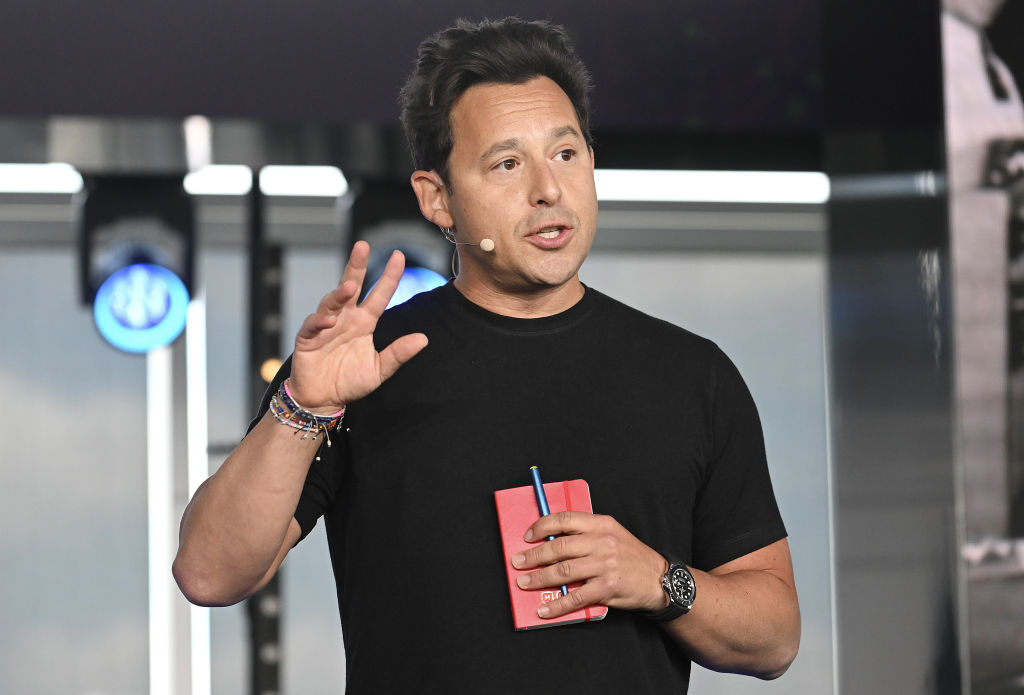
E-commerce giant Shopify is embarking on a profound strategic shift, preparing for what its president, Harley Finkelstein, describes as a transformative era driven by agentic artificial intelligence. Speaking at the Upfront Summit in Los Angeles, Finkelstein articulated a vision where sophisticated AI applications fundamentally alter how consumers discover, evaluate, and purchase goods online, effectively serving as highly personalized, proactive shopping companions. This isn’t merely an incremental upgrade to existing online retail; it represents a potential paradigm shift in consumer interaction with digital storefronts.
The Rise of Agentic AI in Commerce
At the heart of Shopify’s foresight lies "agentic shopping," a concept rooted in advanced AI systems capable of executing tasks autonomously to achieve specific user-defined goals. Unlike traditional chatbots or recommendation engines that respond to direct queries or suggest products based on broad patterns, agentic AI is designed to understand context, anticipate needs, and proactively act on behalf of the user. Imagine an AI not just recommending running shoes, but knowing your preferred brand, your running style, recent injuries, budget, and even upcoming race schedule, then actively searching, comparing, and even facilitating the purchase of the ideal pair.
For Shopify, a formidable player in the global e-commerce landscape and the second-largest provider in the U.S. behind Amazon, this evolution is more than just a technological curiosity. It’s an opportunity to unlock significant untapped potential within the retail sector. Despite the widespread adoption of online shopping, Finkelstein pointed out that only approximately 18% of all retail purchases in the United States currently occur online. Agentic AI, by making the shopping experience significantly more efficient, intuitive, and tailored, could dramatically expand this digital penetration, serving as a new "front door" for millions of online merchants.
A Brief History of E-commerce Evolution
To fully appreciate the scope of this anticipated transformation, it’s helpful to consider the trajectory of online commerce. The internet’s commercialization in the mid-1990s ushered in the first wave of e-commerce, characterized by static websites and basic shopping carts. Pioneers like Amazon initially focused on books, gradually expanding to a vast array of products, demonstrating the scalability of the online model. The early 2000s saw the rise of more dynamic platforms, improved payment gateways, and rudimentary personalization through browsing history.
The subsequent decade witnessed the explosion of social media and mobile technology, leading to mobile commerce (m-commerce) and social commerce, where peer reviews, influencer marketing, and direct-from-app purchases became commonplace. Retailers invested heavily in user experience, streamlined checkout processes, and omnichannel strategies, blurring the lines between physical and digital shopping. AI’s role during this period was primarily in backend optimization – inventory management, fraud detection, and basic customer service chatbots. More recently, machine learning has powered increasingly sophisticated recommendation engines, personalized email campaigns, and dynamic pricing models.
However, these advancements, while significant, largely remained reactive. Consumers still initiated the search, browsed through numerous options, and manually completed purchases. Agentic AI represents a leap from reactive assistance to proactive agency, fundamentally changing the locus of control in the shopping journey.
The Promise of Hyper-Personalization and Discovery
Finkelstein highlighted a key differentiator for agentic shopping: its ability to infuse context into the purchasing process, a capability that traditional search engines often struggle with. He offered an illustrative example: a generic search for "athletic shoes" on a conventional search engine might predominantly display options from large, well-known retailers like Footlocker, often influenced by advertising spend. In contrast, an agentic personal shopper, having learned a user’s preference for a specific brand like "On," would prioritize and present options from that brand, even if it’s a niche or direct-to-consumer label.
This profound level of personalization goes beyond simple browsing history. Agentic systems are envisioned to build an intricate, evolving profile of a user’s preferences, values, lifestyle, budget constraints, and even their aesthetic sensibilities. This allows for a "merit-based" approach, as Finkelstein described, where product recommendations are theoretically driven by genuine user compatibility rather than solely by advertising revenue. The idea is that these AI agents, operating without a commission structure, would be incentivized to present items most likely to resonate with the individual, potentially leading to more satisfying purchases and reduced buyer’s remorse.
Furthermore, this contextual understanding could be a game-changer for product discovery, particularly for the "long tail" of smaller, independent merchants that constitute a significant portion of Shopify’s ecosystem. Many unique brands and handcrafted goods struggle to gain visibility against the marketing might of larger corporations. An agentic shopper, tasked with finding a specific type of artisanal product or an eco-friendly alternative, could effectively surface these niche offerings, connecting them with highly relevant customers who might otherwise never encounter them through conventional search or advertising.
Market, Social, and Cultural Impacts
The widespread adoption of agentic shopping could trigger a cascade of impacts across various sectors:
- For Consumers: The convenience and personalization promise a more seamless, less time-consuming shopping experience. It could reduce decision fatigue and lead to higher satisfaction with purchases. However, it also raises questions about privacy, data control, and the potential for "filter bubbles" where users are only exposed to products that reinforce existing preferences, limiting serendipitous discovery.
- For Merchants: Small and medium-sized businesses could see democratized access to customers, leveling the playing field against larger competitors. However, it also means a shift in marketing strategies. Instead of optimizing for search engines (SEO) or social media algorithms, merchants might need to optimize their product data and brand narratives for AI agents – an "Agent Optimization" (AO) strategy. The quality and specificity of product descriptions, imagery, and supply chain data will become paramount.
- For E-commerce Platforms: Companies like Shopify and Amazon, already heavily invested in AI, stand to gain significantly by integrating these capabilities. The competition will likely intensify as platforms vie to host the most sophisticated and trusted agents. The very definition of a "storefront" could evolve, becoming less about a visual interface and more about data feeds and AI-to-AI communication.
- The Broader Economy: Increased e-commerce penetration could further shift economic activity online, impacting physical retail spaces and associated industries. It might also drive innovation in logistics and supply chain management as purchase volumes and personalization demands grow.
Challenges and Considerations for the Agentic Future
While the potential benefits are compelling, the path to widespread agentic shopping is fraught with challenges that require careful consideration.
- Trust and Autonomy: Consumers must trust these AI agents implicitly to make purchasing decisions on their behalf. Establishing this trust will involve transparent data handling, clear user controls, and demonstrable reliability. The extent to which users are willing to cede control over their purchasing decisions will be a critical factor.
- Bias and Fairness: AI systems are only as unbiased as the data they are trained on and the algorithms that govern them. Could agents inadvertently perpetuate biases in product recommendations, exclude certain demographics, or subtly steer users towards specific vendors due to underlying commercial agreements or data limitations? The claim that agents are "not on commission" implies neutrality, but the economics of AI development and deployment are complex.
- Data Privacy and Security: For an agent to be truly effective, it would require access to an unprecedented amount of personal data – purchase history, browsing habits, location data, social media activity, even health and lifestyle information. Safeguarding this sensitive data against breaches and misuse will be paramount, demanding robust security protocols and clear regulatory frameworks.
- Technical Complexity: Building AI agents that can reliably understand natural language, navigate complex e-commerce platforms, negotiate prices, handle returns, and adapt to unforeseen circumstances is an enormous technical undertaking. Finkelstein’s acknowledgment of a "slow rollout" underscores these complexities.
- The Human Element: Will agentic shopping diminish the joy of discovery, the tactile experience of browsing, or the social aspect of shopping with friends? While highly efficient, a fully automated shopping experience might lose some of the experiential richness that consumers currently value.
Shopify’s Proactive Steps
Shopify isn’t merely observing this shift; it’s actively building the infrastructure for it. The company is developing "Sidekick," an AI assistant specifically designed for merchants. Sidekick aims to streamline various aspects of running an online business, from generating product descriptions and marketing copy to analyzing sales data and managing inventory, empowering merchants to focus on their core products.
Beyond merchant support, Shopify is also creating an AI agent to handle customer support issues, aiming to provide immediate, personalized assistance to shoppers. Crucially, the company is developing a universal protocol to enable AI agents to better understand and interact with merchant data, such as detailed product specifications, inventory levels, and shipping policies. This standardization is vital for agents to effectively "surface new brands" and ensure accurate, context-rich recommendations.
These initiatives position Shopify not just as a platform for online stores, but as an enabler of an intelligent, interconnected commerce ecosystem. Harley Finkelstein conveyed palpable excitement about this new era, believing it will unlock immense opportunities not only for large enterprises but also, critically, for the vast network of independent and niche merchants that form the backbone of Shopify’s business model. As the digital landscape continues its rapid evolution, the advent of agentic shopping signals a profound redefinition of the consumer-retailer relationship, promising a future where shopping is not just online, but truly intelligent and autonomous.