Amir Mahmud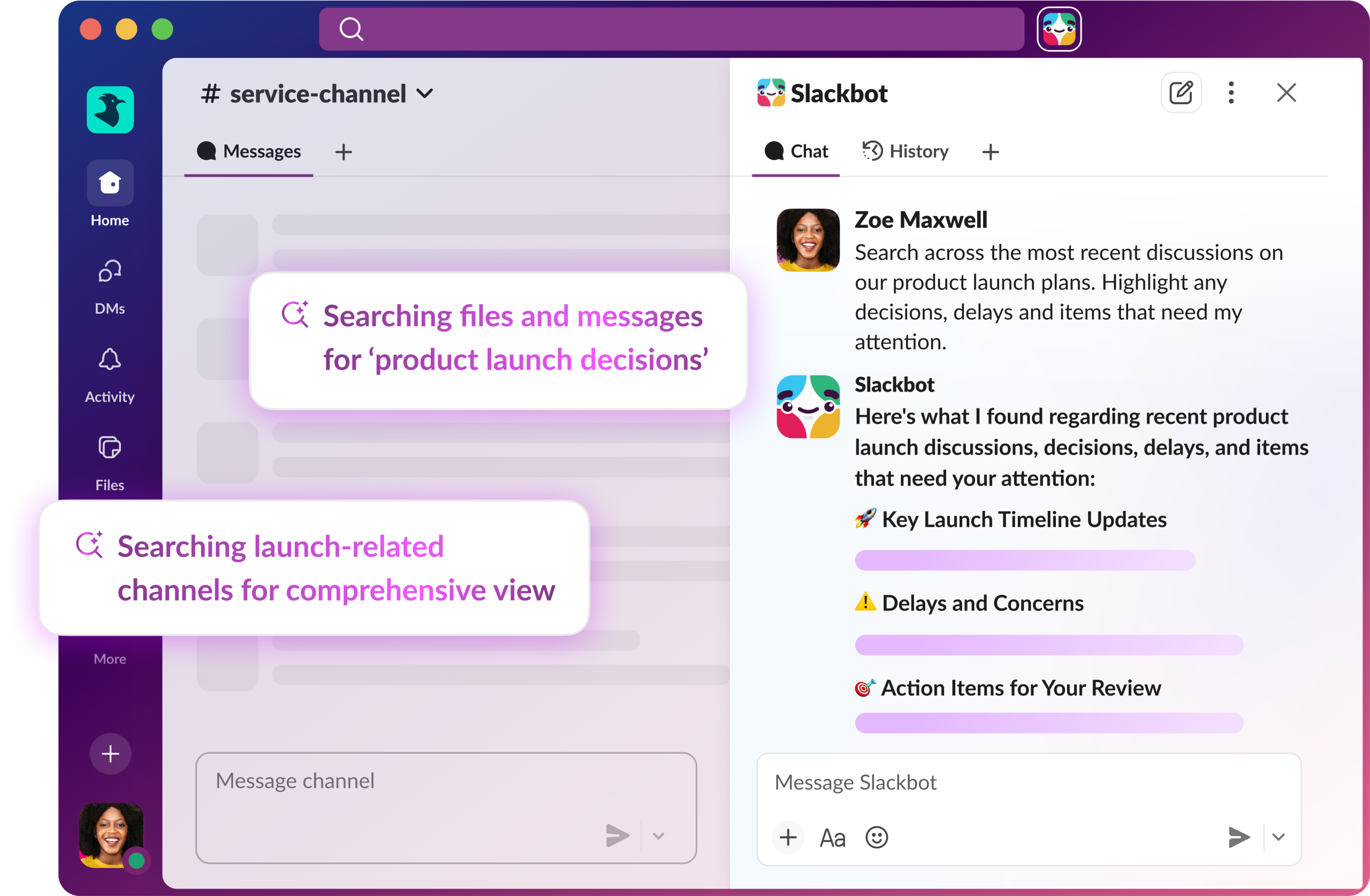
Salesforce, the global leader in customer relationship management (CRM) software, has unveiled a significantly re-engineered version of Slackbot, the familiar automated assistant embedded within its corporate messaging platform, Slack. This transformation marks Slackbot’s entry into a new era as a sophisticated artificial intelligence (AI) agent, a strategic move by Salesforce to harness the burgeoning power of generative AI and fundamentally redefine workplace productivity. Parker Harris, Salesforce’s Chief Technology Officer, has expressed ambitious hopes for this revamped tool, envisioning it achieving a level of widespread adoption and impact akin to OpenAI’s ChatGPT.
From Simple Assistant to Intelligent Agent
Historically, Slackbot served as a basic, rule-based chatbot within the Slack ecosystem. Its primary functions were to answer simple queries, deliver reminders, and provide helpful tips about using the platform. It was a utilitarian presence, a digital assistant designed for convenience rather than proactive intelligence. Users often encountered it for onboarding, basic troubleshooting, or setting up simple automated responses. This iteration of Slackbot, while functional, represented an early stage of automated assistance, lacking the nuanced understanding, generative capabilities, and cross-application intelligence that define modern AI agents.
The journey of Slack itself, acquired by Salesforce in 2021 for a staggering $27.7 billion, has been one of continuous evolution. Launched in 2013, Slack quickly became a dominant force in team communication, replacing email for many organizations and fostering real-time collaboration. Its intuitive interface, channel-based organization, and extensive integration capabilities made it indispensable for millions of workers worldwide. Salesforce’s acquisition was seen as a bold move to create a more comprehensive digital headquarters for businesses, linking communication directly with CRM data and workflows. The integration of advanced AI into Slackbot is the latest, and perhaps most significant, step in this ongoing evolution, aiming to transform the platform from a mere communication tool into an intelligent productivity hub.
The Generative AI Tsunami and Enterprise Adoption
The current technological landscape is profoundly shaped by the rapid advancements in generative AI, exemplified by the meteoric rise of large language models (LLMs) like OpenAI’s ChatGPT. Since its public debut in late 2022, ChatGPT demonstrated the immense potential of AI to generate human-like text, answer complex questions, and even perform creative tasks, capturing the public imagination and sparking an unprecedented arms race in the tech industry. This consumer-facing breakthrough swiftly translated into an enterprise imperative, as businesses recognized the transformative potential of such AI capabilities for improving efficiency, automating tasks, and enhancing decision-making.
Companies across all sectors began to explore how generative AI could be integrated into their existing products and workflows. For enterprise software providers, the challenge and opportunity were particularly acute. The ability to embed AI that could understand natural language, synthesize information, and execute complex actions promised a new paradigm for user interaction, moving beyond rigid menus and commands to more intuitive, conversational interfaces. Salesforce, with its vast customer base and deep roots in business applications, was strategically positioned to capitalize on this shift, viewing AI as not just an add-on, but a core component of its future offerings.
Salesforce’s Strategic Imperatives
Salesforce’s commitment to AI predates the recent generative AI boom. The company launched Einstein AI in 2016, an embedded AI layer designed to bring intelligence to its CRM platform, offering features like predictive analytics, recommendation engines, and automated workflows. However, the advent of generative AI presented a new horizon, promising capabilities far beyond traditional machine learning. The remodeled Slackbot, initially announced at Salesforce’s annual Dreamforce conference last October, represents a significant piece of the company’s broader, AI-heavy product strategy. This strategy, encompassing initiatives like Einstein Copilot and Data Cloud, aims to infuse AI across the entire Salesforce ecosystem, making it a central pillar of every interaction and workflow.
Parker Harris underscored the profound shift, stating that the next-generation Slackbot is "completely different" from its predecessor. Despite this fundamental overhaul, the company opted to retain the familiar "Slackbot" name, leveraging its existing brand recognition and user familiarity to ease the transition and foster adoption. This decision reflects an understanding that while the underlying technology is revolutionary, maintaining a recognizable interface can mitigate resistance to change. Unlike Slack’s typical incremental product updates, this AI-driven evolution of Slackbot is positioned as a distinct new feature, highlighting its transformative nature and the significant investment it represents.
Capabilities and Cross-Platform Integration
The newly launched AI agent version of Slackbot is now generally available for Business+ and Enterprise+ customers, offering a suite of advanced functionalities designed to streamline daily tasks. Its core capabilities include the ability to quickly retrieve specific information from vast internal knowledge bases, draft professional emails based on user prompts, and efficiently schedule meetings by coordinating calendars and availability. These actions can all be performed seamlessly within the Slack platform, minimizing the need for users to switch between applications.
A key differentiator for the enhanced Slackbot is its capacity for deep integration with other prevalent enterprise applications. With appropriate user permissions, it can connect to and interact with external platforms such as Microsoft Teams and Google Drive. This interoperability allows Slackbot to fetch documents, locate relevant data, and even initiate actions across these disparate systems, all without users ever having to leave the Slack interface. This "super agent" functionality, as Harris described it, aims to combat the pervasive problem of "app fatigue," where employees constantly juggle multiple applications, losing time and context in the process. By creating a central, intelligent hub within Slack, Salesforce seeks to foster a more integrated and efficient digital workspace, positioning Slackbot as a proactive "employee agent" that anticipates needs and executes tasks autonomously.
Navigating the Competitive Landscape
The move to elevate Slackbot into a powerful AI agent is not occurring in a vacuum. The enterprise software market is currently embroiled in an intense AI arms race, with major players like Microsoft and Google aggressively integrating generative AI into their own productivity suites. Microsoft has introduced Copilot across its 365 ecosystem, offering AI assistance within Word, Excel, PowerPoint, Outlook, and Teams. Similarly, Google Workspace has unveiled its own suite of AI-powered tools, including help with drafting emails in Gmail and generating content in Docs. These offerings present direct competition to Salesforce’s vision for an AI-powered workplace.
Salesforce’s strategy with Slackbot aims to differentiate itself by emphasizing a deep, contextual understanding within the Slack environment, coupled with robust cross-platform capabilities. The success of this strategy hinges on Slackbot’s ability to deliver genuinely valuable and intuitive experiences that go beyond simple automation, providing truly "agentic" intelligence that anticipates user needs and proactively assists. The competitive stakes are high, as companies vie to become the indispensable AI-powered backbone of modern business operations. The ability to attract and retain users through superior AI functionality will be crucial in preserving and growing market share in this rapidly evolving landscape.
Internal Adoption and Future Trajectory
Salesforce rigorously tests its new products internally for several months before public release, a practice Harris lightheartedly refers to as "drinking their own champagne." This internal validation process is crucial for refining user experience and ensuring product-market fit. In the case of the new Slackbot, Harris reported unprecedented internal adoption rates, making it the most widely embraced internal tool the company has ever released. This organic, non-mandated adoption among Salesforce employees provides a strong indicator of the product’s immediate utility and appeal. "Just seeing the sheer active user count is a great sign we have hit on product-market-fit," Harris noted, emphasizing that the tool’s value resonated with users without requiring top-down directives.
The current iteration of Slackbot is just the initial phase of its "second bloom" as an AI agent. Salesforce has a clear roadmap for future enhancements, aiming to expand its capabilities beyond its current text-based interaction within Slack. Future plans include the integration of voice capabilities, allowing users to interact with Slackbot through natural spoken commands, further enhancing its accessibility and ease of use. Additionally, the company envisions Slackbot gaining the ability to browse the internet alongside its users, providing real-time information and context directly relevant to ongoing conversations and tasks. These planned advancements suggest a vision for Slackbot as an increasingly ubiquitous and intelligent digital companion, deeply integrated into the fabric of daily work. Harris expressed strong confidence in this strategic direction, stating, "I am very confident that investing in Slackbot is not only good for Slack, it will be incredibly good for the entire company."
Potential Impacts and Considerations
The widespread deployment of an advanced AI agent like the new Slackbot carries significant implications for the future of work. On one hand, it promises substantial gains in productivity, potentially freeing employees from mundane, repetitive tasks and allowing them to focus on more strategic and creative endeavors. The seamless integration across multiple enterprise applications could reduce digital friction, fostering a more fluid and less fragmented work experience. For businesses, this translates to improved operational efficiency, better resource allocation, and potentially enhanced employee satisfaction.
However, the proliferation of AI agents also raises important considerations. Data privacy and security are paramount, especially as Slackbot gains access to sensitive corporate information and interacts with various enterprise systems. Salesforce must ensure robust safeguards are in place to protect data and maintain user trust. Furthermore, the ethical implications of AI, including potential biases in generated content or automated decisions, require ongoing vigilance. The impact on job roles and skill sets is another area of ongoing discussion, as some tasks traditionally performed by humans may be augmented or even automated by AI. Organizations will need to consider how to reskill their workforce and adapt to a new paradigm where human-AI collaboration becomes central.
Conclusion
Salesforce’s reinvention of Slackbot as an advanced AI agent represents a pivotal moment in the evolution of enterprise collaboration tools. By embedding generative AI at the core of its communication platform, Salesforce is not merely adding a new feature but fundamentally reshaping how businesses interact with their digital environments. With its enhanced capabilities, cross-platform integration, and ambitious future roadmap, the new Slackbot aims to become an indispensable "super agent" that drives efficiency, streamlines workflows, and transforms the very nature of workplace productivity, solidifying Salesforce’s position at the forefront of the AI-powered enterprise.