Amir Mahmud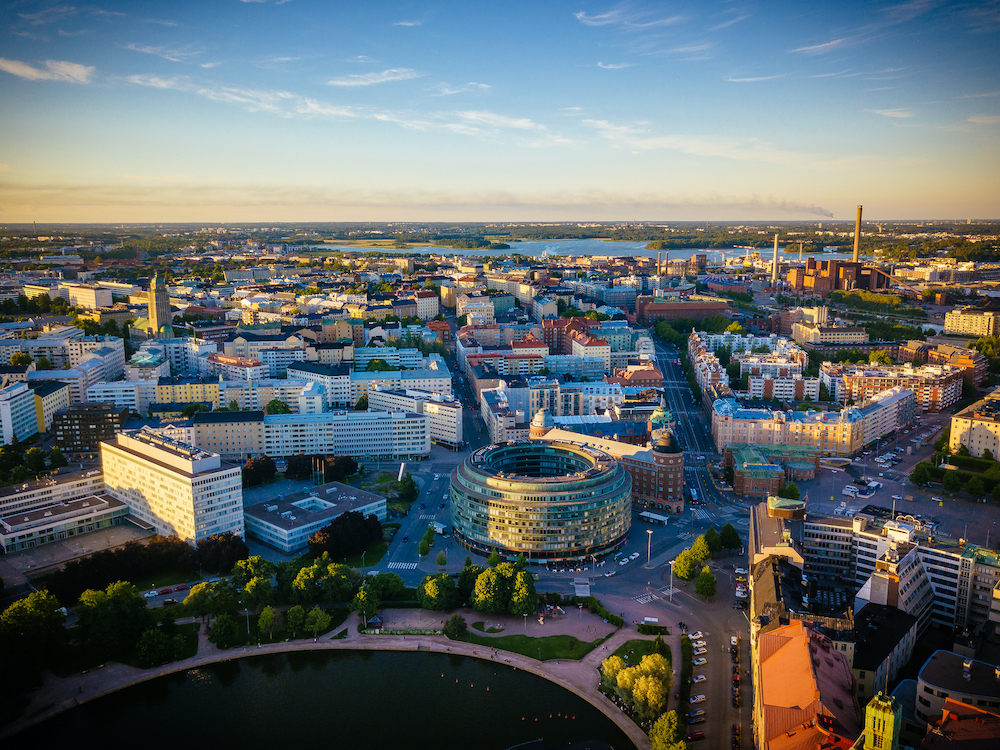
Northern Europe is experiencing an unprecedented surge in its entrepreneurial landscape, a phenomenon vividly showcased at recent industry gatherings like the Slush conference in Helsinki. This gathering served as a powerful testament to the escalating influence of the broader European innovation ecosystem, with the Nordic nations – Sweden, Finland, Denmark, Norway, and Iceland – standing out as particularly dynamic hotbeds of creativity and investment. The region is now recognized as a formidable force in global technology, with its burgeoning startup sector reaching an estimated valuation of half a trillion dollars, attracting over $8 billion in venture capital investments in 2024 alone.
Leading this charge are companies that embody the region’s unique blend of technological prowess and societal values. Sweden’s Lovable, an emerging "vibe coding" innovator, exemplifies the new generation of successful ventures capturing international attention. Alongside these fresh faces, established giants like fintech disruptor Klarna and music streaming pioneer Spotify continue to underscore the Nordics’ consistent ability to produce global industry leaders. This vibrant environment has caught the eye of seasoned observers, including Dennis Green-Leiber, the founder of the artificial intelligence company Propane, who has been immersed in the Danish ecosystem for the past 15 years. His insights offer a valuable perspective on the underlying factors fueling this remarkable growth.
A Regional Renaissance on Display
The Slush conference, annually held in Finland’s capital, has evolved into a pivotal event on the global tech calendar, drawing thousands of founders, investors, and tech enthusiasts. Its atmosphere, often described as a vibrant blend of professionalism and casual networking, perfectly mirrors the collaborative spirit prevalent in the Nordic startup scene. The event’s consistent growth and the caliber of companies it spotlights offer a tangible metric of the region’s rising stature. While Europe as a whole has seen its startup market mature, the Nordics have carved out a distinct identity, characterized by a unique combination of governmental support, societal structures, and an inherent drive for innovation. The region’s ability to consistently generate high-value companies, from consumer-facing apps to deep technology solutions, signals a fundamental shift in its economic landscape.
The Pillars of Nordic Success: Beyond Capital
The conventional wisdom often attributes startup success solely to access to capital. However, the Nordic model suggests a more nuanced equation, where societal structures play an equally, if not more, critical role. According to Green-Leiber, a fundamental differentiator is the region’s robust social safety net. Universal healthcare, comprehensive unemployment benefits, subsidized childcare, and affordable higher education significantly mitigate the personal risks associated with entrepreneurship. This comprehensive support system empowers individuals, particularly younger generations, to pursue ambitious and often risky ventures without the paralyzing fear of destitution should their endeavors fail.
This unique societal framework fosters a culture of experimentation and resilience. When the stakes of failure are primarily professional rather than existential, individuals are more inclined to take bold leaps, iterate rapidly, and learn from setbacks. Green-Leiber notes, "The newer founders, new generations, are being way more bullish and taking ownership. I have not seen, in my 15 years, anything [like] what’s going on right now." This sentiment highlights a palpable shift in entrepreneurial ambition, fueled by a supportive environment that prioritizes long-term societal well-being over short-term individual risk.
Beyond the safety net, several other cultural and structural elements contribute to this fertile ground:
- High Trust and Collaboration: Nordic societies are characterized by high levels of social trust, both among citizens and in public institutions. This fosters an environment conducive to collaboration, knowledge sharing, and ethical business practices, which are vital for building sustainable companies. Flat organizational hierarchies are common, encouraging open communication and individual contribution.
- Governmental Support and Funding: Nordic governments are not merely passive observers; they are active participants in nurturing the ecosystem. Beyond general welfare, direct funding initiatives, grants for research and development, and innovation agencies (such as Business Finland, Innovation Norway, and Vinnova in Sweden) provide crucial early-stage capital and strategic guidance. This public investment often acts as a catalyst, de-risking ventures for private investors and enabling startups to scale.
- Exceptional Digital Infrastructure: The Nordic countries were early adopters of digital technologies, investing heavily in high-speed internet and digital public services decades ago. This robust digital backbone provides a seamless environment for tech companies to operate, test innovations, and reach global markets from day one.
- Quality Education and Talent Pool: Renowned for their high-quality education systems, Nordic nations produce a highly skilled workforce, particularly in STEM fields. Universities often maintain strong links with industry, facilitating research collaboration and the commercialization of academic breakthroughs. English proficiency is also widespread, making it easier for local talent to engage globally and for international talent to integrate.
A Deep Dive into Deep Tech and AI
The Nordic region is increasingly positioning itself as a global hub for deep tech and artificial intelligence. This specialization is not accidental but a result of deliberate investment in fundamental research, strong university-industry partnerships, and a culture that values complex problem-solving. Deep tech, which often involves significant scientific or engineering breakthroughs, thrives in environments with sustained public and private sector funding for long-term projects. Areas such as quantum computing, biotechnology, advanced materials, cybersecurity, and particularly AI, are seeing significant development.
The ethical considerations surrounding AI are also a point of emphasis in the Nordics. Given their strong societal values and regulatory frameworks, there’s a concerted effort to develop AI that is transparent, fair, and beneficial for humanity. This focus on "responsible AI" could become a competitive advantage, attracting talent and investment from companies and researchers who prioritize ethical development. The region’s access to rich, often anonymized, digital data sets from its highly digitized societies also provides fertile ground for training and developing AI models, while navigating strict data privacy regulations with innovative solutions.
Historical Roots of Innovation
The current startup boom is not an isolated phenomenon but rather the latest chapter in a long history of Nordic innovation. For decades, these nations have quietly contributed disproportionately to global technological advancements.
- Sweden: Home to Ericsson, a telecommunications giant that shaped the mobile phone industry, and Electrolux, a pioneer in home appliances. Sweden also gave the world Skype (co-founded by a Swede), Spotify, and Mojang (Minecraft), demonstrating a consistent capacity for consumer tech and gaming innovation.
- Finland: Though Nokia’s eventual decline is often cited, its dominance in mobile phones for decades created an immense talent pool and fostered an engineering culture that continues to bear fruit. Linus Torvalds, the creator of Linux, hails from Finland, underscoring its contribution to open-source software.
- Denmark: Known for design and engineering, Denmark is home to Lego, a global toy icon, and Vestas, a world leader in wind turbine manufacturing, showcasing an early commitment to sustainable technologies.
- Norway: While often associated with its oil and gas industry, Norway has leveraged its expertise in maritime and energy sectors to develop advanced subsea technology and renewable energy solutions. Opera Software, an early internet browser pioneer, also emerged from Norway.
- Iceland: A leader in geothermal energy, Iceland demonstrates innovation in sustainable resource management and boasts a thriving gaming and software development scene.
This legacy of engineering excellence, design thinking, and a pragmatic approach to problem-solving has laid the groundwork for the current generation of entrepreneurs. The "Nordic Model" – characterized by strong welfare states, collective bargaining, and a commitment to equality – has paradoxically created a stable, predictable environment where long-term investments in innovation can flourish.
Key Players and Investment Landscape
The success stories of Klarna and Spotify offer compelling evidence of the Nordic ecosystem’s capacity to scale globally. Klarna revolutionized the e-commerce payment landscape with its "buy now, pay later" model, expanding far beyond its Swedish origins to become a fintech behemoth. Spotify fundamentally transformed how music is consumed, building a global platform that redefined the industry. These companies not only generated significant wealth and employment but also inspired a new generation of founders, demonstrating that a global impact can indeed originate from the Nordics.
The $8 billion in venture investments in 2024 reflects increasing confidence from both domestic and international investors. While local venture capital firms are growing in prominence, global funds are increasingly looking to the Nordics for promising deep tech, AI, and sustainable solutions. This influx of capital is critical for companies to move beyond early-stage development and achieve global scale. The region’s high per capita rate of producing "unicorns" – privately held startup companies valued at over $1 billion – further solidifies its reputation as an innovation powerhouse.
The Scandinavian Model: A Global Blueprint?
The impressive trajectory of the Nordic startup ecosystem prompts a crucial question: is this model replicable elsewhere? Neutral analytical commentary suggests that while specific elements like a robust social safety net might be challenging to implement in different political and economic contexts, the underlying principles offer valuable lessons. These include prioritizing education, investing in digital infrastructure, fostering a culture of trust and collaboration, and viewing government support as an enabler rather than an impediment to innovation.
However, the Nordic model is not without its challenges. The relatively small domestic markets necessitate a global outlook from day one, requiring startups to design for international scalability. High labor costs and a strong social contract, while beneficial in many ways, can also pose challenges for early-stage companies navigating tight budgets. Attracting and retaining top global talent in the face of competition from larger, more established tech hubs like Silicon Valley or London also remains a continuous effort, requiring proactive immigration policies and appealing quality of life.
Navigating the Future: Opportunities and Challenges
Looking ahead, the Nordic startup ecosystem faces both immense opportunities and significant challenges. The ongoing discussion around an "AI bubble," for instance, resonates within the region. Green-Leiber, when asked about this, acknowledged the speculative nature of some investments, stating, "There’s tons of opportunities which haven’t been explored," while also recognizing that "some people are just putting money in bad stuff, but that’s just the risk of venture capital." This balanced perspective highlights the inherent volatility of innovation cycles and the need for judicious investment.
Future growth is likely to be driven by continued specialization in deep tech, sustainable solutions (green tech, clean energy, circular economy models), health tech, and the region’s strong gaming industry. Maintaining the "Nordic edge" will depend on continued investment in research and development, fostering an even more diverse and inclusive talent pool, and adapting to global market dynamics. As the Nordics accelerate its pace of innovation, potentially catching up to and even surpassing older, larger ecosystems, its blend of technological ambition and societal responsibility could indeed offer a compelling blueprint for future global economic development.