Amir Mahmud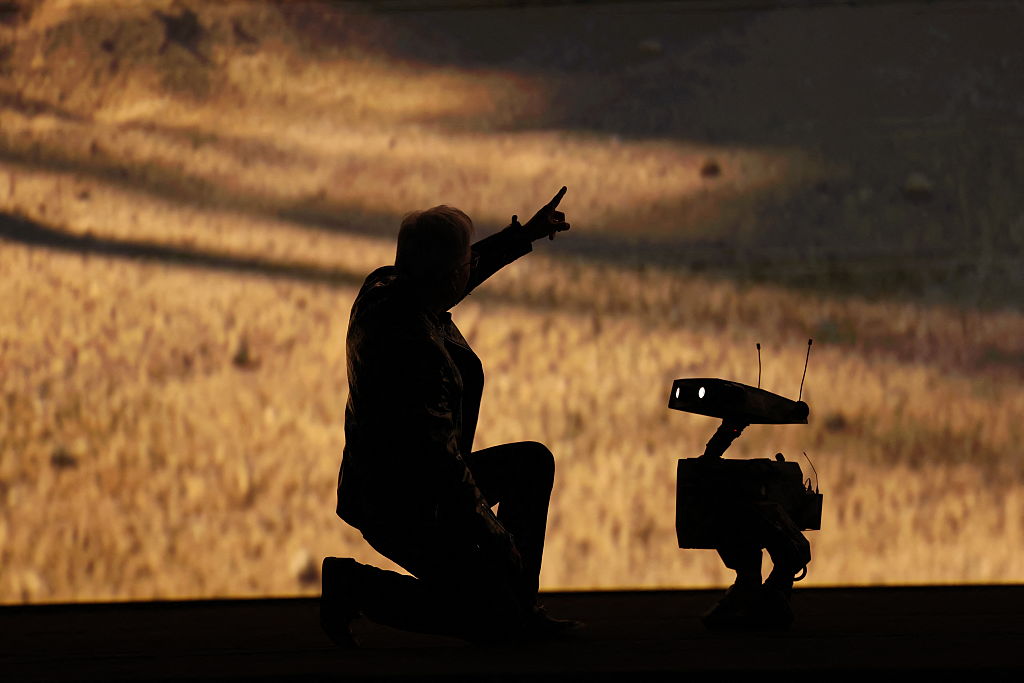
The annual Consumer Electronics Show (CES) in Las Vegas has once again concluded, leaving behind a vivid tableau of technological aspirations and tangible innovations. As industry leaders, startups, and tech enthusiasts depart the Nevada desert, a clear narrative emerges from the myriad announcements: artificial intelligence is not merely a software phenomenon but is increasingly manifesting in the physical world, driving advancements across hardware, robotics, and integrated smart ecosystems. This year’s event for 2026 underscored a pivotal shift, moving beyond the "agentic AI" conversations of previous years to a more concrete focus on "physical AI," where intelligent systems interact directly with their environments.
CES: A Historical Barometer for Tech Trends
For decades, CES has served as a crucial bellwether for the consumer technology landscape. Originating in 1967, the show has witnessed the debut and popularization of everything from VCRs and CD players to HDTVs, netbooks, and smart home devices. Its evolution reflects broader societal and technological shifts. In recent years, AI has consistently dominated headlines, first in its abstract forms—large language models, predictive analytics, and digital assistants—and now, demonstrably, in its embodied applications. This transition highlights the industry’s drive to move AI from the cloud and screens into everyday objects and operational environments, promising a future where intelligent machines are not just tools but active participants in human life.
Nvidia’s Dominance and the Rubin Architecture
Jensen Huang, CEO of Nvidia, delivered a characteristically extensive presentation, celebrating the company’s continued ascent as a foundational pillar of the AI revolution. Nvidia’s strategic positioning, from its graphics processing units (GPUs) powering complex AI models to its comprehensive software platforms, has made it an indispensable player. A cornerstone of his address was the formal introduction of the Rubin computing architecture, slated to supersede the highly successful Blackwell architecture in the latter half of the year. This new architecture represents a significant leap in computational capability, designed to address the escalating demands of increasingly sophisticated AI models. Beyond raw speed and storage enhancements, Rubin is engineered to optimize the training and deployment of AI across diverse applications, from data centers to edge devices, further cementing Nvidia’s role as the primary enabler of advanced AI computation.
Further emphasizing the push for AI in the tangible realm, Nvidia showcased its Alpamayo family of open-source AI models and development tools specifically tailored for autonomous vehicles. This initiative mirrors Nvidia’s broader ambition to establish its infrastructure as the de facto "Android for generalist robots." This strategy suggests a vision where various robotic platforms, regardless of their specific function or manufacturer, could operate on a standardized, Nvidia-powered AI framework. Such an ecosystem could accelerate the development and deployment of robotics across industries like manufacturing, logistics, healthcare, and even domestic applications, by providing a common language and robust toolkit for AI integration and control. The market implications of this strategy are vast, potentially creating a dominant platform analogous to how Android shaped the mobile computing landscape.
AMD’s Strategic Expansion in AI Processing
Complementing Nvidia’s robust presence, AMD Chair and CEO Lisa Su’s keynote focused on broadening the accessibility of AI through powerful personal computing solutions and strategic partnerships. Her presentation featured collaborative insights from prominent figures like OpenAI president Greg Brockman and AI pioneer Fei-Fei Li, signaling AMD’s commitment to fostering a wide-ranging AI ecosystem.
Central to AMD’s announcements was the unveiling of the Ryzen AI 400 Series processors. These new chips are designed to infuse AI capabilities directly into personal computers, marking a significant step towards "AI PCs." This approach aims to offload certain AI tasks from cloud-based servers to local devices, offering benefits such as enhanced privacy, reduced latency, and greater energy efficiency for common AI applications. For consumers, this could translate into more responsive AI assistants, advanced content creation tools, and immersive gaming experiences that leverage on-device AI. The competitive landscape for AI hardware is intensifying, with both Nvidia and AMD vying for market share by integrating AI more deeply into diverse computing platforms, from high-end servers to everyday laptops. This trend is poised to redefine user interactions with technology, making AI an intrinsic part of daily digital life rather than an external service.
Robotics Takes Center Stage: From Home to Heavy Industry
The emphasis on "physical AI" naturally placed robotics at the forefront of CES 2026. Demonstrations of robotic capabilities were ubiquitous, ranging from consumer-oriented prototypes to industrial collaborations. LG, a major player in home electronics, unveiled CLOiD, its latest home robot. While the initial demonstration of CLOiD performing tasks like gently moving a shirt into a dryer or placing a croissant into an oven left some observers questioning its immediate practical utility, it underscored the industry’s continued investment in developing domestic robotic assistants. The challenge for companies like LG lies in transitioning these conceptual devices into genuinely useful and affordable household companions that can overcome the complexities of unstructured home environments.
In a more industrial context, Caterpillar and Nvidia announced a pilot program for the "Cat AI Assistant." This system, demonstrated on an excavator vehicle, aims to introduce AI-driven automation into heavy construction equipment. This initiative, coupled with Caterpillar’s use of Nvidia’s Omniverse simulation resources for construction project planning and execution, signals a significant move towards enhancing safety, efficiency, and precision in hazardous and labor-intensive industries. The partnership highlights how AI and robotics are poised to transform sectors traditionally reliant on human labor, potentially leading to increased productivity and new operational paradigms.
Further solidifying the robotics trend, Boston Dynamics, known for its agile Atlas humanoid robots, revealed a collaboration with Google’s AI research lab. This partnership focuses on training and operating both existing Atlas robots and a new iteration of the humanoid platform. The involvement of Google DeepMind’s AI expertise suggests a push towards more sophisticated, adaptable, and autonomously learning robots. The implications of such advanced humanoid robots, capable of navigating complex environments and performing intricate tasks, are profound, raising both excitement about future possibilities and ongoing discussions about the ethical considerations of increasingly intelligent machines.
Consumer Tech Innovations: Blending Nostalgia and Novelty
Beyond the grand pronouncements from industry giants, CES continued its tradition of showcasing an array of innovative, sometimes quirky, consumer products. Clicks Technology debuted the Communicator, a smartphone featuring a physical keyboard reminiscent of classic BlackBerry devices. Priced at $499, with an additional $79 slide-out physical keyboard accessory, this device taps into a vein of nostalgia while offering a tactile alternative in a touch-screen-dominated market. Initial hands-on impressions praised its ergonomic design, suggesting a potential niche for users who value physical feedback for typing.
The eufyMake E1 UV printer, set to launch at $2,299, democratizes a technology previously confined to industrial settings. This personal UV printer allows individuals to directly print ink onto various objects like mugs, water bottles, and phone cases, opening new avenues for small businesses, crafters, and personalization enthusiasts. This accessibility could foster a new wave of localized manufacturing and creative entrepreneurship, echoing the impact of affordable 3D printers on rapid prototyping.
Skylight Calendar 2 introduced an advanced family planning tool with integrated AI capabilities. This device can sync calendars from multiple sources, generate to-do lists from messages or photos, and provide intelligent appointment reminders. Such innovations highlight the ongoing evolution of smart home devices, moving beyond simple automation to proactive assistance and organizational intelligence, designed to streamline the complexities of modern family life.
Industry Insights and Future Trajectories
CES breakout sessions and various presentations offered broader perspectives on the tech industry’s trajectory. Discussions ranged from the philosophical, such as Palmer Luckey’s advocacy for retro aesthetics in a forward-looking industry, to the practical implications of a rapidly changing workforce, with experts noting the end of the "learn once, work forever" era. This points to a future demanding continuous skill development and adaptability in the face of accelerating technological change.
Real estate technology also made an appearance with MyCommuters, a platform designed to optimize office space selection using comprehensive datasets on commute times, expenses, and other factors. This innovation reflects the ongoing reevaluation of work environments and hybrid models, driven by recent societal shifts, offering data-driven solutions for companies seeking ideal physical locations for their teams.
Smart Ecosystems: Amazon’s Pervasive Reach
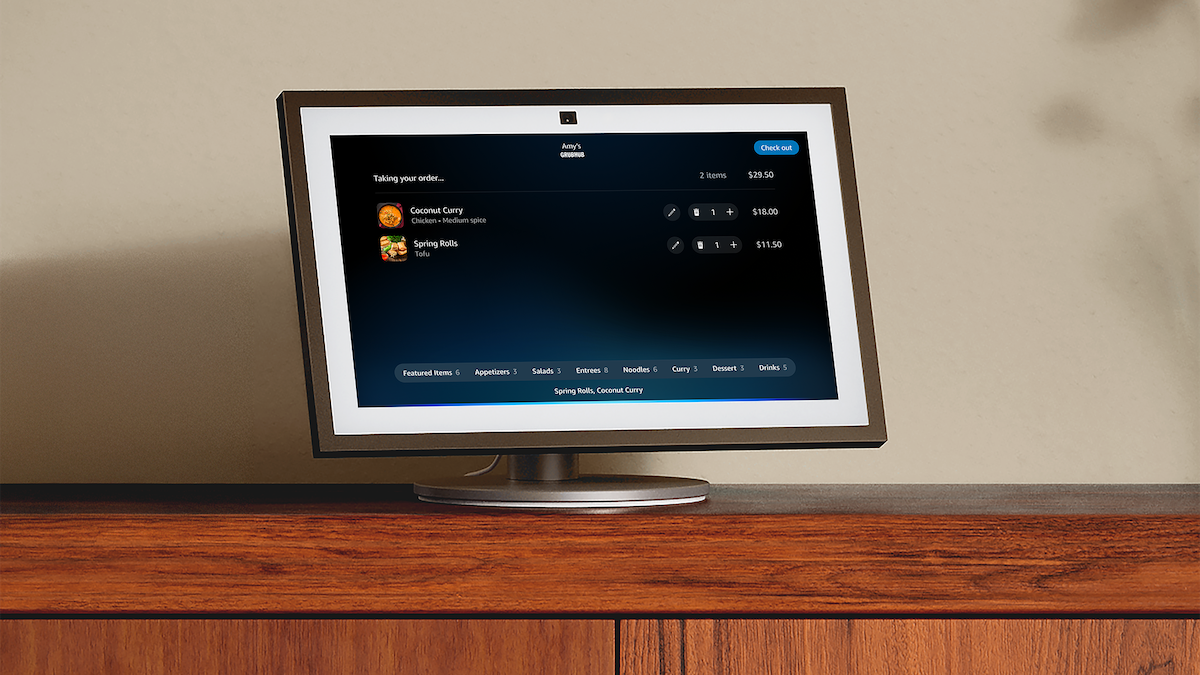
Amazon continued to expand its pervasive smart ecosystem, primarily through advancements in Alexa+ and Fire TV. The company launched Alexa.com for early access customers, enabling chatbot interactions via web browsers, alongside a revamped, bot-focused Alexa app. This move signifies Amazon’s intent to broaden Alexa’s reach beyond its proprietary Echo devices, making its AI assistant accessible across a wider array of platforms. Concurrently, Amazon revamped Fire TV and introduced its own Artline televisions, which heavily integrate Alexa+, aiming for deeper integration of AI into home entertainment and control.
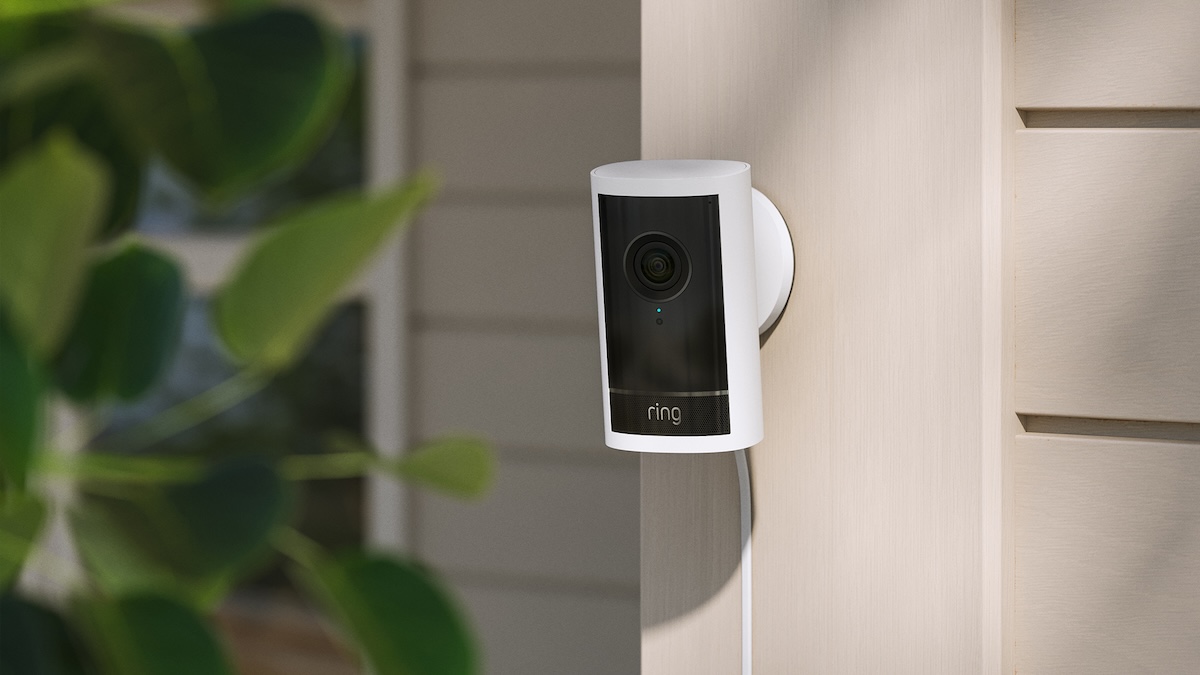
Ring, Amazon’s smart home security subsidiary, also announced several enhancements, including fire alerts, an app store for third-party camera integration, and new sensor technologies. These updates illustrate the ongoing effort to create a more comprehensive and interconnected smart home security ecosystem, continuously adding layers of functionality and interoperability. The increasing sophistication of these interconnected devices raises important considerations regarding data privacy, security, and the overall user experience within a highly integrated digital environment.
Razer’s AI-Driven Concepts and Lego’s Debut
Gaming peripheral giant Razer, historically known for its bold and sometimes outlandish hardware concepts, pivoted towards AI-driven prototypes. Project Motoko aimed to deliver smart glasses-like functionality without the physical eyewear, while Project AVA envisioned an AI companion avatar residing on one’s desk. These concepts, though speculative, reflect the industry-wide embrace of AI as a key differentiator and a new frontier for user interaction, moving beyond traditional hardware limitations.
In a surprising first appearance at CES, Lego showcased its Smart Play System behind closed doors. This innovative system features bricks, tiles, and Minifigures capable of interacting with each other and producing sounds, with the debut sets themed around Star Wars. Lego’s entry into CES, a platform typically dominated by electronics, signifies a growing convergence between traditional play and advanced technology. The Smart Play System promises a new dimension of interactive play, bridging the gap between physical construction and digital engagement without requiring screens, appealing to both traditionalists and tech-savvy children.
A Look Ahead
As the curtains close on CES 2026, the overarching message is clear: artificial intelligence is rapidly maturing and evolving beyond theoretical models into tangible, interactive applications. The pronounced focus on "physical AI" and robotics signals an era where intelligent systems will increasingly shape our homes, workplaces, and daily routines. From powerful new computing architectures and AI-infused personal devices to sophisticated robots and interconnected smart ecosystems, the innovations showcased in Las Vegas suggest a future where technology is not just smart but actively present, learning, and interacting with the world around us. The challenge for the coming years will be to navigate the complex interplay of technological advancement, ethical considerations, and user adoption to realize the full potential of this transformative wave.