Amir Mahmud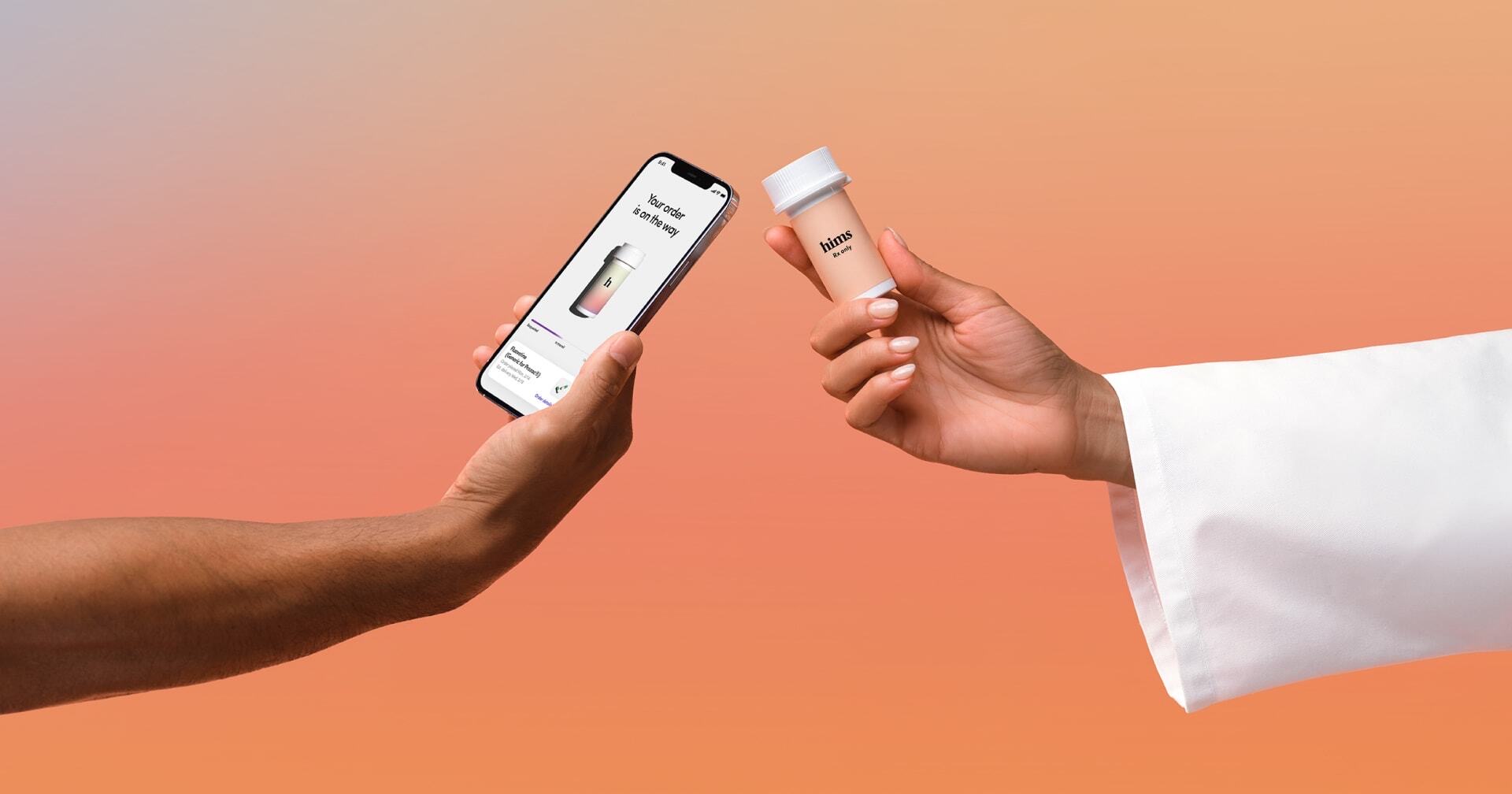
Hims & Hers, a prominent player in the rapidly expanding telehealth sector, has recently confirmed a cybersecurity incident impacting a third-party customer service platform. The breach, which occurred between February 4 and February 7, resulted in unauthorized access to sensitive customer information contained within support tickets. This incident underscores the persistent and evolving cybersecurity challenges facing digital healthcare providers, particularly those relying on extensive third-party vendor networks to manage their operations.
Details of the Compromise
According to a data breach notice filed by Hims & Hers with the California Attorney General’s office on Thursday, the unauthorized access targeted a third-party ticketing system utilized by the company’s customer support team. During the three-day intrusion period, cyberattackers successfully exfiltrated a significant volume of support tickets. These tickets, by their very nature, contained personal data submitted by customers during their interactions with the company’s service representatives.
The specific data points confirmed to have been compromised include customer names and contact information, primarily email addresses, as stated by Jake Martin, a spokesperson for Hims & Hers. The data breach notice also indicated that "other unspecified personal data" was stolen, although these details were redacted in the public filing. While the company has assured that core medical records were not directly affected by this particular breach, the inherent nature of customer support communications means that the stolen information could still be highly sensitive, potentially detailing specific health concerns, account issues, or other personal circumstances that individuals discussed with support agents. The exact number of individuals impacted by this breach remains undisclosed, though California law mandates public disclosure for incidents affecting 500 or more state residents.
The Broader Context of Telehealth Security
The telehealth industry has experienced explosive growth over the past decade, a trajectory dramatically accelerated by the global COVID-19 pandemic. Platforms like Hims & Hers, founded in 2017, capitalized on this shift by offering direct-to-consumer access to prescription medications and consultations for conditions ranging from sexual health and hair loss to mental health and weight management. This model prioritizes convenience and accessibility, often appealing to individuals seeking discreet or timely care. However, this digital transformation of healthcare also introduces complex cybersecurity challenges.
The very essence of telehealth relies on the secure transmission and storage of highly sensitive personal health information (PHI). Companies operating in this space are subject to stringent regulations such as the Health Insurance Portability and Accountability Act (HIPAA) in the United States, which mandates robust protections for patient data. While Hims & Hers asserts that patient medical records stored in their primary systems were not compromised, any data related to health inquiries, even within a customer support context, can still be incredibly personal and potentially exploitable. This incident highlights the often-blurred lines between "medical records" and other forms of sensitive health-related data within a digital healthcare ecosystem.
The Rise of Social Engineering in Cyberattacks
Hims & Hers representatives confirmed that the breach was the result of a social engineering attack. This sophisticated method of cyber intrusion preys on human psychology, manipulating individuals into performing actions or divulging confidential information. Unlike brute-force attacks that exploit technical vulnerabilities, social engineering tactics such as phishing, pretexting, or baiting leverage deception to bypass security protocols that might otherwise be robust. For instance, an attacker might impersonate a trusted entity or colleague to trick an employee into revealing login credentials or granting access to a system.
The increasing prevalence of social engineering attacks reflects a broader trend in the cybersecurity landscape. As technological defenses become more sophisticated, cybercriminals increasingly target the "human element," which often represents the weakest link in an organization’s security chain. This shift necessitates comprehensive employee training programs, strong authentication measures, and continuous vigilance to mitigate such risks. The fact that a third-party vendor’s system was compromised through social engineering further complicates the security posture, as companies are not only responsible for their own internal defenses but also for the security practices of their entire supply chain.
Implications for Users and the Industry
For the customers of Hims & Hers, the compromised data, even if limited to names and email addresses, carries significant risks. This information can be used for targeted phishing campaigns, where attackers craft highly convincing fraudulent emails or messages designed to elicit further sensitive data, such as financial details or login credentials. Given the nature of services offered by Hims & Hers, the exposure of even basic contact information could lead to highly personalized and potentially embarrassing scams. In a worst-case scenario, combining this data with information from other breaches could enable identity theft or more sophisticated fraud.
Beyond individual users, this incident poses several challenges for Hims & Hers and the broader telehealth industry. Reputational damage can be substantial, eroding customer trust in a sector where discretion and data privacy are paramount. Consumers are increasingly wary of sharing personal health details online, and breaches of this nature can reinforce anxieties, potentially slowing the adoption of telehealth services.
From an industry perspective, this event serves as a stark reminder of the critical importance of vendor risk management. Many telehealth providers rely on a complex web of third-party services for everything from scheduling and billing to customer support and data analytics. Each vendor represents a potential vulnerability point, and robust due diligence, contractual obligations for security, and continuous monitoring of third-party security postures are indispensable.
Regulatory Landscape and Future Outlook
The regulatory response to data breaches, especially in healthcare, continues to evolve. In the United States, the Federal Trade Commission (FTC) and state attorneys general, such as California’s, actively investigate and penalize companies that fail to adequately protect consumer data. While HIPAA primarily covers covered entities and their business associates regarding PHI, a breach involving sensitive health-related discussions in support tickets could still attract scrutiny, particularly if the data could be linked to specific health conditions or treatments.
The Hims & Hers incident is not an isolated event. In recent years, customer support and ticketing systems have become increasingly attractive targets for financially motivated cybercriminals. For instance, last year, Discord experienced a data breach impacting its customer support ticketing system, which led to the exposure of government-issued identification documents for approximately 70,000 users who had submitted them for age verification. These examples highlight a trend where attackers seek out these systems as a gateway to valuable customer data, often with the intent to demand ransom or sell the information on dark web marketplaces.
Lessons Learned and Path Forward
This breach serves as a critical lesson for all digital health companies: cybersecurity cannot be an afterthought. It must be an integral part of every operational layer, extending from core infrastructure to customer-facing services and third-party integrations. For Hims & Hers, the immediate priorities will include thoroughly investigating the full scope of the breach, enhancing their security protocols, and communicating transparently with affected customers about the steps they can take to protect themselves. This includes advising customers to be vigilant against phishing attempts and to monitor their accounts for suspicious activity.
Looking ahead, the telehealth sector will likely see increased pressure to invest in advanced security measures, including multi-factor authentication, robust access controls, continuous security audits of both internal and third-party systems, and comprehensive employee training on social engineering awareness. As digital healthcare continues its expansion, the trust placed in these platforms by millions of users hinges directly on their ability to safeguard the most personal and sensitive information entrusted to them. The Hims & Hers breach, while specific to one company, reverberates across the entire industry, underscoring the universal need for unwavering commitment to cybersecurity in the digital age.