Amir Mahmud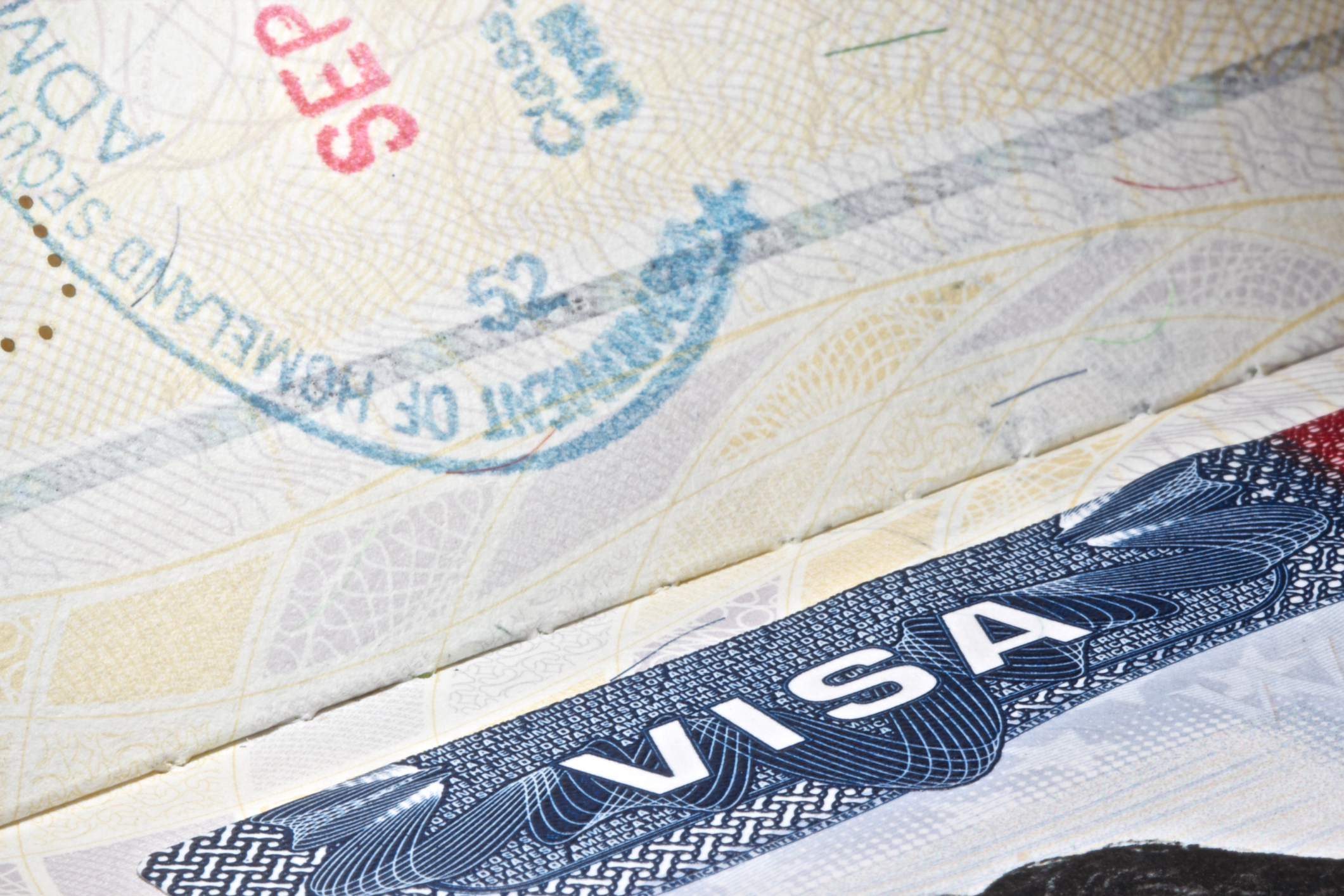
Leading technology companies, including Google and Apple, have reportedly issued advisories to their employees who are in the United States on work visas, urging them to refrain from international travel. This cautionary guidance stems from concerns over significantly prolonged visa processing times and intensified vetting procedures at U.S. embassies and consulates abroad, which could leave employees stranded outside the country indefinitely. The warnings, circulated by prominent immigration law firms representing these tech giants, underscore a growing climate of uncertainty for the skilled international workforce integral to the American innovation economy.
The reports indicate that internal communications from firms such as BAL Immigration Law, representing Google, and Fragomen, counseling Apple, have highlighted an elevated risk for individuals needing to secure a new visa stamp to re-enter the United States. A memo from Fragomen reportedly advised, "Given the recent updates and the possibility of unpredictable, extended delays when returning to the U.S., we strongly recommend that employees without a valid H-1B visa stamp avoid international travel for now." This stark recommendation reflects a shift in the predictability of a process that, while always requiring careful planning, has historically been more straightforward for employees of major corporations.
The H-1B Visa: A Cornerstone of Tech Talent
At the heart of this issue is the H-1B visa program, a non-immigrant visa that allows U.S. employers to temporarily employ foreign workers in specialty occupations. These occupations typically require a bachelor’s degree or higher in a specific field, encompassing roles in information technology, engineering, mathematics, science, and medicine. For decades, the H-1B program has been a critical pipeline for American tech companies seeking to attract and retain highly skilled talent from around the globe, filling gaps in the domestic workforce and fostering innovation.
Companies like Google, Apple, Microsoft, Amazon, and countless others rely heavily on H-1B visa holders to power their research and development, software engineering, and other advanced technical operations. The process involves two primary stages: first, an employer petitions U.S. Citizenship and Immigration Services (USCIS) for an H-1B visa on behalf of a foreign worker. If approved, the worker, if outside the U.S., must then apply for an H-1B visa stamp at a U.S. embassy or consulate in their home country to gain entry. For those already in the U.S. whose H-1B status has been extended or changed, traveling internationally often necessitates obtaining a new visa stamp to validate their re-entry. It is this "stamping" process that has become a choke point.
A Landscape of Increased Scrutiny and Policy Shifts
The current advisories are not isolated incidents but rather part of a broader trend of tightening immigration policies and increased scrutiny that has characterized recent years. While national security concerns have always been a component of visa processing, there has been a noticeable intensification of vetting procedures. A State Department spokesperson reportedly affirmed that embassies are "now prioritizing thoroughly vetting each visa case above all else," suggesting a shift in emphasis that prioritizes exhaustive checks over processing speed.
This enhanced vetting includes, but is not limited to, new requirements for social media checks. Reports indicate that hundreds of Indian professionals, a demographic heavily represented among H-1B visa holders, who traveled home in December to renew their U.S. work visas, experienced canceled or rescheduled embassy appointments due to these new requirements. The integration of social media analysis into background checks adds a layer of complexity and time to an already intricate process, requiring consular officers to sift through vast amounts of personal digital information.
Historically, U.S. immigration policies have ebbed and flowed with economic conditions and national priorities. The H-1B program itself has undergone various reforms since its inception in 1990, often in response to perceived abuses or economic demands. However, the current era has seen a concerted effort to review and modify immigration policies under the banner of "Buy American, Hire American," leading to a more restrictive environment for foreign workers. This has manifested in increased Requests for Evidence (RFEs) during the petition phase, higher denial rates, and now, significant delays in the visa stamping process.
These recent warnings from tech companies echo similar advisories issued earlier in the year. In September, several major tech employers, including Amazon, Google, and Microsoft, had already cautioned their H-1B employees against international travel, following discussions in the White House about a proposed $100,000 fee for H-1B visa applications. While that specific fee proposal did not immediately materialize, the consistent messaging underscores a climate of unpredictable policy changes and operational hurdles.
Personal and Professional Ramifications
For the individual visa holders, these travel restrictions impose profound personal and professional hardships. Many H-1B workers have deep ties to their home countries, often with family, elderly parents, or significant life events that necessitate international travel. The inability to leave the U.S. for an extended period, particularly during holiday seasons or in times of family emergency, can lead to immense emotional distress and isolation. The mental health toll of such uncertainty, coupled with the potential for prolonged separation from loved ones, is a significant, yet often unquantified, aspect of these policy shifts.
Professionally, the restrictions can disrupt career progression and personal development. Global tech companies frequently require employees to travel internationally for conferences, project collaborations, or internal meetings. These warnings effectively ground a segment of their workforce, potentially hindering project timelines, limiting cross-border knowledge sharing, and impacting the global operational fluidity that defines modern tech corporations. Moreover, the uncertainty surrounding re-entry creates an environment where employees might hesitate to accept international assignments or training opportunities, even if such travel is crucial for their professional growth.
Economic Implications and Global Competitiveness
The ramifications extend beyond individual employees and their immediate employers, touching upon the broader economic competitiveness of the United States. The tech sector thrives on innovation, which is often fueled by a diverse pool of talent bringing varied perspectives and skills. By making it more difficult and uncertain for highly skilled foreign workers to enter or remain in the U.S., there is a risk of stifling this innovative engine.
Economists and industry analysts have long argued that a restrictive immigration policy for skilled workers could lead to a "brain drain," where top talent opts to pursue opportunities in countries with more welcoming immigration frameworks, such as Canada, Australia, or various European nations. If the U.S. becomes perceived as an unreliable or unwelcoming destination for global talent, it could diminish its long-term standing as a global leader in technology and innovation. Companies might also reconsider their investment strategies, potentially shifting research and development or even entire operational units to countries where they can more easily access and retain the necessary skilled workforce.
Furthermore, the legal and administrative costs associated with navigating these complex and unpredictable immigration processes are substantial for corporations. While the exact figures are proprietary, the resources dedicated to legal counsel, compliance, and managing employee concerns represent a significant operational overhead that could otherwise be invested in innovation or expansion.
Navigating the Bureaucratic Maze
The U.S. State Department and USCIS face a delicate balancing act. On one hand, they are tasked with upholding national security and ensuring the integrity of the immigration system. On the other, they must facilitate legitimate travel and work authorizations that are vital for the nation’s economy. The increased volume of visa applications, coupled with mandates for enhanced vetting, places significant strain on consular resources. This often results in longer wait times for appointments, increased processing backlogs, and a more stringent review process, all contributing to the current delays.
Immigration law experts note that the current environment necessitates meticulous preparation and a conservative approach to international travel for visa holders. While the official stance is that all cases are thoroughly vetted, the lack of transparency regarding specific criteria for "enhanced vetting" and the duration of these additional checks leaves both applicants and their employers in a state of limbo. The absence of clear timelines makes planning virtually impossible, forcing individuals and companies to err on the side of extreme caution.
Looking Ahead: Uncertainty in the Tech Workforce
The advisories from tech giants like Google and Apple serve as a stark reminder of the volatile nature of immigration policy and its direct impact on the lives of individuals and the operations of global businesses. As the U.S. continues to grapple with its approach to skilled immigration, the tech industry, a significant beneficiary of international talent, remains in a state of flux. The challenge for policymakers will be to reconcile national security imperatives with the economic imperative to attract and retain the world’s brightest minds.
For the hundreds of thousands of H-1B visa holders currently contributing to the American economy, the immediate future holds continued uncertainty. The ability to visit family, attend to personal matters abroad, or even take a vacation outside the U.S. is now a decision fraught with risk. Until the processing backlogs are cleared, vetting procedures become more transparent, and policy becomes more predictable, the directive to avoid international travel will likely remain a difficult but necessary reality for a crucial segment of the U.S. workforce. The long-term implications for America’s standing as a global magnet for talent and innovation will depend on how these systemic challenges are ultimately addressed.