Amir Mahmud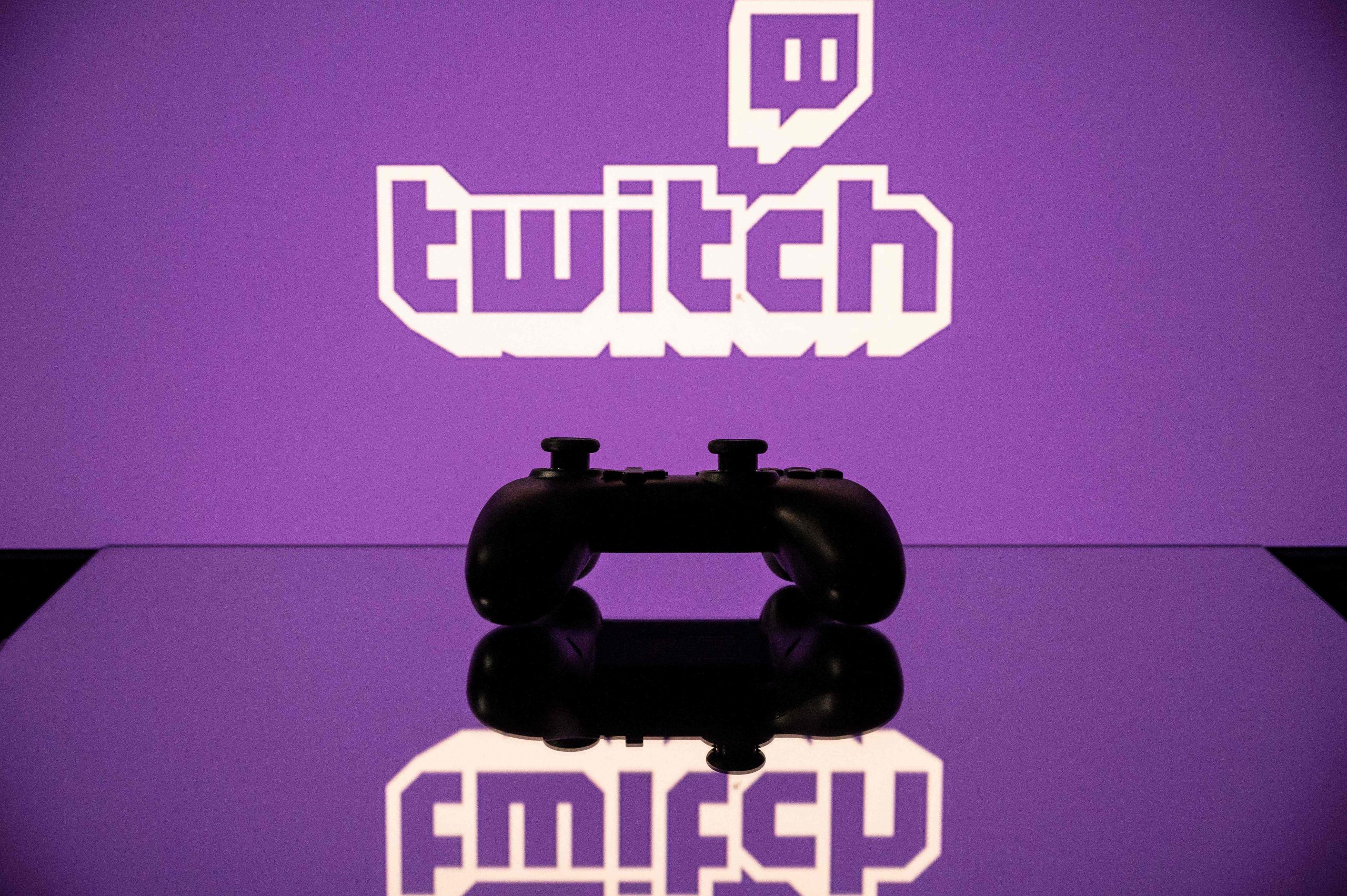
The dominant live-streaming platform, Twitch, has announced a significant restructuring of its community guidelines enforcement, moving away from its long-standing "all-or-nothing" suspension model. This pivotal shift, revealed on Tuesday, introduces a more granular approach to penalizing users for infractions, segmenting violations into specific categories that aim to tailor restrictions to the nature of the offense. Historically, a temporary suspension on Twitch meant a complete lockout from the platform, denying users access to their own channels, the ability to watch or chat in other streams, and even basic dashboard functionalities. The new framework aims to alleviate the severe, broad-stroke consequences of minor transgressions by implementing distinct streaming and chatting suspension types.
The Era of Universal Bans: Challenges and Creator Frustrations
For years, Twitch’s moderation system operated with a comparatively blunt instrument. Any temporary violation of its Community Guidelines, regardless of its severity or context, resulted in a total cessation of account privileges. This meant that a user temporarily banned for a mild chat infraction would face the same platform-wide lockout as someone suspended for a more serious content-related violation. This universal ban approach, while simpler to implement from an administrative perspective, frequently led to widespread frustration among its vast community of creators and viewers.
Twitch, owned by Amazon, has grown from a niche gaming live-streaming site into a global entertainment powerhouse, attracting millions of daily active users and supporting countless full-time content creators. This rapid expansion, however, also brought increased scrutiny and a heightened need for robust, yet fair, content moderation. The "all-or-nothing" system often proved disruptive, particularly for creators whose livelihoods depend on consistent platform presence. A temporary suspension, even for a few days, could mean a significant loss of income, disruption of scheduled content, and a break in audience engagement, all stemming from an offense that might have been limited to a single chat message.
Over the years, the platform has faced numerous public relations challenges and community outcries concerning its moderation policies. Incidents ranging from perceived inconsistent application of rules, "ban waves" that swept up both serious offenders and those with minor infractions, and controversies surrounding specific types of content (such as the "hot tub meta" or "hate raids") highlighted the limitations of a one-size-fits-all approach. Creators often voiced concerns about the lack of transparency in the appeals process and the disproportionate impact of a full ban on their ability to connect with their audience and maintain their creative momentum. This historical context underscores the pressing need for a more sophisticated and equitable system that can better differentiate between various types of harmful behaviors without unnecessarily crippling a user’s entire presence.
Introducing Nuanced Enforcement: Streaming vs. Chatting Suspensions
Under the newly unveiled policy, Twitch will now distinguish between two primary categories of temporary suspensions: streaming suspensions and chatting suspensions. This marks a fundamental shift towards a more targeted enforcement system designed to align the penalty with the specific nature of the transgression.
A streaming suspension will be imposed when a user violates Twitch’s Community Guidelines during a live broadcast. This type of penalty will prevent the account from going live, and the chat functionality on their channel will be temporarily disabled. Crucially, during a streaming suspension, the user will retain significant access to the platform. They will still be able to log in, watch other streamers’ content, participate in chats on other channels, and access their user dashboard. Furthermore, existing clips and video-on-demand (VOD) content from the suspended user will remain accessible to viewers, ensuring that past work continues to be available and mitigating the total disruption to their creative output and audience engagement.
Conversely, a chatting suspension will be issued when a user violates the Community Guidelines specifically within the chat function of Twitch, whether in their own channel or another’s. If an individual receives a chat suspension, they will be prohibited from participating in chats on other streams. However, they will still possess the ability to broadcast their own content, watch other streamers, and notably, participate in the chat of their own channel. This distinction aims to isolate the problematic behavior without impacting a user’s ability to continue their primary function as a streamer or a passive viewer. The ability to chat within one’s own channel during a chat suspension on other channels is a particularly interesting nuance, suggesting a focus on preventing disruptive behavior in broader community spaces while allowing creators to maintain a degree of control over their personal communities.
The Severity Spectrum: Minor Offenses to Indefinite Bans
While the new system introduces a degree of flexibility for minor and moderate offenses, Twitch maintains its firm stance against severe violations. As the company articulated in its official communication, "Higher severity violations present a greater risk to our community, therefore they will receive both chatting and streaming suspensions simultaneously to prevent further harm." This means that serious breaches of the Community Guidelines, such as hate speech, harassment, or dangerous content, will still trigger a comprehensive ban encompassing both streaming and chatting capabilities.
Moreover, the most egregious and harmful violations will continue to result in an indefinite suspension, leading to a complete and permanent loss of access to the Twitch platform. The company unequivocally states that "There is no place for serious violations on Twitch," reinforcing its commitment to maintaining a safe and inclusive environment.
The duration of temporary suspensions remains consistent with previous policies, ranging from 24 hours for less severe infractions up to a maximum of 30 days for more serious or repeated offenses. Twitch also reiterated that the length of a suspension will progressively increase with each new violation. Accumulating multiple temporary suspensions, even under this new segmented system, can still ultimately lead to an indefinite ban, serving as a clear deterrent against persistent problematic behavior.
Central to Twitch’s enforcement philosophy is its definition of "harm." The platform determines the severity of a violation by assessing the extent of harm it causes or has the potential to cause. This harm is broadly defined as any action that leads to physical, emotional, social, or financial damage to a user or to Twitch itself. This expansive definition underscores the platform’s commitment to protecting its community on multiple fronts, acknowledging the multifaceted impact of online misconduct.
Why the Shift? Understanding Twitch’s Motivation
The transition to a more nuanced suspension policy reflects a strategic evolution in Twitch’s approach to community governance. The primary motivation, as articulated by the company, is to ensure that "restrictions will match the specific offense committed." This move is not merely an administrative tweak; it signifies a deeper understanding of the complexities inherent in managing a massive, diverse, and often volatile online community.
From an analytical perspective, this policy overhaul can be seen as a response to several internal and external pressures. Internally, the "all-or-nothing" approach likely led to disproportionate punishments for minor infractions, potentially alienating creators and discouraging new users. By offering more tailored penalties, Twitch aims to foster a more forgiving environment for mistakes while still maintaining strict boundaries against harmful content. This could lead to improved creator retention and a healthier overall ecosystem, as streamers facing minor issues can return to their core activities sooner, minimizing the financial and social impact.
Externally, the live-streaming industry faces increasing scrutiny over content moderation practices. Advertisers are highly sensitive to "brand safety," demanding assurances that their products will not be associated with controversial or harmful content. A system that more precisely targets and punishes specific violations, rather than shutting down entire accounts for minor issues, might be perceived as a more sophisticated and responsible approach to content management, potentially enhancing advertiser confidence. Furthermore, as online platforms mature, there is a growing expectation from users and regulators for more transparent, consistent, and equitable enforcement mechanisms. This new policy attempts to address these demands by offering clearer distinctions and more proportionate responses.
Broader Industry Context and Moderation Evolution
Twitch’s move towards a segmented suspension system is not an isolated incident but rather indicative of a broader trend across the digital media landscape. Major social media and content platforms, including YouTube, TikTok, and X (formerly Twitter), have similarly grappled with the challenges of content moderation at scale. Many have moved from simple "strike" systems to more complex matrices that consider context, intent, and the severity of harm.
YouTube, for instance, employs a multi-tiered strike system for copyright and community guideline violations, often allowing creators to continue uploading while addressing specific issues. TikTok has invested heavily in AI-driven moderation alongside human reviewers to detect and act on violations, often with varying degrees of penalties based on the content type and severity. The evolution across these platforms highlights a recognition that blanket bans, while straightforward, can be counterproductive, leading to user exodus and accusations of heavy-handedness. Instead, the industry is converging on solutions that aim to educate users, provide pathways for correction, and apply sanctions that are commensurate with the offense.
The complexity of live content moderation, in particular, presents unique challenges. Unlike pre-recorded content, live streams offer little opportunity for pre-screening, making real-time detection and enforcement critical. This often necessitates a blend of automated tools and human moderation, a combination that is constantly refined. Twitch’s new policy can be seen as an effort to bring its enforcement mechanisms up to speed with the nuanced demands of its live, interactive environment, mirroring the sophistication seen in other major platforms.
Potential Impacts on Creators and Community
The ramifications of this policy change for Twitch’s vast ecosystem are likely to be significant. For content creators, the most immediate benefit is the potential for reduced disruption to their operations. A streamer who receives a chat suspension for a minor infraction will no longer face a complete lockout, allowing them to continue streaming and maintaining engagement with their audience. This could translate into greater financial stability for full-time creators and less anxiety over minor missteps. The ability for viewers to still access existing clips and VODs during a streaming suspension also helps creators preserve their content legacy and passive revenue streams.
For the broader Twitch community, this policy could foster a greater sense of fairness and transparency. When penalties are clearly aligned with specific behaviors, users may better understand the boundaries and consequences, potentially leading to more responsible conduct. However, the success of this system will hinge on its consistent and equitable application by Twitch’s moderation teams. Any perceived inconsistencies in enforcement could still undermine trust, regardless of the policy’s theoretical soundness.
There is also a potential for increased complexity in the moderation process itself. Distinguishing between different types of violations and applying the correct segmented suspension will require meticulous training for moderators and robust internal tools. Furthermore, users might seek to exploit perceived loopholes, requiring Twitch to remain vigilant and adaptable in its enforcement strategies.
Looking Ahead: The Future of Platform Moderation
Twitch’s announcement explicitly mentions that the company is "working on additional suspension types that will roll out in future updates." This suggests that the current overhaul is just one step in a continuous evolution of its moderation framework. Future iterations might introduce even more specialized categories of suspensions, perhaps targeting specific types of content violations (e.g., copyright, nudity, or specific game-related rules) with unique penalties.
The journey of content moderation on platforms like Twitch is dynamic and ongoing. As user behavior evolves, new forms of online harm emerge, and technological capabilities advance, so too must the systems designed to govern these digital spaces. This latest policy update from Twitch represents a significant stride towards a more mature and responsive approach to community safety and enforcement, signaling a commitment to balancing platform vibrancy with robust protection for its millions of users. The ultimate success of this new system will be measured not just in its design, but in its consistent application and its ability to foster a more predictable, fair, and ultimately healthier environment for all who engage with the platform.