Amir Mahmud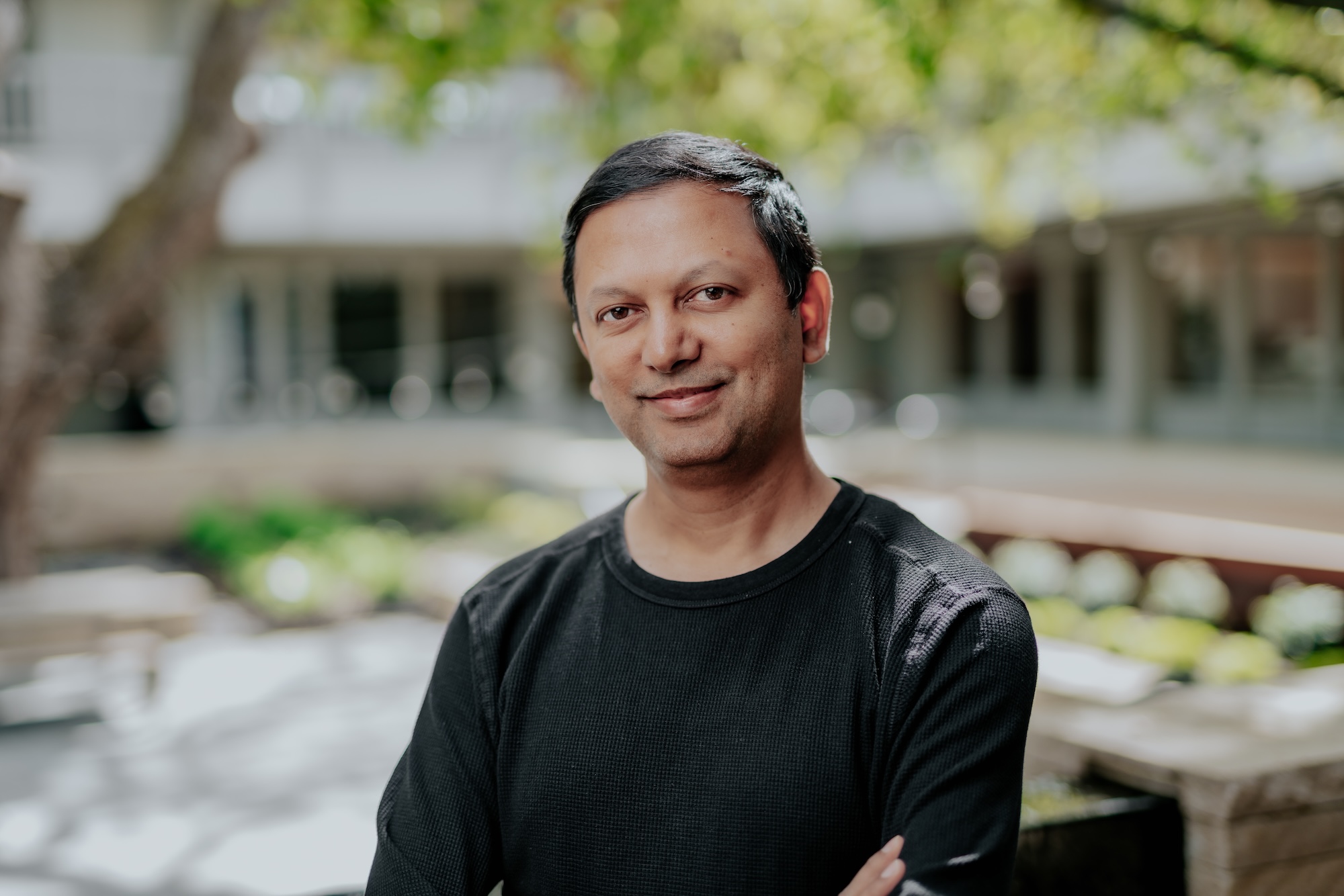
In a significant move that underscores the burgeoning potential of artificial intelligence within the enterprise sector, Sycamore, an emerging startup focused on building, securing, and orchestrating AI agents for businesses, has announced an exceptionally large seed funding round totaling $65 million. This substantial capital injection was co-led by prominent venture capital firms Coatue and Lightspeed, drawing in a formidable roster of angel investors that includes influential figures such as former OpenAI chief scientist Bob McGrew, Intel CEO Lip-Bu Tan, and Databricks CEO Ali Ghodsi, among others. The announcement positions Sycamore as a formidable contender in a rapidly expanding and fiercely competitive domain, signaling a deepening belief in the transformative power of AI agents for enterprise operations.
The Dawn of the Agentic Era in Enterprise
The current technological landscape is witnessing a profound shift, moving beyond traditional automation and even advanced machine learning models towards a new paradigm: autonomous AI agents. These sophisticated software entities are designed to perceive their environment, reason about problems, formulate plans, and execute actions to achieve specific goals, often without constant human oversight. For enterprises, this represents a leap forward, promising to revolutionize everything from customer service and supply chain management to software development and data analysis.
Historically, enterprise AI adoption has navigated a complex path. Early implementations often focused on automating repetitive tasks or extracting insights from structured data. The advent of machine learning brought predictive capabilities, allowing businesses to forecast trends and personalize experiences. However, the true promise of AI – intelligent systems capable of complex, multi-step problem-solving – remained largely aspirational due to challenges in integration, scalability, and security. Generative AI, with its ability to create new content and understand natural language, laid critical groundwork. Now, AI agents are poised to bridge this gap, offering a dynamic and adaptable layer of intelligence that can interact with diverse systems and execute intricate workflows.
A Founder’s Pedigree and a Holistic Vision
What sets Sycamore apart, and what reportedly drew such significant investor interest in a seed round, is not merely its ambitious mission but the seasoned leadership guiding it. At the helm is Sri Viswanath, a veteran technology executive whose career spans over two decades of building and scaling enterprise platforms. Unlike many founders in the nascent AI space, often emerging from academic research or recent incubators, Viswanath brings a wealth of operational experience gleaned from pivotal roles at major tech players.
Before founding Sycamore, Viswanath was a venture investor at Coatue, one of the lead investors in this very round, highlighting a deep trust and familiarity with his capabilities. Prior to his venture capital tenure, he held the critical position of Chief Technology Officer at Atlassian, where he spearheaded the company’s extensive cloud transformation efforts and scaled its engineering organization to over 7,000 professionals. His resume also includes significant contributions at Sun Microsystems, VMware, and Groupon, where he developed a reputation for architecting robust, scalable enterprise solutions. This extensive background in building and managing complex software infrastructure at a global scale provides Sycamore with a foundational advantage, reassuring investors that the company possesses the technical acumen and strategic foresight required to tackle a challenge of this magnitude.
Viswanath’s vision for Sycamore diverges from many current offerings in the AI agent market. Rather than developing a single-purpose tool designed to solve a narrow problem, Sycamore aims to construct a comprehensive "agentic orchestration layer." This platform is envisioned as a foundational infrastructure that handles the entire lifecycle of AI agents within an enterprise environment. This includes everything from the initial design and coding of agents to managing their backend infrastructure, ensuring secure operation, and orchestrating their interactions across various enterprise systems.
"Most tools take existing workflows and layer agents on top," Viswanath noted, emphasizing Sycamore’s distinct approach. His startup’s product, he explained, "starts with the problem itself and then designs and builds the right solution from scratch, whether that involves agents, backend systems, frontends, or data integrations." This holistic methodology suggests a more deeply integrated and potentially more resilient solution compared to additive or piecemeal approaches, positioning Sycamore to deliver end-to-end capabilities that address the core complexities of enterprise AI adoption. The company has reportedly already gained traction with several large enterprise customers, though their identities remain undisclosed.
Navigating a Crowded and Dynamic Arena
Despite the substantial vote of confidence evidenced by its hefty seed round, Sycamore is entering a field characterized by intense competition. The race to define and dominate the enterprise AI agent market is attracting a diverse array of players, each vying for a share of what is expected to be a multi-billion dollar industry.
The competitive landscape can be broadly categorized:
- Niche Startups: Numerous smaller startups are emerging, often focusing on highly specialized problems or specific industry verticals. Companies like Maisa AI, for example, are working on particular aspects of enterprise AI deployment.
- Well-Funded Nascent Contenders: Other new ventures, sometimes led by younger researchers, are also attracting significant capital. Isara, reportedly backed by OpenAI, raised an even larger $94 million round, highlighting the willingness of investors to pour substantial funds into promising, albeit unproven, concepts in this space.
- Growth-Stage Innovators: Beyond the seed stage, companies like Airia and Port have already demonstrated significant momentum, each securing $100 million funding rounds in recent months. These firms are actively scaling their solutions and building out their customer bases, setting a high bar for newcomers.
- Large Language Model (LLM) Providers: The developers of foundational AI models are also keen to extend their influence. OpenAI, with its "Frontier" initiative, and Anthropic, with its "Cowork" platform, are actively developing their own agent management capabilities, aiming to provide end-to-end solutions built around their proprietary models.
- Cloud Hyperscalers: Tech giants like Microsoft Azure, with its "Foundry" offerings, and Amazon Web Services (AWS), with "Amazon Bedrock AgentCore," are leveraging their massive cloud infrastructures and existing enterprise relationships to offer comprehensive AI agent development and deployment platforms. Their immense resources, established market presence, and integrated ecosystems present a formidable challenge to independent startups.
This multifaceted competition underscores the "land grab" mentality prevalent in the AI sector. Companies are racing not just to build better products but to establish industry standards and capture market share in a nascent domain where the ultimate winners are yet to be determined. For Sycamore, success will hinge on its ability to differentiate its comprehensive platform, demonstrate superior value, and execute flawlessly in a rapidly evolving technological environment.
The Broader Impact: Transforming Business and Society
The rise of enterprise AI agents, championed by companies like Sycamore, holds the potential for far-reaching impacts on business operations, labor markets, and even societal structures. From a business perspective, the promise is clear: unprecedented levels of efficiency, automation of complex workflows, and the ability to unlock new insights and capabilities previously unattainable. Imagine agents autonomously managing supply chains, optimizing logistics, personalizing customer interactions at scale, or even accelerating software development cycles by handling routine coding tasks and debugging.
This transformation could lead to significant productivity gains, allowing human employees to focus on higher-value, more creative, and strategic tasks. However, it also brings important considerations regarding the evolution of job roles. While some routine tasks may be automated, the deployment and management of AI agents will create new demands for skilled professionals in areas such as AI engineering, ethical AI governance, data privacy, and human-AI collaboration. The focus is shifting from simply automating jobs to augmenting human capabilities and creating new forms of work.
Culturally, the widespread adoption of AI agents will necessitate a re-evaluation of how businesses operate and interact with technology. Trust, transparency, and explainability will become paramount, especially as agents take on more critical decision-making roles. Sycamore’s emphasis on "secure" agents aligns with the growing imperative for responsible AI development, ensuring that these powerful tools are deployed in a manner that is both effective and ethically sound.
Strategic Backing and Investor Confidence
The composition of Sycamore’s investor base further validates its potential. Beyond the lead investments from Coatue and Lightspeed, the seed round saw participation from a diverse group of venture firms including Abstract Ventures, Dell Technologies Capital, 8VC, Fellows Fund, and E14 Fund. This broad institutional backing indicates a widespread belief in Sycamore’s long-term prospects.
The angel investor list is equally impressive, featuring luminaries who bring not just capital but also invaluable strategic insight and industry connections. Bob McGrew’s background at OpenAI, a pioneer in generative AI, offers deep expertise in the underlying technology. Lip-Bu Tan, a veteran investor and CEO of Intel, brings a perspective on hardware and deep tech. Ali Ghodsi, CEO of Databricks, represents the cutting edge of data and AI platforms. Other notable angels like Okta co-founder Frederic Kerrest, Rubrik and Wisdom AI co-founder Soham Majumdar, and Zapier and Ndea co-founder Mike Knoop bring extensive experience in enterprise software, cybersecurity, and workflow automation. Their collective involvement signals a strong vote of confidence in Viswanath’s leadership and Sycamore’s vision, potentially opening doors for partnerships and talent acquisition.
From a venture capital perspective, a $65 million seed round is exceptionally large, reflecting the high stakes and perceived potential of the enterprise AI agent market. Investors are betting that the company that can crack the code on scalable, secure, and effective agent orchestration will capture a significant portion of a market that is expected to explode in the coming years. This high-conviction investment strategy reflects a "winner-take-all" or "winner-take-most" dynamic often seen in foundational technology shifts.
The Road Ahead
Sycamore’s ambitious journey begins in a market ripe with both opportunity and intense competition. The vision of a comprehensive agentic orchestration layer is compelling, addressing a critical need for enterprises struggling to harness the full power of AI. With a highly experienced founder and significant financial backing from a prestigious group of investors, Sycamore is well-positioned to make a substantial impact. However, the ultimate measure of its success will lie in its ability to translate this vision into a robust, scalable product that can effectively navigate the complex technological and competitive currents of the emerging AI agent era. The stage is set for a fascinating evolution in enterprise AI, with Sycamore poised as a key player in shaping its future.