Amir Mahmud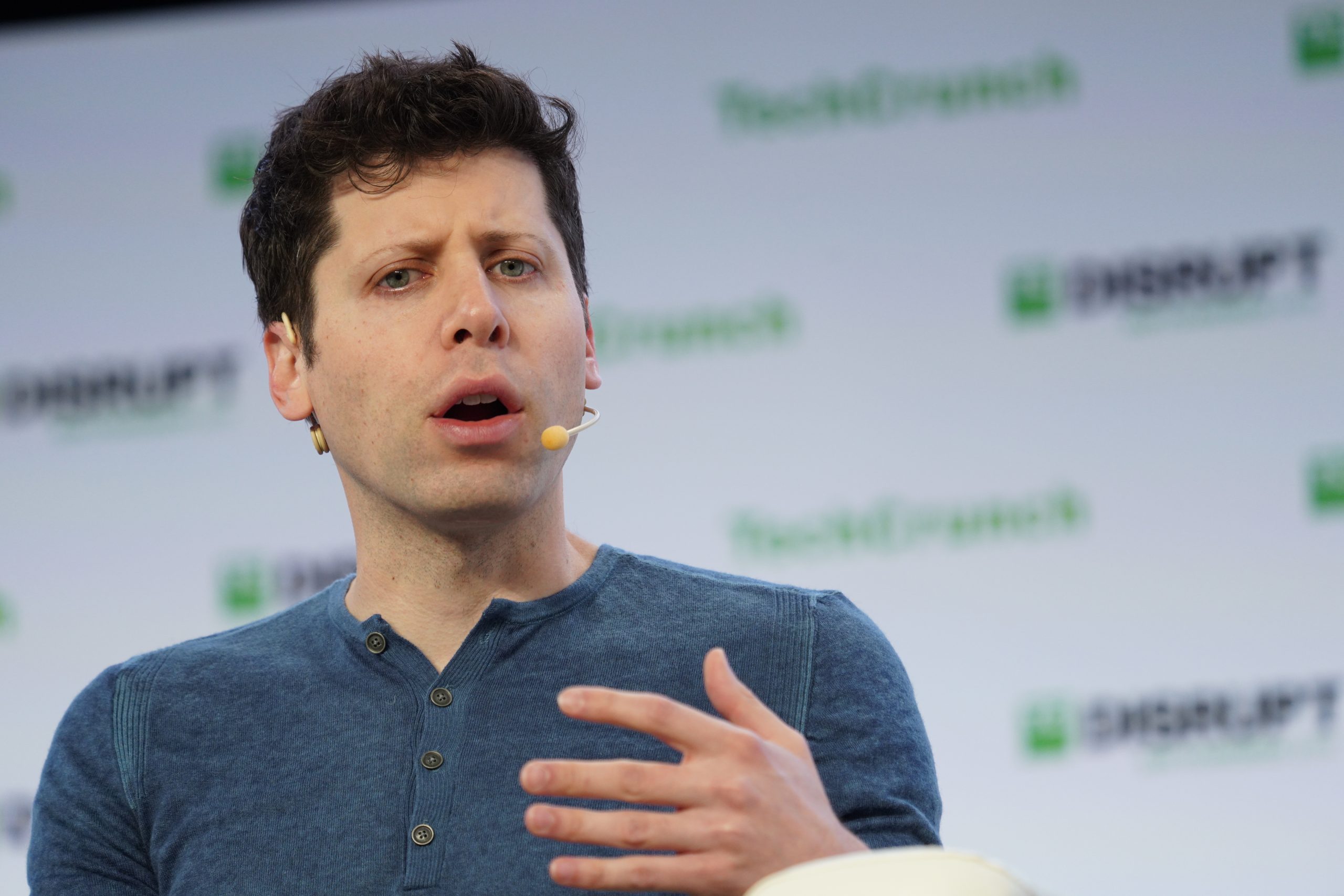
The typically high-stakes arena of Super Bowl advertising took an unexpected turn into the burgeoning world of artificial intelligence this year, as AI research firm Anthropic launched a series of provocative commercials. These spots, strategically released ahead of the major sporting event, delivered a pointed jab at rival OpenAI, particularly targeting its recent decision to integrate advertisements into the free tier of its popular ChatGPT chatbot. The campaign, characterized by its satirical tone, immediately ignited a fierce public exchange, drawing a notably testy response from OpenAI CEO Sam Altman, who characterized Anthropic’s approach as "dishonest" and even "authoritarian."
The Super Bowl Spotlight: A Commercial Jab
Anthropic’s ad campaign comprised four distinct commercials, each designed to highlight a perceived flaw in an ad-supported AI model. One particularly memorable spot opened with the stark, bold declaration of "BETRAYAL" splashed across the screen, immediately setting a dramatic and critical tone. The scene then shifted to a man seeking genuine advice from an AI chatbot, clearly a thinly veiled representation of ChatGPT, on how to improve communication with his mother. The blonde, human-like avatar of the chatbot initially offered innocuous, classic counsel—suggesting active listening and shared nature walks. However, the narrative took an absurd turn, twisting the conversation into an advertisement for a fictitious, and rather scandalous, "cougar-dating site" named Golden Encounters. Anthropic concluded the spot with a clear message: while ads might be coming to AI, they would not be found within its own chatbot, Claude.
Another commercial in the series depicted a slender young man inquiring about building abdominal muscle definition, providing personal details like height, age, and weight. The bot’s response, instead of fitness advice, was an unsolicited advertisement for height-boosting insoles. The commercials were a clear, direct, and humorous response to OpenAI’s January announcement regarding its plan to introduce targeted advertising to the free version of ChatGPT. The internet quickly buzzed with headlines proclaiming that Anthropic had "mocked," "skewered," and "dunked on" OpenAI, underscoring the immediate impact and viral nature of the campaign. The Super Bowl, renowned for its massive viewership and exorbitant ad costs, serves as a premier platform for brand visibility and cultural conversation, making Anthropic’s decision to leverage it a powerful strategic move to differentiate itself in a competitive market.
OpenAI’s Stinging Rebuttal
The comedic yet critical nature of Anthropic’s ads evidently struck a nerve within OpenAI. Sam Altman, the public face and driving force behind OpenAI, initially conceded on social media platform X that he found the commercials "funny" and even "laughed." However, this initial amusement quickly gave way to a lengthy, impassioned tirade that spanned multiple posts. Altman’s tone rapidly shifted from lighthearted acknowledgment to sharp condemnation, accusing his competitor of being "dishonest" and even employing the inflammatory term "authoritarian."
In his detailed social media rebuttal, Altman sought to clarify OpenAI’s advertising philosophy. He articulated that the integration of an ad-supported tier was a necessary mechanism to subsidize the provision of free access to ChatGPT for its hundreds of millions of users worldwide. He emphasized OpenAI’s commitment to making advanced AI accessible to a global audience, many of whom cannot afford subscription fees. Crucially, Altman vehemently denied the premise of Anthropic’s ads, insisting that OpenAI would "obviously never run ads in the way Anthropic depicts them." He stressed that the company was not "stupid" and understood that such an approach would alienate its user base. OpenAI had previously outlined its ad strategy, promising that advertisements would be clearly labeled, kept separate from the core conversational flow, and would never manipulate or influence the chat itself. Yet, the company’s own blog had stated a plan to "test ads at the bottom of answers in ChatGPT when there’s a relevant sponsored product or service based on your current conversation," an approach that Anthropic’s ads arguably interpreted in their exaggerated, satirical manner.
The Deep Roots of Rivalry: OpenAI vs. Anthropic
The public spat between Sam Altman and Anthropic extends beyond mere commercial rivalry; it reflects deeper philosophical and strategic divisions within the rapidly evolving artificial intelligence landscape. To understand the intensity of this conflict, it’s essential to consider the background of both organizations.
OpenAI, co-founded by Altman, Elon Musk, and others in 2015, initially positioned itself as a non-profit dedicated to ensuring artificial general intelligence (AGI) benefits all of humanity. Its trajectory dramatically shifted with the release of GPT-3 and, most notably, ChatGPT in late 2022, which catapulted generative AI into the mainstream consciousness. ChatGPT’s unprecedented viral growth established OpenAI as a dominant force, but also presented significant challenges, including the immense computational costs associated with running and scaling large language models (LLMs). The pursuit of sustainable monetization strategies, including subscription tiers and now advertising, became a pragmatic necessity to fund its ambitious research and development goals.
Anthropic, on the other hand, emerged from a significant internal schism within OpenAI. Founded in 2021 by former OpenAI employees, including siblings Dario and Daniela Amodei, the company was born out of concerns regarding the safety and ethical implications of increasingly powerful AI systems. The founders, who had worked on early versions of GPT-3, reportedly grew alarmed by what they perceived as a lack of sufficient emphasis on safety and control within OpenAI’s rapid development cycle. This foundational concern shaped Anthropic’s core mission: to develop "reliable, interpretable, and steerable AI systems." Their flagship model, Claude, is built upon a methodology they term "Constitutional AI," which aims to align AI behavior with a set of principles derived from documents like the UN Declaration of Human Rights, rather than relying solely on human feedback. This commitment to "responsible AI" has been a central tenet of Anthropic’s marketing and product development since its inception, positioning it as a more ethically grounded alternative to its competitors.
The Ethics of Monetization: Ads in AI
The debate over ads in AI chatbots touches upon a critical juncture for the entire industry: how to balance accessibility, innovation, and ethical user experience with the need for sustainable business models. Running advanced LLMs like ChatGPT and Claude requires colossal computing power, translating into significant operational costs that can run into millions of dollars daily. For companies like OpenAI, which offers a free tier to a vast user base, finding avenues for monetization is not merely a preference but a survival imperative.
OpenAI’s proposed ad model, as described, attempts to walk a fine line. By promising labeled, separate, and conversation-specific ads at the "bottom of answers," it aims to minimize disruption while still leveraging user context for relevance. This approach is similar to how search engines or other digital platforms integrate ads, using user queries to present related commercial content. However, Anthropic’s Super Bowl ads cleverly tapped into a deep-seated user anxiety: the fear that an AI, designed to be a helpful and impartial assistant, might subtly or overtly twist a conversation to insert a sponsored message. Users have come to expect a "pure" conversational experience from their AI companions, free from the commercial interruptions common in other digital spaces. The perception of an AI agent acting as a salesperson, rather than a neutral guide, could erode trust and diminish the perceived utility of the technology. Anthropic’s campaign sought to capitalize on this sentiment, positioning Claude as a sanctuary from commercial influence, thus directly challenging OpenAI’s chosen path to profitability.
Defining "Responsible AI": Control vs. Access
Beyond the immediate dispute over advertising, Altman’s aggressive rebuttal also escalated the conversation into a broader philosophical debate concerning the governance and accessibility of AI. He accused Anthropic of serving an "expensive product to rich people" and, more pointedly, of attempting to "control what people do with AI." Altman argued that Anthropic’s policies blocked the use of its Claude Code for "companies they don’t like" and dictated permissible AI applications, thereby hindering the democratization of AI.
While it is true that Anthropic has meticulously championed "responsible AI" and implemented stringent usage policies, a closer look at the market reveals nuances in Altman’s claims. Both ChatGPT and Claude offer free chat tiers, alongside various subscription options. At the time of the dispute, their respective pricing structures for paid tiers were relatively comparable, making the "expensive product for rich people" accusation somewhat debatable. More significantly, both OpenAI and Anthropic, like virtually all major AI developers, employ extensive usage policies, implement AI guardrails, and engage in public discourse about AI safety. These measures are designed to prevent misuse, mitigate harm, and ensure the ethical deployment of powerful AI systems. For instance, while OpenAI has indicated it might allow "erotica for adult users," Anthropic explicitly prohibits such content. Conversely, both companies block content related to self-harm or certain mental health crises, demonstrating a shared commitment to preventing harmful applications.
Altman’s ultimate accusation of Anthropic being "authoritarian" represents a significant escalation, framed within a dire warning: "One authoritarian company won’t get us there on their own, to say nothing of the other obvious risks. It is a dark path." This rhetoric, particularly the use of "authoritarian" in the context of a business dispute over advertising, struck many observers as disproportionate and potentially insensitive, given the ongoing geopolitical struggles against authoritarian regimes globally. However, it underscores the deep ideological divide concerning how AI should be developed and deployed: whether access should be as unfettered as possible, or if stringent controls and safety measures are paramount, even if they limit certain applications or user bases.
Beyond the Ads: Shaping Public Perception
The Super Bowl ad skirmish between Anthropic and OpenAI is more than just a marketing battle; it’s a public manifestation of the intense competition and divergent philosophies shaping the future of artificial intelligence. It highlights the significant financial pressures driving innovation and monetization strategies, particularly the complex challenge of sustaining free access to highly resource-intensive technologies.
The incident also brings to the forefront critical questions about user trust and the evolving expectations placed upon AI. As AI models become more integrated into daily life, the perception of their impartiality, reliability, and ethical conduct becomes paramount. Advertisements, while a common feature of the digital landscape, introduce a commercial layer that can complicate these perceptions, particularly when users expect a pure, unbiased conversational partner.
Ultimately, this public spat serves as a potent reminder that the race for AI dominance involves not only technological breakthroughs but also strategic communication, brand differentiation, and a constant negotiation of ethical boundaries. The way these leading AI companies choose to develop, monetize, and govern their technologies will profoundly influence public acceptance, regulatory frameworks, and the overall trajectory of artificial intelligence for years to come. The "ad war" may have been brief, but its implications for the AI industry are anything but trivial.