Amir Mahmud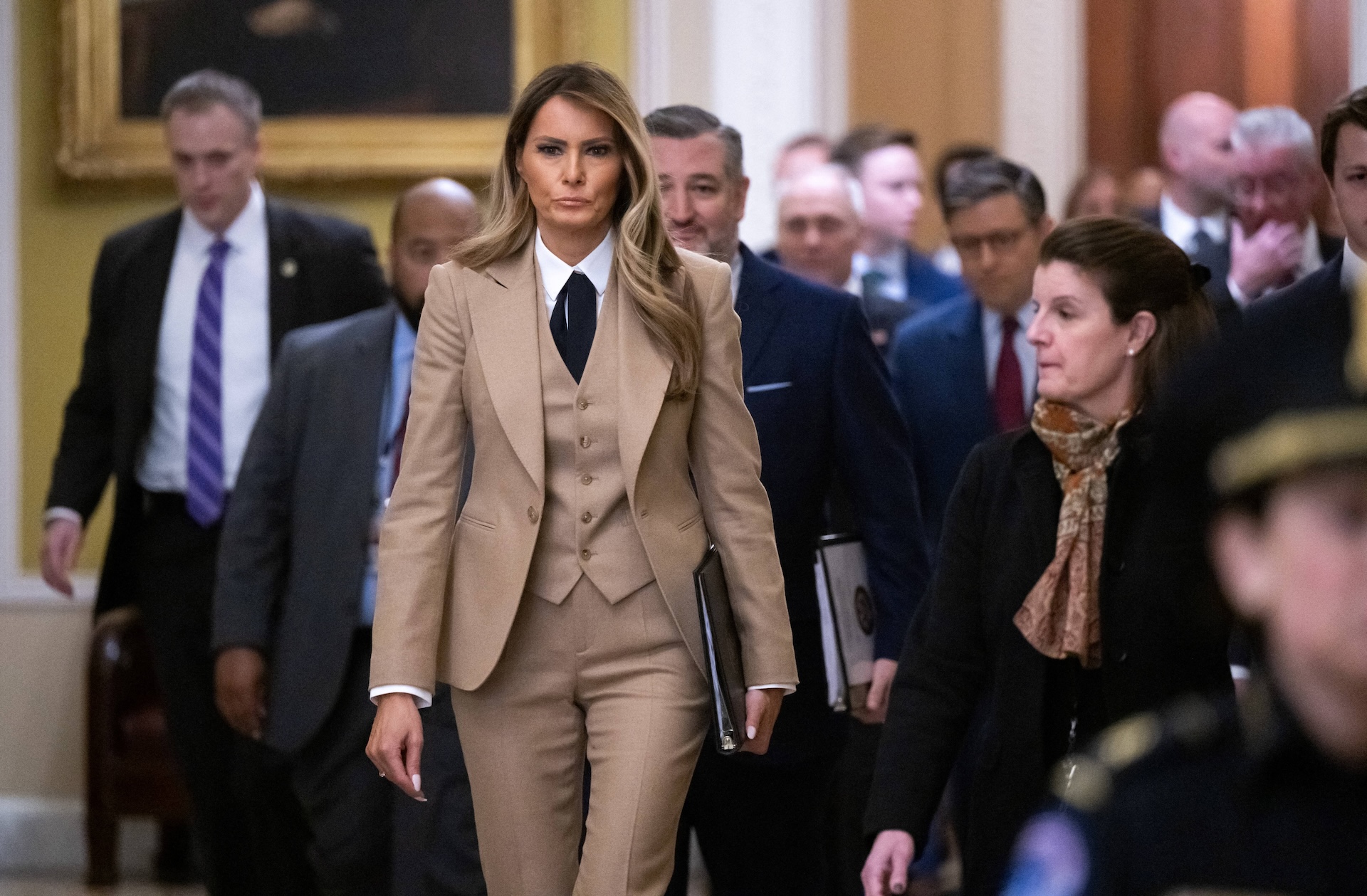
The documentary film "Melania," a cinematic exploration of former First Lady Melania Trump, has generated significant discussion following its opening weekend, where it reportedly grossed an estimated $7.04 million. This figure, while exceeding pre-release projections that hovered between $3 million and $5 million, places the film third in weekend box office rankings, trailing behind the Sam Raimi-directed thriller "Send Help," which earned $20 million, and "Iron Lung," a video game adaptation from YouTuber Mark Fischbach (known as Markiplier), which secured $17.8 million. However, the modest theatrical earnings are only one facet of a much larger and more complex narrative surrounding Amazon’s substantial investment and the film’s contentious production and reception.
Amazon’s Monumental Investment and Strategic Intent
Amazon’s commitment to "Melania" is unprecedented for a documentary. The tech giant reportedly spent $40 million to acquire the film’s distribution rights and an additional $35 million on its promotional campaign, bringing the total expenditure to an estimated $75 million. This colossal sum immediately raised eyebrows across the industry, particularly given the film’s relatively niche subject matter and the historical performance of documentaries in the theatrical market. For context, even highly successful documentaries rarely achieve such acquisition prices, leading many to question Amazon’s underlying motivations.
Industry analysts and former Amazon executives have openly speculated on the strategic rationale behind this exorbitant outlay. Ted Hope, a veteran film executive who previously worked at Amazon from 2015 to 2020, expressed profound skepticism about the deal’s commercial viability. He described "Melania" as potentially "the most expensive documentary ever made that didn’t involve music licensing," an assertion that underscores the unusual nature of the investment. Hope’s pointed query, "How can it not be equated with currying favor or an outright bribe? How can that not be the case?" encapsulates a sentiment widely shared among critics who suggest the acquisition was less about box office potential and more about cultivating goodwill or influence with the Trump administration.
The theory of "currying favor" gains traction when considering the competitive landscape. Amazon’s bid reportedly surpassed the next highest offer, from Disney, by a staggering $26 million. Such a significant premium for a film with uncertain commercial prospects points towards non-market-driven motivations. Major tech companies, including Amazon, frequently navigate complex regulatory environments and seek favorable treatment from government bodies. In this light, an investment of this magnitude could be perceived as a strategic play to influence policy decisions, secure government contracts, or mitigate potential antitrust scrutiny during a period when the Trump administration held significant sway.
The Streaming Wars and Content Acquisition Landscape
Amazon’s foray into high-stakes content acquisition is not new, but "Melania" represents a departure from its typical strategy. Historically, Amazon Studios, under its various iterations, has invested heavily in prestige dramas, critically acclaimed series, and films designed to bolster its Prime Video streaming service and compete with rivals like Netflix, Disney+, and Apple TV+. The streaming wars have driven up content costs across the board, with platforms vying for exclusive titles to attract and retain subscribers. However, these acquisitions usually align with clear demographic targets or genre appeal.
The "Melania" documentary, while undoubtedly capturing a segment of the political audience, doesn’t immediately fit the mold of a broad-appeal, subscriber-driving blockbuster typically sought by streaming giants. Amazon MGM’s head of domestic theatrical distribution, Kevin Wilson, suggested that the theatrical run is merely an "important first step in what we see as a long-tail lifecycle for both the film and the forthcoming docu-series," predicting a "significant life" on Prime streaming. This indicates that the theatrical release might serve primarily as a marketing vehicle, generating buzz before the film’s eventual debut on Prime Video, where its true value for Amazon’s subscriber base will be assessed. The hope is that it will drive subscriptions or enhance the perceived value of an existing Prime membership, even if its theatrical profitability remains elusive.
The Shadow of Controversy: Director and Production Woes
Adding another layer of complexity to the film’s release is the involvement of its director, Brett Ratner. "Melania" marks Ratner’s first directorial effort since 2017, when multiple women publicly accused him of sexual harassment and misconduct, allegations that he has consistently denied. These accusations emerged during the height of the #MeToo movement, leading to a significant pause in his career. His return to filmmaking with such a high-profile, politically charged project under Amazon’s banner has reignited debates about accountability in Hollywood and the pathways to career rehabilitation for figures embroiled in such controversies.
The production itself was reportedly fraught with internal discord. Rolling Stone reported that a significant portion of the "Melania" New York crew—approximately two-thirds—requested not to be formally credited for their work on the film. This unusual request speaks volumes about the discomfort or disapproval felt by those involved, suggesting a potential desire to distance themselves from the project for various reasons, whether due to its subject matter, the director’s past, or the perceived political implications of their involvement. Such a widespread desire for anonymity among a production crew is rare and points to underlying tensions within the project.
Critical Reception Versus Audience Engagement
The documentary faced a challenging road to critical acceptance. Unlike many films vying for awards or mainstream appeal, "Melania" was notably not screened for critics in advance of its release. This decision often signals a lack of confidence in the film’s critical reception, and in this instance, those fears proved well-founded. Upon release, reviews were overwhelmingly negative. On Metacritic, a review aggregator, the film currently holds a dismal score of 7%, categorized as "overwhelming dislike." Rotten Tomatoes, another prominent aggregator, registers an equally low 10%.
The New York Times film critic Manohla Dargis characterized the documentary as "a very circumscribed and carefully stage-managed chronicle of Mrs. Trump’s day-to-day life" during the 20 days leading up to President Trump’s 2025 inauguration. This critique highlights a common complaint: that the film offers little in the way of genuine insight or critical examination, instead presenting a carefully curated, largely unchallenging portrayal of its subject. Such a hagiographic approach often alienates professional critics who prioritize journalistic rigor and artistic merit in documentary filmmaking.
Despite the critical drubbing, the film’s opening weekend performance, however modest, indicates that it did attract an audience, likely composed of individuals interested in the former First Lady, supporters of the Trump administration, or those curious about the controversy surrounding the film itself. The attendance of Apple CEO Tim Cook at a preview screening at the White House last weekend further underscored the film’s connection to political circles and its potential appeal beyond traditional cinematic audiences. This divergence between critical disdain and public curiosity highlights the fragmented nature of contemporary media consumption, where traditional critical consensus often holds less sway over politically aligned or niche audiences.
The Broader Implications for Tech, Media, and Politics
The "Melania" documentary’s journey from acquisition to exhibition offers a fascinating case study at the intersection of big tech, media production, and political influence. It raises crucial questions about the ethical boundaries of corporate investment in politically sensitive content. When a company like Amazon, with vast economic and political power, makes an investment that appears financially illogical but politically advantageous, it blurs the lines between commerce, entertainment, and lobbying.
The historical context of First Ladies in American media is rich and varied. From Jackie Kennedy’s iconic style to Michelle Obama’s advocacy, First Ladies have always been subjects of public fascination and media scrutiny. However, documentaries about them typically emerge from independent production houses or are backed by public broadcasting, aiming for historical documentation rather than perceived political appeasement. "Melania" stands out for its high-dollar, corporate backing and the subsequent criticisms of its potential political motivations.
Ultimately, the success or failure of "Melania" for Amazon will likely not be measured solely by its theatrical box office returns. Its "long-tail lifecycle" on Prime Video and its potential to influence brand perception, regulatory outcomes, or even future government contracts may be the true metrics of its value. The film’s controversial debut serves as a stark reminder of the evolving landscape where media content is not just entertainment but a potential instrument of corporate strategy and political maneuvering, challenging traditional notions of journalistic objectivity and artistic integrity in the process.