Amir Mahmud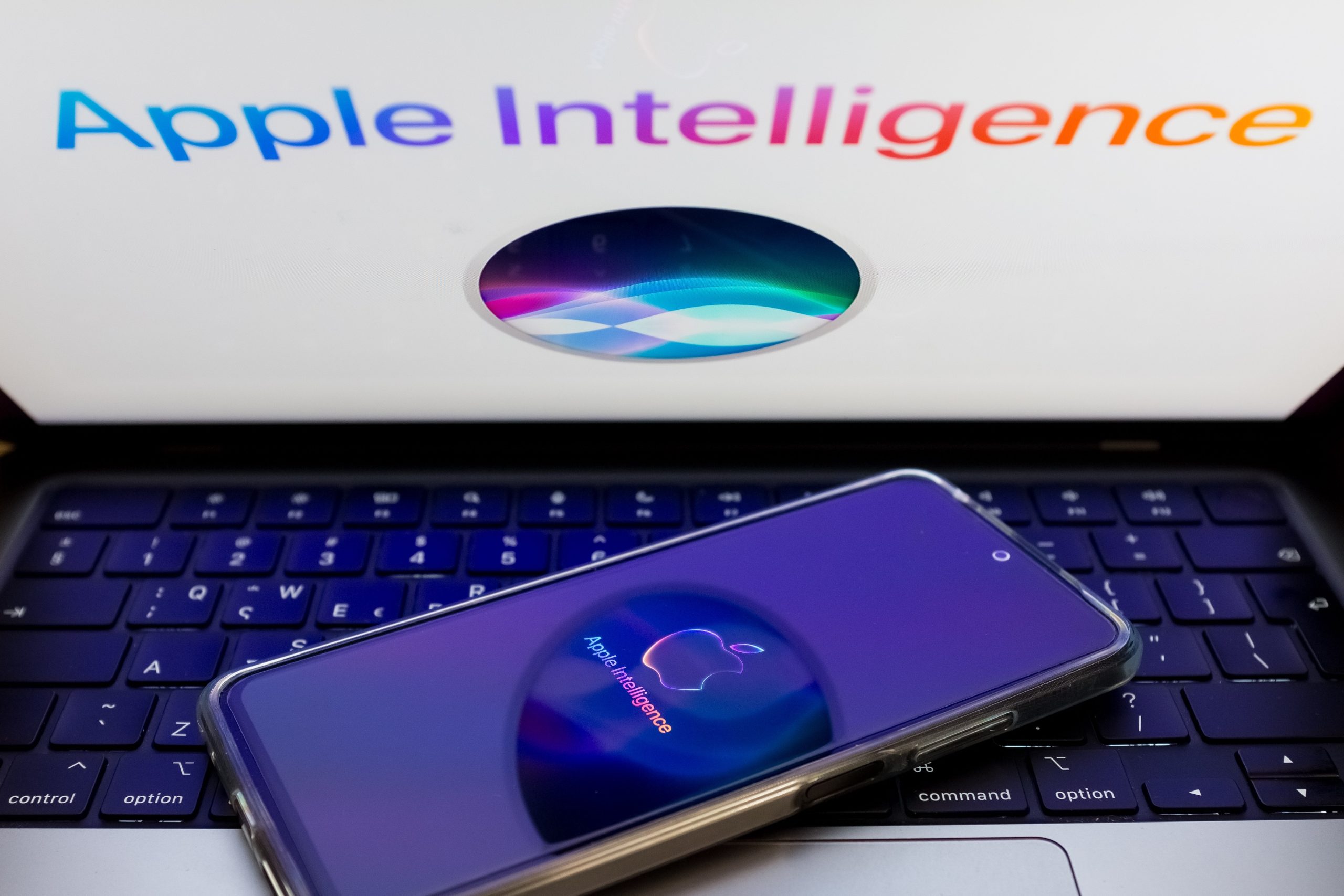
The digital assistant landscape is on the cusp of a profound transformation as reports indicate a significant evolution for Apple’s venerable conversational agent, powered by an external large language model. This strategic collaboration is anticipated to culminate in an initial unveiling as early as the latter half of February 2026, marking a pivotal moment in the tech giant’s artificial intelligence trajectory and signaling a new era for integrated, intelligent user experiences.
The Impending Transformation of a Digital Companion
This forthcoming update to Apple’s intelligent assistant is expected to represent the inaugural tangible outcome of a previously announced artificial intelligence partnership. Initially, the enhanced assistant is projected to demonstrate capabilities that leverage a user’s personal data and on-screen context, enabling it to complete intricate tasks that transcend simple voice commands. This functionality is poised to deliver on aspirations articulated by Apple in June 2024, promising a more deeply integrated and proactively helpful digital companion.
Looking further ahead, an even more substantial enhancement is reportedly slated for Apple’s Worldwide Developers Conference (WWDC) in June. This subsequent iteration is envisioned to foster genuinely conversational interactions, mirroring the sophisticated dialogue capabilities seen in cutting-edge generative AI chatbots. Speculation suggests this advanced version could potentially operate directly on cloud infrastructure provided by its AI partner, indicating a profound shift in architectural design and processing power for Apple’s on-device intelligence. The move underscores a strategic pivot, acknowledging the immense computational demands of state-of-the-art large language models and the necessity of leveraging external expertise to remain competitive.
Siri’s Journey: From Pioneering Voice to the Generative AI Era
The history of conversational AI within Apple’s ecosystem dates back to its acquisition of Siri Inc. in 2010. Launched with the iPhone 4S in 2011, Siri was a groundbreaking innovation, popularizing voice-activated digital assistance and setting a benchmark for intuitive human-computer interaction. It offered users a novel way to set reminders, send messages, and get information through natural language queries, pioneering a new frontier in mobile technology.
However, over the ensuing decade, while competitors like Amazon’s Alexa and Google Assistant emerged and rapidly evolved, Siri faced increasing scrutiny. Its capabilities, often constrained by a more rigid command-and-response structure, struggled to keep pace with the fluid, context-aware, and increasingly personalized interactions offered by rivals. The advent of generative AI, exemplified by models like OpenAI’s ChatGPT in late 2022, dramatically raised public expectations for digital assistants. These new models showcased unprecedented abilities in understanding context, generating creative text, and engaging in extended, nuanced conversations, exposing a widening gap between traditional voice assistants and the emergent capabilities of large language models. This technological chasm placed immense pressure on Apple to significantly advance its AI offerings.
The Genesis of a Strategic Alliance
Behind the scenes, Apple reportedly grappled with internal challenges in developing its own competitive large language models. Reports from various industry observers painted a picture of an organization striving to consolidate its artificial intelligence strategy and accelerate its generative AI research. This internal struggle, coupled with the rapidly evolving external landscape, created a compelling impetus for a strategic reassessment. The departure of John Giannandrea, Apple’s former head of AI and machine learning, further underscored a period of transition and re-evaluation within the company’s AI leadership. His successor now faces the monumental task of steering Apple through this transformative phase.
This backdrop set the stage for the pivotal partnership with Google. For Apple, this alliance offers a direct pathway to integrate a powerful, proven large language model without diverting significant internal resources from its core product development. It allows Apple to leverage years of Google’s investment and expertise in foundational AI research, rapidly bringing advanced generative AI capabilities to its vast user base. For Google, the collaboration represents an unparalleled opportunity to embed its Gemini AI models into hundreds of millions of Apple devices globally, expanding its reach and solidifying its position as a leading AI provider across diverse platforms. This mutual benefit highlights a pragmatism in an intensely competitive technological environment, where even traditional rivals find common ground for strategic advancement.
Unlocking New Capabilities and User Experiences
The integration of advanced generative AI promises to fundamentally alter how users interact with their Apple devices. The initial enhancements in February, focusing on accessing personal data and on-screen content, could translate into a more seamless and intuitive execution of multi-step tasks. Imagine asking your assistant to "summarize the key points from this email and draft a reply that schedules a meeting for next week," all while it understands the context of the email and your calendar availability. This level of contextual awareness and proactive task completion moves beyond simple commands, offering a genuinely intelligent layer to daily digital interactions.
The anticipated "conversational" upgrade at WWDC further amplifies this potential. A more fluid, chatbot-like interaction could allow users to engage in extended dialogues, brainstorm ideas, refine requests, and receive more nuanced and personalized responses. This could manifest in enhanced productivity tools, more dynamic content creation assistance, and a more adaptive learning experience. The potential for multimodal interaction, where the assistant processes not just voice but also images, video, and other data types, could open up entirely new paradigms for creative expression and problem-solving, deeply embedding AI into the fabric of the user’s digital life.
Market Ramifications and Competitive Dynamics
This strategic AI partnership carries substantial implications for the broader technology market. For Apple, it signifies a decisive move to reassert its relevance in the rapidly accelerating generative AI race. By integrating a leading large language model, Apple aims to bridge the perceived gap with competitors who have been more aggressive in deploying their own AI solutions. This could revitalize interest in Apple’s ecosystem, potentially boosting sales of iPhones, iPads, and Macs, and solidifying its premium market position.
For Google, the partnership validates its substantial investments in AI research and development, positioning Gemini as a premier foundational model for external deployment. This widespread integration into Apple devices could significantly increase Gemini’s usage and data feedback loops, further refining its capabilities and strengthening Google’s overall AI dominance. However, it also presents a delicate balancing act, as Google is empowering a direct competitor in the broader tech landscape.
The broader competitive landscape will undoubtedly react to this development. Rivals like Microsoft, deeply integrated with OpenAI’s technologies, and Amazon, with its Alexa ecosystem and growing AI investments, will be closely observing Apple’s progress. This move could catalyze further consolidation and strategic alliances across the industry, as companies seek to secure access to cutting-edge AI models and integrate them into their own platforms. The race to deliver the most intuitive, powerful, and seamless AI experience will only intensify, benefiting consumers with rapid innovation.
Navigating Privacy and Ethical AI
A cornerstone of Apple’s brand identity has always been its unwavering commitment to user privacy. The integration of an external large language model, especially one developed by a company whose business model heavily relies on data, raises critical questions regarding data handling, user consent, and the security of personal information. Apple will undoubtedly need to articulate a clear and transparent strategy for how user data will be processed, anonymized, and protected, particularly if some of the advanced AI processing occurs on cloud infrastructure.
The societal conversation around artificial intelligence ethics, bias, and responsible deployment is also more critical than ever. As AI becomes more deeply embedded in daily life, concerns about misinformation, algorithmic bias, and the potential for misuse grow. Apple, in collaboration with its AI partner, will bear the responsibility of ensuring that its enhanced assistant operates ethically, transparently, and in a manner that respects user autonomy and societal values. Trust will be paramount for widespread adoption, and any misstep in these areas could have significant repercussions.
The Road Ahead: Challenges and Opportunities
While the potential for this AI partnership is immense, the path forward is not without its challenges. The seamless integration of two distinct technological philosophies and corporate cultures will require meticulous execution. Ensuring that the new AI capabilities feel native to Apple’s user experience, rather than an overlaid third-party solution, will be crucial for user adoption and satisfaction. There will also be the ongoing task of managing user expectations, which have been significantly elevated by the rapid advancements in generative AI.
Looking ahead, this collaboration represents more than just an update to a digital assistant; it is a strategic repositioning of Apple in the global AI arena. It underscores the increasing interdependence of tech giants in the pursuit of advanced artificial intelligence, highlighting a future where innovation may increasingly stem from collaborative ecosystems rather than isolated development. The success of this venture could well dictate the trajectory of conversational computing for years to come, fundamentally reshaping how individuals interact with their most personal technological devices. The world watches keenly as Apple prepares to unveil this next chapter in its storied history of innovation.