Amir Mahmud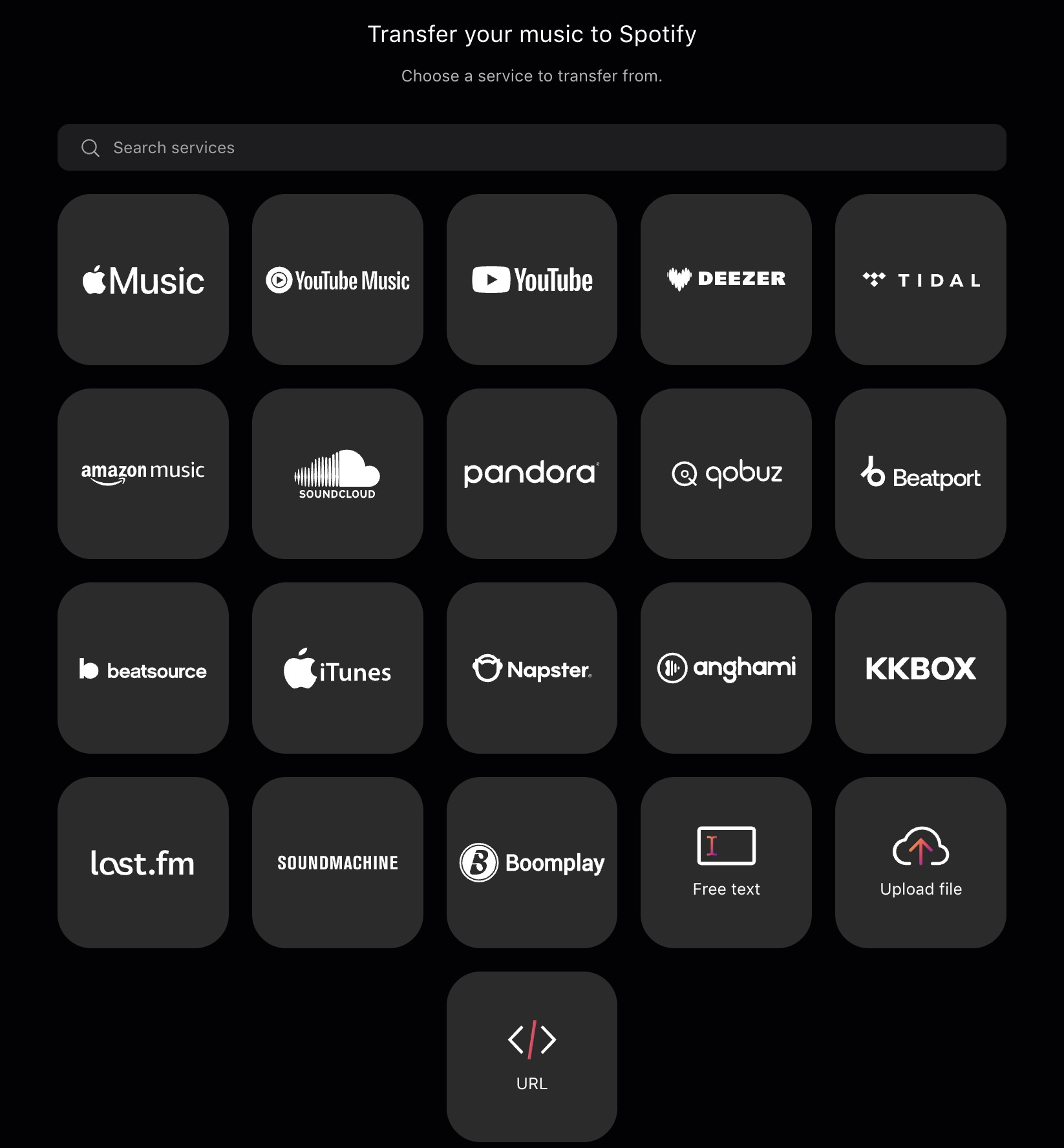
Spotify, a dominant force in the global audio streaming landscape, has unveiled a significant new integration designed to simplify the transition process for users migrating from competing services. The company announced its collaboration with TuneMyMusic, a specialized platform enabling the seamless transfer of curated music collections, specifically playlists, directly into users’ Spotify libraries. This strategic move aims to dismantle one of the primary barriers preventing music enthusiasts from exploring new platforms: the laborious task of rebuilding extensive personal music libraries and carefully crafted playlists.
The Genesis of Digital Music and the Rise of Streaming
To fully appreciate the impact of this development, it is essential to contextualize it within the evolution of digital music consumption. For decades, music acquisition and consumption were primarily tethered to physical formats like vinyl, cassettes, and CDs. The advent of the internet in the late 20th century, however, irrevocably altered this paradigm. Digital downloads, popularized by platforms like Napster and later legitimized by services such as iTunes, offered unprecedented convenience, allowing users to build vast personal collections untethered from physical media.
Yet, this era brought its own set of challenges, particularly concerning storage and portability. The true revolution arrived with music streaming services, which began to gain mainstream traction in the late 2000s and early 2010s. Companies like Pandora pioneered algorithmic radio, while services such as Rdio and eventually Spotify, launched in 2008, introduced on-demand access to expansive catalogs for a subscription fee. This model freed users from the need to own individual tracks, shifting the focus to access and discovery.
The Playlist Paradox: Convenience Meets Commitment
As streaming matured, the humble playlist emerged as a cornerstone of the user experience. Far from mere compilations, playlists evolved into deeply personal expressions, reflecting moods, activities, and social connections. Users poured hours into curating these collections, discovering new artists, organizing tracks for specific occasions, and sharing them with friends. This investment of time and emotion inadvertently created a powerful "lock-in" effect. The thought of switching to a different streaming service, even if it offered a superior interface, better sound quality, or exclusive content, was often daunting due to the perceived loss of these painstakingly built digital artifacts. Recreating hundreds or even thousands of songs across numerous playlists from scratch was simply too high a hurdle for many.
This "playlist paradox"—the very feature designed for convenience becoming a barrier to platform mobility—highlighted a significant friction point in the otherwise frictionless world of streaming. Third-party tools like TuneMyMusic emerged to address this market gap, offering independent solutions for transferring playlists between services. However, these tools often required users to navigate external websites, grant permissions, and sometimes even pay for advanced features or larger transfers, adding layers of complexity and cost.
Spotify’s Integrated Solution
Spotify’s new integration with TuneMyMusic addresses this challenge head-on by embedding the transfer functionality directly within its mobile application. This feature is currently being rolled out to all Spotify users and can be accessed intuitively from the "Your Library" section. Users can scroll to the bottom of this section, where a new option, "Import your music," will guide them through the process. By tapping this option, users are prompted to connect with the TuneMyMusic service and select the originating platform for their playlists.
The process is designed to be straightforward: users choose the external service from a list of supported platforms, authenticate their account, and then select the playlists they wish to transfer. Crucially, this operation copies the playlists rather than deleting them from their original source, ensuring no loss of data. At its inception, the integration supports a wide array of popular streaming services, including Amazon Music, Apple Music, Deezer, Pandora, SoundCloud, Tidal, and YouTube Music, among others. This comprehensive compatibility underscores Spotify’s ambition to cater to a broad spectrum of users, regardless of their current platform allegiance.
Intensifying the Streaming Wars
This development is more than just a convenience upgrade; it represents a strategic maneuver in the intensely competitive landscape of the music streaming industry, often dubbed the "streaming wars." With subscriber numbers becoming increasingly difficult to grow organically in mature markets, companies are fiercely battling for market share, often by enticing users away from rivals. Reducing friction for switchers is a potent weapon in this ongoing contest.
For years, users have been caught between a desire for choice and the practical difficulties of exercising that choice. The ease of transferring playlists lowers the barrier to entry for potential Spotify subscribers, making the prospect of switching less daunting and more appealing. This move positions Spotify as a more welcoming destination for those considering a change, potentially leading to increased subscriber acquisition and, importantly, improved retention by solidifying its position as a central hub for music consumption.
The Broader Implications for Data Portability
Beyond the competitive dynamics, Spotify’s integration also marks a notable victory for the principle of data portability. In an era where digital platforms increasingly control vast amounts of personal user data and content, the ability for individuals to move their data between services is a growing concern for consumer advocates and regulators worldwide. Concepts like the European Union’s General Data Protection Regulation (GDPR) have emphasized the right to data portability, empowering users to take their digital assets with them.
While music playlists may seem trivial compared to financial records or personal communications, they represent significant personal investment and digital property. By facilitating the transfer of these digital assets, Spotify is aligning with a broader industry trend towards greater user control and interoperability. This initiative contributes to a healthier digital ecosystem where users are not perpetually locked into a single platform simply because of the effort required to migrate their data.
Competitive Landscape and Precedent
Spotify is not the first to recognize the importance of simplifying user migration. Several of its major competitors have already implemented similar features, either natively or through partnerships. Apple Music, a significant rival, offers a built-in mechanism within its iOS and iPadOS Settings app, as well as within its Android application, allowing users to transfer music and playlists from other services directly into their Apple Music library. Similarly, YouTube Music Premium users have access to tools for importing their playlists from various external platforms, including Spotify itself.
These existing solutions highlight that Spotify’s move, while significant for its user base, is also a response to an evolving market expectation. Rather than pioneering the concept, Spotify is catching up to a standard of convenience already set by some of its peers. However, the sheer scale of Spotify’s user base and its market leadership position mean that its adoption of such a feature carries considerable weight, potentially standardizing this level of interoperability across the industry. The direct integration, bypassing the need for users to seek out external tools, may also offer a more streamlined and trusted experience compared to some existing competitor offerings.
The Business Arrangement and Future Outlook
The specifics of the commercial agreement between Spotify and TuneMyMusic have not been disclosed. However, it is reasonable to infer that this partnership is mutually beneficial. For TuneMyMusic, it provides a massive client and significantly expands its reach, potentially solidifying its position as a leading provider of music migration technology. For Spotify, the integration allows it to rapidly deploy a highly requested feature without the need for extensive in-house development, saving time and resources. Furthermore, the ability to offer unlimited playlist transfers through its platform—a service for which TuneMyMusic typically charges a premium—adds significant value for potential switchers, effectively removing a cost barrier that might otherwise deter them.
Looking ahead, this development could prompt other streaming services to either enhance their existing transfer capabilities or introduce new ones to remain competitive. The focus on user convenience and data portability is likely to intensify, pushing the industry towards a more fluid environment where users have greater agency over their digital music collections. While platform-exclusive content and unique algorithmic recommendations will continue to be differentiating factors, the ease of moving one’s personal music history may become a baseline expectation rather than a premium feature.
Ultimately, Spotify’s integration of playlist transfer functionality represents a significant step towards a more user-centric streaming ecosystem. It acknowledges the deep personal connection users have with their curated music and removes a long-standing obstacle to exploring new platforms. As the streaming wars continue to evolve, initiatives that prioritize user freedom and convenience are poised to play an increasingly critical role in shaping the future of digital music consumption.