Amir Mahmud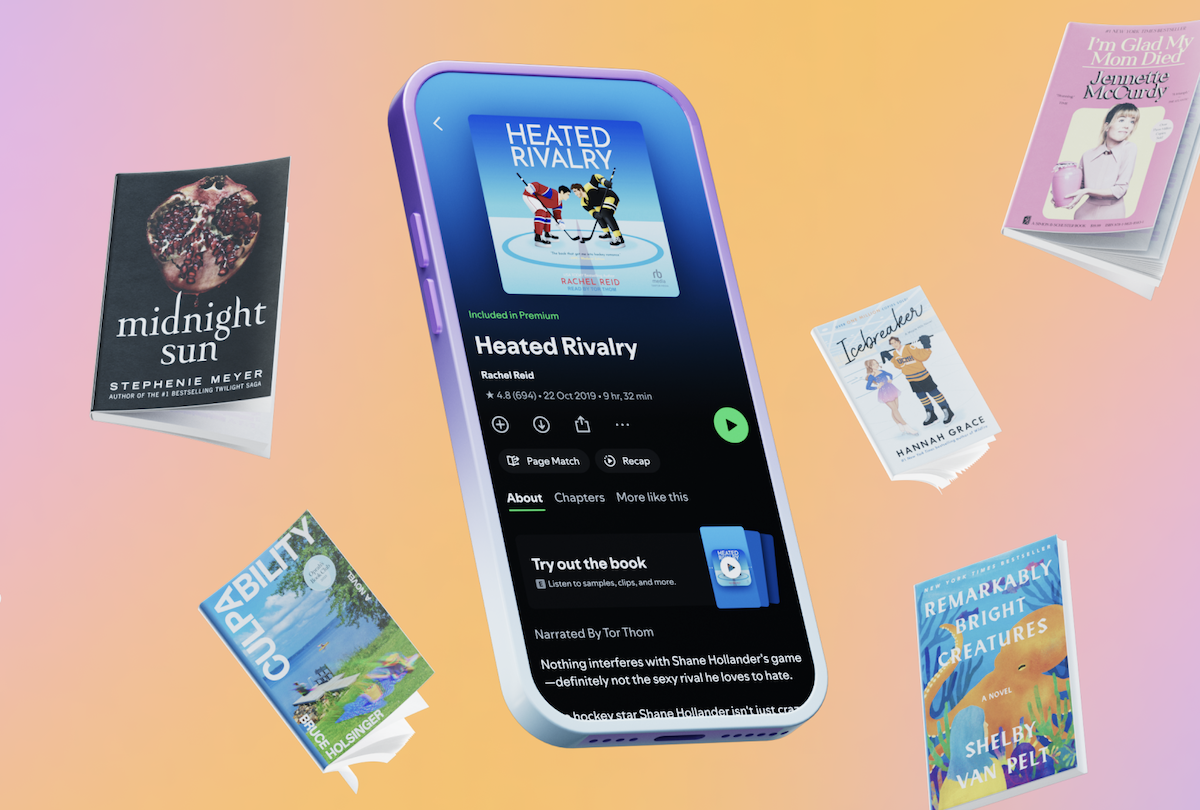
In a significant strategic expansion, Spotify has announced its foray into physical book sales, alongside the introduction of advanced features designed to enhance the audiobook experience. This move marks a notable evolution for the global audio streaming giant, traditionally known for its vast music library and, more recently, its growing audiobook catalog. The company’s latest initiative will allow users in the United States and the United Kingdom to directly purchase print editions of their favorite audiobooks through the Spotify application, fundamentally altering its purely digital content model.
Evolving the Audiobook Experience
The announcement, made on Thursday, underscores Spotify’s commitment to becoming a comprehensive platform for literary consumption. Beyond the venture into physical retail, the company is rolling out two innovative features aimed at creating a more fluid and integrated reading journey. One of these, "Page Match," offers a groundbreaking solution for hybrid readers. This tool empowers users to scan a page from a physical book, or even an e-book, using their smartphone camera, and instantly synchronize to the corresponding point within the audiobook. This seamless transition is facilitated by a sophisticated combination of Spotify’s proprietary and third-party computer vision and image scanning technologies. Available initially to premium subscribers, Page Match is slated for a broader rollout to all audiobook users by late February, signaling a commitment to a unified reading experience.
Additionally, "Audiobook Recaps," a feature previously exclusive to iOS devices, will soon extend its utility to Android users this spring. This functionality provides concise, digestible summaries tailored to the last section a user engaged with, ensuring a smooth return to their listening experience after a break. These technological enhancements reflect Spotify’s understanding of diverse consumer habits, catering to both dedicated audiobook listeners and those who enjoy switching between formats.
A Strategic Pivot into Physical Retail
Spotify’s decision to integrate physical book sales into its platform represents a bold diversification strategy. For a company built on digital streaming, the embrace of tangible products like print books signifies a recognition of enduring consumer preferences and a calculated play for a larger share of the broader literary market. This move positions Spotify directly alongside established booksellers such as Amazon, which dominates online book retail with its Kindle and Audible offerings, and traditional giants like Barnes & Noble.
The strategic rationale behind this pivot is multi-faceted. Firstly, it aims to capture the segment of readers who appreciate the tactile experience of a physical book even as they enjoy the convenience of audio. By offering both formats, Spotify seeks to become a comprehensive "one-stop shop" for book enthusiasts, deepening user engagement and loyalty within its ecosystem. Secondly, it opens new revenue streams beyond subscriptions and digital purchases, tapping into the enduring appeal and sales volume of print publications. This expansion comes at a time when Spotify has also adjusted its subscription pricing, suggesting a broader strategy to enhance perceived value and diversify income.
The Genesis of Spotify’s Audiobook Ambitions
Spotify’s journey into audiobooks began approximately two years prior to this latest announcement, marking a deliberate expansion beyond its core music streaming service. In September 22, the platform initially introduced audiobooks to its U.S. users, launching with a catalog of over 300,000 titles. This initial foray was largely driven by the burgeoning popularity of spoken-word content and the strategic imperative to diversify its offerings in a highly competitive digital entertainment landscape. The audiobook market, led for years by Amazon’s Audible, presented a ripe opportunity for Spotify to leverage its massive user base and established audio infrastructure.
Initially, audiobooks were offered on an à la carte basis, requiring separate purchases. However, recognizing the potential for deeper integration and increased subscriber value, Spotify later experimented with bundling audiobook listening hours into its premium subscriptions, a model that has seen varied implementation and user feedback. The company’s reports indicate substantial growth in this sector, with the number of users engaging with audiobooks rising by 36% over the past year and listening hours increasing by 37%. Furthermore, more than half of Spotify’s 281 million premium subscribers have interacted with an audiobook, demonstrating significant adoption and potential for further growth. This organic growth in audiobook consumption has evidently paved the way for the platform’s more ambitious leap into physical sales.
Supporting Independent Bookstores: A Unique Partnership
A distinguishing feature of Spotify’s physical book sales initiative is its partnership with Bookshop.org. This online marketplace is renowned for its business model that directs a percentage of every sale to independent bookstores. Through this collaboration, every physical book purchase made via the Spotify app will contribute directly to local, independent book communities. This alliance is particularly noteworthy, as it presents a counter-narrative to the market dominance of large online retailers.
For independent bookstores, which have long faced challenges from big-box stores and e-commerce giants, this partnership offers a vital lifeline and a new channel for visibility and revenue. It aligns Spotify with a movement that values local commerce and literary diversity, potentially attracting a demographic of users who are conscious consumers and supporters of small businesses. When users click the "Add to your bookshelf at home" button on an audiobook page within the Spotify app, they are directed to Bookshop.org’s website, which then manages the pricing, inventory, and shipping logistics. This arrangement allows Spotify to expand its product offering without directly managing complex physical retail operations, while simultaneously fostering a positive social impact.
The Broader Market Context and Cultural Impact
The book industry has undergone profound transformations over the past few decades. The rise of e-books in the early 2000s, spearheaded by devices like Amazon’s Kindle, dramatically reshaped reading habits, emphasizing portability and instant access. Subsequently, audiobooks experienced a renaissance, driven by smartphone ubiquity and the demand for convenient, on-the-go content consumption. This evolution has fostered a generation of "hybrid readers" who fluidly move between print, digital, and audio formats, often consuming the same title in multiple ways.
Spotify’s latest move acknowledges and caters to this evolving reader behavior. Page Match, in particular, is a direct response to the desire for seamless transitions between these formats, eliminating friction for those who might read a physical book at home and switch to the audiobook during a commute. This innovation not only enhances user convenience but also subtly blurs the lines between different forms of reading, reinforcing the idea that "reading" is an experience rather than a singular format.
From a competitive standpoint, this expansion poses an interesting challenge to incumbents. While Amazon’s ecosystem is vast, integrating Audible, Kindle, and physical book sales, Spotify now aims to create its own cohesive literary hub. This move could potentially chip away at Amazon’s market share in specific niches, especially among Spotify’s existing millions of users who are already accustomed to its platform for audio content. The partnership with Bookshop.org further differentiates Spotify by aligning it with a socially conscious purchasing model, which may appeal to a segment of consumers looking for alternatives to corporate giants.
Spotify’s Expanding Ecosystem and Future Outlook
Spotify’s evolution from a music streaming service to a comprehensive audio and now literary platform reflects a broader trend among tech companies to build expansive ecosystems that capture a greater share of consumer time and spending. By integrating music, podcasts, audiobooks, and now physical books, Spotify is positioning itself as an indispensable hub for entertainment and intellectual engagement. This strategy is crucial for sustained growth in a competitive digital landscape where user acquisition and retention are paramount.
The introduction of physical book sales and advanced features like Page Match could significantly boost user engagement, encouraging longer session times and deeper immersion within the Spotify environment. For consumers, the promise is greater convenience and a unified experience across their preferred content formats. For Spotify, it represents an opportunity to diversify its revenue streams, enhance its brand value, and solidify its position as a dominant player in the global entertainment market. As the company prepares to release its fourth-quarter earnings results on February 10, analysts will be closely watching how these new initiatives are perceived by the market and what impact they might have on Spotify’s financial trajectory and long-term strategic vision.