Amir Mahmud
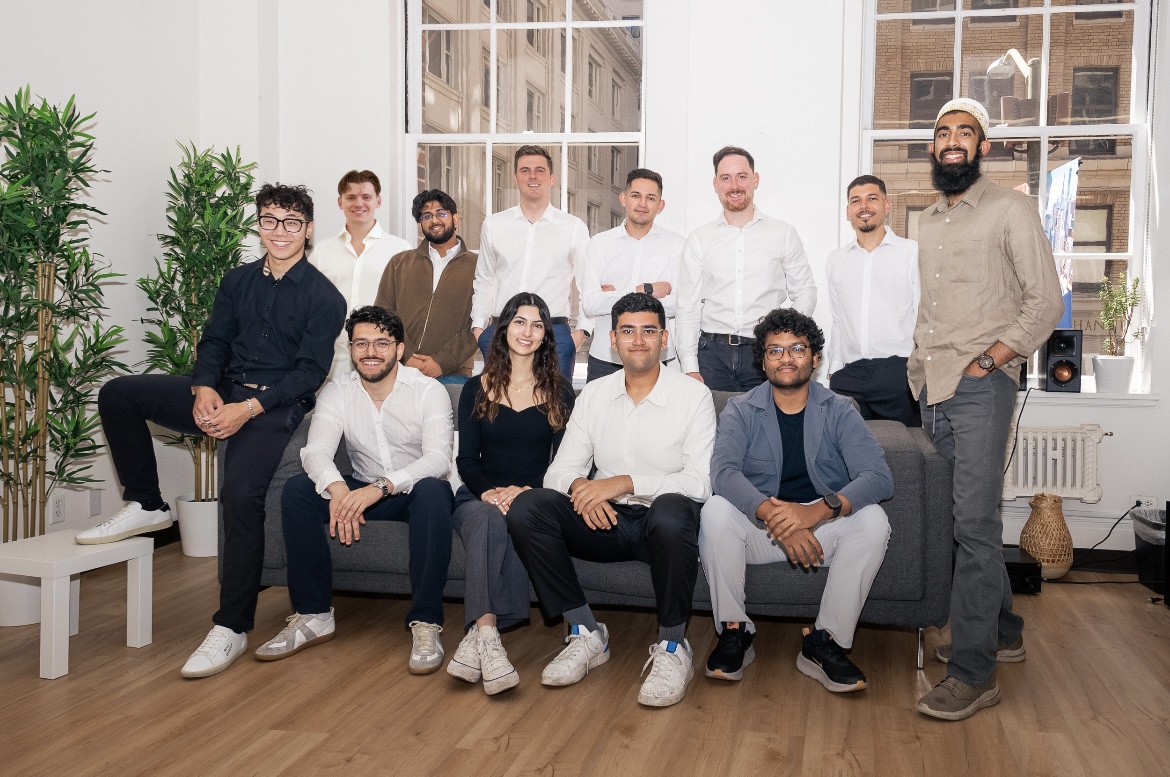
In a digital landscape often criticized for fostering superficiality and user fatigue, a new London-based dating application named Sonder is making waves by intentionally challenging conventional wisdom. Launched by a quartet of founders in their mid-twenties—Mehedi Hassan, Helen Sun, Lenard Pratt, and Hannah Kin—Sonder aims to redefine online social connection by implementing a sign-up process designed to deter casual users, coupled with a strong emphasis on fostering real-world interactions through unique events. This strategy emerges as a direct response to a pervasive sentiment among users: that the current generation of dating apps often feels less like a pathway to genuine connection and more like an unfulfilling digital chore.
The Digital Dating Dilemma: A Landscape of Burnout
The evolution of online dating has been a fascinating journey, from early, detailed questionnaires on platforms like Match.com and eHarmony in the late 1990s and early 2000s, to the revolutionary "swipe culture" introduced by Tinder in 2012. Tinder’s innovation dramatically lowered the barrier to entry, making it incredibly easy to connect with a vast number of people quickly. This accessibility, initially hailed as a boon for introverts and busy professionals, quickly led to a phenomenon known as "dating app fatigue." Users found themselves endlessly swiping through profiles, often encountering repetitive, uninspired bios—such as the ubiquitous "controversial opinion: I like pineapple on pizza"—and experiencing a paradox of choice, where an abundance of options ironically made it harder to form meaningful connections.
This pervasive dissatisfaction is not merely anecdotal. Experts in social psychology and human-computer interaction have long observed that the gamified nature of many popular dating applications can lead to a sense of dehumanization, treating potential partners as commodities to be swiped through. The constant influx of new profiles, coupled with the pressure to present an idealized self, often results in burnout, ghosting, and a general erosion of authenticity. Helen Sun, a co-founder of Sonder, articulated this sentiment, noting that while the initial intentions behind lowering barriers to entry were commendable, the subsequent evolution of these platforms has rendered the experience monotonous, leading to a significant loss of genuine self-expression and interaction.
Sonder’s Distinctive Approach: High-Effort, High-Reward
Sonder directly confronts this issue by designing an experience that is anything but frictionless. While the specifics of its "deliberately annoying" sign-up process aren’t fully detailed, the implication is clear: it requires a significant investment of time and effort from prospective users. This intentional friction serves as a powerful filter, sifting out individuals who are merely browsing or seeking fleeting interactions. The underlying philosophy is that by requiring more commitment upfront, the app attracts users who are genuinely invested in forming meaningful connections, whether platonic or romantic. This stands in stark contrast to the quick, low-commitment onboarding typical of many mainstream platforms, signaling a fundamental difference in values.
Beyond the initial hurdle, Sonder’s profiles themselves are a departure from the standardized templates. Instead of predefined fields and character limits, users are encouraged to construct "unstructured" profiles that resemble a digital collage or a mood board. This creative freedom, drawing inspiration from platforms like Pinterest and the early days of MySpace, allows for a more authentic and nuanced portrayal of personality, interests, and aesthetics. Users can curate a visual and textual representation that truly reflects who they are, moving beyond generic prompts to showcase their unique identity. This emphasis on creative expression aims to foster connections based on shared sensibilities and deeper understanding, rather than superficial judgments.
Cultivating Real-World Connections: The Power of Events
Perhaps the most significant differentiator for Sonder is its robust program of in-person events. Recognizing that true connection often blossoms in shared experiences, the app organizes a variety of quirky, engaging gatherings designed to bring its community together in a low-pressure environment. These aren’t your typical speed-dating nights; instead, events like "Speed Drawing," "Presentation Night," or even a "Performative Male Contest" offer unconventional avenues for interaction. The inclusion of the "Performative Male Contest," for instance, highlights the app’s commitment to fostering unique and memorable social experiences that go beyond traditional dating tropes.
A crucial aspect of Sonder’s event strategy is its dual focus on both platonic and romantic connections. By explicitly stating that the app can be used to forge friendships as well as romantic relationships, Sonder significantly reduces the intimidation factor often associated with dating-specific events. Attendees can relax, knowing they are entering a space where the sole expectation isn’t necessarily a romantic spark, but simply genuine human interaction. This inclusive approach creates a more welcoming and authentic atmosphere, allowing individuals to connect organically without the intense pressure of a traditional "date."
The founders also emphasize the recurring nature of these events, drawing a parallel to the success of casual social groups like running clubs. Helen Sun notes that this consistency allows for "regular people to come back," fostering a sense of community and providing multiple opportunities for connections to develop naturally. This contrasts with the one-off, high-stakes encounters often facilitated by conventional dating apps. Mehedi Hassan, while acknowledging the appeal of such groups, humorously points out that not everyone enjoys running or book clubs, underscoring Sonder’s goal of offering diverse and accessible social outlets for a broader audience. This strategic integration of online discovery with offline engagement taps into a growing desire for authentic, community-driven social interaction in an increasingly digital world.
The Role of Technology: Subtle AI, Human Touch
While Sonder champions authentic human interaction, it doesn’t shy away from leveraging technology where it enhances the user experience without compromising genuine connection. The app employs artificial intelligence, specifically a large language model (LLM), to analyze screenshots of user profiles and suggest potential matches. This intelligent backend processing aims to facilitate more compatible pairings, moving beyond simple keyword matching to understand the nuances of a user’s curated profile.
However, the founders draw a firm line at what they consider overly intrusive AI applications. Unlike some established dating apps that are experimenting with AI-powered dating assistants or tools that analyze personal camera roll photos for profile generation, Sonder explicitly refuses to introduce any AI profile-generation features. Mehedi Hassan, whose professional background includes product engineering at Granola, a successful AI note-taking app, understands the capabilities of AI but prioritizes maintaining the "human touch." He believes that the effort a person puts into crafting their own profile serves as a vital indicator of their sincerity and commitment to forming connections. This principled stance, though potentially limiting user numbers in the short term, reinforces Sonder’s brand identity as a platform dedicated to authenticity and intentionality.
This selective adoption of AI reflects a broader cultural conversation about the role of technology in personal relationships. While AI can streamline processes and offer convenience, there’s a growing apprehension about its potential to dilute human agency and authenticity. Sonder’s approach seeks a balance, using AI as a tool for intelligent curation rather than as a substitute for genuine human expression.
Navigating a Crowded Market: Competition and Future Outlook
Sonder enters a highly competitive market, but its unique value proposition positions it distinctly. Established players like Tinder and Bumble, recognizing the shifting tides, are also beginning to integrate in-person experiences and sophisticated AI features. Tinder, for instance, has started rolling out its own "IRL events," while Bumble introduced an AI-powered dating assistant. However, early-stage startups like Sonder can leverage their novelty. For many, the idea of attending a branded event from a long-standing, mass-market app might carry certain preconceptions, whereas a new, lesser-known entity feels more inviting and less commercialized. This "discovery" aspect can be a powerful draw for users seeking fresh alternatives.
The app’s current user base of approximately 6,500 individuals in London, acquired without any paid marketing, is a testament to the organic demand for its model. This growth, fueled by word-of-mouth and genuine interest, suggests that Sonder is tapping into a significant unmet need in the market. The success of its community-building events, which cultivate a loyal user base, further strengthens its position against competitors that primarily rely on scale and rapid user acquisition.
Sonder’s emphasis on authenticity and deliberate interaction aligns with a broader societal trend towards "slow living" and intentional consumption, extending now to social and romantic pursuits. In a world saturated with fleeting digital interactions, platforms that prioritize depth over breadth are increasingly appealing. The challenge for Sonder, like many nascent ventures, will be to scale its unique, event-driven model while maintaining its core values and community feel as it potentially expands beyond London.
Founders’ Vision and the Path Ahead
The founders, all in their mid-twenties, are driven by their own frustrations with the existing dating app landscape. Their personal experiences underpin the app’s foundational philosophy: to create a platform that feels special, magical even, rather than a dreary professional networking site. As Helen Sun aptly put it, the goal is to "bring back that magic of bringing people together and meeting someone for the first time," moving away from the feeling of "swiping through job applications on LinkedIn."
Currently operating Sonder as a part-time endeavor alongside their day jobs, the founders are deeply committed to their vision. Mehedi Hassan candidly acknowledges the demanding schedule—working full-time jobs followed by hosting events—but finds immense satisfaction in the tangible results. Witnessing users genuinely connect, laugh, and engage in meaningful conversations through the videos from their events provides the motivation to continue. The next critical step for Sonder will be securing funding, which would allow the team to dedicate themselves full-time to the app’s development and expansion, potentially transforming it from a promising London phenomenon into a broader movement challenging the norms of digital connection. Their journey highlights the entrepreneurial spirit driving innovation in an industry ripe for disruption, proving that sometimes, the solution to digital fatigue lies in a more human-centric, even intentionally challenging, approach.