Amir Mahmud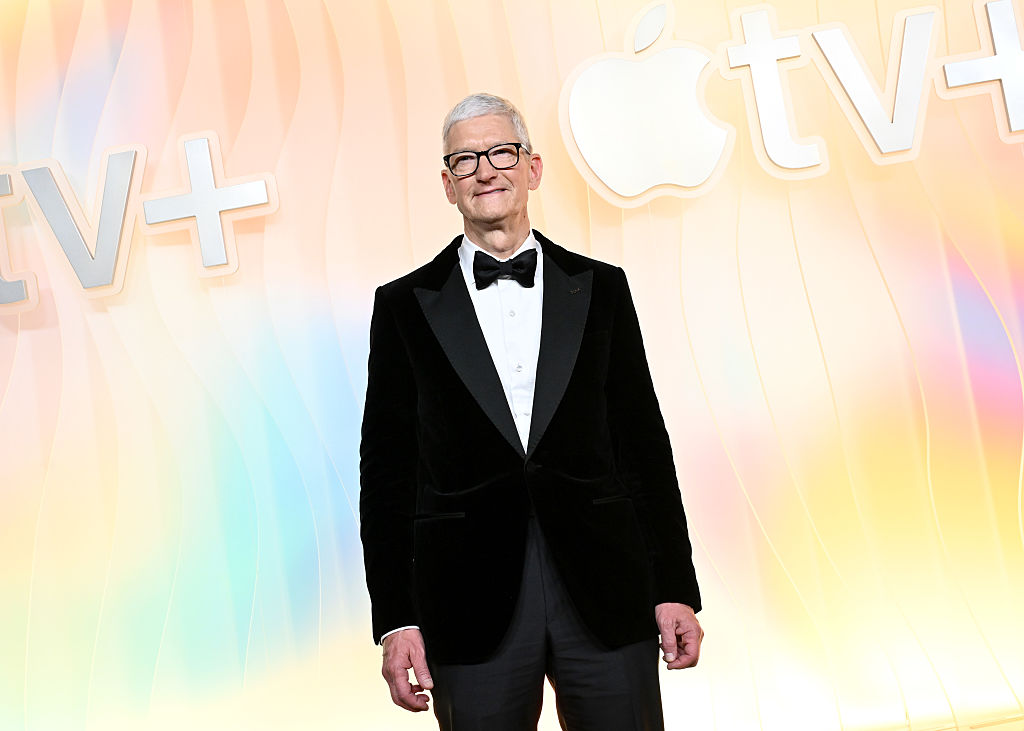
As the grand spectacle of the Super Bowl descends upon Silicon Valley this Sunday, the region is preparing for an unprecedented convergence of high-stakes sports and the immense wealth of the technology industry. The highly anticipated matchup between the New England Patriots and the Seattle Seahawks, hypothetically hosted at Levi’s Stadium, is poised to attract an extraordinary concentration of tech luminaries, venture capitalists, and corporate titans, transforming the traditional sporting event into a vibrant nexus of power, influence, and conspicuous consumption.
The Super Bowl: A Cultural and Economic Colossus
The Super Bowl has long transcended its origins as a mere football championship, evolving into a de facto national holiday and one of the world’s most watched annual sporting events. Its magnetic pull extends far beyond dedicated sports fans, drawing in a vast audience for its halftime show, elaborate commercials, and surrounding festivities. For host cities, the Super Bowl represents a significant economic boon, generating hundreds of millions of dollars in direct spending on tourism, hospitality, and event infrastructure. Local businesses, from hotels and restaurants to transportation services, experience a surge in activity, while the city itself gains invaluable global exposure.
This year, the choice of Silicon Valley as the backdrop adds a distinctive layer to this already colossal event. Known globally as the epicenter of technological innovation and home to some of the world’s most valuable companies, the Bay Area brings its unique blend of entrepreneurial spirit, cutting-edge advancements, and an unparalleled concentration of wealth to the Super Bowl stage. The intersection of this tech-driven economy with America’s most celebrated sports event creates a fascinating cultural juxtaposition, highlighting how different echelons of society intersect and influence one another.
The Tech Elite’s Prominent Presence
The guest list for this Silicon Valley Super Bowl is expected to read like a who’s who of the tech world. Neal Mohan, the CEO of YouTube, is among the high-profile executives anticipated to be in attendance. Apple CEO Tim Cook has become a regular fixture at Super Bowl events, particularly since Apple Music assumed sponsorship of the iconic halftime show several years ago, cementing a visible link between the tech giant and the league’s biggest annual showcase. These executives’ presence underscores the deep integration of technology into entertainment and media, where sports serves as a crucial platform for brand visibility and audience engagement.
Adding a poignant, perhaps even self-deprecating, commentary on this phenomenon is Venky Ganesan, a seasoned venture capitalist from Menlo Ventures. Speaking to the New York Times, Ganesan offered a candid observation: "It’s tech billionaires who got picked last in gym class paying $50,000 to pretend they’re friends with the guys who got picked first." He humorously added, "And for the record, I, too, was picked last in gym class." Ganesan’s remark resonates deeply, tapping into a cultural narrative of social hierarchies and aspirations. It suggests that for some in the tech elite, attending the Super Bowl, especially at such exorbitant costs, might represent more than just fandom. It could be a form of social validation, a desire to bridge the perceived gap between intellectual prowess and athletic achievement, or simply an opportunity to network in a high-octane, exclusive environment outside the usual tech conferences. This confluence of wealth and aspiration transforms the stadium’s luxury boxes into a unique social crucible, where different forms of success and influence mingle.
The AI Gold Rush and its Financial Architects
The ability of individuals like Ganesan to consider a $50,000 ticket a mere trifle speaks volumes about the current economic boom within the tech sector, particularly in the realm of artificial intelligence. Menlo Ventures, Ganesan’s firm, has positioned itself at the forefront of this AI revolution. The firm notably went "all-in" on Anthropic, a prominent AI company, by establishing a dedicated $100 million fund in summer 2024 specifically to invest in other nascent AI startups. This strategic move highlights the intense focus and capital flowing into the AI ecosystem, a sector widely considered the next frontier of technological advancement.
Anthropic itself has been a magnet for significant investment. Menlo Ventures has participated in numerous funding rounds for the AI company, utilizing both its flagship investment funds and various special purpose vehicles to funnel capital into the burgeoning enterprise. The market’s confidence in Anthropic’s potential is staggering; the company is reportedly on the cusp of closing a massive $20 billion funding round next week, which would propel its post-money valuation to an astonishing $350 billion. This valuation places Anthropic among the most valuable private technology companies globally, underscoring the fervent belief in the transformative power and commercial viability of advanced AI research and development. This influx of capital not only fuels innovation but also significantly enhances the wealth and influence of those at the helm of these venture capital firms and the companies they back, enabling their participation in exclusive events like the Super Bowl. The AI gold rush, therefore, isn’t just reshaping technology; it’s also reconfiguring the landscape of elite social engagement and power.
The Economics of Spectacle: Tickets and Fan Demographics
Accessing the Super Bowl, particularly one hosted in a high-cost area like Silicon Valley, comes with an astronomical price tag. According to reports, the average ticket price hovered around $7,000, making it one of the most expensive sporting events globally. Even for those seeking last-minute opportunities, a quick glance at ticket reseller sites like StubHub revealed seats still available for closer to $3,600, a figure that remains prohibitive for the vast majority of the population. This exclusivity underscores the Super Bowl’s status as a luxury experience, often reserved for corporate clients, the ultra-wealthy, or the most dedicated and financially robust fan bases.
The distribution of these coveted tickets further accentuates their scarcity and value. Only a quarter of the total tickets are allocated to the general public through a lottery system, making individual access exceptionally challenging. The remaining majority are distributed among the 32 NFL teams, which then allocate them to players, coaches, staff, sponsors, and season ticket holders, creating a tiered system of access.
Despite the exorbitant costs and travel logistics, fan dedication remains unwavering. A significant portion of the audience, approximately 27%, is projected to travel from Washington State to support the Seattle Seahawks. This strong showing of support is particularly notable given the Seahawks’ franchise history, which boasts a single Super Bowl victory. This stands in stark contrast to their opponent, the New England Patriots, who have secured six Super Bowl titles, all under the legendary leadership of quarterback Tom Brady. The geographical concentration of Seahawks fans highlights the passionate regional identities forged around NFL teams, driving thousands to undertake significant financial and logistical efforts to witness their team on the grandest stage.
The AI Advertising Battleground
Beyond the on-field competition, the Super Bowl serves as an unparalleled advertising platform, and this year, the commercial breaks are set to host a different kind of battle: the AI advertising wars. Tech giants including Google, OpenAI, Anthropic, Amazon, and Meta are reportedly investing heavily in competing ad campaigns, each vying to assert whose artificial intelligence technology is superior and most beneficial for consumers. The Super Bowl’s massive, captive audience makes it an irresistible, albeit expensive, arena for these companies to make their case.
Historically, Super Bowl commercials are legendary for their creativity, humor, and ability to generate significant buzz, often becoming as memorable as the game itself. Companies spend millions not just on airtime but also on producing these high-stakes advertisements, understanding that a successful Super Bowl ad can define a brand’s public image for the year. For AI companies, this platform is crucial for several reasons. First, it allows them to demystify complex AI concepts for a broad audience, illustrating practical applications in everyday life. Second, it’s an opportunity to project leadership and trustworthiness in a rapidly evolving and sometimes controversial field. As public discourse around AI safety and ethics intensifies, these ads will likely aim to reassure consumers and establish their brands as responsible innovators. Given that many of these companies’ CEOs, including those from Amazon, Google, OpenAI, and Meta, reside within an hour or so of Levi’s Stadium (with Amazon’s Andy Jassy splitting his time between Seattle and Santa Monica), their personal presence at the game could further amplify the strategic importance of their advertising efforts during the broadcast.
The Bay Area’s Super Bowl Legacy
Hosting the Super Bowl is a rare privilege, and for the Bay Area, this marks only the third time the region has served as the epicenter of the NFL’s championship game. The first instance dates back to 1985, when Stanford Stadium, the historic football venue at Stanford University, hosted Super Bowl XIX. In that memorable contest, the San Francisco 49ers triumphed over the Miami Dolphins, marking a significant moment in local sports history.
The region’s second turn as host came with Super Bowl 50 in 2016, a decade prior to the implied current Super Bowl timeframe. That monumental game, held at the modern Levi’s Stadium, saw the Denver Broncos defeat the Carolina Panthers. Each hosting opportunity brings with it a unique blend of local pride, logistical challenges, and a substantial economic injection. The consistent selection of the Bay Area underscores its capacity to handle large-scale events, its world-class infrastructure, and its appeal as a vibrant cultural and economic hub. This year’s event continues that legacy, further cementing the region’s place in the pantheon of major sports destinations while simultaneously showcasing its distinctive technological identity.
In essence, this Super Bowl is more than just a football game; it is a cultural barometer. It vividly illustrates the growing influence of Silicon Valley’s tech industry on national pastimes, the evolving dynamics of wealth and social status, and the ever-expanding reach of artificial intelligence into public consciousness. From the luxury boxes filled with tech billionaires to the high-stakes advertising battles playing out on screen, the event encapsulates a unique moment where the digital frontier converges with the enduring spectacle of American sports.