Amir Mahmud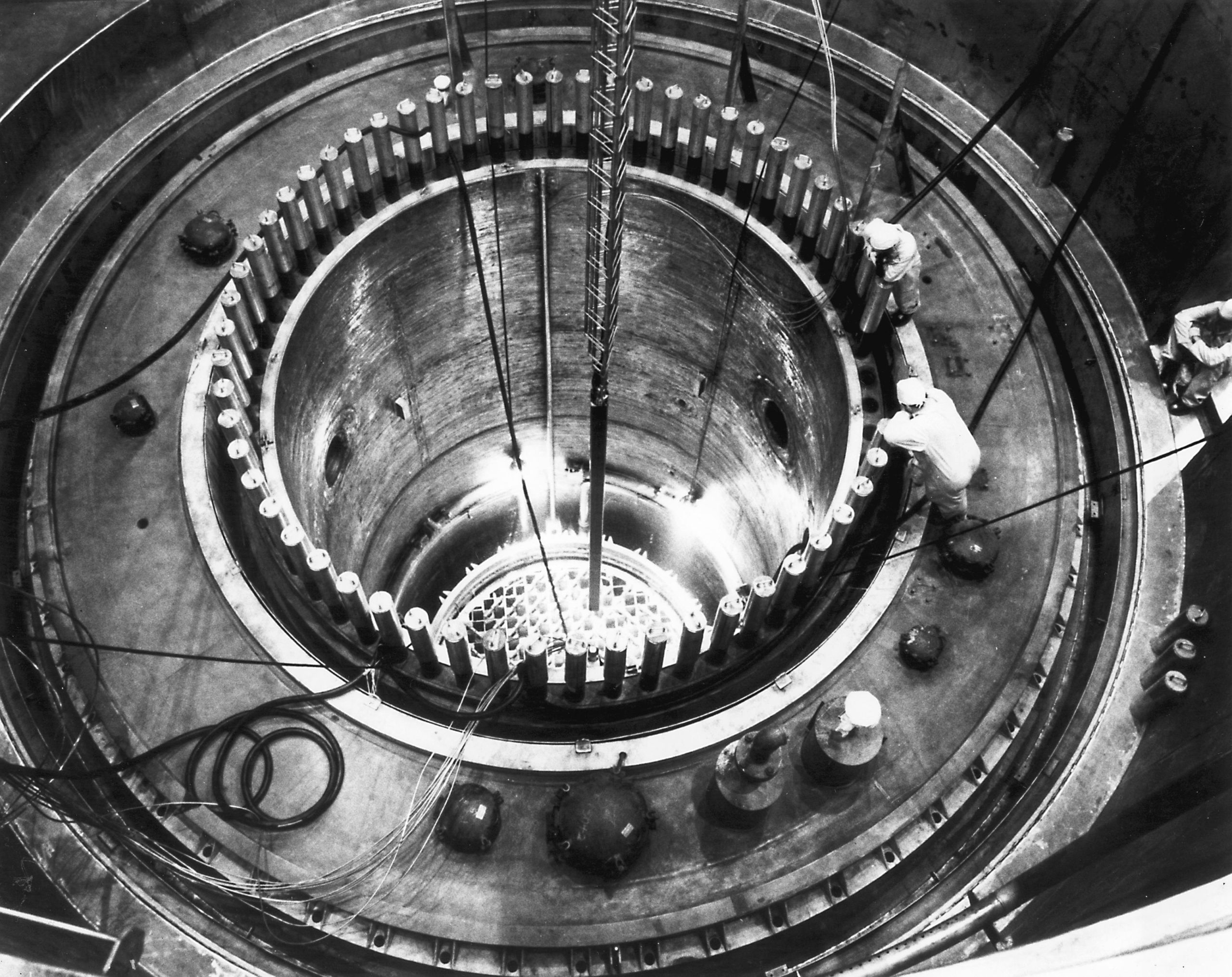
In a significant strategic pivot reflecting the tech industry’s escalating energy needs, Google has announced a partnership with NextEra Energy to reactivate the Duane Arnold Energy Center, a nuclear power plant in Iowa that ceased operations in 2020. This ambitious initiative, targeting a restart in 2029, underscores a burgeoning trend where major technology corporations are looking towards nuclear energy as a crucial component in achieving their aggressive carbon-free energy goals while simultaneously powering their rapidly expanding fleets of data centers.
The Dawn of a New Nuclear Era for Tech
The announcement signals a notable shift in the energy landscape, particularly for an industry often lauded for its investments in renewable sources like solar and wind. For over a decade, nuclear power generation in the United States faced headwinds, including high operating costs, regulatory complexities, and public apprehension following incidents like the 2011 Fukushima Daiichi disaster. Many plants, including Duane Arnold, were retired prematurely due to these economic and social pressures. However, the pressing urgency of climate change, combined with an unprecedented surge in electricity demand driven by artificial intelligence, cloud computing, and data processing, has thrust nuclear energy back into the spotlight as a reliable, carbon-free, baseload power source.
Google’s commitment to purchasing a majority of the plant’s output for 25 years represents a substantial long-term investment. While financial terms of the agreement were not disclosed by either company, the scale of such a project suggests a multi-billion-dollar undertaking. The remaining power will be supplied to the Central Iowa Power Cooperative (CIPCO) under similar long-term agreements. CIPCO, which currently holds a 20% stake in the facility, will see its share acquired by NextEra, along with any other minority owners, streamlining the ownership structure for the restart.
A Plant’s Journey: From Operation to Storm-Induced Hibernation
The Duane Arnold Energy Center, situated near Palo, Iowa, first commenced commercial operations in 1974. For over four decades, it served as a cornerstone of Iowa’s energy infrastructure, providing consistent, carbon-free electricity to hundreds of thousands of homes and businesses. Its single boiling water reactor was designed to generate 601 megawatts (MW) of electricity, playing a vital role in the state’s energy mix.
The plant’s unexpected closure in August 2020 was a direct consequence of a powerful derecho, a widespread, long-lived wind storm characterized by damaging straight-line winds, that swept across Iowa. The storm inflicted extensive damage to the plant’s cooling towers, electrical switchyard, and a critical component of the secondary containment system, which is essential for preventing the release of radioactive gases in the unlikely event of an accident. Following a comprehensive damage assessment, NextEra Energy initially concluded that the economic costs of repairs and necessary upgrades, amidst the prevailing market conditions and declining wholesale power prices at the time, made continued operation unviable. The decision was made to decommission the plant ahead of its scheduled license expiration in 2034, leading to its official shutdown.
NextEra, however, never fully abandoned the idea of a potential revival, actively seeking a viable partner for the past year. The current energy market dynamics, particularly the burgeoning demand from the tech sector for reliable, clean power, ultimately provided the impetus for this ambitious recommissioning effort. If the renovation and recommissioning proceed as planned, the modernized reactor is projected to not only restore its original capacity but also boost its output by an additional 14 MW, reflecting technological advancements and efficiency improvements.
Driving the Demand: The Insatiable Thirst of Data Centers
The underlying force propelling tech companies towards significant energy investments, including nuclear, is the exponential growth of data centers. These sprawling digital factories, essential for cloud services, artificial intelligence, and the internet’s vast ecosystem, consume enormous amounts of electricity. As AI models become more complex and widespread, the energy demands are projected to skyrocket, placing immense pressure on existing grids and clean energy supplies.
Google, like many of its peers, has committed to achieving 24/7 carbon-free energy for all its operations by 2030. While renewable sources like solar and wind are critical, their intermittent nature presents a challenge for operations requiring constant, uninterrupted power. This is where nuclear energy offers a compelling solution: it generates electricity continuously, irrespective of weather conditions, and with a minimal carbon footprint. The ability to provide baseload power around the clock makes nuclear an attractive complement to a diversified clean energy portfolio, enabling companies to meet ambitious sustainability targets without compromising operational reliability.
The Strategic Play: Why Reviving is More Appealing Than Building New
Restarting an existing nuclear facility, while still a monumental undertaking, is generally considered a "shortcut" compared to constructing a brand-new plant from the ground up. New nuclear builds face protracted timelines, often spanning a decade or more, significant regulatory hurdles, and astronomical capital costs that frequently exceed initial estimates. By contrast, a recommissioning project leverages existing infrastructure, site permits, and often, a trained workforce. This can potentially shave years off the project timeline and reduce overall costs, even though substantial investments in refurbishment, safety upgrades, and regulatory re-licensing are still required.
The Microsoft Corporation set a precedent last year by announcing its partnership with Constellation Energy to restart a reactor at the Three Mile Island nuclear plant in Pennsylvania, which had also been shut down in 2019. That project, an 835 MW reactor, is anticipated to cost around $1.6 billion and is slated for a 2028 operational restart. These parallel efforts by tech giants underscore a strategic re-evaluation of nuclear power’s role in future energy matrices. Despite the comparative advantages of restarting, these are still multi-year endeavors, placing them in competition with other long-term energy solutions, including the development of new natural gas power plants, which also require several years to bring online.
Broader Implications: Energy Markets, Environment, and Public Perception
The revival of Duane Arnold carries significant implications beyond Google’s energy portfolio. For the regional energy market in Iowa, it promises enhanced grid stability and a reliable supply of dispatchable power. Environmentally, the reintroduction of 601 MW (plus 14 MW) of carbon-free electricity will contribute significantly to reducing greenhouse gas emissions in the state, aligning with broader national and international climate objectives.
Socially and culturally, such projects could play a role in shifting public perception of nuclear power. The involvement of tech companies, often seen as forward-thinking and innovative, might lend a new degree of credibility and acceptance to nuclear energy. Furthermore, the recommissioning will bring economic benefits to the local community of Palo, Iowa, through job creation during the refurbishment phase and ongoing operational employment, as well as increased tax revenues.
However, challenges persist. Nuclear waste disposal remains a contentious issue without a permanent, long-term solution in the U.S. Public safety concerns, though mitigated by stringent regulatory oversight, can resurface, especially when a plant is reactivated after a period of dormancy. The cost-effectiveness over the long term, even with a major buyer like Google, will also be subject to ongoing scrutiny.
The Future Energy Mix: A Complex Balancing Act
While nuclear power offers significant advantages for baseload electricity, it is crucial to recognize that tech companies are pursuing a diversified energy strategy. Google and others continue to invest heavily in rapidly deployable renewable technologies such as solar farms and battery storage solutions. These can be brought online in months rather than years, providing crucial interim power for new data centers and flexibility for grid management.
The integration of nuclear power into the energy mix of tech giants highlights a pragmatic approach to decarbonization: leveraging every available clean energy source to meet an unprecedented demand surge. This complex balancing act involves combining the reliability of nuclear with the agility and environmental benefits of renewables, all while navigating the economic realities and regulatory frameworks of a rapidly evolving global energy landscape. The Duane Arnold revival is not merely an isolated deal; it is a powerful signal of nuclear energy’s re-emergence as a vital player in the quest for a sustainable and digitally empowered future.







 Azin Asro