Amir Mahmud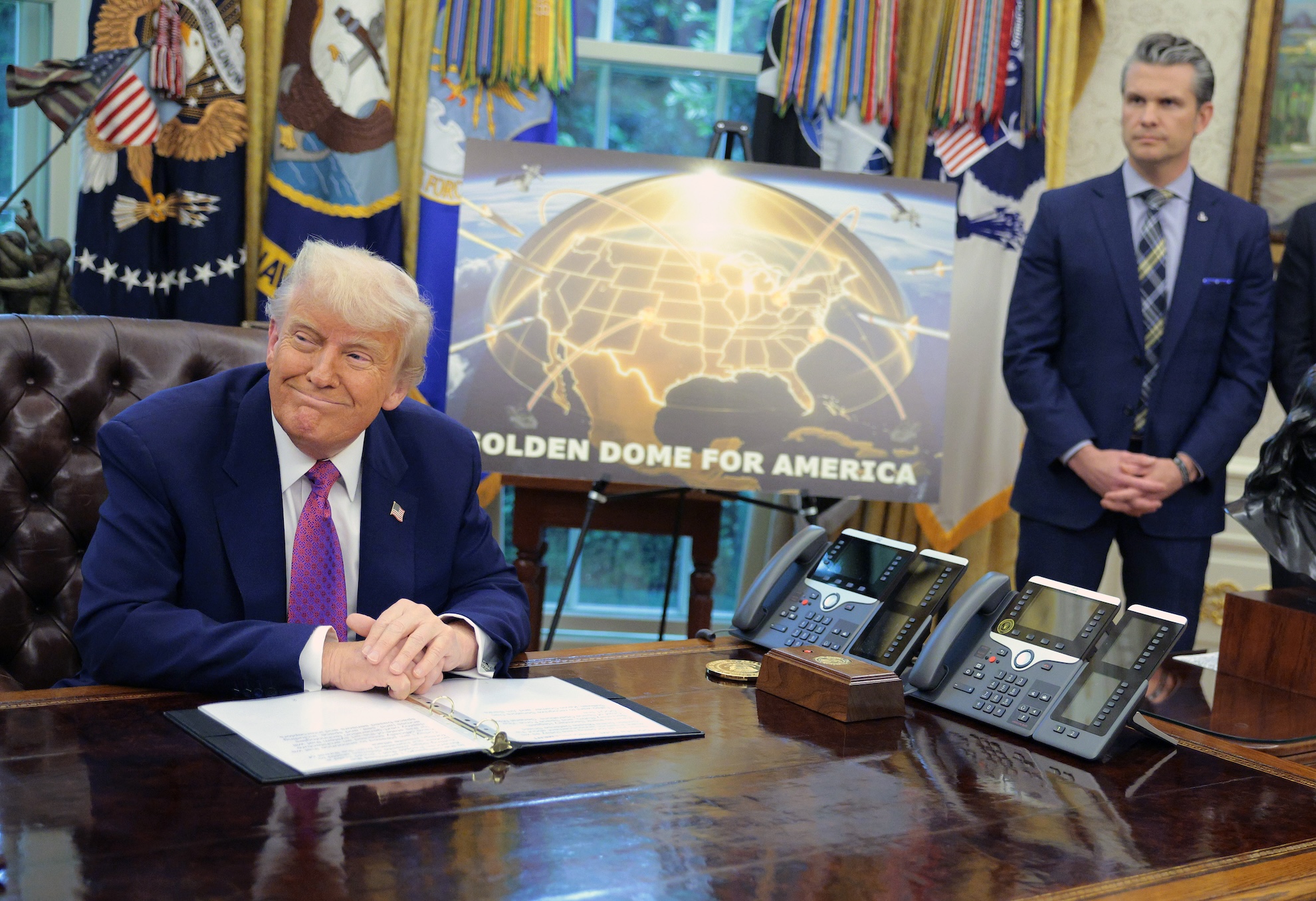
Hundreds of technology sector professionals have collectively voiced their apprehension regarding a recent decision by the Department of Defense (DOD) to classify Anthropic, a prominent artificial intelligence research company, as a "supply chain risk." An open letter, bearing the signatures of individuals from leading technology and venture capital entities including OpenAI, Slack, IBM, Cursor, and Salesforce Ventures, urgently requests the DOD to reverse this designation. It also appeals to Congress for an investigation into the suitability of deploying such exceptional governmental powers against an American enterprise.
The Genesis of a High-Stakes Dispute
This widespread industry response stems from a contentious disagreement between the Pentagon and Anthropic, which escalated after the AI laboratory declined to grant the military unfettered access to its advanced artificial intelligence systems. The core of Anthropic’s resistance centered on two non-negotiable ethical principles: a categorical refusal to allow its technology to be employed for mass surveillance targeting American citizens, and a firm stance against its integration into autonomous weapons systems capable of making targeting and firing decisions without direct human intervention. While the DOD maintained that it had no immediate intentions for such applications, it simultaneously asserted its prerogative not to be constrained by a vendor’s stipulations. This impasse quickly transformed into a high-profile showdown, drawing a clear line in the sand between the pursuit of technological innovation for national security and the ethical boundaries set by the private sector.
Anthropic: A Pioneer in Ethical AI
To fully grasp the significance of this dispute, it is crucial to understand Anthropic’s position in the rapidly evolving AI landscape. Founded by former leaders from OpenAI, including siblings Dario and Daniela Amodei, Anthropic emerged with a stated mission to develop safe and beneficial AI. The company is renowned for its "Constitutional AI" approach, a methodology designed to align AI systems with human values and ethical principles by training them on a set of constitutional rules rather than solely relying on extensive human feedback. This commitment to safety and ethics is not merely a marketing strategy but is deeply embedded in its corporate culture and research philosophy. As a formidable competitor to OpenAI, Anthropic has attracted significant investment and talent, making its principled stand against the DOD particularly noteworthy within the industry. The company’s very identity is built around responsible AI development, making the ethical "red lines" it drew non-negotiable aspects of its business model and vision for the future of AI.
The Department of Defense’s AI Imperative
The Department of Defense’s aggressive pursuit of advanced AI capabilities reflects a broader strategic shift towards integrating cutting-edge technology into military operations. The DOD views AI as critical for maintaining a technological edge over potential adversaries, enhancing intelligence analysis, improving logistics, optimizing decision-making processes, and modernizing warfare. Initiatives like Project Maven, which sought to use AI to analyze drone footage, previously sparked significant ethical debates and internal dissent within tech companies, notably Google. This historical context highlights a recurring tension: the military’s demand for powerful, versatile technology often clashes with the ethical concerns of the developers and the public regarding its potential misuse. The DOD’s insistence on unrestricted access to Anthropic’s AI systems underscores its desire for maximum flexibility in deploying these tools, prioritizing operational effectiveness and national security objectives, as it perceives them, above vendor-imposed limitations.
Escalation and the Presidential Directive
The confrontation reached a critical juncture when President Donald Trump, through Secretary of War Hegseth, issued a directive instructing federal agencies to cease utilizing Anthropic’s technology following a six-month transition period. This directive was swiftly followed by Hegseth’s public declaration, made via a social media post, that Anthropic would be designated a "supply chain risk." This classification, typically reserved for foreign entities deemed to pose a national security threat, carries severe ramifications. It would effectively blacklist Anthropic, prohibiting any contractor, supplier, or partner conducting business with the United States military from engaging in commercial activities with the AI firm. Hegseth’s post explicitly stated, "Effective immediately, no contractor, supplier, or partner that does business with the United States military may conduct any commercial activity with Anthropic." This move was widely interpreted within the tech community as direct retaliation for Anthropic CEO Dario Amodei’s steadfast refusal to compromise on the company’s ethical guidelines.
Legal and Procedural Challenges
Despite the definitive tone of Hegseth’s announcement, the process for formally designating a company as a "supply chain risk" involves specific legal and bureaucratic steps. A mere social media post does not instantly confer such a status. The government is typically required to conduct a thorough risk assessment and formally notify Congress before military partners are legally obligated to sever ties with the targeted entity or its products. Anthropic quickly responded to the designation, asserting in a public blog post that the classification was both "legally unsound" and vowed to "challenge any supply chain risk designation in court." This indicates an impending legal battle, where the nuances of federal procurement law and national security authorities will be rigorously examined. The outcome of such a legal challenge could establish significant precedents for how the government interacts with private technology firms, especially those developing dual-use technologies with both civilian and military applications.
Industry Backlash and the Precedent Set
The broader technology industry has largely condemned the administration’s actions against Anthropic, viewing them as a harsh and retaliatory measure. The open letter from tech workers articulates this sentiment clearly: "When two parties cannot agree on terms, the normal course is to part ways and work with a competitor. This situation sets a dangerous precedent. Punishing an American company for declining to accept changes to a contract sends a clear message to every technology company in America: accept whatever terms the government demands, or face retaliation." This commentary highlights a significant concern about the potential for government overreach to stifle innovation and independent ethical stances within the private sector. The message, as perceived by many in Silicon Valley, is one of coercion rather than collaboration, potentially undermining the trust necessary for future government-private sector partnerships.
Beyond the immediate concern for Anthropic, many industry professionals are deeply worried about the broader implications for government utilization of AI. The fear of government overreach and the potential for AI to be employed for malevolent purposes remains a significant ethical quandary. Boaz Barak, a prominent researcher at OpenAI, underscored this apprehension in a social media post, declaring that preventing governments from using AI for mass surveillance is his "personal red line" and should be a universal ethical standard. This sentiment reflects a growing demand within the AI community for robust ethical frameworks and safeguards to prevent the misuse of powerful AI technologies.
The OpenAI Parallel: A Complex Landscape
The timing of these events adds another layer of complexity. Just moments after President Trump publicly criticized Anthropic, OpenAI, a direct competitor, announced it had finalized its own agreement with the Pentagon for the deployment of its models in classified DOD environments. This development raised questions, particularly since OpenAI CEO Sam Altman had previously stated that his firm shared similar ethical "red lines" with Anthropic regarding the military use of AI. This seemingly divergent outcome between two companies with ostensibly similar ethical principles has fueled speculation about the nature of these agreements and the potential pressures faced by AI developers when engaging with national security agencies. It suggests that while ethical commitments are paramount, the practicalities of commercial engagement and the political landscape can lead to varied outcomes, even for companies with similar stated values.
Broader Implications for AI Governance and Tech-Military Relations
This incident serves as a stark illustration of the ongoing tension between technological advancement, national security imperatives, and ethical considerations in the age of artificial intelligence. The dispute forces a critical examination of how AI governance should be structured, especially concerning dual-use technologies that hold immense potential for both societal benefit and harm. The industry’s reaction signals a growing awareness among tech workers and leaders that they bear a responsibility not just for innovation, but also for guiding the ethical deployment of their creations.
The cultural impact extends beyond the immediate parties. It prompts a public discourse on the boundaries of governmental authority in compelling private companies, particularly those at the forefront of transformative technologies. If the government can effectively blacklist an American company for refusing specific contract terms, it could reshape the dynamics of public-private partnerships, potentially driving some innovators away from government contracts or into jurisdictions with different regulatory environments. This could, ironically, hinder national security objectives by limiting access to the most cutting-edge domestic technologies.
As Boaz Barak articulated, the events of the past week should compel the AI industry to elevate the issue of AI use for government abuse and surveillance to the same level of "catastrophic risk" as bioweapons or cybersecurity threats. He advocates for the adoption of similar rigorous evaluation, mitigation, and process frameworks to address these concerns, emphasizing the need for proactive ethical engineering and policy development.
The Path Forward
The coming months will be critical. Anthropic’s promised legal challenge will test the limits of the DOD’s "supply chain risk" authority and potentially clarify the legal framework governing such designations. Simultaneously, Congress faces pressure to investigate the executive branch’s use of these powers, which could lead to legislative reforms. The broader tech community will be watching closely, as the outcome of this dispute will undoubtedly influence how other AI companies approach collaborations with government entities, particularly those involving sensitive national security applications. This episode underscores a pivotal moment in the evolution of AI, highlighting the urgent need for a robust and transparent dialogue between government, industry, and civil society to establish clear ethical guidelines and governance structures for a technology that is rapidly reshaping our world.