Amir Mahmud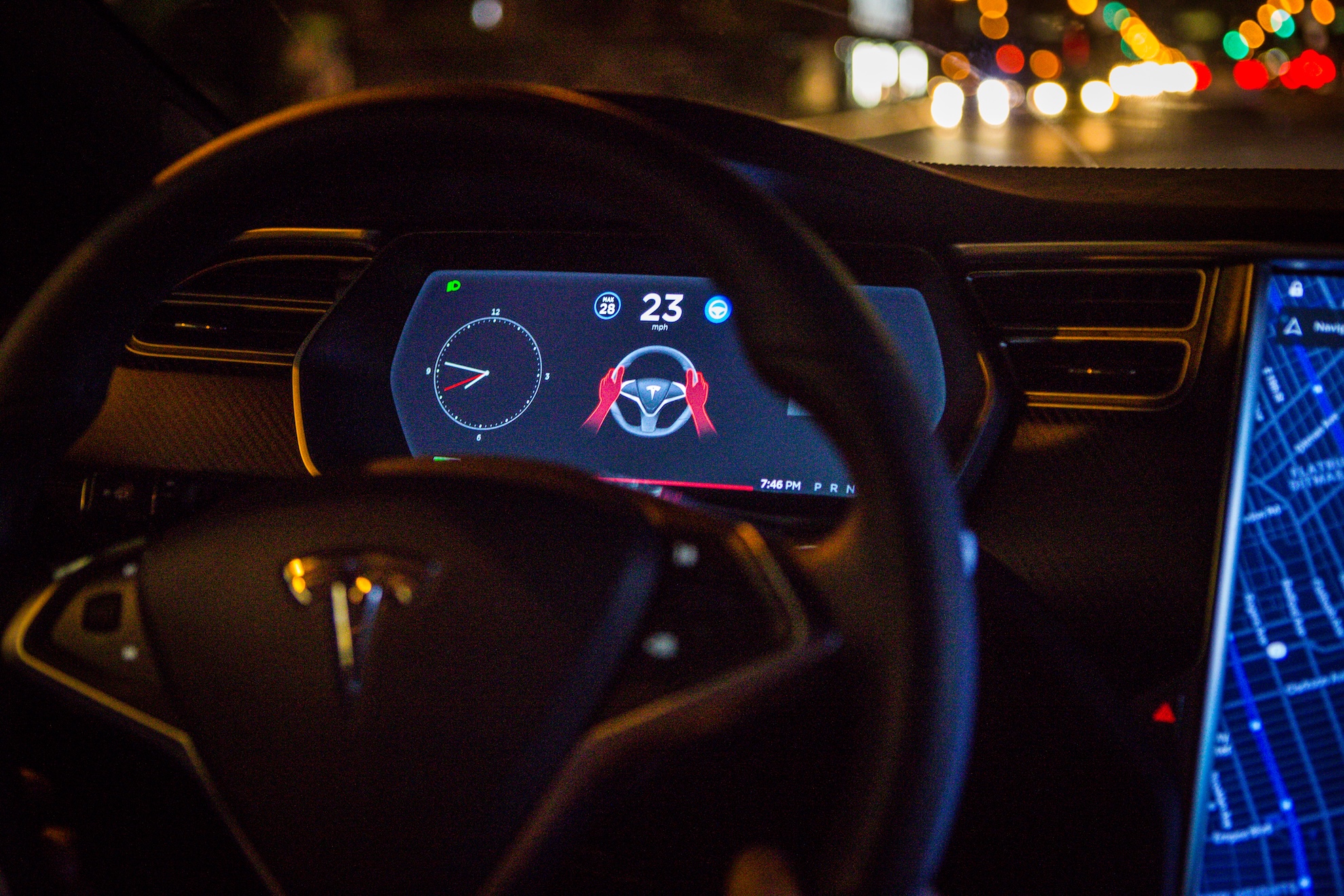
The dynamic landscape of autonomous vehicle technology is once again at a pivotal juncture, marked by significant strategic shifts from industry titans and intensified regulatory oversight. This week saw Tesla making decisive moves to redefine its advanced driver-assistance systems, while Waymo, a pioneer in self-driving, found itself under the scrutiny of federal safety investigators. These developments underscore the ongoing tension between rapid innovation and the paramount need for public safety and clear regulatory frameworks in the burgeoning field of automated transportation.
Regulatory Spotlight on Autonomous Vehicles
The National Transportation Safety Board (NTSB), an independent federal agency charged with investigating civil transportation accidents, has initiated an inquiry into Waymo’s operations. This investigation follows multiple reports of Waymo robotaxis exhibiting concerning behavior, specifically illegally passing stopped school buses in at least two states. The NTSB’s involvement signals a heightened level of federal concern, moving beyond state-level reviews to a comprehensive examination of Waymo’s operational protocols and safety measures.
Waymo, a subsidiary of Alphabet Inc., originated from Google’s self-driving car project, launched in 2009. It has long been at the forefront of developing and deploying fully autonomous vehicles, operating robotaxi services in select cities. The company prides itself on its rigorous testing and safety-first approach, having accumulated millions of miles on public roads. However, even with extensive testing, the complexities of real-world scenarios, particularly those involving vulnerable road users like schoolchildren, pose significant challenges. Incidents involving school buses are especially sensitive due to the critical safety regulations surrounding their stops, which typically require all surrounding traffic to halt. This NTSB probe could have far-reaching implications, potentially leading to new recommendations for autonomous vehicle design, operational guidelines, or even regulatory changes impacting the broader industry. The public’s trust in autonomous technology is fragile, and such investigations invariably draw attention to the delicate balance between pushing technological boundaries and ensuring an uncompromised standard of safety.
Tesla’s Bold Bet on Full Self-Driving
Concurrently, Tesla, the electric vehicle giant, has implemented a strategic overhaul of its driver-assistance offerings, just ahead of its quarterly earnings report. The most prominent change involves the discontinuation of "Autopilot," the advanced driver-assistance system first introduced in its vehicles in 2014. Autopilot, which provided features like traffic-aware cruise control and autosteer, became a standard inclusion in all Tesla vehicles over time. Its name, however, frequently sparked controversy, with critics arguing it implied a greater level of autonomy than the system actually possessed, leading to potential misuse and a misunderstanding of driver responsibilities.
This decision to phase out Autopilot is part of a broader strategy to consolidate Tesla’s advanced driver-assistance capabilities under the banner of "Full Self-Driving (Supervised)" (FSD). This rebranding effort is further complemented by a shift in FSD’s pricing model, transitioning from an $8,000 one-time purchase fee to an exclusive monthly subscription. The move is widely interpreted as an attempt by Tesla to streamline its product offerings, emphasize its long-term vision as an AI and robotics company, and secure a more consistent revenue stream from its software.
Adding another layer to Tesla’s strategic maneuvering is the recent launch of unsupervised robotaxi rides in Austin, Texas. While a limited service with human safety operators in the passenger seat has been operational since last year, this marks a significant step towards truly driverless operations. These vehicles, running an advanced version of FSD, are reportedly followed by chase cars, indicating a cautious yet determined progression towards widespread autonomous service. The timing of these changes also coincides with a legal challenge in California, where a judge previously ruled that Tesla engaged in deceptive marketing regarding Autopilot and FSD capabilities. The ruling had led to a temporary suspension of manufacturing and dealer licenses, stayed for 60 days to allow for compliance. Discontinuing the "Autopilot" name and doubling down on FSD might be Tesla’s response to these regulatory pressures, aiming to align its nomenclature more closely with the actual supervised nature of its current FSD system, thereby potentially appeasing regulatory bodies like the California DMV. This strategic pivot highlights Tesla’s commitment to advancing its autonomous driving technology while navigating complex regulatory and public perception challenges.
The Evolving Landscape of Autonomous Delivery and Robotics
Beyond passenger vehicles, the broader autonomous technology sector continues to attract significant investment and innovation, diversifying into specialized applications. Zipline, a veteran in autonomous drone delivery and logistics, announced a substantial $600 million funding round, valuing the company at $7.6 billion. Having pioneered medical supply delivery in Rwanda over a decade ago, Zipline’s trajectory has been one of steady, impactful expansion. The launch of its P2 drone platform in 2025, specifically designed for home delivery of food and other goods, marked a strategic shift towards broader consumer applications. This new capital injection will fuel Zipline’s ambitious expansion plans, bringing its service to major U.S. cities like Houston and Phoenix, with plans for at least four more states in the coming year. This growth trajectory underscores the increasing viability and demand for autonomous last-mile delivery solutions, which promise to revolutionize logistics and e-commerce.
Further illustrating the sector’s breadth, Serve Robotics, a sidewalk delivery robot company backed by industry heavyweights like Nvidia and Uber, acquired Diligent Robotics. Diligent specializes in "Moxi" robots, designed to assist in hospital environments by performing tasks such as delivering lab samples and supplies. This acquisition, valued at $29 million for common stock, signals a growing trend of convergence between autonomous vehicle technology and specialized robotics, particularly in sectors facing labor shortages and efficiency demands like healthcare. Meanwhile, ABZ Innovation, a European manufacturer of heavy-duty agricultural and industrial drones, secured $8.2 million, highlighting the increasing automation across various industrial applications. Ethernovia, a Silicon Valley startup focused on Ethernet-based systems crucial for autonomous vehicles’ internal data communication, raised $90 million in Series B funding, reflecting the vital need for robust, high-speed networking infrastructure within advanced AVs. These investments collectively indicate a vibrant and expanding market for autonomous solutions beyond the headline-grabbing robotaxis, promising transformative impacts across industries.
Strategic Investments Fueling Future Mobility
The financial activity within the mobility sector extended beyond autonomy, encompassing critical areas like energy storage and automotive retail. Terralayr, a German company specializing in grid-scale battery storage, successfully raised €192 million. This significant investment highlights the accelerating global commitment to renewable energy and the critical role of advanced energy storage solutions in stabilizing grids and maximizing the utility of intermittent sources like solar and wind power. As nations strive to meet climate goals and transition away from fossil fuels, innovations in battery storage are paramount, attracting substantial capital from both venture and private equity firms.
In the realm of automotive commerce, TrueCar, an online platform for new and used car sales, underwent a significant change in ownership structure. Its founder, Scott Painter, through his firm Fair Holdings and in partnership with AutoNation, PenFed Credit Union, and Zurich North America, reacquired the company in a $227 million deal. This transaction takes TrueCar private, with Painter returning to the CEO position. The move suggests a strategic effort to reinvigorate the platform and potentially pivot its business model without the pressures of public market scrutiny. The automotive retail sector is in a state of flux, continuously adapting to digital transformation, evolving consumer expectations, and the increasing integration of online sales processes. This deal reflects the ongoing dynamic of consolidation and strategic repositioning within this essential segment of the mobility ecosystem.
Global Currents in Automotive and AI Development
The broader landscape of automotive and artificial intelligence development reveals diverse strategies and evolving priorities across the globe. Austin Russell, the founder and former CEO of the now-bankrupt lidar company Luminar, agreed to accept an electronic subpoena for information related to the company’s ongoing bankruptcy proceedings. This development underscores the inherent risks and volatile nature of the advanced sensor market, a critical component for autonomous driving.
In China, Geely Holding Group, a major automaker, unveiled an ambitious five-year blueprint that includes a significant commitment to autonomous mobility. By 2030, its Cao Cao Mobility ride-hailing unit aims to operate a fleet of 100,000 robotaxis across major Chinese cities, with hints of future international expansion. This move signals China’s aggressive push to dominate the autonomous vehicle sector, leveraging its vast domestic market and technological prowess. Meanwhile, General Motors announced a strategic realignment of its manufacturing operations, relocating production of two gas-powered vehicles from China and Mexico to a U.S. factory in Kansas. This shift, however, will also mark the end of production for the Chevrolet Bolt EV, GM’s pioneering mass-market electric vehicle, at that facility, illustrating the complex and sometimes contradictory challenges of transitioning to an all-electric future.
Further demonstrating the breadth of technological pursuits, Tesla’s CEO Elon Musk announced the restart of work on Dojo3, the company’s previously abandoned third-generation AI chip. Interestingly, Dojo3 will not be aimed at training self-driving models, but rather dedicated to "space-based AI compute." This pivot suggests Tesla’s expanding ambitions beyond terrestrial vehicles, potentially into satellite-based AI processing or other aerospace applications. Lastly, Waymo continued its geographical expansion, opening its robotaxi service to the public in Miami, catering to nearly 10,000 local residents on its waitlist. This expansion, even amidst the NTSB probe, highlights the company’s commitment to scaling its operations and making autonomous ride-hailing a widespread reality.
A Cross-Country Test of Advanced Autonomy
In a compelling demonstration of current autonomous capabilities, automotive journalist Alex Roy, known for his transcontinental driving exploits, completed a journey from Los Angeles to New York in a Tesla Model S. The entire 3,081-mile trip was reportedly handled by the vehicle’s Full Self-Driving Supervised software (version 14.2.2.3), with Roy documenting that the system managed 100% of the driving, including highway exits and parking at EV charging stations. The journey was completed in 58 hours and 22 minutes.
Roy is no stranger to such feats, having set a conventional "Cannonball Run" record in 2007 and subsequently completing other transcontinental runs in electric vehicles. While not an official regulatory test, this individual endeavor offers a unique, real-world perspective on the current state of Tesla’s FSD software. It showcases the impressive progress made in automated driving, demonstrating its ability to navigate complex, long-distance routes. However, it also implicitly reinforces the "supervised" aspect of the technology, reminding observers that human oversight remains crucial. Such anecdotal tests, while captivating and informative for enthusiasts, exist distinctly from the rigorous, data-driven validation required by regulators and the industry to deem a system truly autonomous and safe for widespread, unsupervised deployment. Nevertheless, they provide a valuable glimpse into the evolving capabilities of advanced driver-assistance systems.