Amir Mahmud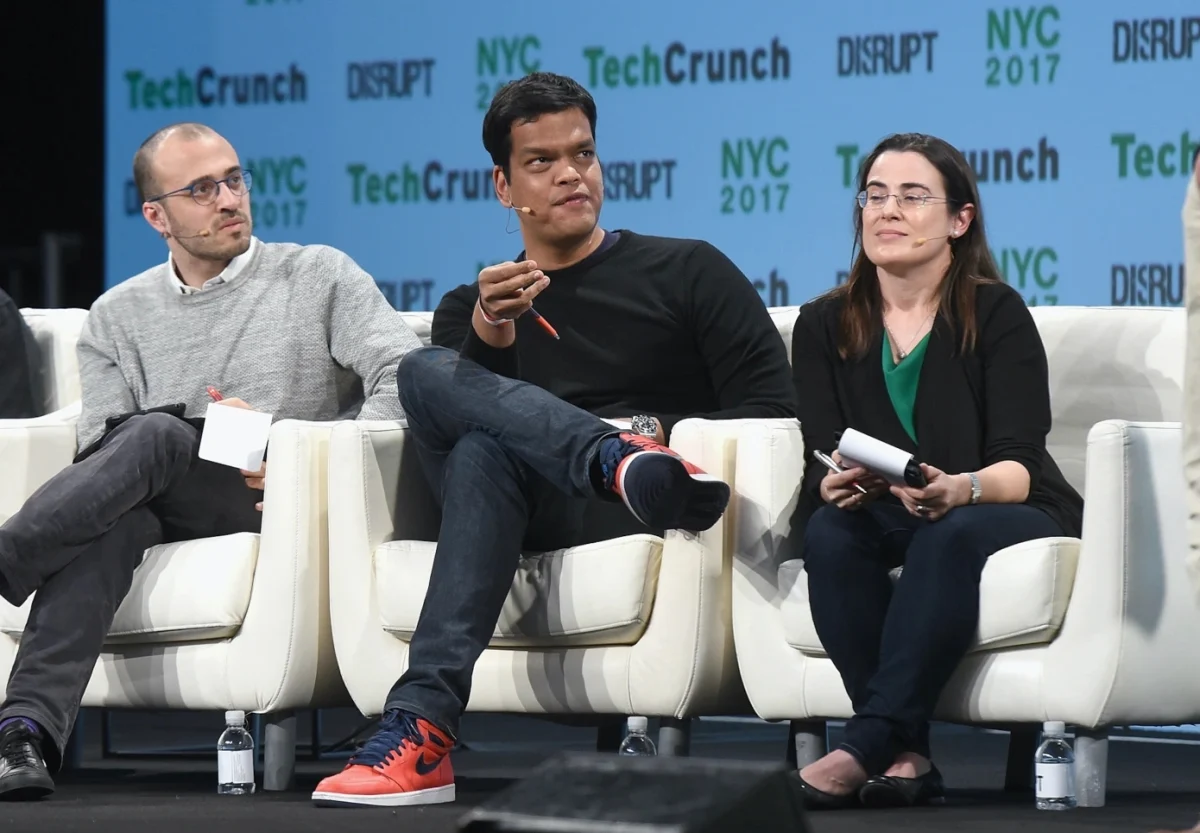
Sriram Krishnan, a prominent figure from the technology and venture capital sectors, is concluding his tenure as a senior policy advisor for artificial intelligence within the Trump administration at the close of June. His departure marks a significant transition for an individual who has been instrumental in shaping the administration’s approach to the rapidly evolving field of AI. Krishnan articulated his deep appreciation for the opportunity to contribute to public service, emphasizing the honor of working under President Donald Trump and attributing the nation’s perceived lead in AI development to the President’s guidance.
A Career Spanning Tech Giants and Venture Capital
Krishnan’s professional trajectory before entering government service is extensive, marked by leadership roles at some of the world’s most influential technology companies. He previously guided product teams at industry titans such as Microsoft, Twitter, Yahoo, Facebook, and Snap, accumulating a wealth of experience in software development, platform strategy, and user engagement. Immediately prior to his White House appointment, Krishnan served as a partner at Andreessen Horowitz (a16z), a highly influential Silicon Valley venture capital firm renowned for its investments in groundbreaking technology startups. The firm’s founders notably voiced their support for President Trump during the 2024 election cycle, highlighting a broader trend of increased alignment between certain segments of the tech industry and the political landscape. This background provided Krishnan with a unique perspective, bridging the innovative ethos of Silicon Valley with the complexities of federal policymaking.
His recruitment into the second Trump administration placed him among a cohort of tech industry luminaries who transitioned from private sector leadership to government advisory positions. This trend underscores a growing recognition within federal circles of the critical need for specialized expertise in emerging technologies, particularly as artificial intelligence reshapes global economies and geopolitics.
The Trump Administration’s AI Strategy: Growth Over Guardrails
During his time in the White House, Krishnan played a key role in advancing the administration’s vision for artificial intelligence. He pointed to several accomplishments, most notably the administration’s AI Action Plan. This strategic document outlined a framework that notably prioritized the rapid expansion of data center infrastructure over the immediate implementation of stringent regulatory measures or comprehensive safety protocols. The underlying philosophy of this approach was to foster an environment conducive to technological growth and innovation, thereby ensuring American competitiveness in the global AI landscape, often framed as an "AI race" against rival nations.
This "growth-first" strategy contrasts with approaches advocated by some experts and international bodies who call for robust ethical guidelines, transparency requirements, and safety standards to be established concurrently with technological development. The administration’s stance reflected a belief that over-regulation could stifle innovation and cede technological leadership to countries with less restrictive environments.
Executive Actions and Industry Engagement
The administration’s commitment to shaping the AI ecosystem was further demonstrated through a series of executive orders. One significant directive sought to establish a unified federal approach by challenging state-level AI regulations. The stated aim was to prevent a fragmented regulatory landscape across different states, which some argued could create an unpredictable environment for businesses operating nationwide and hinder innovation. Proponents of a federal framework often argue that a single, clear set of rules simplifies compliance for companies and encourages investment. However, critics sometimes voice concerns that a broad federal preemption could overlook specific local needs or lead to less stringent protections than individual states might otherwise enact.
Another executive order, focusing on AI oversight, encountered significant industry pushback. Following objections from various technology companies and advocacy groups, the scope of this directive was subsequently delayed and narrowed. This incident highlighted the delicate balance the administration sought to maintain between asserting governmental oversight and responding to the concerns of a powerful and rapidly developing industry. Industry stakeholders often express apprehension that overly broad or hastily implemented regulations could impose undue burdens, increase operational costs, and potentially slow down the pace of technological advancement. The narrowing of the order suggested a responsiveness to these concerns, prioritizing collaboration with the private sector.
Beyond regulatory frameworks, the administration also explored unconventional policy ideas, including the concept of the government taking an equity stake in major AI companies. This proposal sparked considerable debate, with proponents suggesting it could provide a mechanism for the government to share in the economic upside of its strategic investments in AI research and development, or to exert influence over critical national infrastructure. Opponents, however, raised concerns about potential market distortion, the blurring of lines between public and private sectors, and the implications for corporate independence and free-market principles.
The Broader Geopolitical Context: The AI Race
The emphasis on American leadership in artificial intelligence under the Trump administration is rooted in a broader geopolitical competition, often characterized as a technological arms race. Nations worldwide, particularly the United States and China, are heavily investing in AI research and development, recognizing its potential to confer significant economic, military, and strategic advantages.
China, for instance, has articulated ambitious national AI plans, aiming to become the world leader in AI by 2030, backed by substantial state funding and integrated national strategies. This competition extends across various domains, from foundational AI research and semiconductor manufacturing to the deployment of AI in defense systems and critical infrastructure. The Trump administration’s focus on accelerating data center construction, for example, can be viewed as a strategic move to build the foundational computational power necessary to fuel advanced AI development, recognizing that data processing capabilities are a crucial bottleneck and a competitive asset. The belief is that dominance in AI will dictate future global power dynamics, influencing everything from economic productivity and scientific discovery to national security.
Silicon Valley’s Evolving Role in Washington
Krishnan’s tenure also underscores the deepening ties between Silicon Valley and Washington D.C., a relationship that has become increasingly complex and influential. The practice of tech executives rotating into government roles, and vice versa, is not new, but it has intensified as technology’s impact on society and national security has grown. This "revolving door" phenomenon allows for a direct infusion of technical expertise into policymaking processes, but it also raises questions about potential conflicts of interest, the influence of corporate agendas, and the risk of regulatory capture.
The explicit support for President Trump from figures like the founders of Andreessen Horowitz reflects a segment of the tech elite that aligns with a more libertarian, innovation-focused policy agenda, often prioritizing deregulation and market-driven solutions over government intervention. This alignment can significantly shape the direction of policy, favoring approaches that minimize perceived obstacles to technological advancement, even if it means less emphasis on immediate regulatory oversight or social safeguards. David Sacks, a prominent investor, podcaster, and member of the "PayPal Mafia," exemplified this network. Krishnan noted his close collaboration with Sacks, who previously served as an AI and crypto czar before transitioning to co-chair the President’s Council of Advisors on Science and Technology (PCAST). Sacks’ ongoing advocacy for American AI dominance, Krishnan stated, has been and remains pivotal in shaping the administration’s strategic outlook. PCAST, a body composed of leading scientists and engineers, advises the President on science and technology policy, offering a formal channel for expert input from various fields.
Looking Ahead: Continued Influence from Outside the White House
As Sriram Krishnan departs his official government role, his statements indicate an intention to remain actively involved in shaping the nation’s AI future. He has announced plans to focus on "building institutions" designed to address significant challenges facing "America and its allies." Reports suggest he aims to establish an external organization that will continue to provide him with a platform to influence AI policy, particularly within the orbit of the Trump administration.
This strategy is not uncommon among former senior government officials, many of whom transition into think tanks, advocacy groups, or private consultancies that maintain strong connections to their previous government roles and policy areas. Such external institutions can play a critical role in policy development by conducting research, convening experts, and advocating for specific legislative or regulatory approaches, often from a perspective informed by insider knowledge.
Krishnan highlighted several "tough issues" that he believes require collective navigation, including energy, data centers, and ensuring a clear path for Americans to benefit from AI. These areas represent fundamental pillars of the modern technological economy. Energy consumption by AI systems, particularly large language models, is a growing concern, as is the environmental impact and strategic importance of data centers as critical infrastructure. The equitable distribution of AI’s benefits, addressing potential job displacement, and ensuring broad public access to AI-driven advancements remain central challenges that will define the social and economic impact of this transformative technology.
Market, Social, and Cultural Implications
The policy choices made during Krishnan’s tenure, and those that will follow, carry profound implications across various societal dimensions. In the market, a policy emphasis on deregulation and growth could stimulate further investment in AI startups and accelerate the development of new technologies, potentially strengthening the U.S. competitive position globally. However, it also raises questions about market concentration, the potential for monopolies, and whether smaller players can compete effectively without a more level regulatory playing field.
Socially, the administration’s approach to AI, which largely prioritized innovation over immediate regulatory "guardrails," continues to fuel debates about ethical AI development. Concerns persist regarding algorithmic bias, data privacy, the potential for AI-driven misinformation, and the broader impact on employment and societal equity. The absence of robust federal safety standards could leave the public vulnerable to unchecked technological advancements, while a proactive, collaborative approach could help build public trust and ensure that AI serves broader societal good.
Culturally, the narrative of an "AI race" has permeated public discourse, shaping perceptions of technology as both a powerful tool for progress and a potential source of national vulnerability. The departure of key advisors like Krishnan, and the continued evolution of policy, will undoubtedly influence how Americans interact with, perceive, and ultimately integrate artificial intelligence into their daily lives and national identity. The ongoing tension between fostering rapid innovation and ensuring responsible, ethical development remains at the forefront of this critical technological frontier.