Amir Mahmud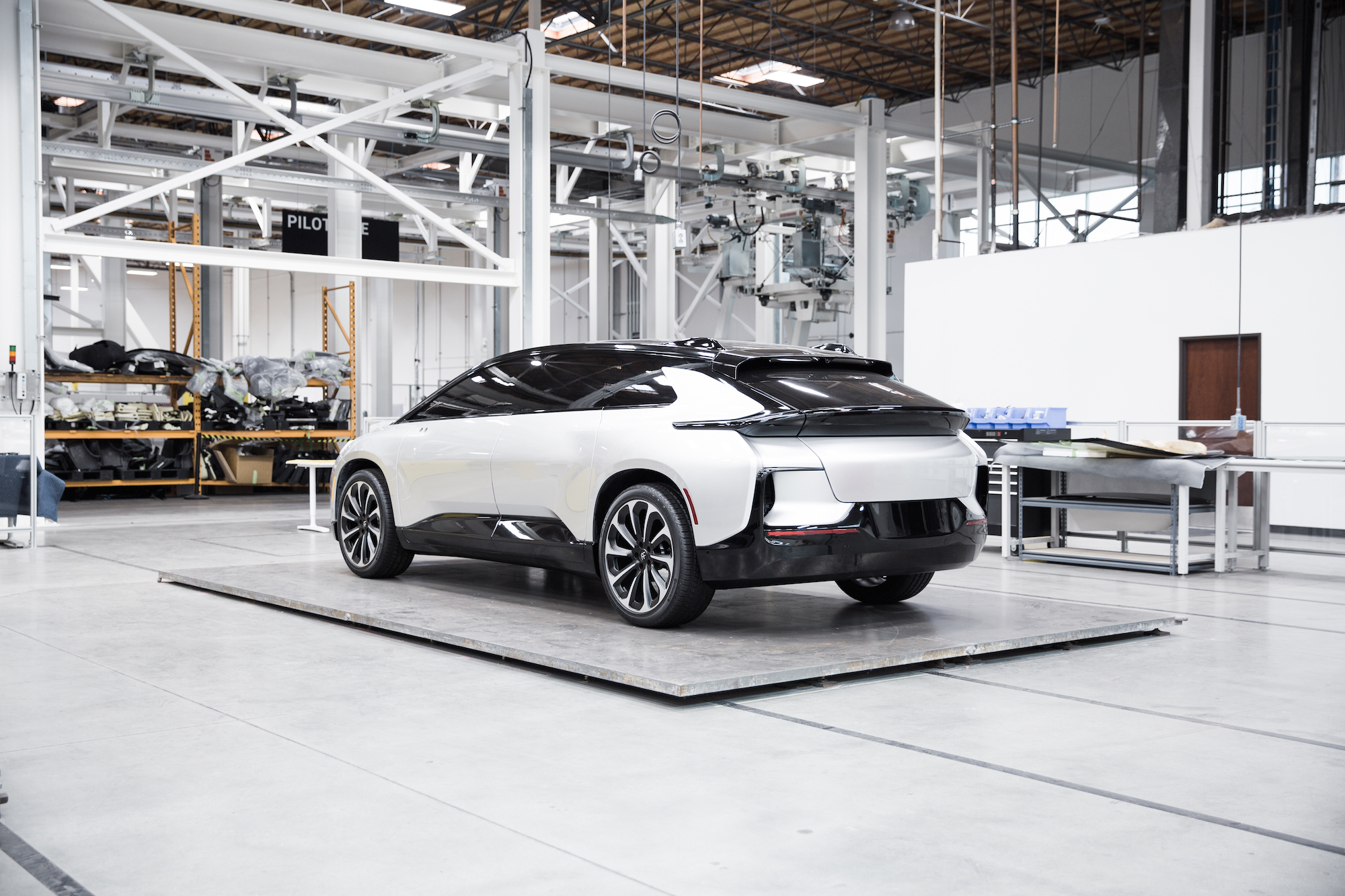
The U.S. Securities and Exchange Commission (SEC) has officially terminated its comprehensive four-year investigation into electric vehicle manufacturer Faraday Future, a decision that comes despite the agency’s staff having previously recommended enforcement action. This unexpected closure, confirmed by sources familiar with the matter, signals a significant reprieve for the embattled startup, which has navigated a tumultuous path marked by financial instability, leadership disputes, and intense regulatory scrutiny since its inception.
The Role of the Securities and Exchange Commission
The SEC operates as the primary federal agency responsible for protecting investors, maintaining fair and orderly functioning of securities markets, and facilitating capital formation. Its oversight extends to publicly traded companies, ensuring transparency and adherence to federal securities laws. Investigations often arise from allegations of fraud, misrepresentation, or other violations that could harm investors. In the context of the recent surge in Special Purpose Acquisition Company (SPAC) mergers, the SEC has intensified its scrutiny of companies going public through this alternative route, particularly within the nascent and often speculative electric vehicle sector. Many EV startups, including Faraday Future, opted for SPAC mergers as a faster, less traditional path to public markets compared to a conventional Initial Public Offering (IPO). This trend, while offering rapid access to capital, also raised concerns about due diligence and potential overvaluation, prompting a wave of regulatory inquiries.
A Timeline of Allegations and Regulatory Actions
Faraday Future’s regulatory ordeal began in 2022, shortly after its public debut via a SPAC merger in 2021. The SEC’s investigation centered on two main areas of concern. Firstly, the agency examined whether the EV startup made "false and misleading statements" in connection with its merger documents and subsequent public disclosures. Such allegations often relate to projections of future performance, operational capabilities, or the financial health of the company. Secondly, the probe delved into claims that Faraday Future had "faked the sales" of its inaugural electric vehicles in 2023. These allegations, initially brought forth by at least three former employee whistleblowers, suggested potential misrepresentation of revenue and delivery milestones, which could significantly impact investor perception and stock valuation.
Throughout the nearly four-year duration of the inquiry, the SEC exercised its powers to gather extensive information. This included issuing multiple subpoenas to the company, demanding a wide array of documents and financial records. Furthermore, regulatory filings from Faraday Future confirm that the SEC conducted numerous depositions of former employees and executives, some of which reportedly extended for considerable periods in 2024 and 2025. These interviews aimed to uncover firsthand accounts and evidence pertaining to the alleged misconduct.
A pivotal moment in the investigation occurred in July 2025, when Faraday Future publicly disclosed the receipt of "Wells Notices." These formal communications from the SEC are significant, indicating that the agency’s enforcement staff have made a preliminary determination to recommend that the Commission pursue enforcement action. Recipients of Wells Notices, which included Faraday Future as a corporate entity and several key executives, notably founder Jia Yueting, are typically afforded an opportunity to present their case and explain why enforcement action is unwarranted. The fact that the company, as recently as February, indicated in regulatory filings that it had not yet formally responded to these notices, while planning to engage with the SEC, underscored the gravity of the situation and the uncertainty surrounding its outcome.
Adding another layer of complexity, the Department of Justice (DOJ) also initiated requests for information from Faraday Future following the SEC’s initial inquiry in 2022. While Faraday Future characterized this as an "investigation" in its filings, the DOJ has never officially confirmed opening a full-fledged probe, leaving the extent of its involvement somewhat ambiguous.
The Rarity of a Wells Notice Without Enforcement
The dismissal of the case following the issuance of Wells Notices is particularly noteworthy within the landscape of SEC enforcement. Academic research, including a 2020 study from the Wharton School, indicates that approximately 85% of targets who receive a Wells Notice ultimately face formal legal action from the SEC. This statistic highlights the unusual nature of Faraday Future’s outcome, suggesting that either the company presented a compelling defense, the evidence proved insufficient to meet the SEC’s prosecutorial standards, or other factors influenced the agency’s final decision.
This development also aligns with a broader trend of a historic decline in SEC enforcement actions. A recent report indicates that the SEC initiated only four cases against publicly-traded companies in its 2025 fiscal year, representing a significant drop compared to previous periods. This shift in enforcement activity could be attributed to various factors, including changes in regulatory priorities, resource allocation, or a strategic focus on different types of violations. The SEC has previously dismissed investigations into other EV startups that went public via SPACs, such as Lucid Motors in 2023 and the now-bankrupt Fisker late last year, suggesting a nuanced approach to this sector.
Faraday Future’s Tumultuous Genesis and Public Debut
To fully appreciate the scope of the SEC’s investigation and its eventual closure, it is crucial to understand Faraday Future’s turbulent history. The company was founded in California in 2014 by Jia Yueting, a prominent Chinese businessman who, at the time, presided over the booming technology conglomerate LeEco. Faraday Future quickly garnered attention, positioning itself as a potential "Tesla killer" and attracting talent from established automakers and tech giants like Apple. Its flashy concept car at the 2016 Consumer Electronics Show, promising a disruptive impact akin to the iPhone, generated significant hype. The luxury electric SUV, the FF91, was unveiled the following year.
However, beneath the veneer of innovation, financial troubles began to mount. By late 2017, Faraday Future faced severe cash shortages, leading to significant layoffs and furloughs. Simultaneously, Jia Yueting’s LeEco empire in China collapsed, resulting in his self-exile to California and placement on a debtor blacklist by the Chinese government. The company found a lifeline through an investment from the Chinese real estate giant Evergrande, but this partnership quickly dissolved by the end of 2018, plunging Faraday Future back into financial distress and necessitating further employee reductions.
Despite nominally stepping down as CEO in 2019 and filing for personal bankruptcy to settle billions in LeEco debt, Jia Yueting reportedly maintained substantial control over the company’s operations behind the scenes. This undisclosed influence became a central point of contention and a focus of the SEC’s later inquiry.
The SPAC Boom and Internal Scrutiny
Faraday Future’s entry into the public market in 2021 through a SPAC merger, which raised approximately $1 billion, was meant to stabilize its finances. However, it also brought heightened scrutiny. Members of the newly appointed public company board soon questioned whether Jia Yueting’s control over day-to-day operations had been accurately represented to investors. These concerns intensified following a critical short-seller report that scrutinized Faraday Future’s business practices and disclosures.
In response, the board formed a special committee, which engaged an outside law firm and a forensic accounting firm to conduct an independent investigation. This committee’s findings, reportedly shared directly with the SEC in the initial months, revealed significant issues. Between January and April 2022, the investigation led to Jia Yueting being sidelined from direct operational control, a senior vice president placed on probation, and another vice president (Jia’s nephew) suspended and ultimately resigning for failing to cooperate with the probe (though he later rejoined the company). The committee’s work also brought to light "related party transactions" — multi-million-dollar loans made to the company by low-level employees with connections to Jia in the two years leading up to its public offering. These transactions, often viewed critically by regulators, can raise questions about corporate governance and potential conflicts of interest.
Allegations of Faked Sales and Lingering Doubts
The controversy continued even after the company finally delivered its first few FF91 SUVs in early 2023. Former employees filed lawsuits alleging that these were not genuine sales, but rather staged events designed to mislead investors and inflate company performance metrics. These allegations directly fed into the SEC’s investigation, with subpoenaed documents and depositions focusing on the veracity of these initial deliveries. The Wells Notice sent in July 2025 specifically referenced "purported false or misleading statements" made during the SPAC merger process, citing concerns about both "related party transactions" and Jia Yueting’s "role in the Company."
A Shifting Business Model and Continued Challenges
In the face of ongoing financial struggles and the intense regulatory spotlight, Faraday Future has attempted to pivot its business strategy. Beyond continuing efforts to sell the high-end FF91, the company has explored importing more affordable hybrid and electric vans from China. Furthermore, it appears to be diversifying into new sectors, reportedly selling re-badged versions of Chinese robots and even transforming a publicly-traded biotechnology company into a firm focused on cryptocurrency. These strategic shifts underscore the company’s desperate search for sustainable revenue streams and a viable long-term business model amidst a fiercely competitive global EV market.
Despite the SEC’s decision to close its investigation, Faraday Future’s challenges are far from over. Just recently, the company received a warning from Nasdaq that its stock price had fallen below the minimum $1 threshold, potentially leading to de-listing if compliance is not regained within a specified period. This latest hurdle highlights the precarious financial position of the company, even as the cloud of federal investigation has seemingly lifted. The journey of Faraday Future serves as a stark reminder of the immense capital requirements, intense competition, and stringent regulatory demands inherent in the modern automotive and technology sectors.