Amir Mahmud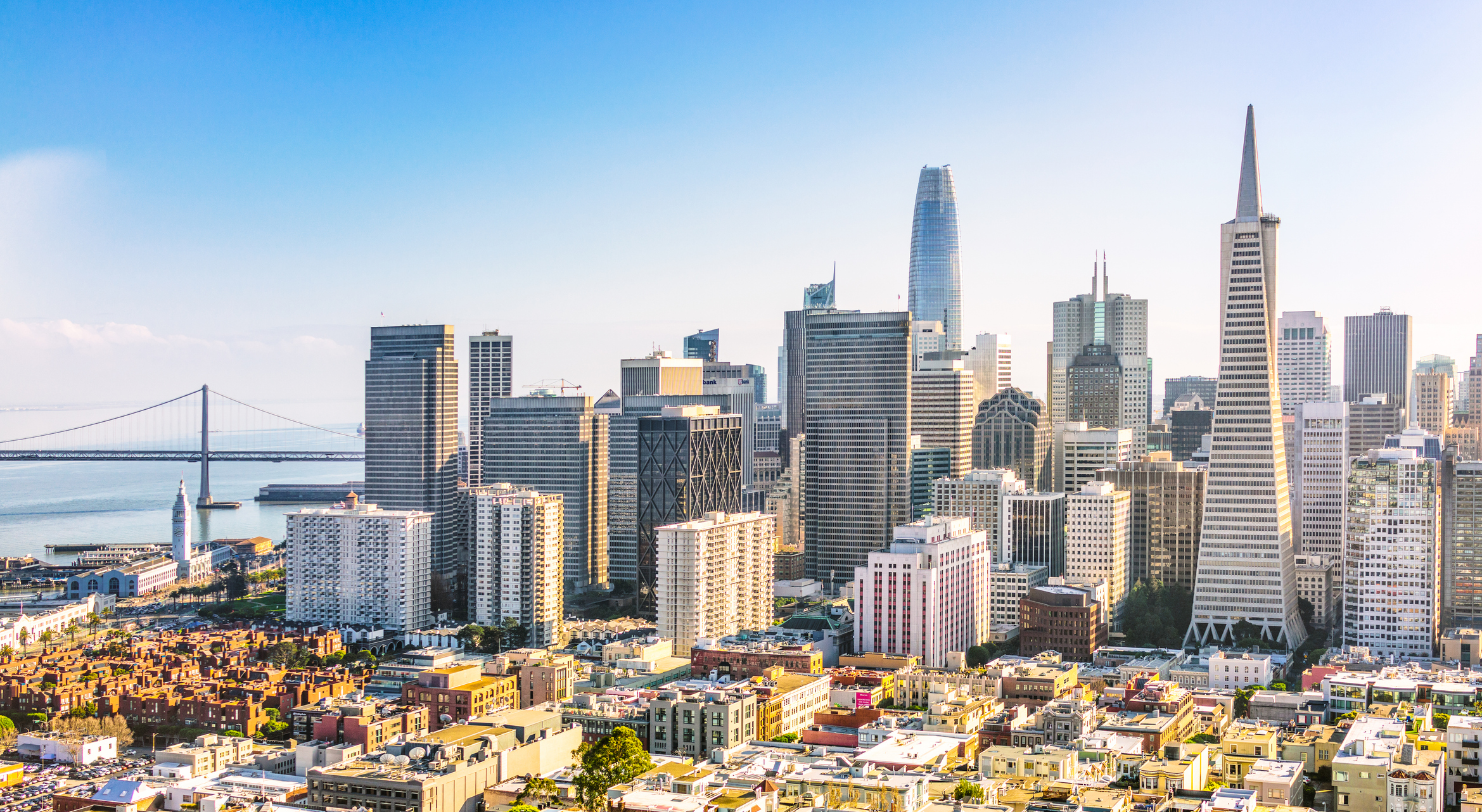
San Francisco, a city often at the forefront of progressive social movements, recently witnessed a peculiar demonstration that, despite its modest turnout, underscored the intensifying national discourse surrounding wealth inequality and the role of the ultra-rich. On a Saturday in early February 2026, a "March for Billionaires" took place, drawing an estimated three dozen participants. This unusual gathering, organized to protest a proposed statewide wealth tax, garnered outsized attention not for its size, but for the striking incongruity of its premise within a city grappling with extreme wealth disparities and a high cost of living. The event saw participants displaying signs with messages such as "We ❤️ You Jeffrey Bezos" and "It’s very difficult to write a nuanced argument on a sign," reflecting a blend of earnest advocacy and self-aware irony.
The demonstration occurred amidst a broader backdrop of economic tension in California, where the concentration of wealth, particularly within the technology sector, has reached unprecedented levels. This dynamic has fueled calls for more aggressive taxation policies aimed at generating revenue for public services and mitigating social inequalities. The "March for Billionaires" became a symbolic flashpoint, highlighting the complex and often contentious relationship between California’s innovative economy, its burgeoning billionaire class, and the fiscal challenges facing the state.
The Catalyst: California’s Proposed Wealth Tax
At the heart of the "March for Billionaires" was a direct opposition to the "Billionaire Tax Act," a proposed state ballot measure designed to address wealth concentration. This legislative initiative aimed to levy a one-time, 5% tax on the total wealth of Californians exceeding $1 billion. Proponents of the measure argue that such a tax is a necessary step to rebalance the state’s economic landscape, fund critical public services, and ensure that the wealthiest individuals contribute a fair share to the collective good. The vast sums potentially generated by such a tax could, theoretically, be channeled into areas like housing, education, healthcare, and infrastructure, all of which face significant funding gaps in California.
However, the proposal has faced considerable resistance, particularly from business advocacy groups and certain political factions who argue that it could incentivize capital flight, deter investment, and ultimately harm the state’s economic competitiveness. The very existence of the "March for Billionaires," regardless of its size, served as a tangible, if small-scale, manifestation of this opposition. Even before the proposed measure could gain significant traction, Governor Gavin Newsom publicly stated his intention to veto the Billionaire Tax Act should it successfully pass through the legislative process and be approved by voters, signaling significant political hurdles for the tax’s future.
San Francisco: A Nexus of Wealth and Disparity
San Francisco’s unique socio-economic fabric provides crucial context for understanding the "March for Billionaires." The city has long been a symbol of progressive ideals, a hub for counter-culture movements, and a leader in environmental and social justice initiatives. Yet, it has also become a global epicenter for the technology industry, attracting immense capital and fostering the creation of numerous billionaires. This influx of wealth has dramatically reshaped the city, leading to an astronomical cost of living, severe housing shortages, and a stark visual contrast between its affluent neighborhoods and its visible homeless population.
The tension between San Francisco’s historical progressive values and the economic realities of the tech boom often plays out in public discourse and policy debates. On one hand, the city benefits from the innovation and job creation driven by tech giants and startups. On the other hand, the rapid accumulation of wealth at the top has exacerbated issues of affordability and access for many long-term residents. The "March for Billionaires" thus became more than just a protest against a tax; it inadvertently highlighted this deep-seated friction, a small group attempting to articulate a defense of extreme wealth in a city struggling with its consequences. The fact that journalists nearly outnumbered the actual demonstrators at the event, as reported by local media, further amplified the symbolic, rather than numerical, significance of the protest.
Arguments For and Against Wealth Taxation
The debate surrounding wealth taxes is not new, nor is it confined to California. Historically, many nations have experimented with various forms of wealth taxation, though often with mixed results regarding implementation and long-term efficacy. In the United States, direct wealth taxes are uncommon, though estate taxes and property taxes represent forms of wealth-based taxation. Proponents of wealth taxes often point to rising global wealth inequality, arguing that existing income and capital gains taxes do not adequately capture the value held by the ultra-rich. They contend that a wealth tax could serve as a powerful tool for redistributing resources, funding social safety nets, and ensuring greater societal equity. Economic models suggest that even a modest wealth tax on the top percentile of earners could generate substantial revenue for public coffers.
Conversely, critics raise concerns about the practical challenges of implementing such a tax. Valuing complex assets, such as private company shares, art collections, or intellectual property, can be incredibly difficult and lead to contentious disputes. There are also arguments about potential disincentives for investment and entrepreneurship. Opponents often cite the risk of capital flight, where wealthy individuals might relocate to states or countries without such taxes, thus diminishing the tax base and potentially harming the local economy. Moreover, legal challenges regarding the constitutionality of direct wealth taxes in the U.S. have been raised, primarily concerning the interpretation of the "direct tax" clause in the Constitution. The nuanced arguments, as one protest sign humorously noted, are indeed difficult to distill into a concise slogan, reflecting the complexity of the economic and legal considerations.
The Organizer’s Perspective and Broader Fiscal Debates
Derik Kauffman, the organizer of the "March for Billionaires" and founder of the AI startup RunRL, is not a billionaire himself. His motivation, as articulated to reporters, extended beyond merely opposing the wealth tax. Kauffman voiced concerns about California’s fiscal policies, specifically mentioning the state’s provision of health insurance to undocumented immigrants. He asserted that California is "the only state to give health insurance to people who come into the country illegally," and suggested that such provisions should not be offered. This statement, while factually inaccurate (at least fourteen states offer some form of healthcare coverage to undocumented immigrants), reveals a broader conservative critique of California’s spending priorities and its social welfare programs.
Kauffman’s remarks connect the wealth tax debate to larger conversations about government spending, resource allocation, and the perceived drain on public funds. For some, the proposed wealth tax is an attempt to address systemic issues and invest in a more equitable society. For others, it represents government overreach and an inefficient means of addressing fiscal challenges, which they believe should instead be met through re-evaluating existing expenditures. This juxtaposition of arguments highlights the ideological divide that characterizes much of California’s political landscape, where debates about economic justice often intersect with discussions about immigration, healthcare, and the role of government.
Public Discourse and Political Realities
The "March for Billionaires," despite its minimal physical footprint, resonated significantly in digital spaces, drawing "outsized attention on social media." This online engagement underscores the power of social media to amplify niche events and transform them into catalysts for broader public discourse. The very novelty of a "pro-billionaire" march in a city like San Francisco was enough to spark conversations, debates, and even satire across various platforms. This digital amplification suggests that the impact of a protest is no longer solely measured by the number of boots on the ground, but also by its ability to penetrate and shape the online narrative.
Politically, the future of the Billionaire Tax Act in California remains uncertain. Governor Newsom’s preemptive veto threat indicates the significant political headwinds such a measure would face, even if it were to pass a public vote. The state’s Democratic leadership, while often championing progressive causes, must also navigate the concerns of a powerful business lobby and the potential economic repercussions of policies perceived as anti-business. The debate is likely to continue, fueled by ongoing discussions about wealth inequality, the state’s budget needs, and the optimal path to sustainable economic growth. The small march, in its unique way, served as a microcosm of this complex and multifaceted political reality, reflecting the challenging balancing act inherent in governing a state as economically diverse and ideologically varied as California.
Looking Ahead: The Future of Wealth Taxation in California
As California continues to grapple with its immense wealth and persistent social challenges, the discussion around progressive taxation, including potential wealth taxes, is unlikely to dissipate. The "March for Billionaires," while a numerically small event, served as a vivid reminder of the deeply entrenched, often contradictory, viewpoints that shape public policy in the Golden State. It highlighted the fundamental question of who should bear the financial responsibility for addressing societal needs and how best to ensure a prosperous future for all residents. The dialogue will continue to involve economists, policymakers, activists, and citizens, each bringing their perspectives to a debate that transcends simple financial calculations and delves into core questions of fairness, opportunity, and the very nature of a just society. The legacy of this peculiar protest may not be in its attendance figures, but in its ability to underscore the profound societal tensions bubbling beneath the surface of one of the world’s most dynamic economies.