Amir Mahmud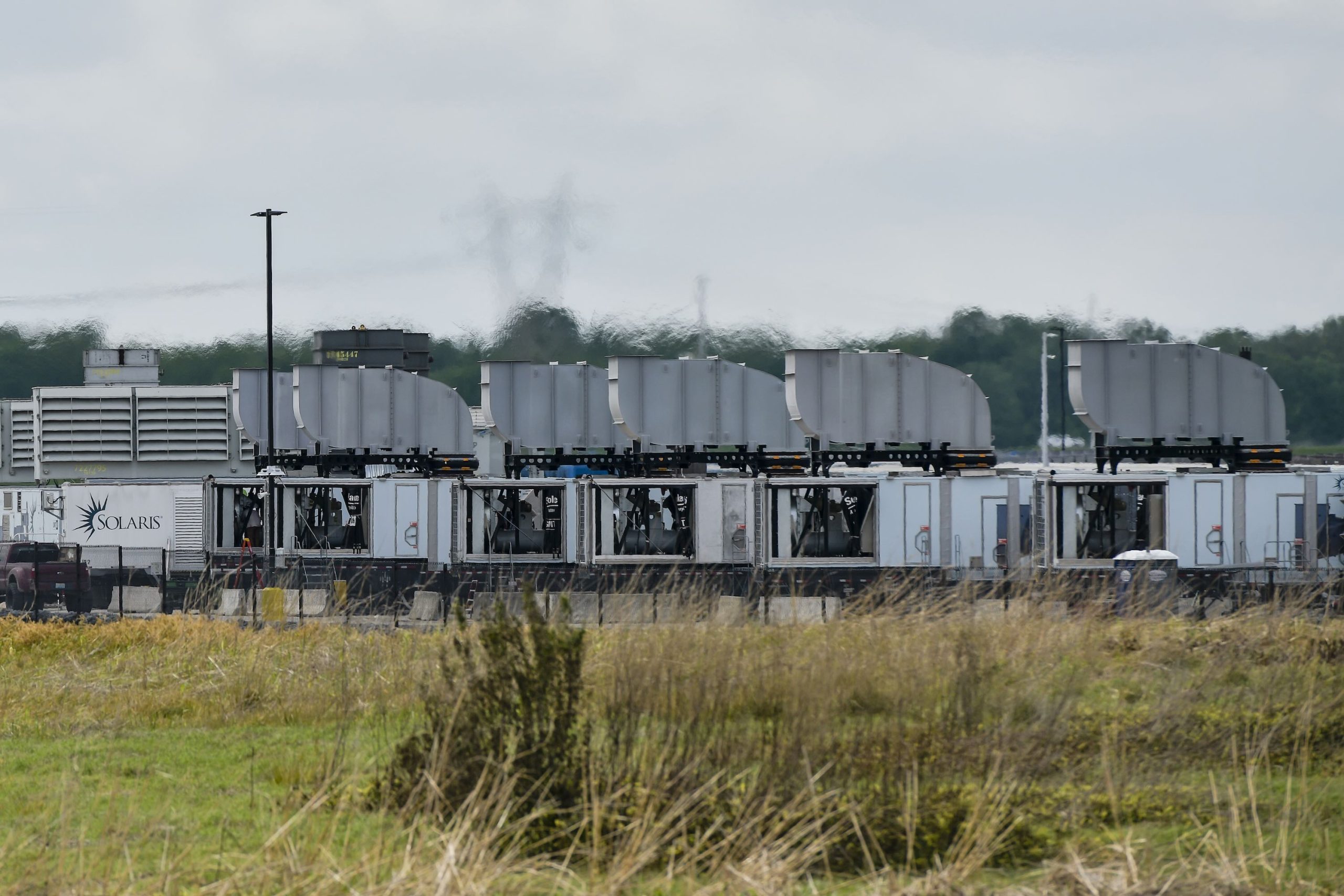
In a compelling narrative unfolding in northern Kentucky, Ida Huddleston, an 82-year-old matriarch, and her family have firmly declined a substantial $26 million offer from a prominent artificial intelligence company, which sought to acquire a portion of their expansive 1,200-acre farm for the development of a data center. This refusal, rooted deeply in concerns for environmental preservation and the continuation of an agricultural legacy, highlights a growing tension between the accelerating demands of the digital economy and the enduring values of rural communities. The family’s decision not only reflects a commitment to their ancestral land but also underscores a broader societal debate regarding sustainable development and the true cost of technological advancement.
The Clash of Values: Land and Legacy Versus Digital Infrastructure
The Huddleston family farm, a fixture in Mason County for generations, represents more than just real estate; it embodies a way of life intrinsically linked to the land. Last year, the unnamed AI corporation extended the multi-million dollar proposal, aiming to integrate the property into a vast new data center complex. However, the Huddlestons unequivocally rejected the lucrative bid, citing profound apprehensions about the potential environmental degradation and disruption that such a facility would introduce to their community. Mrs. Huddleston articulated her family’s stance to local media, stating, "They call us old stupid farmers, you know, but we’re not. We know whenever our food is disappearing, our lands are disappearing, and we don’t have any water — and that poison. Well, we know we’ve had it." Her comments allude to documented issues of water scarcity and localized pollution that have emerged in proximity to data centers in various regions.
Beyond environmental considerations, Mrs. Huddleston expressed skepticism regarding the economic benefits often touted by developers for such projects. She dismissed the promise of widespread jobs and substantial growth for Mason County as a "scam," suggesting that the long-term costs could outweigh any short-term gains. Despite the family’s refusal, the AI company has reportedly revised its strategy, filing a zoning request to reclassify over 2,000 acres in the vicinity. This move indicates that the tech giant may still proceed with its plans for a large-scale data center, potentially situating it adjacent to the Huddleston property, thereby maintaining the pressure on the local landscape and community.
The Insatiable Appetite of Artificial Intelligence
The current surge in demand for data centers is directly proportional to the explosive growth of artificial intelligence and its myriad applications. These colossal facilities, essentially vast warehouses filled with networked computers and storage systems, are the backbone of the digital world, processing, storing, and transmitting the immense volumes of data that power everything from social media to sophisticated AI algorithms. Companies like Google, Meta, Amazon, Microsoft, and emerging players such as xAI are engaged in an unprecedented expansion, investing billions into new infrastructure to support their cloud computing services, machine learning models, and generative AI platforms.
The relentless innovation in AI, characterized by increasingly complex models and real-time processing requirements, necessitates an ever-growing physical footprint. Each query to a large language model, every cloud-based transaction, and every AI-driven recommendation relies on these data centers operating 24/7. This digital acceleration has transformed what was once a niche infrastructure sector into a global land and resource acquisition spree, as tech companies scout for locations that can offer abundant land, reliable and affordable electricity, access to robust fiber optic networks, and, crucially, significant water sources for cooling. Rural areas, often possessing these attributes and sometimes offering attractive tax incentives, have become prime targets for development, leading to situations like the one unfolding in northern Kentucky.
Environmental Footprint: Water, Energy, and Land
The environmental impact of data centers is a rapidly escalating concern. One of the most significant issues is their colossal water consumption. The servers and networking equipment within these facilities generate immense heat, requiring sophisticated cooling systems to prevent overheating and ensure optimal performance. Many data centers employ evaporative cooling towers, which use vast quantities of water to dissipate heat into the atmosphere. This process can deplete local water supplies, particularly in regions already experiencing drought conditions or facing competing demands for agricultural and municipal use. Reports from various locations globally have highlighted how data centers can strain local water resources, contributing to shortages for residents and farmers.
Energy consumption presents another substantial challenge. Data centers are incredibly power-intensive, often requiring as much electricity as small cities. The energy needed to run servers, storage devices, and cooling systems contributes significantly to carbon emissions, especially when electricity is sourced from fossil fuel-dependent grids. This demand can strain local power grids, necessitate upgrades to infrastructure, and, in some cases, lead to the construction of new power plants, further impacting the environment. The continuous operation also generates considerable noise pollution from fans and cooling equipment, which can be a nuisance to nearby residents.
Furthermore, the sheer scale of modern data centers means they occupy vast tracts of land. The conversion of agricultural land, like the Huddleston farm, or natural habitats into industrial complexes has irreversible consequences. It leads to habitat loss, fragmentation of ecosystems, and reduced biodiversity. The loss of productive farmland also carries significant implications for local food security and the preservation of agricultural heritage, directly impacting communities whose livelihoods and identities are tied to the land.
Economic Promises Versus Local Realities
Developers frequently present data center projects as engines of economic growth, promising jobs, increased tax revenue, and technological advancement for host communities. However, the reality on the ground can often diverge from these initial projections. While data centers do create some highly specialized, well-paying jobs in IT, engineering, and security, the total number of permanent operational positions is often much smaller than anticipated, especially when compared to traditional manufacturing or service industries. Many tasks within these facilities are automated, and construction jobs, while significant during the build phase, are temporary.
For rural communities, the promise of substantial property tax revenue can be appealing, yet these revenues often come with hidden costs, such as the need for increased infrastructure (roads, power grid upgrades) and potential strains on existing services. Mrs. Huddleston’s skepticism about the economic windfall for Mason County reflects a growing awareness among local populations that the benefits might not be as broadly distributed or transformative as advertised. The introduction of such large-scale industrial facilities can also alter the character of a rural area, potentially impacting property values for neighboring landowners in ways that are not always positive, depending on proximity and community perception.
A Broader National Trend and the Call for Sustainable Development
The conflict in Mason County, Kentucky, is not an isolated incident but rather a microcosm of a larger national and global trend. Communities across the United States, from Virginia’s "Data Center Alley" to rural Oregon and Texas, are grappling with similar dilemmas. Local planning boards and residents find themselves caught between the allure of economic investment and the imperative to protect their environment, cultural heritage, and quality of life. The rapid pace of data center expansion often outstrips the capacity of local zoning regulations and environmental impact assessments to adequately address the long-term consequences.
There is a growing call for more comprehensive policy and regulatory frameworks at state and federal levels to guide data center development. Advocates for sustainable practices emphasize the need for tech companies to prioritize renewable energy sources, implement more efficient cooling technologies that minimize water usage, and consider brownfield sites or less environmentally sensitive locations for construction. The dialogue extends beyond mere economic metrics to encompass a holistic understanding of community well-being, ecological resilience, and the ethical responsibilities of technological advancement.
Ida Huddleston and her family’s steadfast refusal to sell their land for a data center serves as a poignant reminder of the enduring power of personal conviction in the face of immense financial pressure. Their decision symbolizes a resistance to the relentless march of digitalization when it clashes with deeply held values of land stewardship and environmental protection. As the AI industry continues its exponential growth, the challenge for society will be to find a balance where technological progress can flourish without irrevocably sacrificing the natural resources and cherished ways of life that sustain communities like those in northern Kentucky. The zoning request in Mason County signals that the immediate future for the Huddlestons, and indeed for many rural communities, remains one of vigilance and ongoing advocacy.








 Azin Asro