Amir Mahmud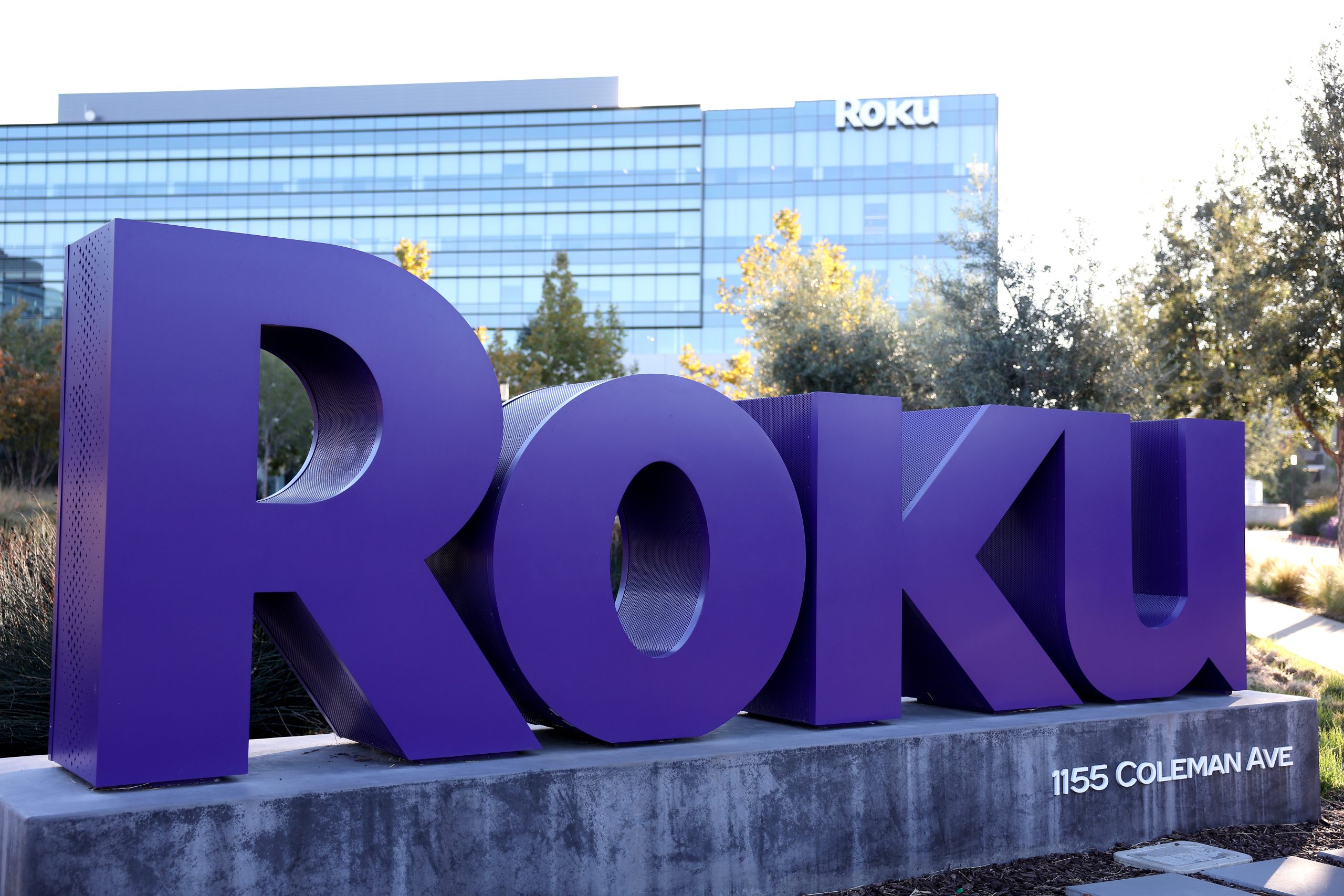
Roku, a pioneer in the streaming media landscape, has announced a robust strategic roadmap for 2026, building on a strong financial performance in the fourth quarter of 2025. The company revealed ambitious plans to launch new streaming bundles, significantly broaden the reach of its proprietary ad-free subscription service, Howdy, and cultivate deeper partnerships with premium content providers. These initiatives signal Roku’s commitment to sustained profitability and growth within an increasingly complex and competitive digital entertainment ecosystem.
A Strategic Pivot in a Crowded Market
The streaming industry, once characterized by a rush to unbundle traditional cable television, is now witnessing a strategic pivot towards re-aggregation and value-driven offerings. Roku’s move into streaming bundles and the expansion of its own services comes at a critical juncture, as consumers grapple with rising subscription costs and a fragmented content landscape. For years, Roku has positioned itself as the neutral gateway to a vast array of streaming services, offering hardware and a user-friendly operating system that aggregates content from various providers. This new strategy, however, sees Roku taking a more active role in curating and packaging content, seeking to enhance its value proposition directly to consumers while bolstering its platform revenue. This evolution reflects a broader industry trend where platform owners are looking to exert greater control over the user experience and capture more of the direct-to-consumer revenue stream.
The Allure of Streaming Bundles
Scheduled for launch in 2026, Roku’s streaming bundles are designed to capitalize on growing consumer demand for more affordable and streamlined access to digital entertainment. The concept of bundling, while new to the contemporary streaming wars, has deep roots in media history, mirroring the traditional cable television model that offered packages of channels. However, unlike the often-inflexible cable bundles of the past, Roku’s approach is expected to leverage its deep understanding of user preferences and viewing habits to create more personalized and enticing combinations of services.
The market conditions are ripe for such a move. Over the past few years, a proliferation of streaming services has led to "subscription fatigue," where households subscribe to multiple platforms, often resulting in monthly bills that rival or even exceed previous cable costs. Many premium streaming platforms, including some of Roku’s partners, have recently increased their subscription rates, further pressuring household budgets. By offering curated bundles at a potentially discounted price, Roku aims to attract cost-conscious consumers, reduce churn for individual services, and provide a convenient solution to content discovery. This strategy positions Roku not just as an access point, but as a value aggregator, potentially shifting more of the consumer spending towards its platform. The success of its existing premium subscription partnerships, notably with HBO Max (now simply Max), has provided a proof of concept for this model, indicating that consumers are receptive to simplified billing and integrated access to top-tier content through a single platform.
Howdy’s Ambitious Expansion
Roku’s ad-free subscription streaming service, Howdy, launched in 2025, is poised for significant expansion beyond the Roku platform. Initially introduced as a $3 ad-free offering, Howdy represented Roku’s foray into proprietary content services, albeit distinct from a traditional content studio. While specific details regarding its broader distribution remain undisclosed, CEO Anthony Wood’s statement at CES, "We want to distribute it everywhere," underscores the company’s ambitious vision for the service. This expansion signifies a strategic shift for Roku, moving beyond its role solely as a platform provider to become a content distributor in its own right, albeit with a focus on value and user experience rather than blockbuster originals.
The expansion of Howdy could have several profound impacts. First, it diversifies Roku’s revenue streams beyond advertising and platform fees, directly engaging with consumers through a subscription model. Second, it allows Howdy to compete more directly with other budget-friendly streaming options, potentially attracting subscribers who are looking for a simple, ad-free experience without the higher price tag of premium services. Third, by being available on non-Roku devices, Howdy could serve as a powerful brand ambassador, introducing users to Roku’s ecosystem even if they don’t own Roku hardware. This cross-platform availability could significantly increase Howdy’s subscriber base and, by extension, Roku’s influence in the broader streaming landscape. The challenge will be to differentiate Howdy’s content offering and value proposition in a crowded market where even ad-free services must compete on content quality and user interface.
Deepening Premium Partnerships
The successful integration and subsequent positive impact of HBO Max on Roku’s premium subscriptions have paved the way for the company to pursue deeper and more numerous partnerships with other top-tier streaming services. This strategy is mutually beneficial: Roku gains attractive content for its bundles and platform, while premium services benefit from Roku’s vast user base and streamlined distribution. For Roku, these partnerships are crucial for maintaining its position as a leading aggregator. As the "streaming wars" have intensified, content owners have increasingly sought direct relationships with consumers. However, the sheer number of services has led to discovery challenges and subscription fatigue, making aggregators like Roku more valuable than ever.
By fostering these alliances, Roku reinforces its platform as an essential gateway for content providers seeking audience reach and engagement. The ability to integrate subscription management and billing directly through Roku simplifies the user experience, potentially reducing friction for new sign-ups and improving retention rates for partner services. This symbiotic relationship allows Roku to leverage the brand power and content libraries of established players, while offering its partners a robust distribution channel and a direct line to millions of engaged viewers. The strategic emphasis on premium partnerships also ensures that Roku’s bundles will feature high-quality, in-demand content, enhancing their attractiveness to a broad consumer base.
Financial Resilience and Future Outlook
Roku’s strategic initiatives are underpinned by a robust financial turnaround, highlighted by an impressive fourth quarter of 2025. The company reported a net income of $80.5 million, a significant rebound from a $35.5 million loss in the same period last year. This remarkable swing demonstrates Roku’s effective cost management and growth strategies. Total revenue for Q4 2025 reached $1.4 billion, marking a substantial 16% year-over-year increase. This financial strength provides Roku with the necessary capital and confidence to execute its ambitious plans for 2026 and beyond.
Looking ahead, Roku has expressed considerable optimism, projecting total net revenue of $5.5 billion and a gross profit of $2.4 billion. CEO Anthony Wood emphasized the company’s disciplined approach to financial health, stating, "In 2023, our priority was to rightsize our cost structure and reach adjusted EBITDA breakeven in 2024, and we achieved that goal a full year ahead of schedule." This early achievement of key financial milestones instills confidence in Roku’s ability to manage its operations efficiently while pursuing aggressive growth. Wood further affirmed, "Looking ahead to 2026 and beyond, we are confident in our ability to sustain double-digit platform revenue growth while continuing to grow profitability." This outlook suggests a balanced approach, focusing on both expanding market share and enhancing financial returns, a critical factor for investor confidence in a dynamic tech sector.
User Engagement and Platform Reach
Beyond financial metrics, Roku continues to demonstrate strong user engagement and platform growth. In 2025, Roku users streamed an astounding 145.6 billion hours of video, representing a 15% increase from 2024. This significant surge in viewing hours underscores the platform’s central role in millions of households’ entertainment consumption. High engagement is a crucial indicator of platform stickiness and directly correlates with advertising revenue, which remains a core component of Roku’s business model. More viewing hours mean more opportunities for ad impressions and, consequently, higher ad revenue.
The company is also nearing the impressive milestone of 100 million streaming households, a testament to its widespread adoption across the United States and increasingly, internationally. While Roku has opted to report this figure less frequently moving forward, the impending achievement highlights its massive scale and reach. This extensive user base provides a powerful foundation for the success of its new bundles and the expansion of Howdy, as it offers a direct channel to a large, engaged audience. The combination of sustained user growth and increasing engagement hours positions Roku as a formidable player in the digital media ecosystem, capable of influencing content consumption patterns and driving advertiser interest.
Broader Market Dynamics and Roku’s Position
Roku operates within a highly competitive digital media landscape, vying for consumer attention and platform dominance against tech giants like Amazon (Fire TV), Google (Android TV, Chromecast), Apple (Apple TV), and smart TV manufacturers that integrate their own operating systems. What differentiates Roku is its long-standing commitment to neutrality as an aggregator, providing an open platform for virtually all streaming services. This neutrality has historically been a significant draw for both consumers and content providers.
However, Roku’s foray into proprietary services like Howdy and its active curation of bundles could subtly shift this perception. While remaining an open platform, these moves indicate a desire to capture more direct value from the content ecosystem. This strategy is not without its challenges; maintaining trust with partners while simultaneously competing with them or bundling their services requires delicate navigation. The overarching trend in the market is towards consolidation and integration, where hardware, software, and content increasingly converge. Roku’s strength lies in its operating system and user interface, which prioritize simplicity and discoverability, making it a preferred choice for many consumers overwhelmed by choice. Its extensive ad-supported content on The Roku Channel further diversifies its offerings, tapping into the growing AVOD (Advertising-Video On Demand) market.
Challenges and Opportunities Ahead
Despite its strong position and ambitious plans, Roku faces several challenges. The advertising market, a significant revenue source, can be volatile, influenced by broader economic conditions. Intense competition from other smart TV platforms and streaming device manufacturers necessitates continuous innovation and differentiation. Furthermore, as Roku delves deeper into content bundling and proprietary services, it must carefully manage its relationships with existing streaming partners, ensuring that its new initiatives are perceived as collaborative rather than competitive.
Nevertheless, the opportunities for Roku are substantial. The global shift from linear television to streaming continues unabated, providing a vast addressable market for growth. International expansion remains a key avenue, extending its platform and services to new territories. The increasing sophistication of advertising technology, including programmatic buying and targeted ads, offers avenues for higher monetization of its platform. Moreover, as the streaming market matures, the demand for simplified user experiences and cost-effective content aggregation is only likely to grow, playing directly into Roku’s strengths. By strategically balancing hardware sales, platform revenue, and content monetization, Roku aims to solidify its standing as a central player in the future of digital entertainment.