Amir Mahmud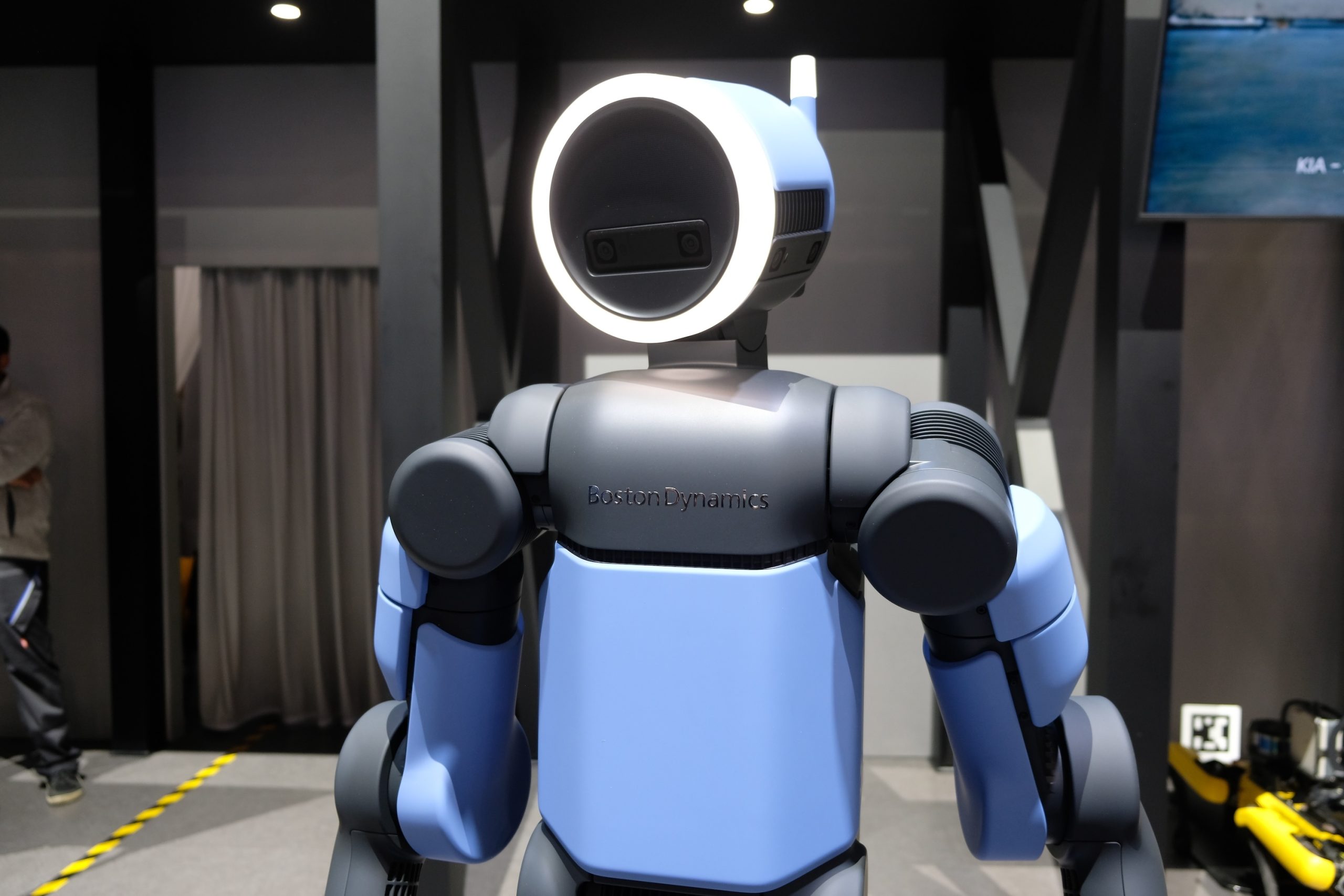
The dawn of 2026 has heralded a transformative period for the mobility sector, marked by a palpable shift towards intelligent, physical systems and an intensifying geopolitical debate over global automotive manufacturing. Recent industry events, particularly the Consumer Electronics Show (CES) in Las Vegas, showcased a profound reorientation, moving away from traditional automotive displays to a future dominated by advanced robotics and artificial intelligence that interacts directly with the physical world. Simultaneously, political rhetoric and policy decisions underscore a growing divide on international trade, especially concerning the influx of Chinese electric vehicles into North American markets.
The Emergence of Physical AI at CES 2026
The annual Consumer Electronics Show, a traditional barometer for technological innovation, presented a starkly different landscape in early 2026. Notably, major U.S. automakers, once prominent fixtures, were conspicuously absent from the main exhibition halls. Their traditional spaces were instead occupied by a new vanguard of technology companies, including autonomous vehicle developers like Zoox, Tensor Auto, Tier IV, and a rebranded Waymo showcasing its Zeekr robotaxi. Alongside these innovators were a significant contingent of Chinese automotive manufacturers such as Geely and GWM, as well as a plethora of software and advanced chip producers. However, the most compelling and pervasive theme resonating throughout the convention center was what Nvidia CEO Jensen Huang has termed "physical AI," also frequently referred to as "embodied AI."
This burgeoning field represents a critical evolution of artificial intelligence, extending its capabilities beyond purely digital realms and into the tangible, physics-governed environment. Physical AI systems integrate sophisticated AI models with an array of sensors, cameras, and motorized controls. This synthesis enables physical entities—ranging from humanoid robots and autonomous drones to industrial forklifts and robotaxis—to perceive, comprehend, and make operational decisions within their real-world surroundings. The applications demonstrated at CES spanned a vast array of industries, including agriculture, industrial automation, logistics, personal assistance, and even wearables, signaling a widespread integration into daily life and enterprise.
A New Era for Robotics
The historical trajectory of robotics has seen a progression from rudimentary industrial arms in factories to more sophisticated, collaborative robots, and now, a resurgence in humanoid forms. The concept of physical AI builds upon decades of research in cyber-physical systems and advanced automation, but it significantly elevates the intelligence and adaptability of these machines. What makes this current wave distinct is the combination of vastly improved AI algorithms, particularly in areas like large language models and reinforcement learning, with increasingly capable and cost-effective hardware. This synergy allows robots to learn and adapt in complex, unpredictable environments, a capability that was once confined to science fiction.
Hyundai, a Korean automotive giant, exemplified this shift with one of the most frequented and expansive exhibits at CES. Its display was not centered on new car models but rather on an extensive array of robotic innovations. Among the highlights was the latest iteration of the Atlas humanoid robot, a marvel of engineering from Hyundai’s subsidiary, Boston Dynamics. Boston Dynamics, with its legacy of developing highly dynamic and agile robots like BigDog and Spot, represents a pinnacle in this field. Its acquisition by Hyundai Motor Group in 2020 signaled a strategic commitment to advanced robotics, integrating physical AI into its broader mobility vision. The Hyundai Motor Group Robotics LAB also unveiled several groundbreaking innovations, including a robot designed to autonomously charge electric autonomous vehicles and the Mobile Eccentric Droid (MobEd), a four-wheel electric platform slated for production this year, capable of adapting its form factor for various delivery and service applications. The pervasive presence of robotics, particularly humanoids, underscored a collective industry belief in the imminent commercial viability of these technologies.
Navigating the Hype Cycle
The enthusiasm surrounding humanoids and physical AI at CES was undeniable, yet it also brought to mind the cyclical nature of technological hype. Amnon Shashua, co-founder and president of Mobileye, a leader in computer vision for autonomous driving, addressed this sentiment directly. His company’s recent $900 million acquisition of humanoid robotics startup Mentee Robotics underscored his conviction. When confronted with skepticism about humanoid robots being merely hype, Shashua drew a parallel to the early days of the internet. "The internet was also a hype, remember in 2000, the crisis of the internet," he stated. "It did not mean that the internet is not a real thing. Hype means that companies are overvalued for a certain period of time, and then they crash. It does not mean that the domain is not real. I believe that the domain of humanoids is real." This analytical perspective suggests that while market valuations may fluctuate wildly, the underlying technological advancements and their potential impact are fundamentally sound. The long-term market impact of physical AI is projected to be immense, potentially revolutionizing sectors from manufacturing and logistics to healthcare and personal services, but not without navigating the typical challenges of nascent technologies, including high development costs, regulatory hurdles, and public acceptance.
Beyond the immediate exhibits, CES 2026 also provided glimpses into related advancements, such as Nvidia’s launch of Alpamayo, an open AI model suite designed to enable autonomous vehicles to process and "think" more like humans. The event also saw the unveiling of Uber’s new robotaxi, developed in collaboration with Lucid and Nuro, and, as mentioned, Mobileye’s significant investment in the humanoid space. These developments collectively painted a picture of a mobility ecosystem rapidly converging with advanced AI and robotics.
Geopolitical Crossroads: Chinese Automakers and North American Markets
While technological innovation captured headlines, a parallel narrative unfolded regarding the intricate dance of international trade and national security, particularly concerning Chinese automakers’ ambitions in North America. President Trump’s recent remarks at a Detroit Economic Club meeting ignited significant concern within the U.S. auto industry. His statements, expressing a welcome for Chinese companies to establish manufacturing plants in the U.S. and create jobs, contrasted sharply with existing protective measures and industry sentiment.
The American Stance: Security and Economic Safeguards
Insiders within the auto industry, including sources close to the Alliance for Automotive Innovation, the sector’s influential lobbying group, expressed alarm over Trump’s stance. The underlying tension stems from a complex interplay of economic competitiveness, intellectual property concerns, and national security implications. The historical context of foreign automakers establishing U.S. plants, such as Japanese companies like Toyota decades ago, was primarily driven by economic factors and access to the American consumer market. However, the current situation with Chinese automakers is viewed differently due to broader geopolitical tensions and the nature of modern connected vehicles.
A critical hurdle to the direct sale of Chinese-made vehicles in the U.S. is the 2025 rule issued by the U.S. Department of Commerce’s Bureau of Industry and Security. This regulation significantly restricts the import and sale of certain connected vehicles and associated hardware and software linked to entities in China or Russia. The rule is designed to mitigate potential national security risks, specifically concerns that these vehicles could be used for espionage, data exfiltration, or disruption of critical infrastructure. Connected vehicles, with their extensive sensors, cameras, and communication capabilities, collect vast amounts of data, making them potential vectors for foreign intelligence gathering.
Avery Ash, CEO of SAFE (Securing America’s Future Energy), a nonpartisan organization focused on U.S. energy, critical materials, and supply chain security, articulated these concerns. "Welcoming Chinese automakers to build cars here in the U.S. will reverse these hard-won accomplishments and put Americans at risk," Ash stated. He highlighted potential "catastrophic impacts" on the domestic automotive industry, ripple effects on the defense industrial base, and compromised national security, citing lessons learned from Europe’s experience. This perspective underscores a broader strategic effort to safeguard American economic and technological leadership, particularly in critical sectors like automotive manufacturing. The debate reflects a fundamental tension between the economic benefits of foreign investment and competition versus the perceived risks to national security and domestic industrial capacity.
Canada’s Contrasting Approach: Opening the Door
In stark contrast to the U.S., Canada appears to be charting a different course regarding Chinese electric vehicles (EVs). Canadian Prime Minister Mark Carney announced plans to significantly reduce the import tax on Chinese EVs from a prohibitive 100% to a mere 6.1%. This policy shift is expected to open the Canadian market to a wave of Chinese-made electric vehicles, which often boast competitive pricing and advanced features.
Canada’s decision could be driven by several factors, including a desire to accelerate EV adoption to meet climate targets, increase competition in its domestic automotive market, and potentially foster new trade relationships. The move is likely to have significant market implications, potentially offering Canadian consumers more affordable EV options and putting pressure on existing automakers to innovate and compete on price. However, it also raises questions about potential impacts on Canada’s domestic auto industry and its alignment with U.S. trade and security policies. The differing approaches between the two North American neighbors highlight the complex economic and political calculus involved in managing global trade in an era of technological disruption and geopolitical rivalry.
Key Business Transactions and Industry Developments
Beyond the headline-grabbing trends at CES and the geopolitical discussions, the mobility sector also saw a flurry of significant business activities and operational shifts.
Mergers, Acquisitions, and Investments
- Allegiant expanded its footprint in the budget airline sector by agreeing to acquire rival Sun Country Airlines for approximately $1.5 billion in cash and stock, signaling further consolidation in the competitive air travel market.
- Dealerware, a provider of software services for automotive OEMs and retailers, was acquired by a consortium of growth investors, including Wavecrest Growth Partners and Radian Capital, indicating continued investment in the digital transformation of the automotive retail experience.
- Long-distance bus and train operator Flix secured a majority stake in European airport transfer platform Flibco, reflecting a strategic move towards expanding integrated mobility services across different transportation modes.
- JetZero, a Long Beach, California-based startup developing fuel-efficient, triangular-shaped aircraft, raised $175 million in a Series B funding round led by B Capital. This significant investment underscores growing interest in innovative aerospace designs aimed at reducing carbon emissions and challenging traditional aircraft manufacturers.
- Joby Aviation, a pioneer in electric air taxis, announced an agreement to acquire a 700,000-square-foot manufacturing facility in Dayton, Ohio. This expansion is crucial for Joby’s ambitious plans to scale production and meet the anticipated demand for its eVTOL aircraft, targeting a doubling of output by 2027.
- In a notable transaction reflecting market volatility, Luminar, a prominent lidar technology company, reached a deal to sell its lidar business to Quantum Computing Inc. for just $22 million. This valuation stands in stark contrast to Luminar’s peak valuation of $11 billion in 2021, illustrating the intense competition and rapid shifts within the autonomous vehicle sensor market.
Operational Shifts and Policy Updates
- A security vulnerability at Bluspark Global, a New York-based shipping and supply chain software company, publicly exposed its shipping systems and customer data, highlighting the critical importance of robust cybersecurity in the logistics sector.
- The Federal Trade Commission (FTC) finalized an order prohibiting General Motors and its OnStar telematics service from sharing specific consumer data with consumer reporting agencies, emphasizing increasing regulatory scrutiny on data privacy within connected car ecosystems.
- InDrive, originally a ride-hailing platform known for its user-set pricing model, unveiled plans to diversify its revenue streams and evolve into a "super app." This strategy includes expanding in-app advertising across its top 20 markets and extending its grocery delivery service to Pakistan, aligning with a broader trend of multi-service digital platforms.
- Motional, the autonomous vehicle company majority-owned by Hyundai, announced a significant reboot of its operations, adopting an "AI-first approach." After pausing operations last year, the company is targeting 2026 for a renewed push into driverless service, reflecting the ongoing strategic adjustments and technological refinements within the AV industry.
- New York Governor Kathy Hochul intends to introduce legislation that would effectively legalize robotaxis across the state, with the notable exception of New York City. This legislative effort aims to expand the state’s existing AV pilot program, paving the way for limited commercial deployment of autonomous passenger vehicles and signaling a significant step towards regulatory clarity for AV operations.
- Tesla shifted its business model for its Full Self-Driving (Supervised) software, moving away from a one-time purchase option to a subscription-only service. This change reflects a broader industry trend towards recurring revenue models for advanced software features and could influence how consumers access premium automotive technologies.
- On-demand drone delivery company Wing announced a substantial expansion of its partnership with Walmart, planning to extend its service to an additional 150 stores. This collaboration highlights the accelerating adoption of drone technology for last-mile delivery, promising greater efficiency and convenience for consumers.
The confluence of these technological leaps, geopolitical maneuvers, and market dynamics underscores a mobility sector in flux, poised for profound transformations in how people and goods move, both locally and globally. The coming years will undoubtedly see continued innovation, intense competition, and critical policy debates shaping the future of transportation.