Amir Mahmud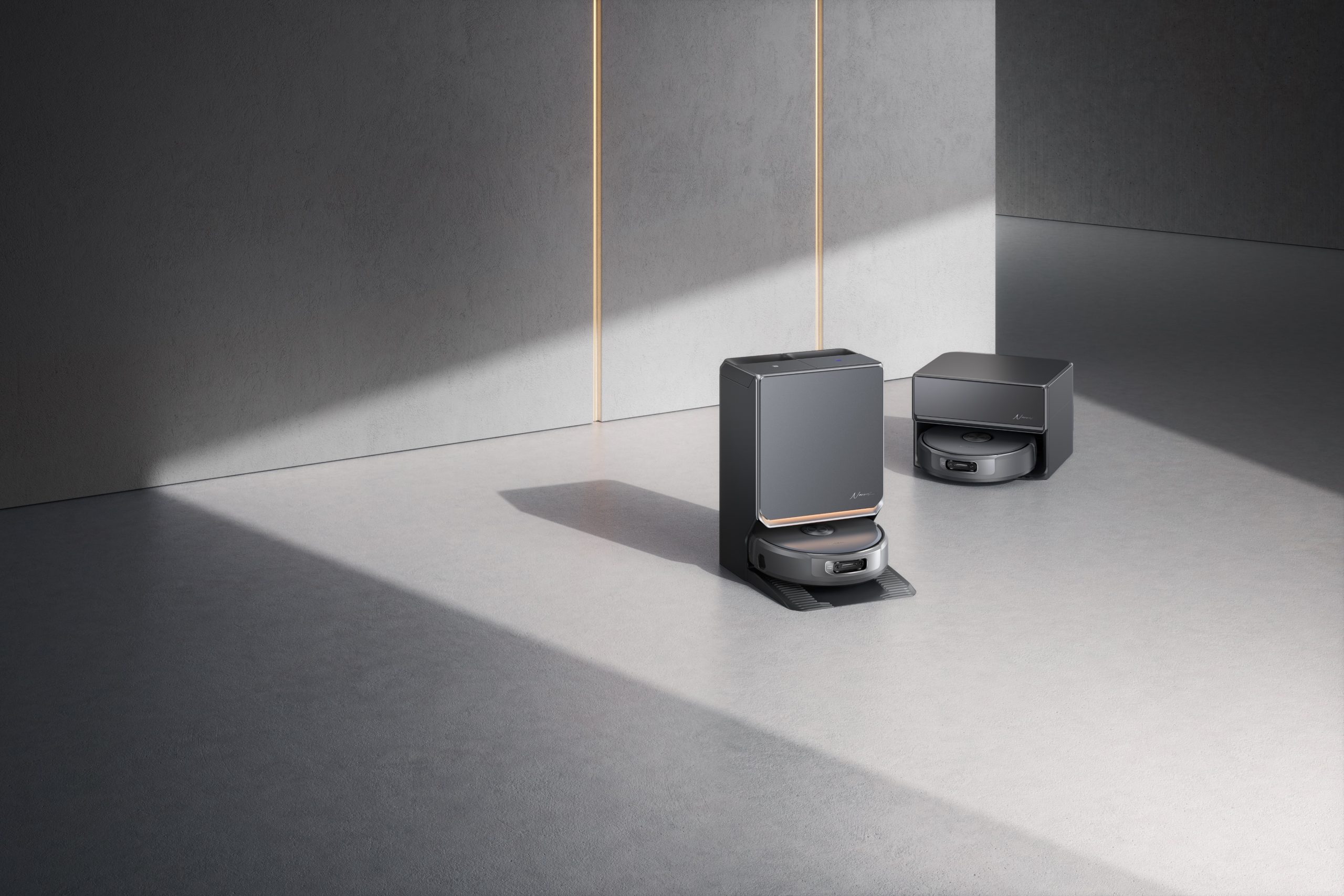
The Consumer Electronics Show (CES), a global stage for technological innovation, recently witnessed a significant evolution in household robotics with Narwal’s introduction of its latest intelligent vacuum cleaners. Among the showcased devices, the flagship Flow 2 robot vacuum stands out, integrating advanced artificial intelligence capabilities that extend far beyond conventional floor cleaning, venturing into realms of home monitoring, object identification, and personalized care. This strategic pivot positions Narwal at the forefront of a growing trend where smart home appliances are transforming from mere automated tools into active participants in household management and security.
Evolution of Robotic Home Cleaning
The journey of robotic vacuum cleaners began in the early 2000s, most notably with the launch of iRobot’s Roomba. Early models, while groundbreaking, relied on rudimentary bump-and-go navigation, often missing spots or getting stuck. Over two decades, these devices have undergone a profound transformation. Initial advancements saw the integration of basic mapping technologies, like simultaneous localization and mapping (SLAM), using infrared sensors and later, more sophisticated LiDAR (Light Detection and Ranging) and VSLAM (Visual SLAM) systems. These technologies allowed robots to intelligently map homes, navigate efficiently, and avoid obstacles, making them indispensable for maintaining cleanliness in modern households.
The market has since become highly competitive, with numerous players like Roborock, Ecovacs, and Samsung pushing boundaries in suction power, battery life, and self-emptying capabilities. However, the next frontier for these devices lies not just in superior cleaning mechanics but in their ability to perceive, understand, and interact with the home environment in a more intelligent and proactive manner. This involves leveraging advancements in computer vision, machine learning, and cloud computing to offer features that address broader consumer needs, from pet care to security and organization. Narwal’s latest offerings represent a significant leap in this direction, moving beyond mere cleaning to offer a new dimension of household intelligence.
The Flow 2: A New Paradigm in Home Intelligence
Narwal’s new flagship Flow 2 robot vacuum cleaner embodies a sophisticated blend of design and technology, engineered to deliver not just cleanliness but also a new layer of domestic awareness. Its aesthetic, characterized by a rounded form factor and user-friendly features like easy-lift tanks, hints at an appliance designed for seamless integration into daily life. However, the true innovation lies beneath its surface, powered by a robust AI architecture.
The device is equipped with a pair of 1080p RGB cameras, offering a wide 136-degree field of view. These high-resolution cameras serve as the robot’s eyes, capturing detailed visual data of its surroundings. This visual input is then fed into advanced AI models, enabling the Flow 2 to meticulously map out living spaces and, crucially, to recognize a diverse array of objects within that environment. This capability moves beyond simple obstacle avoidance, allowing the robot to differentiate between a chair leg and a child’s toy, or a pet and a valuable piece of jewelry.
Advanced Object Recognition and Safety Features
The Flow 2’s object recognition system is designed for expansive learning and adaptation. Narwal asserts that the vacuum possesses the capacity to identify an "unlimited" number of objects, a claim that underscores the flexibility and scalability of its underlying AI. The processing of this visual data occurs in a two-tiered system: initially, the device attempts to identify objects using its on-board local processing capabilities. This local identification prioritizes speed and, in some cases, data privacy by keeping sensitive information within the device. Should an object prove unfamiliar or require more complex analysis, the data is then securely transmitted to the cloud for further, more intensive processing by Narwal’s AI infrastructure. This hybrid approach balances efficient real-time operation with the robust analytical power of cloud-based AI.
One of the most compelling aspects of the Flow 2 is its ability to interact intelligently with items it encounters. Rather than simply cleaning around obstacles, the robot can now identify items of importance and react accordingly. For instance, in its "AI Floor Tag" mode, the Flow 2 is programmed to recognize valuable items such as jewelry. Upon identification, it not only avoids these delicate objects to prevent damage or accidental suction but also actively alerts the user to their presence and location. This feature provides a significant layer of security and convenience, potentially saving users from the distress of lost or damaged valuables. This type of functionality moves the robot vacuum from a cleaning device to a proactive household assistant, capable of contributing to home organization and item management.
Specialized Care Modes: Pets, Babies, and Valuables
Narwal has engineered the Flow 2 with distinct operational modes tailored to specific household needs, reflecting a deeper understanding of diverse consumer lifestyles.
The Pet Care Mode offers more than just efficient cleaning of pet hair. Owners can define specific zones where their pets frequently relax or play. The vacuum then focuses its cleaning efforts on these areas, ensuring optimal hygiene where it’s most needed. Beyond cleaning, this mode transforms the Flow 2 into a pet monitoring device. Utilizing its cameras and integrated two-way audio functionality, pet owners can visually check in on their animals and even communicate with them remotely. While the company humorously notes there’s no guarantee pets will listen, the ability to observe and interact offers peace of mind, particularly for owners who spend extended periods away from home. This feature taps into the burgeoning market of pet technology, where smart devices are increasingly used to enhance animal welfare and owner convenience.
For households with young children, the Baby Care Mode introduces thoughtful functionalities centered on safety and tranquility. When operating near a crib or in designated nursery areas, the vacuum automatically switches to a quiet mode, minimizing disruption to sleeping infants. Furthermore, this mode can notify parents about misplaced toys, aiding in keeping play areas tidy and organized, and potentially preventing tripping hazards. This feature aligns with the broader trend of smart nursery technology, which seeks to provide parents with enhanced monitoring and management tools for their children’s environments.
The AI Floor Tag Mode, as previously mentioned, is a testament to the Flow 2’s capacity for object-specific interaction. Its ability to recognize and avoid valuable items like jewelry, while simultaneously alerting the user to their presence, is a significant leap. This feature not only protects precious belongings from accidental damage or loss during cleaning but also acts as a subtle organizational aid, helping users keep track of items that might otherwise be overlooked.
Enhanced Cleaning Performance
Beyond its sophisticated AI features, the Flow 2 also prioritizes fundamental cleaning efficacy. The vacuum boasts four distinct cleaning modes, each designed to identify and tackle different types of dirt and floor conditions. This adaptive cleaning ensures optimal results across various surfaces and soil levels, from fine dust to more stubborn spills.
A standout feature is its advanced mop washing system. The Flow 2 can autonomously return to its base station to wash its mop pads, ensuring they are clean and hygienic for continued use. This process is further enhanced by a design that facilitates a higher hot water washing temperature, crucial for effectively sanitizing mop pads and removing tough stains. After washing, the robot can then return to a specific dirty area to re-mop, demonstrating a cyclical and thorough approach to floor care that minimizes manual intervention and maximizes cleanliness. This self-maintenance capability is a key differentiator in the crowded robot vacuum market, addressing a common pain point for users who often find manual mop cleaning cumbersome.
Expanding the Narwal Ecosystem
In addition to the flagship Flow 2, Narwal also unveiled other innovative cleaning solutions at CES, signaling a comprehensive approach to home hygiene. The U50 handheld vacuum is designed for quick, targeted cleaning tasks. Weighing a mere 1.41 kilograms (approximately 3.1 pounds), it combines portability with powerful cleaning. Its unique selling propositions include UV-C sterilization and heat treatment capabilities, specifically engineered for effective allergen removal. This makes the U50 particularly appealing to consumers with allergies or those seeking a higher standard of hygiene for upholstery, mattresses, and other hard-to-reach areas.
Further expanding its product line, Narwal also previewed an unnamed cordless stick vacuum. This device emphasizes a slim, ergonomic design, making it easy to maneuver and store. It features a 360-degree swivel head for agile cleaning around furniture and boasts an impressive run time of up to 50 minutes on a single charge. A significant convenience factor is its accompanying auto-empty station, which can hold up to 60 days’ worth of collected dust and debris, minimizing the frequency of manual bin emptying. These complementary products demonstrate Narwal’s ambition to offer a complete suite of cleaning solutions, each tailored to specific needs within the modern household.
Implications for the Smart Home and Beyond
Narwal’s integration of advanced AI into its vacuum cleaners signifies a pivotal shift in the smart home landscape. Devices are moving beyond simple automation to become intelligent, perceptive entities capable of active interaction and nuanced environmental awareness. This trend raises the bar for consumer expectations, transforming household appliances into multi-functional assistants that contribute to safety, organization, and peace of mind.
The capability for object recognition, pet monitoring, and baby care extends the utility of a robot vacuum well beyond its primary cleaning function. Such features could pave the way for more sophisticated home management systems where appliances not only perform tasks but also gather contextual information about the home environment. Imagine a future where these robots can identify potential hazards, track inventory, or even assist in locating lost items proactively. This development positions robot vacuums not merely as cleaning tools but as central hubs of home intelligence, potentially integrating with broader smart home ecosystems for a truly interconnected living experience.
Navigating the Privacy Landscape
The introduction of cameras and advanced object recognition in home devices, while offering unprecedented convenience and utility, inevitably raises critical questions regarding privacy and data security. A device like the Flow 2, which captures high-resolution video and processes it both locally and in the cloud, necessitates robust safeguards. Consumers will understandably be concerned about how their personal living spaces are being monitored, who has access to this visual data, and how it is stored and used.
Narwal, like other companies operating in this space, faces the challenge of clearly communicating its data privacy policies, ensuring transparency in data collection and processing, and providing users with granular control over their information. Strong encryption, secure cloud infrastructure, and clear opt-in/opt-out mechanisms for data sharing will be paramount to building consumer trust. The benefits of enhanced home intelligence must be carefully balanced with the imperative to protect personal privacy, a balance that will be crucial for the widespread adoption and long-term success of such advanced robotic companions.
In conclusion, Narwal’s unveiling at CES represents more than just new vacuum cleaners; it heralds a future where domestic robots are increasingly intelligent, versatile, and integrated into the fabric of daily life. By embedding AI-driven object recognition and specialized care modes, Narwal is pushing the boundaries of what consumers can expect from their home appliances, transforming them into proactive partners in creating smarter, safer, and more organized living environments. The ongoing evolution of these devices promises a future where technology plays an even more integral role in simplifying and enriching home life.