Amir Mahmud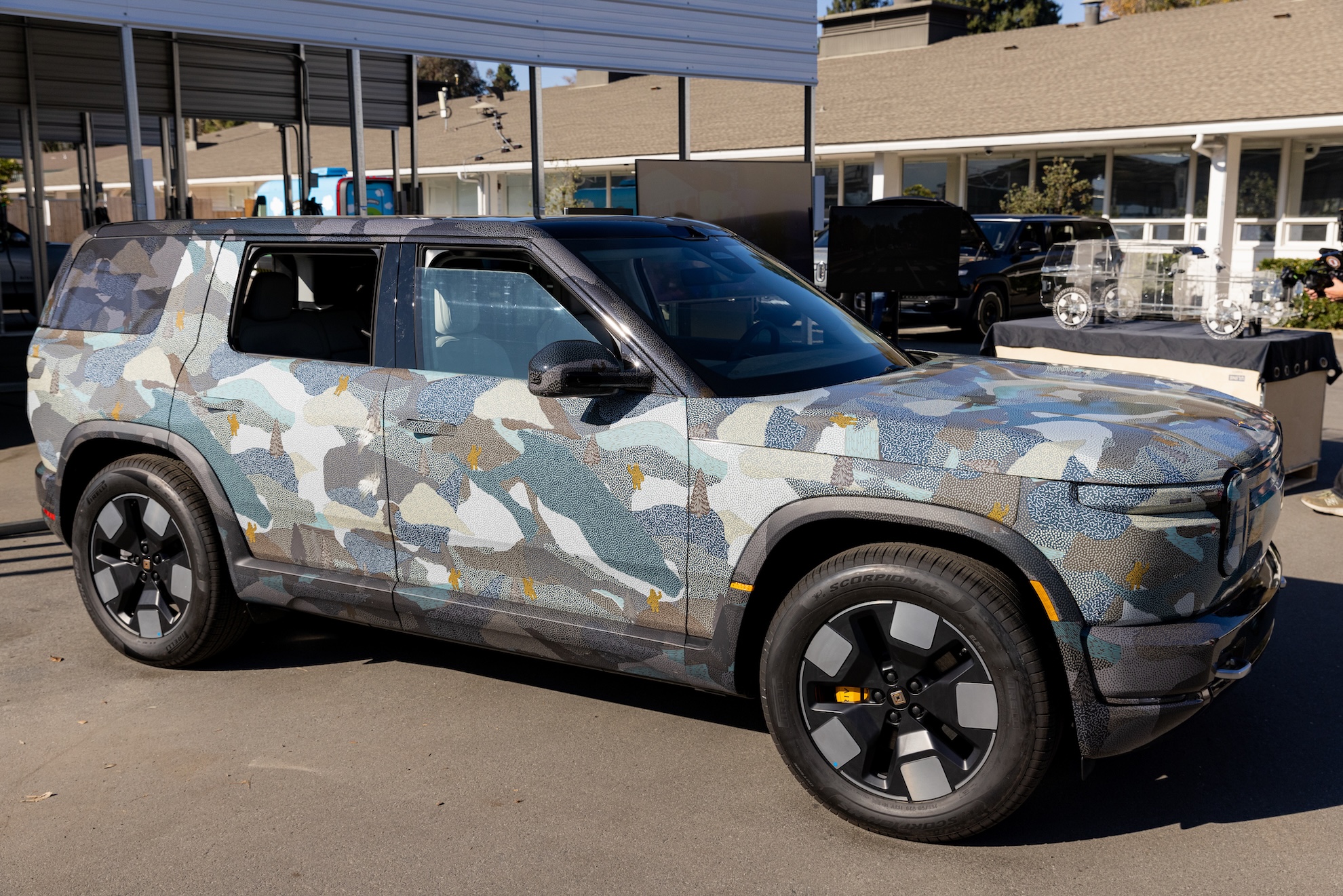
The electric vehicle sector is currently witnessing a critical inflection point, with startup manufacturers like Rivian facing immense pressure to scale production, achieve profitability, and capture a broader segment of the consumer market. A pivotal moment for Rivian is fast approaching with the highly anticipated launch of its R2 electric SUV, a model designed to spearhead the company’s expansion into a more accessible price point. This strategic move is not merely about introducing a new product; it represents a defining gambit for the Irvine, California-based automaker in a landscape increasingly shaped by fierce competition, evolving consumer demands, and the broader maturation of the EV industry.
The R2’s Aggressive Market Entry
Rivian, founded in 2009 by RJ Scaringe, initially carved a niche in the premium electric adventure vehicle segment with its R1T pickup truck and R1S SUV, which began customer deliveries in late 2021. These models, lauded for their innovative design, off-road capabilities, and robust performance, established Rivian as a credible contender against established luxury automakers and Tesla. However, the initial phase was marked by significant production challenges, supply chain disruptions, and the inherent difficulties of scaling manufacturing for a new automotive company. The R2, unveiled as a smaller, more affordable SUV, is engineered to leverage the brand equity built by the R1 series while addressing the crucial market demand for electric vehicles priced under $60,000.
The company has set an ambitious target, projecting sales of 20,000 to 25,000 R2 units within the first six months of production, which is slated to commence in June of the current year. Achieving this goal would place Rivian’s R2 launch among the fastest market penetrations for any comparable electric vehicle in the U.S., surpassed only by the Tesla Model Y. This aggressive forecast underscores the high stakes involved. Historically, new automotive models, particularly from startups, typically experience a gradual ramp-up period as production lines stabilize, supply chains optimize, and distribution networks expand. Rivian’s projection suggests a significant leap in its operational capabilities and market confidence.
Strategic Imperative for Rivian
The impetus behind such an accelerated launch and sales target is multifaceted. For one, the broader EV market is transitioning from early adopters to mainstream consumers, who are more price-sensitive and expect greater value. The R1 series, with its higher price tag, primarily appealed to a niche luxury market. The R2, positioned to be more accessible, aims to tap into the burgeoning mid-range SUV segment, which represents a much larger addressable market. Furthermore, established automakers are rapidly introducing their own electric SUVs in this price category, intensifying the competitive landscape. Rivian’s ability to quickly scale R2 deliveries is crucial for securing market share before it becomes overly saturated.
Analysts suggest that Rivian’s success with the R2 could significantly bolster its financial stability and trajectory toward profitability. While the company has secured substantial investments, including early backing from Amazon and Ford, consistent revenue generation from high-volume sales is essential for long-term viability. The R2’s manufacturing strategy, which involves leveraging insights from R1 production and potentially streamlining components, will be critical. The vehicle’s design and features are expected to embody Rivian’s signature aesthetic and performance, but with an emphasis on cost-efficiency in manufacturing.
Navigating a Crowded Market
Beyond relying on "pent-up demand," Rivian is expected to deploy a range of sophisticated tactical moves to meet its ambitious R2 sales targets. These could include highly targeted digital marketing campaigns emphasizing the R2’s unique blend of adventure-ready capability and urban practicality. Experiential marketing, such as presence at major industry events and consumer showcases, will be vital for allowing potential buyers to interact with the vehicle. The company’s direct-to-consumer sales model, similar to Tesla’s, allows for greater control over the customer experience and pricing, but also necessitates robust service and delivery infrastructure.
Crucially, Rivian’s ability to ensure eligibility for federal EV tax credits, potentially through its U.S.-based manufacturing and battery sourcing, will be a significant incentive for consumers. Partnerships with charging network providers and innovative financing options could further sweeten the deal. The company’s brand, built on sustainability and adventure, resonates with a growing segment of environmentally conscious consumers, which it will undoubtedly continue to leverage. The successful and rapid deployment of the R2 will serve as a critical barometer for Rivian’s operational maturity and its ability to transition from a niche luxury EV producer to a high-volume player in the evolving automotive industry.
Shifting Gears in Autonomous Driving
While Rivian focuses on electric vehicle production, the broader mobility sector is simultaneously navigating rapid advancements and significant investment in autonomous driving technology. The past week saw notable developments that underscore both the promise and the persistent challenges within this transformative field.
AI-First Approaches Gain Traction
Wayve, a U.K.-based self-driving technology startup, recently announced a monumental funding round, securing $1.2 billion in investment, with the potential to reach $1.5 billion pending a milestone-based injection from Uber. This substantial capital infusion, which values the company at $8.6 billion, signals strong investor confidence in Wayve’s distinctive approach to autonomous driving. Unlike many competitors that rely heavily on meticulously detailed high-definition maps and extensive pre-programmed rules, Wayve employs an "end-to-end neural network" model. This self-learning software layer utilizes raw sensor data to teach vehicles how to navigate and respond to real-world scenarios, aiming for a more adaptable and scalable solution.
Wayve’s strategy is to license its software, both a fully autonomous driving product and an advanced driver-assistance system (ADAS) variant, to automakers and robotaxi operators. This hardware-agnostic model, appealing to its backers like Mercedes-Benz, Nissan, and Stellantis, could accelerate adoption across diverse vehicle platforms, potentially sidestepping the massive capital expenditures associated with building and operating proprietary autonomous vehicle fleets. The success of this AI-first approach could democratize autonomous capabilities, making them more widely available sooner.
Public Trust and Regulatory Scrutiny
Conversely, an incident in Austin highlighted the ongoing public perception and safety challenges facing autonomous vehicle deployments. A Waymo robotaxi was captured on video blocking an ambulance responding to a mass shooting. While Austin-Travis-County EMS confirmed an officer swiftly moved the vehicle using established protocols, the event reignited public debate about the readiness and reliability of autonomous technology in critical situations. Such incidents, even when quickly resolved, can erode public trust, which is a vital component for the widespread acceptance of self-driving cars.
In response to these evolving dynamics, the National Highway Traffic Safety Administration (NHTSA) has scheduled a forum on autonomous vehicle safety. This gathering of prominent AV industry leaders, including executives from Aurora, Waymo, and Zoox, underscores the regulatory body’s commitment to fostering a safe and responsible development environment. The forum is expected to address critical issues such as data sharing, testing methodologies, incident reporting, and the establishment of clear safety standards, which are essential for building both industry consensus and public confidence.
Global Investment Trends Reshape Mobility
Beyond individual company launches and technological advancements, the broader mobility sector continues to attract significant investment, reflecting a global pivot towards electrification, automation, and sustainable logistics.
Electrification and Logistics Innovation
Einride, the Swedish startup known for its innovative electric trucks and autonomous pods designed for freight transport, recently secured an oversubscribed $113 million Private Investment in Public Equity (PIPE) ahead of its anticipated public debut. This funding validates the market’s appetite for integrated solutions that combine electric propulsion with autonomous capabilities to transform the logistics industry, addressing both efficiency and environmental concerns.
Fortifying the EV Supply Chain
Strategic investments in the supply chain are also gaining momentum. Denso, a major auto-parts supplier affiliated with Toyota Motor, made a takeover proposal for Kyoto-based chip maker Rohm, signaling a move to secure critical semiconductor components. Similarly, Holyvolt, a Swedish battery technology company backed by Volvo, acquired battery materials firm Wildcat Discovery Technologies for $73 million. These acquisitions reflect a broader industry trend of vertical integration and strategic partnerships aimed at de-risking supply chains and ensuring access to essential components for EV production, especially in light of past global disruptions. Toyota itself further strengthened its ties with supplier Toyota Industries, increasing its offer price to $30 billion.
The Ascendance of Chinese Mobility Tech
The Chinese market continues its rapid expansion in electric vehicles and autonomous driving. Momenta, a Chinese autonomous vehicle developer supported by GM and Tencent Holdings, confidentially filed for an initial public offering in Hong Kong, reportedly seeking to raise at least $1 billion. This move highlights the substantial valuation and growth potential of Chinese AV companies on the global stage. Simultaneously, Chinese automaker BYD, a global EV powerhouse, unveiled a new battery pack capable of charging from 10% to 70% in just five minutes, albeit requiring a specific charger. This innovation underscores the relentless pace of battery technology advancement originating from China, pushing the boundaries of EV practicality.
Digital Transformation in Manufacturing
Innovation in manufacturing processes is also drawing investor interest. Nominal, a software startup that assists defense, space, energy, and automotive companies in testing their manufacturing workflows, raised $80 million in a Series B extension round, achieving a $1 billion valuation. This investment reflects the growing recognition of how advanced software solutions can optimize complex production environments, reducing waste and improving efficiency across high-tech industries.
Tailored Solutions for Emerging Markets
Addressing specific regional needs, Zeno, an African startup, secured $25 million in Series A funding to expand its app-controlled battery-swap network and increase production of its Emara motorcycles. This investment highlights the tailored approaches required for EV adoption in emerging markets, where infrastructure challenges and consumer preferences may differ significantly from developed economies, showcasing a flexible model for electrification.
Broader Industry Developments and Geopolitical Crosscurrents
The automotive world is also contending with broader global influences. Volkswagen Group announced a significant milestone, having delivered 4 million all-electric vehicles since 2013, with half of those coming from the Volkswagen brand alone. This achievement by an automotive titan demonstrates the scale and commitment required for legacy manufacturers to successfully transition to an electric future. However, geopolitical events continue to cast a shadow. An analysis by Bernstein suggested that automakers like Hyundai, Toyota, and Chinese manufacturers such as Chery could face significant impact from heightened tensions in the U.S.-Israel war with Iran, given the Middle East’s substantial contribution to their regional deliveries. Such analyses underscore the delicate balance between global supply chains, energy markets, and regional conflicts that can profoundly affect the automotive industry’s stability and growth projections.
Conclusion: The Future of Mobility Unfolds
The current moment in mobility is characterized by dynamic shifts, aggressive strategic plays, and a confluence of technological innovation and market pressures. From Rivian’s high-stakes gamble on the R2 to the varied approaches in autonomous driving and the diverse landscape of global investments, the industry is in a constant state of evolution. The challenges are significant, ranging from scaling production and ensuring safety to navigating geopolitical complexities, but the collective drive towards a more electric, autonomous, and sustainable transportation future remains undiminished.