Amir Mahmud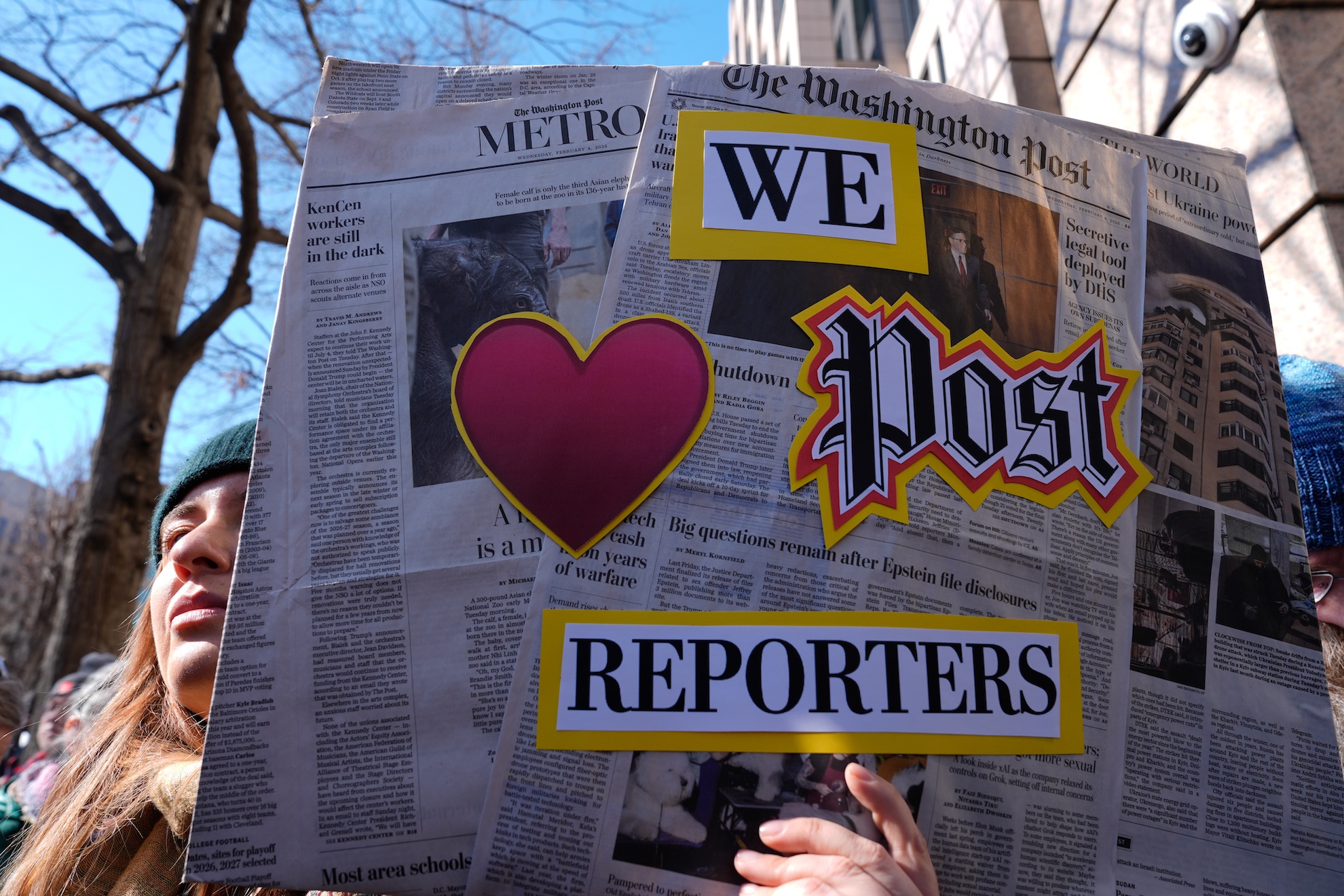
In an era defined by the omnipresent influence of technology, the recent widespread layoffs at The Washington Post have sparked considerable debate, particularly concerning the substantial reduction in its tech reporting division. This strategic pivot, affecting more than 300 individuals across various departments, occurs at a moment when digital innovations, particularly in artificial intelligence and advanced manufacturing, have fundamentally reshaped global economies, political landscapes, and daily human experience. From the sophisticated devices nestled in our pockets to the intricate algorithms powering global commerce, technology, largely emanating from Silicon Valley, has become an undeniable force, elevating its architects and executives to positions of unparalleled wealth and leverage.
The Unprecedented Reach of Technology
The assertion that modern society is deeply intertwined with technology barely scratches the surface of its profound impact. Software, especially advancements in machine learning and artificial intelligence, coupled with sophisticated manufacturing processes, has woven technology into the fabric of nearly every aspect of contemporary life. Whether it’s the smart devices adorning our wrists, the personalized content algorithms feeding our entertainment, or the logistical networks that deliver goods to our doorsteps, technology dictates much of our interaction with the world. This pervasive integration has not only streamlined processes and created new industries but has also concentrated immense power and wealth in the hands of a select few.
Indeed, the founders, chief executives, and even mid-level managers within the technology sector now command a level of influence reminiscent of the industrial magnates of the Gilded Age. A significant proportion of the world’s wealthiest individuals derive their fortunes directly from technology. For instance, Amazon co-founder Jeff Bezos, who also owns The Washington Post, stands among the top global billionaires, alongside figures like Meta co-founder Mark Zuckerberg and entrepreneurial titan Elon Musk, according to prominent wealth trackers. Other tech luminaries such as Oracle co-founder Larry Ellison, Google co-founders Larry Page and Sergey Brin, and former Microsoft CEO Steve Ballmer further underscore this concentration of capital and authority within the digital realm. Their decisions, innovations, and even personal philosophies often reverberate across markets and cultures, shaping everything from global supply chains to geopolitical dynamics.
A Newsroom in Flux: The Washington Post’s Deep Cuts
Against this backdrop of escalating technological power, The Washington Post, under Bezos’s ownership, has undertaken a sweeping reorganization marked by significant staff reductions. The department responsible for covering technology, science, health, and business experienced a dramatic downsizing, reportedly shrinking from 80 to 33 staff members. The dedicated technology desk alone saw 14 journalists depart, effectively hollowing out its San Francisco bureau, a critical outpost for monitoring the heart of the tech industry.
The scope of these layoffs extended far beyond the tech beat. Investigative reporters, journalists covering Amazon, artificial intelligence, and internet culture were among those affected. The newspaper also reduced its staff reporting on the media industry itself, a team that had previously provided scrutiny of Bezos’s ownership. The cuts were truly broad, impacting the entire sports bureau, and significantly diminishing foreign reporting teams, including those dedicated to the Middle East, Ukraine, Russia, Iran, and Turkey. Domestic coverage also suffered, with the closure of the Books section, a decimation of culture reporting, cuts to the Washington, D.C., metropolitan area coverage, and the elimination of all reporters and editors focused on national race and ethnicity issues. This comprehensive restructuring signals a significant recalibration of the newspaper’s editorial priorities and resource allocation.
The Paradox of Scrutiny
The timing and nature of these cuts have ignited a critical discussion about the role of independent journalism in an increasingly tech-driven world. While the importance of reporting on social, economic, and geopolitical issues remains paramount, the unique paradox lies in the fact that many of the individuals now wielding immense influence over global geopolitics and the economy are precisely those responsible for the very digital infrastructure that controls the flow of information worldwide. As the world becomes more interconnected through technology, and as global GDP growth or contraction increasingly ties to the performance of tech superpowers, the reduction in journalistic oversight of this sector appears counterintuitive to many observers.
Even as technology executives increasingly urge the public to divert its attention from the complexities of their industry, the need for rigorous, independent reporting remains critical. Investigative journalism serves as a vital check on power, holding corporations and influential individuals accountable for their actions and their impact on society. A diminished capacity for such scrutiny in the tech sector could lead to less transparency regarding data privacy, algorithmic biases, market monopolies, and the broader ethical implications of emerging technologies like AI.
Behind the Financial Headwinds
The Washington Post‘s executive editor, Matt Murray, reportedly framed the layoffs as a strategic "reboot" designed to enhance reader engagement and ultimately restore profitability. During a staff meeting, he emphasized the need for the organization to become "more essential to people’s lives in what is becoming a more crowded, competitive, and complicated media landscape." This sentiment underscores the severe financial pressures the newspaper has faced in recent years.
The Post has openly struggled with declining subscriptions and significant financial losses, including a reported $100 million deficit in 2024. Some of these challenges have been linked to internal policy shifts, including directives reportedly influenced by owner Jeff Bezos. Notably, a decision to end presidential endorsements by the Post‘s editorial board, which allegedly led to the shelving of a drafted endorsement for Kamala Harris, was reported to have resulted in "hundreds of thousands" of canceled subscriptions. Beyond subscriber churn, the newspaper’s digital traffic has also seen a precipitous drop. Daily visits plummeted from 22.5 million in January 2021 to approximately 3 million by mid-2024, signaling a substantial loss of digital readership and engagement. These figures, coupled with previous staff reductions from 1,000 to under 800 employees in the preceding spring, highlight the intense economic pressures driving the current restructuring.
A Broader Industry Trend: Media’s Shifting Landscape
The challenges confronting The Washington Post are not isolated incidents but rather symptomatic of a wider crisis engulfing the media industry. Legacy news organizations, alongside newer digital players, are grappling with a fragmented audience, the erosion of traditional advertising revenue, and seismic shifts in how information is consumed. Changes to search engine algorithms, particularly those implemented by Google, have increasingly diverted readers away from traditional news outlets towards its own AI-generated answers or curated content, further disrupting established traffic flows and monetization models. The rise of social media as a primary news source, often prioritizing engagement over factual accuracy, has also contributed to a complex and competitive landscape where reliable journalism struggles for attention and financial viability.
This ongoing disruption has also influenced ownership patterns within the media sector. The past 15 years have witnessed a notable trend of billionaires, many with backgrounds in technology, acquiring struggling news organizations. Jeff Bezos’s purchase of The Washington Post in 2013 for $250 million was met with a mix of cautious optimism and apprehension among journalists. Many in the industry, weary from years of consolidation, layoffs, and the difficult transition from print-centric to digitally-dominant operations, hoped Bezos’s tech-savvy approach and deep pockets might offer a new path forward. This acquisition became a template for others: Laurene Powell Jobs later acquired The Atlantic, Salesforce founder Marc Benioff purchased Time Inc., and pharmaceutical executive Patrick Soon-Shiong took over the Los Angeles Times.
The Billionaire Proprietors and Editorial Independence
The involvement of ultra-wealthy individuals, particularly those with vast business empires and political interests, in media ownership raises perennial questions about editorial independence and potential conflicts of interest. Reports have suggested shifts in political alignment among some of these owners. For instance, Bezos, much like Benioff and Soon-Shiong, reportedly moved closer to the Trump administration following the 2024 election. Such shifts are not merely personal preferences; they can have tangible implications for news organizations. Bezos’s spaceflight company, Blue Origin, for example, relies heavily on federal contracts, and Amazon has historically faced significant regulatory scrutiny, factors that could subtly or overtly influence editorial decisions or the allocation of journalistic resources.
A particularly striking example of this potential conflict emerged during the very week of The Washington Post‘s layoffs. While the newspaper prepared to cut a significant portion of its staff, both CEO Will Lewis and owner Jeff Bezos were notably absent from the proceedings. Bezos was reportedly with Secretary of Defense Pete Hegseth in Florida, conducting a tour of Blue Origin’s facilities. Less than 48 hours later, the journalist who had reported on Blue Origin for The Washington Post was among those laid off. This sequence of events, while perhaps coincidental, fueled concerns about the perceived independence of the newsroom and the potential for ownership interests to influence journalistic priorities, particularly in sensitive areas.
The Stakes for Public Discourse
The comprehensive restructuring at The Washington Post represents more than just an internal corporate decision; it reflects the profound challenges facing the entire news industry and holds significant implications for public discourse. In a world increasingly shaped by algorithms, digital platforms, and powerful tech magnates, the role of robust, independent journalism as a pillar of democratic society is more critical than ever. The reduction of specialized reporting on technology, foreign affairs, and critical social issues at a leading national newspaper raises questions about who will scrutinize the influential, inform the public, and hold power accountable.
As news organizations navigate the turbulent waters of digital transformation and financial precarity, the balance between economic sustainability and public service journalism remains precarious. The choices made by institutions like The Washington Post reverberate far beyond their newsrooms, influencing the quantity and quality of information available to citizens and ultimately shaping the collective understanding of a complex, tech-driven world. The "darkness," as some describe it, refers not just to the immediate impact on individual journalists, but to the broader erosion of the informed public sphere.