Amir Mahmud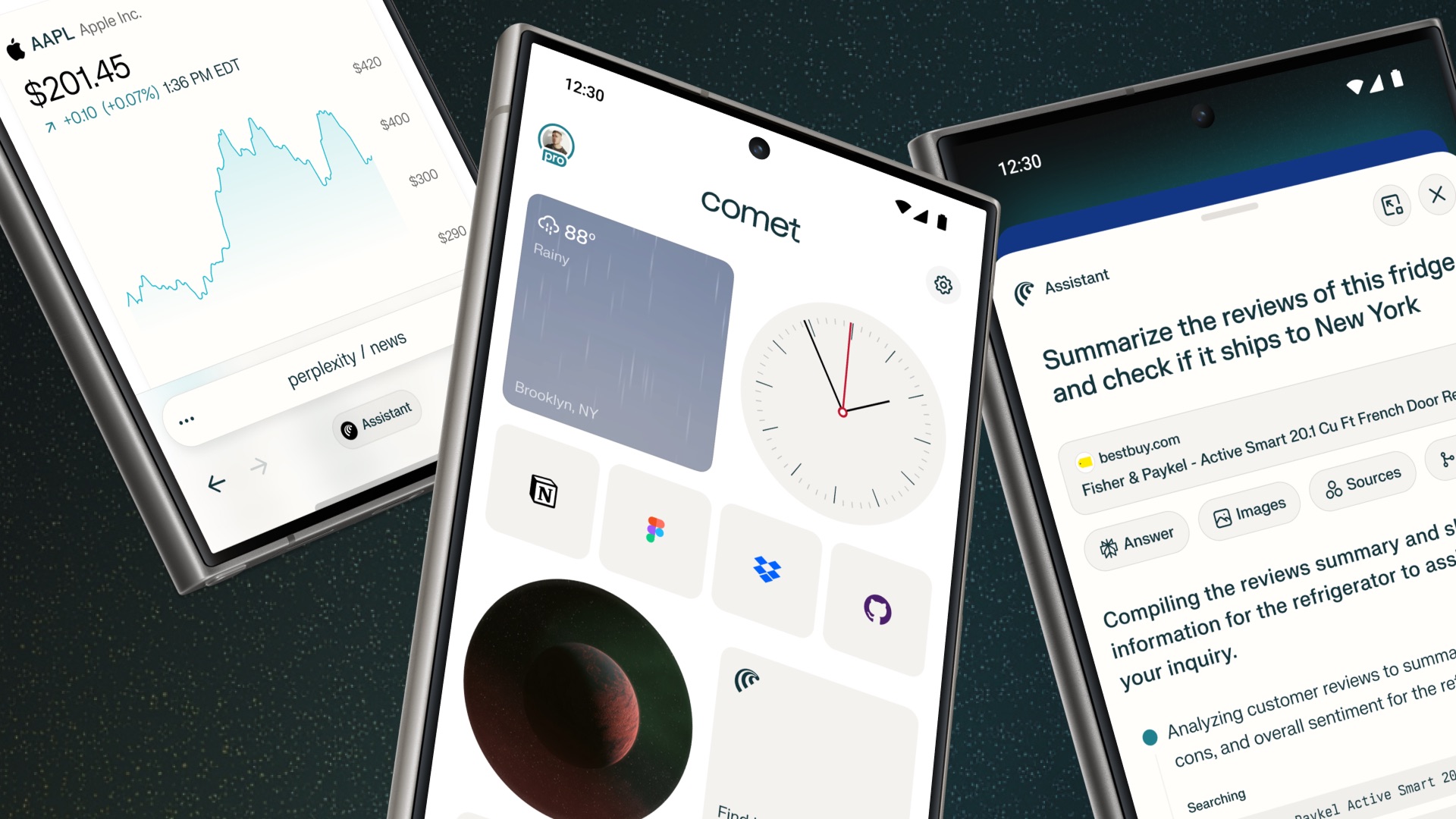
The digital landscape of mobile browsing is undergoing a significant transformation with the arrival of Perplexity’s AI-powered Comet browser on Android devices. This strategic expansion marks a pivotal moment for the artificial intelligence search company, extending its innovative, conversational browsing experience to the vast Android user base, following its initial debut on desktop platforms earlier in July. The move signals a broader industry shift towards integrating sophisticated AI capabilities directly into the core internet navigation experience, promising a more intuitive and efficient way for users to interact with online information.
The Evolution of Perplexity and the Comet Vision
Perplexity AI first emerged as a formidable player in the AI search arena, distinguishing itself from traditional search engines by offering direct, concise answers backed by cited sources, rather than merely presenting a list of links. This approach resonated with users seeking immediate and verified information, addressing a common frustration with the often overwhelming results of conventional search. Building upon this foundation, the company conceived Comet, an AI-native browser designed to move beyond simple search queries to actively assist users in complex research, task completion, and even online shopping.
The desktop version of Comet, launched months prior, introduced users to a paradigm where the browser itself functions as an intelligent assistant. Instead of passively displaying web pages, Comet actively engages with the content, allowing users to ask questions about open tabs, summarize lengthy articles, and synthesize information from multiple sources. This marked a significant departure from the established browser model, which has largely remained unchanged in its fundamental interaction pattern for decades. The extension of these functionalities to Android underscores Perplexity’s ambition to embed its AI capabilities across all primary digital touchpoints, recognizing the increasing reliance on mobile devices for internet access.
Core Capabilities and Enhanced Mobile Experience
The Android iteration of Comet faithfully replicates the robust feature set introduced on its desktop counterpart, ensuring a consistent and powerful user experience across platforms. At its core, users can designate Perplexity as their default search engine, instantly benefiting from its AI-driven answer generation. A standout feature is the contextual AI assistant, capable of understanding and responding to queries related to all open tabs. This means a user researching a new travel destination, for instance, could ask the assistant to compare hotel prices across different booking sites open in separate tabs, or to summarize key attractions mentioned across several travel blogs.
Further enhancing the mobile experience, Comet integrates a sophisticated voice mode, enabling users to verbally pose questions about their active browsing sessions. This hands-free interaction is particularly valuable in mobile contexts, offering convenience and accessibility. The assistant’s ability to summarize information across all open tabs is another crucial tool for productivity, distilling complex topics into digestible insights. Beyond information synthesis, Comet is engineered to undertake more proactive tasks, such as assisting with online research and even facilitating shopping endeavors. Users can request the browser to research products, compare specifications, or find the best deals, with the transparency of seeing the actions the Comet assistant is performing on their behalf. A notable addition for the Android platform is a built-in ad blocker, a feature highly valued by mobile users for a cleaner, faster browsing experience and reduced data consumption.
Looking ahead, Perplexity has outlined an ambitious roadmap for Comet on Android, promising the introduction of several advanced features in the coming weeks. These include a more sophisticated conversational agent capable of conducting multi-site searches, the creation of shortcuts for the assistant to perform quick, predefined actions, and the integration of a fully functional password manager. These planned enhancements illustrate a commitment to evolving Comet into a comprehensive digital assistant that goes far beyond traditional browsing. Earlier updates to the desktop Comet Assistant also indicate a focus on handling more complex and extended tasks, such as data extraction from websites into spreadsheets, highlighting the platform’s growing utility for intricate workflows.
Strategic Mobile Expansion: The Android Priority
Perplexity’s decision to prioritize Android for its mobile launch, ahead of an anticipated iOS release, is a calculated strategic move. The company cited the significant volume of interest from carriers and Original Equipment Manufacturers (OEMs) who expressed a desire to integrate Comet into their devices and solutions. This preference for Android reflects the operating system’s dominant global market share and its more open ecosystem, which often facilitates deeper integration opportunities for third-party applications compared to the more controlled environment of iOS.
The potential for pre-installation deals with device manufacturers could provide Perplexity with a crucial advantage in user acquisition, circumventing the challenges of competing for downloads in crowded app stores. While no specific new partnership announcements accompanied the Android launch, Perplexity’s existing collaboration with Motorola, where its core AI search app is preloaded on devices, provides a precedent. It remains to be seen if this agreement will extend to include the Comet browser, but such a development would significantly bolster its presence in the mobile market. The promise of an iOS version "soon" indicates a full-spectrum mobile strategy, aiming to capture users across the entire smartphone landscape.
The Broader Landscape of AI Browsers and Market Impact
The concept of an AI-powered browser is not entirely novel, but it represents a significant evolutionary step in the history of web navigation. From the early days of Netscape Navigator and Internet Explorer to the dominance of Google Chrome, Mozilla Firefox, and Apple Safari, browsers have primarily served as conduits to the internet. The current wave of AI browsers, including offerings from OpenAI, Opera, and The Browser Company (known for Arc and the upcoming Dia, now owned by Atlassian), aims to transform this passive role into an active, intelligent partnership.
Many of these new AI browsers have initially focused on desktop environments. Arc Search, launched by The Browser Company for mobile last year, was an early mobile contender, though it hasn’t seen the rapid feature evolution of its desktop counterparts. The Browser Company’s subsequent shift in focus to a new AI-first browser called Dia, which currently lacks a mobile version, further highlights the complexity and resources required to develop and maintain these advanced mobile platforms. Perplexity’s robust Android launch, bringing a comprehensive suite of AI features to mobile, positions Comet as a significant challenger in this emerging category.
The market impact of AI browsers could be profound, fundamentally altering how users interact with online information and services. Instead of manually navigating through search results and websites, users could delegate more complex tasks to their browser, leading to increased efficiency and a more personalized internet experience. This shift could have significant cultural implications, moving users away from the "hunt and peck" method of finding information towards a more "ask and receive" paradigm. For content creators and advertisers, this could mean a reevaluation of how content is discovered and consumed, potentially emphasizing clarity and conciseness for AI summarization, and requiring new strategies for engagement.
Addressing Security and Privacy in the AI Browser Era
As AI becomes more deeply embedded in critical tools like web browsers, questions surrounding security and privacy inevitably arise. Experts have raised legitimate concerns regarding potential vulnerabilities in AI browser agents, particularly concerning data handling and the risks associated with prompt injection attacks. These attacks involve malicious actors manipulating AI models through cleverly crafted inputs to elicit unintended or harmful responses, potentially compromising user data or system integrity.
Perplexity has publicly acknowledged these security challenges, noting in an October blog post that the "new paradigms around attacks aided by AI would require rethinking security from the ground up." This statement underscores the complexity of securing AI-driven systems, where traditional cybersecurity measures may not be entirely sufficient. The development of robust safeguards against prompt injection and other AI-specific threats is paramount for building user trust and ensuring the responsible deployment of these powerful tools. A key aspect of this involves transparently showing users the actions the AI assistant takes, as Comet aims to do, to provide a layer of oversight and control. The inherent trade-off between the convenience offered by AI assistants and the imperative to protect user data and privacy will remain a critical area of focus for all companies operating in this space.
The Future of Web Navigation
Perplexity’s launch of Comet on Android is more than just a new app; it represents a significant stride in the ongoing evolution of web navigation. By bringing advanced AI capabilities directly into the mobile browsing experience, Perplexity is positioning itself at the forefront of a technological shift that promises to make the internet more accessible, intelligent, and personalized. The anticipated release on iOS will complete its mobile strategy, ensuring broad reach across the smartphone market.
The competition in the AI browser space is intensifying, with various companies vying to redefine how users interact with the digital world. As artificial intelligence continues to advance, its integration into everyday tools like web browsers will likely become even more seamless and sophisticated. Perplexity’s move is a clear indicator that the era of the passive browser is drawing to a close, ushering in a new generation of intelligent assistants that actively participate in our digital lives, pushing the boundaries of what a web browser can truly be.