Amir Mahmud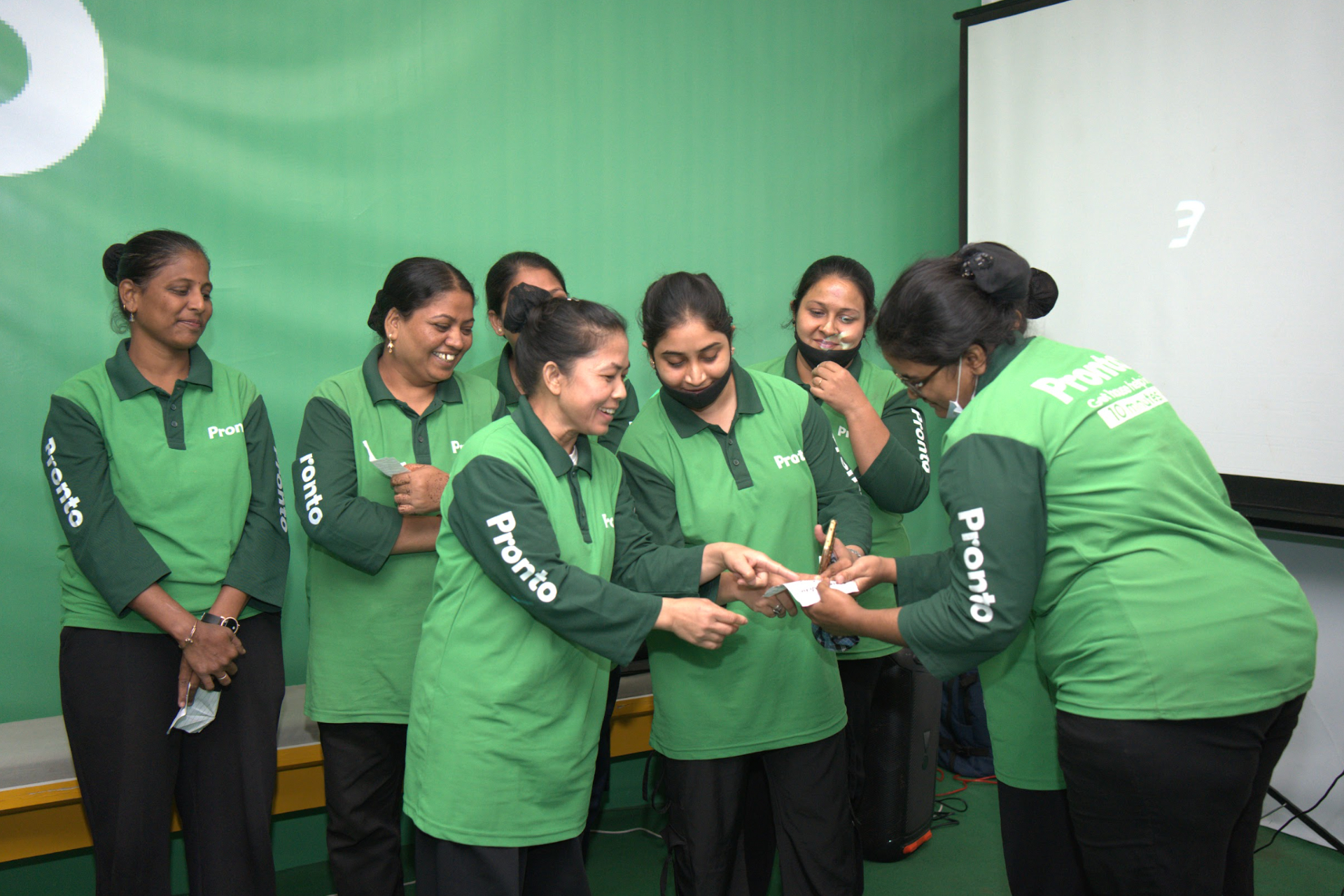
Bengaluru-based technology startup Pronto is rapidly transforming India’s traditionally informal domestic services sector by bringing it onto a structured, online platform, a move that has garnered significant investor attention and propelled its valuation to $100 million. This impressive financial milestone, announced following a successful $25 million Series B funding round, represents an eightfold increase in the company’s valuation in under a year, underscoring the immense potential investors see in formalizing a critical, yet often overlooked, segment of the Indian economy.
The latest funding round was spearheaded by Epiq Capital, with robust participation from existing investors Glade Brook Capital, General Catalyst, and Bain Capital Ventures. This infusion of capital elevates Pronto’s total funding to approximately $40 million, a substantial sum for a company that only emerged from stealth operations in May of the previous year. The rapid succession of funding rounds—from a $12.5 million valuation in May, to $45 million in August, and now $100 million—highlights the aggressive growth trajectory and market confidence in Pronto’s innovative approach.
The Landscape of India’s Informal Domestic Economy
For generations, domestic work in India has largely operated outside formal economic structures, characterized by word-of-mouth referrals, unregulated wages, and a significant lack of worker protections. Millions of households across the country rely on domestic help for everyday chores, from cleaning and cooking to childcare, forming a vast, yet largely invisible, workforce. This informal nature has historically led to precarious employment conditions for workers, often involving low pay, long hours, and vulnerability to exploitation, while employers frequently face challenges related to reliability, quality control, and background verification.
Pronto steps into this complex ecosystem by offering a streamlined, digital solution. The platform provides quick, standardized services for essential household tasks such such as sweeping, mopping, and utensil cleaning. A core tenet of its model is the promise of trained, background-verified professionals, referred to as "Pros," who are available on demand. This structured approach aims to professionalize domestic work, offering both workers and consumers a more predictable and secure experience.
A New Paradigm for Home Services
The company differentiates itself by emphasizing speed and efficiency, positioning its service closer to "quick commerce" models than traditional, often slower, home service bookings. Pronto boasts the ability to dispatch workers within approximately 10 minutes in many of its operational micromarkets – specific, localized service zones within cities. Each "Pro" undergoes a rigorous process that includes in-person training and thorough background verification before being eligible for bookings. Crucially, the platform assigns structured shifts, providing workers with a more stable and predictable income stream, a stark contrast to the often erratic and informal arrangements prevalent in the sector.
This commitment to formalization addresses a long-standing need in India. The lack of formal contracts, social security benefits, and standardized wages has been a persistent issue for domestic workers, predominantly women, who often come from marginalized communities. By introducing elements like training, verification, and structured income, Pronto is not just digitizing a service; it is attempting to instill a greater sense of dignity, safety, and economic stability for its workforce, contributing to broader social and economic empowerment.
Explosive Growth and Market Penetration
Pronto’s operational metrics reflect its remarkable growth and market acceptance. The startup now handles an impressive 18,000 daily bookings, a dramatic increase from approximately 1,000 daily bookings recorded just a year prior. Founder Anjali Sardana, the driving force behind Pronto, has set an ambitious target of reaching 70,000 daily bookings by June, indicating strong confidence in continued expansion.
Customer engagement is another testament to the platform’s success. The median time between a customer’s initial booking and their second order is a mere two days, suggesting high satisfaction and immediate utility. Furthermore, the platform’s most frequent users—the top 10%—place nine or more orders each month, showcasing deep integration into their daily routines.
Geographic expansion has been equally aggressive. In just seven months, Pronto has scaled its operations from a single city to ten major urban centers, including key economic hubs like Delhi NCR, Bengaluru, and Mumbai. Its micromarket footprint has expanded from five to over 150 locations. While the National Capital Region (NCR), encompassing New Delhi and surrounding cities, currently accounts for about half of the total bookings, this concentrated activity provides a strong base for further penetration and refinement of its operational model before broader rollout.
Unlocking a Vast Untapped Market
Despite its rapid growth, Pronto has only scratched the surface of India’s massive domestic services market. Anjali Sardana estimates that an astounding 99.99% of this market still operates entirely offline, relying on traditional informal networks. "In aggregate, less than 100,000 people are using a service like this per day, while tens of millions of households rely on offline arrangements," Sardana noted in a recent interview, highlighting the immense untapped potential.
This assessment is strongly supported by market research. A report from Redseer Strategy Consultants valued India’s overall home services sector at an estimated ₹5,100 to ₹5,210 billion (approximately $56 billion to $57 billion) in FY 2025. Yet, online penetration stood at less than 1% of the net transaction value, underscoring the deep entrenchment of word-of-mouth referrals and informal hiring channels. However, the report projects significant future growth for the online segment, anticipating an 18% to 22% compound annual growth rate (CAGR) through FY 2030. This surge is expected to be driven by several macro trends: rising disposable incomes, accelerated urbanization, and an increasing demand for convenience, reliability, and standardized quality among urban households.
Empowering the ‘Pros’: A New Paradigm for Workers
Pronto’s workforce, comprising 4,500 active professionals, is overwhelmingly female, with women making up approximately 99% of its "Pros." This demographic reality reflects the gendered nature of domestic work in India and positions Pronto as a significant employer for women seeking formal employment and economic independence. Workers who complete roughly 20 days of shifts per month on the platform earn a median income of ₹23,000 to ₹25,000 (around $251 to $273). While specific comparisons to minimum wages can vary by state and sector, this income level often represents a significant improvement over the fluctuating and typically lower wages found in the informal sector, offering a pathway to greater financial stability.
The platform also boasts a monthly worker retention rate exceeding 70%, an impressive figure in a sector often plagued by high turnover. This suggests that the structured shifts, predictable income, and possibly the sense of dignity associated with formal employment are attractive incentives for workers. Despite these positive indicators, demand for services continues to outpace the onboarding of new workers, with bookings growing approximately 20% week over week. This highlights a crucial challenge and opportunity for Pronto: scaling its workforce recruitment and training efforts to meet escalating consumer demand.
Strategic Expansion and Financial Health
From a financial perspective, Pronto is strategically navigating its growth. While newer markets remain in an investment phase, requiring capital outlay for expansion and user acquisition, the company is already observing "very positive green shoots" in its more established micromarkets, such as Gurugram. Here, contribution margins have turned positive, indicating that these mature operations are generating revenue that exceeds their direct variable costs, a critical step towards profitability.
To date, Pronto has incurred a burn of approximately $8 million. However, with the latest fundraise, the company now possesses roughly two years of operational runway, providing ample capital to execute its ambitious expansion plans without immediate pressure. The fresh capital will be primarily allocated to accelerating the onboarding of more professionals, deepening its market penetration in existing cities, and venturing into new urban centers.
Beyond core domestic cleaning, Pronto is actively piloting new service offerings, including cooking, car washing, and dog walking, and exploring additional categories like salon services. This horizontal expansion strategy aims to diversify its revenue streams and capture a larger share of the urban home services market. However, the foundational tasks of sweeping, mopping, and utensil cleaning continue to be the platform’s most frequently utilized services, forming the robust backbone of its current business model.
The startup operates with a lean core team of approximately 60 employees, with a significant portion (15 to 16 individuals) dedicated to engineering, product development, and design. Its marketing team remains small, focusing on efficient brand and performance initiatives, a strategy that underscores the company’s reliance on organic growth driven by service quality and customer satisfaction.
Navigating a Competitive Landscape
Pronto operates within an increasingly competitive and dynamic segment of India’s home services market. Key rivals include Snabbit and the publicly listed Urban Company, both of which are also vying for dominance in this rapidly expanding sector. Snabbit, for instance, secured $30 million in funding in late October, reaching a valuation of $180 million—more than doubling its valuation in just five months. It reported approximately 830,000 orders in February, up from around 500,000 in December, signaling robust growth. Urban Company, a more established player with a broader range of services, announced that its platform crossed 50,000 daily bookings in February.
Comparative data from Sensor Tower, an analytics firm, indicates that Pronto’s daily active users (DAU) grew by approximately 37% to around 101,000 between late January and late February. In the same period, Snabbit saw about 30% growth, reaching approximately 93,000 daily users. These figures suggest a closely contested battle for user acquisition and market share among the leading players.
In this heated environment, Anjali Sardana emphasizes Pronto’s unwavering focus on service quality as its primary differentiator. "At the end of the day, customers will come to the platform that provides the highest quality service," she stated, highlighting the critical role of consistent performance and customer satisfaction in securing long-term loyalty and market leadership.
The Future of Urban Home Services in India
Pronto’s rapid ascent is emblematic of a broader digital transformation sweeping across India’s economy. The formalization of domestic work, driven by technology platforms, holds the potential to significantly uplift millions of workers, particularly women, by offering better wages, structured employment, and a sense of professionalism. For urban consumers, these platforms promise unparalleled convenience, reliability, and quality assurance, addressing long-standing frustrations with informal hiring.
However, challenges remain. Scaling operations while maintaining stringent quality control, managing a large and diverse workforce, and navigating potential regulatory complexities in a sector traditionally outside formal governance will require continuous innovation and adaptability. As India’s urbanization accelerates and digital literacy expands, companies like Pronto are not just building businesses; they are fundamentally reshaping social and economic structures, bringing an essential, yet historically undervalued, service into the modern, digital age. The journey of Pronto, from a stealth startup to a $100 million valuation in under a year, serves as a powerful testament to the transformative power of technology in addressing profound societal needs and unlocking vast market potential.