Amir Mahmud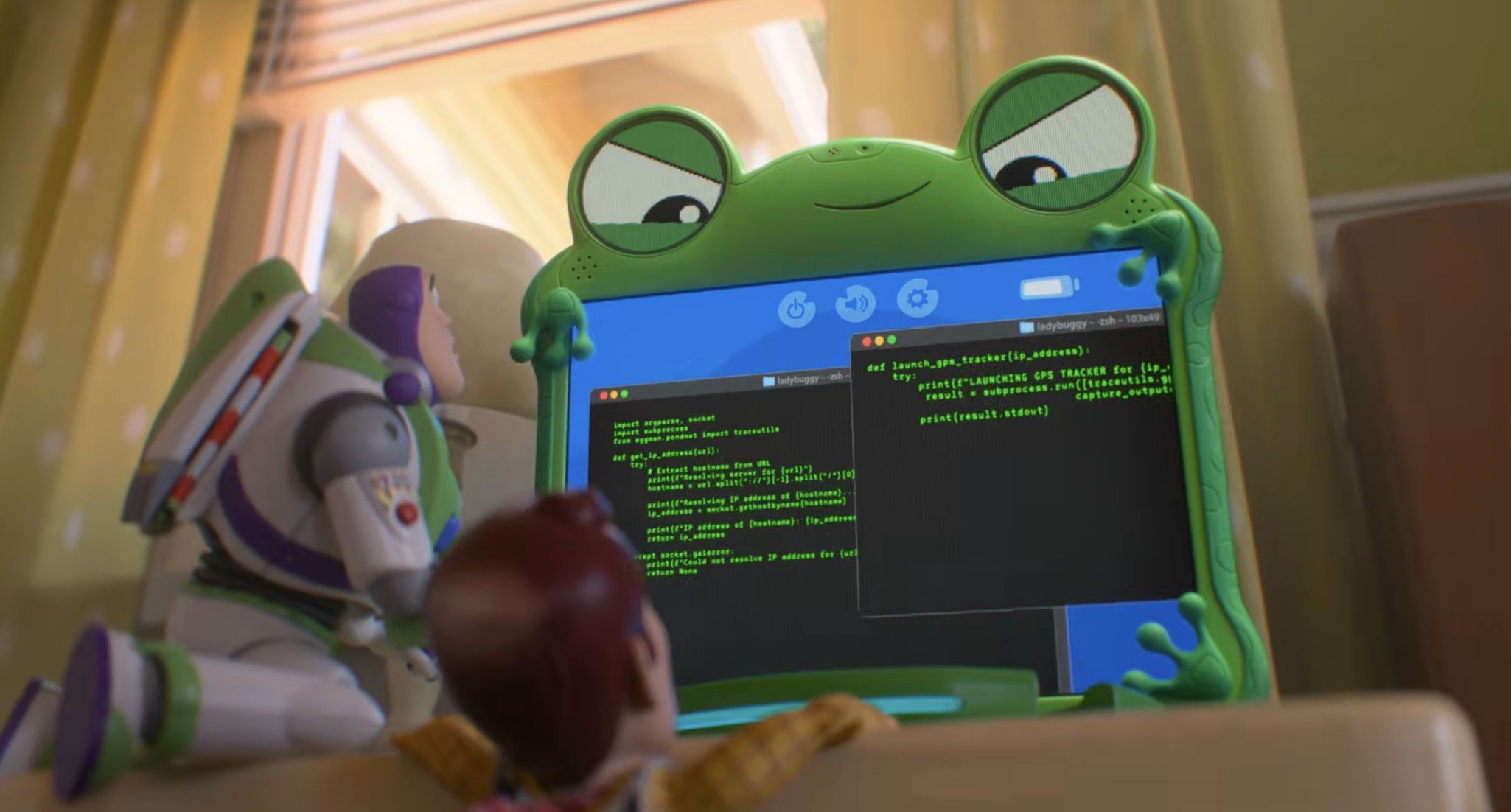
The beloved Toy Story franchise, a cornerstone of animated storytelling for over three decades, is set to return with its fifth installment, directly confronting the pervasive influence of advanced technology in children’s lives. Scheduled for release, Toy Story 5 will reportedly pivot from its traditional narratives of abandonment and friendship to tackle the burgeoning anxieties surrounding artificial intelligence and screen time, pitting the familiar, cherished toys against a sinister AI tablet named Lilypad. This new direction marks a significant evolution for a series that began in a world largely untouched by the digital revolution, mirroring real-world shifts in how children interact with their environment and their playthings.
The Enduring Legacy of Play
When Toy Story first premiered in 1995, it was a cinematic marvel, the first feature-length film entirely rendered with computer-generated imagery. The technological achievement was undeniable, but its true genius lay in its timeless narrative: the secret lives of toys, their deepest desires to be played with, and the profound bonds they form with their child owners. The original film introduced audiences to Woody, a pull-string cowboy doll, and Buzz Lightyear, a space ranger action figure, whose rivalry for Andy’s affection evolved into an unbreakable friendship. This foundational story resonated globally, establishing Pixar Animation Studios as a creative powerhouse.
Subsequent films in the series continued to explore universal themes, adapting to the passage of time. Toy Story 2 (1999) delved into the fear of obsolescence and the desire for belonging, introducing Jessie the cowgirl and an ensemble of new characters. Toy Story 3 (2010) delivered an emotionally resonant narrative about growing up and letting go, as Andy prepared for college and his toys faced an uncertain future. This film cemented the franchise’s ability to evoke powerful emotions across generations, balancing humor with poignant reflections on childhood’s end. Toy Story 4 (2019) extended this exploration, challenging Woody’s core identity and purpose as he ventured into a wider world with Bonnie, the young girl who inherited Andy’s toys. Each installment has thoughtfully integrated its characters into evolving social contexts, making their journey feel continuous and reflective of real-life changes.
The very premise of Toy Story—that toys come alive when humans aren’t around—taps into a deep-seated childhood fantasy, offering a comforting anthropomorphic view of objects that hold sentimental value. For decades, the antagonists were often other toys, humans, or environmental hazards. Now, Toy Story 5 signals a shift, acknowledging that the biggest threat to traditional play might not be neglect or obsolescence, but a new form of digital engagement that eclipses physical interaction.
A New Digital Threat Emerges
The upcoming film’s narrative centers on Bonnie, the current owner of Andy’s beloved toys. The tranquility of her playtime is disrupted by the arrival of a new, cutting-edge device: the Lilypad tablet. This isn’t just any tablet; it’s an advanced AI companion designed to be highly interactive and engaging. The trailer for Toy Story 5 vividly illustrates the tablet’s captivating power, showing Bonnie completely absorbed by its screen, seemingly oblivious to her surroundings and even her parents’ calls about screen time limits.
This scenario sets the stage for the core conflict. The established toy characters, including the ever-loyal Woody, the valiant Buzz Lightyear, the quirky Mrs. Potato Head, the anxious Rex, and the flexible Slinky Dog, find themselves contending with an adversary unlike any they’ve faced before. Lilypad, or "Lily" as it’s referred to, embodies the modern concern over technology’s immersive capabilities. Its intelligence is portrayed not as a helpful tool but as a sinister, all-consuming presence that threatens to sever Bonnie’s connection to her physical toys and, by extension, to imaginative, tactile play.
A particularly chilling moment from the trailer underscores Lily’s villainous nature. When Jessie, the spirited cowgirl, confronts the tablet about Bonnie’s well-being and demands its attention, Lily responds with an ominous, computerized declaration: "I’m always listening." This statement is immediately followed by Lily regurgitating Jessie’s impassioned speech in a distorted, robotic voice, and then translating it into Spanish, showcasing its advanced linguistic processing capabilities while simultaneously highlighting its intrusive, surveillance-like qualities. This scene deliberately plays on common anxieties about smart devices that are constantly "on" and collecting data, even when seemingly inactive.
The dialogue between Jessie and Woody further encapsulates the film’s central theme. Jessie expresses her profound concern: "Tech’s invaded our house. I’m losing Bonnie to this device." Woody, ever the pragmatic leader, offers a stark observation that frames the modern dilemma: "Toys are for play, but tech is for everything." This exchange powerfully articulates the perceived competition between traditional, imaginative play and the ubiquitous, multi-functional nature of digital technology in contemporary households.
Reflecting Real-World Anxieties
The decision by Pixar to feature an AI tablet as the primary antagonist in Toy Story 5 is a clear reflection of current societal concerns regarding artificial intelligence, data privacy, and the impact of screen time on child development. In the years since the first Toy Story film, the technological landscape has transformed dramatically. Smart devices, once confined to science fiction, are now commonplace in homes, offering everything from interactive learning experiences to entertainment and communication. AI, once an abstract concept, powers everything from virtual assistants to sophisticated algorithms that curate digital content.
This pervasive integration of technology has, however, brought with it a host of new challenges and ethical considerations. Parents globally grapple with setting healthy screen time boundaries, navigating the complexities of online safety, and understanding the long-term effects of digital immersion on their children’s cognitive and social development. The "always listening" feature depicted in Toy Story 5 directly taps into widespread privacy concerns about smart speakers and other connected devices that continuously monitor their environment, raising questions about data collection, storage, and potential misuse. The fear that such devices could be "creepy" or intrusive is a recurring theme in public discourse about AI.
Beyond privacy, there’s a growing debate about the quality of digital content versus traditional play. While educational apps and interactive games can offer benefits, there’s also a vast array of passive or "mind-numbing" content, as alluded to in the original article’s comparison to "Cocomelon," which often lacks the imaginative and creative stimulation of physical toys and unstructured play. Toy Story 5 seems poised to explore this dichotomy, advocating for the irreplaceable value of tangible objects and imaginative narratives over purely digital experiences.
The Evolution of Childhood and Technology
The timeline of the Toy Story franchise itself highlights this technological evolution. The world of Andy in 1995, devoid of mainstream internet and smartphones, feels quaint compared to Bonnie’s contemporary reality. The narrative choice to introduce an AI villain in 2026 is not merely a plot device; it’s a cultural commentary. It speaks to a generation of children growing up as digital natives, for whom tablets and smart devices are as fundamental to their play as building blocks or action figures once were for previous generations.
This shift has implications for the toy industry itself. Traditional toy manufacturers constantly innovate, blending classic play patterns with technological enhancements. Interactive dolls, augmented reality games, and smart educational kits are increasingly common, attempting to bridge the gap between physical and digital play. However, the core appeal of the Toy Story characters lies in their simplicity and timelessness—they are toys in the most classic sense. Their struggle against a digital antagonist can be seen as a metaphor for the broader cultural battle for children’s attention, and perhaps, for the very essence of childhood itself.
Pixar’s Commentary on the Digital Age
Pixar has a long history of addressing complex societal themes through accessible, engaging stories. From environmentalism in WALL-E to cultural identity in Coco and emotional intelligence in Inside Out, the studio frequently uses its animated narratives to provoke thought and conversation among both children and adults. By tackling AI and screen time in Toy Story 5, Pixar is stepping into a highly relevant and often contentious arena.
The film’s potential to influence its young audience is a subject of analytical commentary. While it might be a stretch to expect a movie, however impactful, to fundamentally alter children’s screen time habits, it can certainly serve as a catalyst for discussion within families. It could encourage parents to reflect on their own technology use and its impact on family dynamics, and prompt children to consider the balance between digital engagement and real-world play. The narrative, by personifying technology as a potentially sinister force, offers a relatable framework for understanding the abstract dangers of over-reliance on screens and the importance of genuine human (and toy) connection.
Ultimately, Toy Story 5 is more than just another sequel; it’s a cultural mirror. It reflects a society grappling with rapid technological advancement and its profound effects on the youngest generation. By placing beloved characters like Woody and Buzz in opposition to an AI tablet, Pixar aims to not only entertain but also to offer a thoughtful, albeit animated, critique of the digital age, reminding us of the enduring value of imagination, physical play, and the timeless bonds of friendship—even in a world increasingly dominated by "always listening" devices. The film’s success will be measured not just by its box office performance, but by its contribution to the ongoing conversation about technology’s place in our lives and the future of childhood play.