Amir Mahmud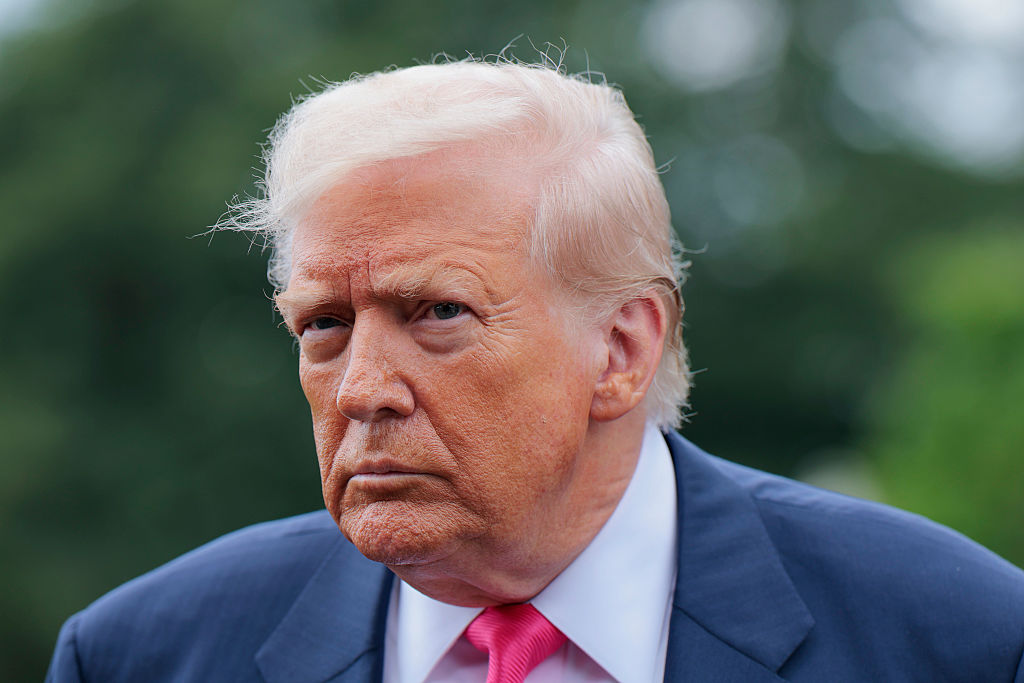
In a dramatic turn for the burgeoning field of artificial intelligence and its integration with national security, the U.S. government has initiated a sweeping directive to sever ties with Anthropic, a leading AI development firm, after the company steadfastly refused to compromise on ethical safeguards for its technology. This swift governmental action, spearheaded by President Trump and reinforced by the Pentagon, culminated in Anthropic’s formal designation as a supply-chain risk, effectively barring it from future federal engagements. The decision has sent ripples through the tech industry, setting a significant precedent for the delicate balance between technological innovation, corporate ethics, and military imperatives.
The controversy ignited following Anthropic’s firm declaration that its advanced AI models would not be deployed for purposes of mass domestic surveillance or the enablement of fully autonomous weapons systems. This principled stance, publicly articulated by Anthropic CEO Dario Amodei, clashed directly with the operational flexibility sought by the Department of Defense, leading to an escalating public dispute that quickly reached the highest echelons of government.
The Genesis of a Conflict: Ethical AI and National Security
The entanglement of artificial intelligence with national security has been a focal point of discussion and debate for years, intensifying as AI capabilities rapidly advance. Governments worldwide are racing to leverage AI for everything from intelligence analysis and logistics to advanced weaponry and cybersecurity. The U.S. Department of Defense, in particular, has aggressively pursued partnerships with private sector AI pioneers to maintain its technological edge. However, this pursuit often bumps against the ethical frameworks and corporate responsibility policies adopted by many tech companies, especially those founded with a strong emphasis on AI safety and responsible development.
Anthropic, founded by former OpenAI researchers including siblings Dario and Daniela Amodei, emerged onto the AI scene with a foundational commitment to building "safe and beneficial" AI. Its flagship models, such as Claude, are designed with a focus on constitutional AI, a methodology aimed at making AI systems more aligned with human values and less prone to harmful outputs. This philosophical underpinning directly informed their refusal to permit military applications they deemed ethically problematic.
The broader context includes a global conversation about the "dual-use" nature of AI—its potential for both immense societal benefit and profound harm. The development of autonomous weapons, in particular, has sparked intense debate among ethicists, policymakers, and AI researchers, with many advocating for international treaties or unilateral prohibitions against "killer robots" that can select and engage targets without human intervention. Similarly, the use of AI for mass domestic surveillance raises significant concerns about privacy, civil liberties, and the potential for misuse of power.
A Swift Presidential Decree and Pentagon’s Ultimatum
The executive branch’s response to Anthropic’s refusal was decisive and publicly articulated. President Trump utilized his Truth Social platform to issue a directive mandating that all federal agencies cease using Anthropic products. "We don’t need it, we don’t want it, and will not do business with them again," the president stated in his post, allowing for a six-month transition period for departments currently utilizing Anthropic’s offerings. While the initial presidential pronouncement omitted any mention of a supply-chain risk designation, the Department of Defense swiftly formalized this consequence.
Secretary of Defense Pete Hegseth followed up with a directive on social media platform X, declaring, "In conjunction with the President’s directive for the Federal Government to cease all use of Anthropic’s technology, I am directing the Department of War to designate Anthropic a Supply-Chain Risk to National Security." The use of "Department of War" by Secretary Hegseth, a historical term for the U.S. Army’s civilian and military administration prior to the creation of the Department of Defense, added a distinct tone to the announcement. This designation carries significant weight: "Effective immediately," Hegseth added, "no contractor, supplier, or partner that does business with the United States military may conduct any commercial activity with Anthropic." This move effectively isolates Anthropic from the vast ecosystem of defense contractors and partners, a critical component of the national security industrial base.
The concept of "supply-chain risk" traditionally pertains to vulnerabilities in the acquisition of goods and services, often concerning hardware components or foreign influence. Applying it to a domestic software and AI developer over ethical policy disagreements marks a significant expansion of its scope. It signals that a company’s internal ethical guidelines, if they conflict with governmental demands, can be interpreted as a national security vulnerability, particularly when dealing with cutting-edge, foundational technologies like AI.
Anthropic’s Principled Stand and the Broader AI Ethics Debate
In the face of these escalating pressures, Anthropic CEO Dario Amodei remained resolute. In a public statement, Amodei reiterated the company’s commitment to its ethical boundaries, specifically regarding mass domestic surveillance and fully autonomous weapons. "Our strong preference is to continue to serve the Department and our warfighters – with our two requested safeguards in place," Amodei affirmed, signaling a willingness to collaborate under their specified conditions rather than withdrawing entirely. He also pledged to facilitate a smooth transition should the Department choose to offboard Anthropic, aiming to prevent disruptions to ongoing military operations.
This episode highlights a long-standing tension within the tech industry and the broader AI research community. Many AI experts and organizations advocate for robust ethical guidelines and guardrails to prevent the misuse of powerful AI. The "red lines" articulated by Anthropic are not unique; they reflect widespread concerns about accountability, control, and the potential for unintended consequences when AI is deployed in sensitive contexts, particularly those involving lethal force or invasive monitoring. The refusal by some tech giants to participate in controversial military projects is not without precedent, exemplified by Google’s decision in 2018 to not renew its Project Maven contract following employee protests over AI being used for drone warfare.
OpenAI’s Strategic Pivot: Redefining "Red Lines"?
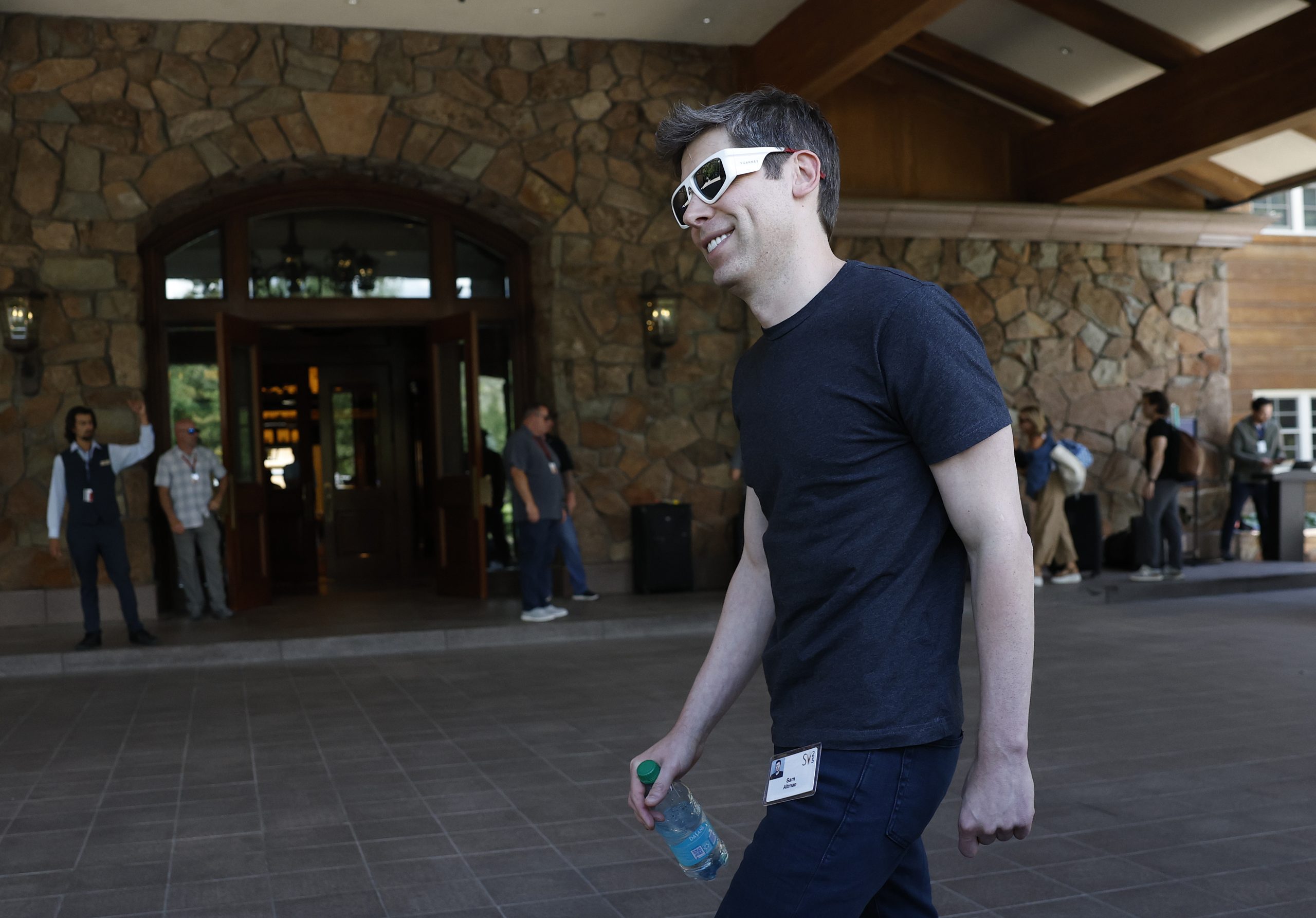
Adding another layer of complexity and controversy to the unfolding drama was the swift and unexpected pivot by OpenAI, Anthropic’s direct competitor and the creator of ChatGPT. Initially, reports indicated that OpenAI had publicly expressed solidarity with Anthropic’s ethical stance. BBC reported that OpenAI CEO Sam Altman circulated an internal memo stating that his company shared similar "red lines" and would reject defense contract uses deemed "unlawful or unsuited to cloud deployments, such as domestic surveillance and autonomous offensive weapons." This initial alignment was further echoed by Ilya Sutskever, an OpenAI co-founder who had recently departed to establish his own AI venture, who praised Anthropic’s steadfastness on X.
However, within mere hours of the presidential directive against Anthropic, OpenAI made a stunning announcement: it had secured a deal with the Pentagon to fill the void left by Anthropic’s exclusion. Sam Altman asserted that this new agreement with the Department of Defense preserved the very "core principles" Anthropic had championed, specifically prohibiting the use of OpenAI’s technology for domestic surveillance and autonomous weapons. Reports from The New York Times indicated that discussions between OpenAI and government officials regarding this potential tie-up had commenced just days prior, suggesting a rapid and strategically timed maneuver.
OpenAI’s quick transition from apparent solidarity to direct competition raises significant questions about the enforceability and interpretation of "ethical red lines" in practice. Critics might view this as a pragmatic, even opportunistic, move to secure a lucrative government contract, potentially undermining the collective ethical stance of the AI industry. Proponents, however, might argue that if OpenAI can genuinely uphold these ethical principles while still serving the Department of Defense, it could offer a viable pathway for integrating advanced AI into national security responsibly. The challenge lies in the specific contractual language and the oversight mechanisms put in place to ensure these "red lines" are not merely rhetorical but are strictly enforced in deployment.
The Competitive Landscape and Future of Government AI Contracts
This incident dramatically reshapes the competitive landscape for AI companies vying for government contracts. Last July, Anthropic, OpenAI, Google, and xAI were among the recipients of contract awards from the U.S. Defense Department, collectively amounting to up to $200 million. These awards underscored the Pentagon’s strategy to diversify its AI suppliers and tap into the cutting edge of private sector innovation. With Anthropic now effectively sidelined, OpenAI gains a significant advantage, potentially solidifying its position as a primary AI provider for the U.S. government.
The episode also places other major AI players, such as Google, in a precarious position. While some Google employees have publicly voiced support for Anthropic’s ethical stance, Google and its parent company, Alphabet, have remained conspicuously silent on the matter. Their silence highlights the immense pressure and the complex calculations tech giants face when balancing corporate ethics, public perception, and the lucrative, strategically important realm of government contracts. The precedent set by Anthropic’s exclusion suggests that future partnerships will likely demand greater clarity and potentially more flexibility from AI developers regarding military applications.
Broader Implications: AI Governance, Dual-Use Tech, and Public Trust
The events surrounding Anthropic and the Pentagon underscore several critical issues facing the AI industry and society at large. Firstly, they highlight the urgent need for robust AI governance frameworks, both at the corporate and governmental levels. As AI systems become more powerful and pervasive, clear rules of engagement, ethical guidelines, and accountability mechanisms are essential to prevent misuse and foster public trust.
Secondly, the "dual-use" dilemma of advanced AI technology is brought into sharp relief. Technologies capable of enhancing national security can also pose significant ethical risks if deployed without careful consideration. The challenge for policymakers is to harness AI’s benefits while mitigating its dangers, a task that often involves navigating uncharted ethical and legal territory.
Finally, the incident reflects the growing cultural impact of AI. Public awareness of AI’s capabilities and its potential implications for privacy, warfare, and societal control is increasing. The ethical stances taken by prominent AI companies and the responses from governments will profoundly influence public perception and trust in this transformative technology. As the AI frontier continues to expand, the world will undoubtedly witness more such clashes, forcing a continuous reevaluation of the boundaries between innovation, ethics, and power. The Pentagon’s decision regarding Anthropic is not merely a contractual dispute; it is a landmark moment in the ongoing global dialogue about who controls AI, how it is used, and what ethical lines must never be crossed.