Amir Mahmud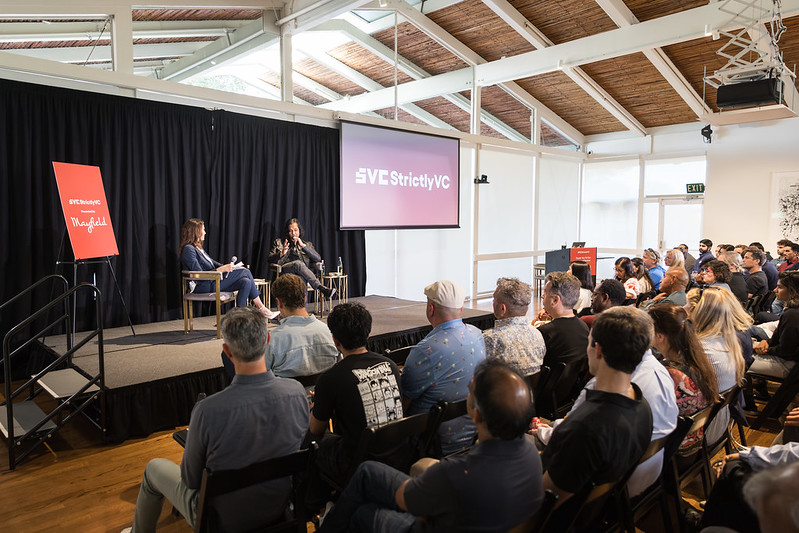
Tonight marks a pivotal convergence in Silicon Valley, as Playground Global in Palo Alto hosts the final StrictlyVC event of 2025. This gathering promises an unparalleled look into the nascent technologies poised to reshape industries and daily life, featuring a lineup of innovators and investors renowned for their foresight and groundbreaking work. The essence of this series is to illuminate the profound, often complex, advancements in deep tech before they permeate mainstream understanding, offering attendees an exclusive glimpse into tomorrow’s foundational breakthroughs.
Understanding Deep Tech’s Significance
Deep tech, a term increasingly prevalent in venture capital and innovation circles, refers to technologies rooted in tangible scientific discoveries or engineering innovations rather than incremental improvements to existing products. These ventures typically emerge from intensive research and development, often originating in university labs or government initiatives, and demand substantial capital investment and lengthy development cycles. Unlike many consumer-facing applications that prioritize user experience and rapid iteration, deep tech focuses on solving fundamental scientific or engineering challenges, creating entirely new categories of products and services. Areas such as advanced materials, biotechnology, artificial intelligence at its core, quantum computing, aerospace, and advanced manufacturing all fall under this umbrella. The inherent risks are high, but the potential for transformative societal and economic impact is immense, driving progress in critical sectors from healthcare and energy to defense and communication. The current global landscape, marked by geopolitical shifts and a renewed focus on national technological sovereignty, has further amplified the strategic importance of nurturing deep tech innovation.
The StrictlyVC Legacy: A Platform for Future Gazing
The StrictlyVC event series, now operating under the auspices of TechCrunch, has cultivated a reputation for identifying and showcasing pivotal technological shifts and the individuals driving them. Its core philosophy revolves around creating intimate forums where the architects of future technologies can engage with the investment community and industry leaders in candid, unfiltered discussions. Over the years, this concept has taken the series across continents, from Washington, D.C., where entrepreneur Steve Case once hosted, to Athens, Greece, engaging with national leaders, and to San Francisco’s Presidio with venture capitalist Kirsten Green. The consistent thread has been the curation of a speaker roster comprising individuals at the forefront of "genuinely important developments," often before their impact is widely recognized.
A memorable instance of StrictlyVC’s predictive power occurred in 2019 when Sam Altman, then at the helm of OpenAI, light-heartedly articulated his company’s monetization strategy to a captivated audience: "build AGI, then ask it how to make money." What was met with chuckles then has since proven to be a prescient, albeit unconventional, roadmap as OpenAI has evolved into a global AI powerhouse, fundamentally altering the technological landscape and indeed, grappling with the complexities of monetizing advanced general intelligence. Such moments underscore the series’ unique ability to capture early signals of paradigm-shifting innovation.
Pioneering the Next Generation of Semiconductors
Among the distinguished speakers tonight is Nicholas Kelez, a particle accelerator physicist whose career spans two decades at the Department of Energy, where he was instrumental in developing technologies previously deemed impossible. Kelez is now directing his formidable expertise toward one of the most critical challenges in modern manufacturing: semiconductor production. The global economy’s reliance on advanced microchips has highlighted a significant vulnerability: the near-monopoly of a single Dutch company, ASML, in producing the extreme ultraviolet (EUV) lithography machines essential for fabricating cutting-edge semiconductors. These highly complex machines, each costing upwards of $400 million, utilize lasers of such precision that their manufacturing remains a closely guarded secret.
This dependency has profound geopolitical implications, particularly in an era defined by chip shortages and intensified technological competition. While American ingenuity originally conceived much of the foundational technology for lithography, its commercialization and dominance largely shifted to Europe and Asia over decades. Kelez’s venture seeks to reclaim this leadership by developing the next generation of semiconductor manufacturing equipment within the United States, leveraging advanced particle accelerator technology. This endeavor is not merely an engineering feat; it represents a strategic imperative for national security and economic resilience, aiming to diversify the global semiconductor supply chain and foster domestic capabilities that can withstand future disruptions. The race to innovate beyond current EUV limitations is also attracting other ambitious startups, creating a competitive landscape where the stakes are incredibly high for the future of digital infrastructure.
The Dawn of Intuitive Wearable Computing
Another innovator gracing the stage is Mina Fahmi, co-founder of Sandbar, who has recently emerged from stealth with a product called the Stream Ring. This device represents a fascinating step forward in wearable technology, designed to capture whispered thoughts and seamlessly convert them into text. Fahmi and his co-founder, Kirak Hong, honed their expertise in this domain during their tenure at Meta, following the acquisition of their previous company, which focused on advanced voice interaction. Unlike conventional smart rings that primarily track health metrics or enable contactless payments, the Stream Ring aims to serve as an extension of the user’s cognitive process, offering an unobtrusive means of capturing fleeting ideas or notes.
The vision behind the Stream Ring aligns with a broader industry trend toward more natural and less intrusive human-computer interfaces. As the smartphone era matures, tech companies are exploring post-screen paradigms, where technology integrates more seamlessly into daily life. Voice interfaces, from early personal assistants like Siri and Alexa to more sophisticated large language models, have paved the way for such devices. However, privacy concerns inevitably arise with always-on listening devices. Sandbar’s approach, focused on whispered thoughts and cognitive augmentation rather than general ambient listening, attempts to navigate these challenges by emphasizing utility and user control. Backed by industry veterans like Toni Schneider, a partner at True Ventures known for scaling WordPress and early investments in hardware successes like Peloton, Ring, and Fitbit, Sandbar’s initiative signals a potential shift in how we interact with digital information and augment our memories and productivity.
Redefining Human-Machine Interaction with Biohybrid BCIs
Max Hodak, founder of Science Corp. and a co-founder of Neuralink alongside Elon Musk, is set to offer a compelling vision of the future at the intersection of biology and technology. Hodak is recognized for his pioneering work in neural engineering, having already restored vision to dozens of blind individuals through advanced retinal implants. His current focus at Science Corp. pushes the boundaries even further with "biohybrid" brain-computer interfaces (BCIs). These revolutionary devices involve chips seeded with stem cells, designed to organically integrate with brain tissue, thereby enabling paralyzed individuals to control external devices purely through thought.
The field of BCIs has evolved significantly since its early academic research days, moving from experimental prototypes to increasingly practical applications. While cochlear implants have long provided a form of brain-computer interface for hearing, the direct neural control of external prosthetics or digital interfaces represents a monumental leap. Hodak’s "biohybrid" approach seeks to overcome some of the biocompatibility challenges traditionally associated with purely electronic implants, aiming for more stable and long-lasting integration with the human nervous system. This technology carries profound implications for medicine, offering hope to individuals with severe neurological conditions or physical disabilities. Beyond therapeutic applications, Hodak suggests that these advancements are merely the "tip of the iceberg," anticipating a future by 2035 where the fundamental ways humans interact with their environment and each other will be radically transformed by such symbiotic technologies. The ethical considerations surrounding human enhancement, data privacy from neural activity, and the very definition of human identity in an age of seamless machine integration are central to this rapidly developing field.
A Contrarian View on Venture Capital Trends
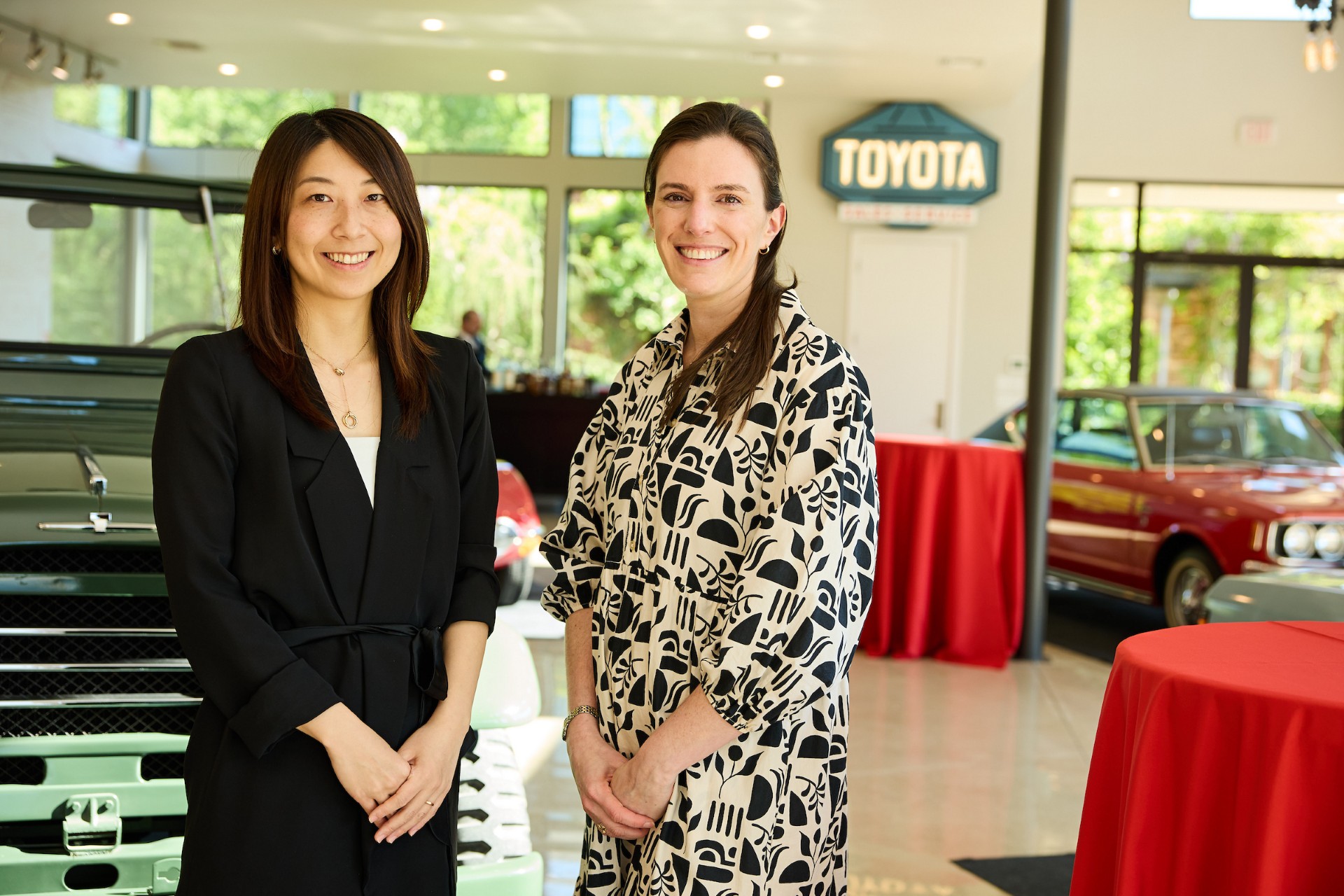
The evening also features an incisive discussion with two prominent venture capitalists, Chi-Hua Chien of Goodwater Capital and Elizabeth Weil of Scribble Ventures. Both have built formidable reputations by backing companies that later became household names, including Twitter, Spotify, TikTok, Slack, SpaceX, Figma, and Coinbase, long before their widespread recognition. Chien, leading Goodwater Capital, and Weil, who founded Scribble Ventures after impactful stints at Andreessen Horowitz and Twitter and boasts over 100 angel investments with a first fund showing 4x returns, share a common, critical perspective on the current investment landscape.
They contend that Silicon Valley is "completely misreading the moment" by overwhelmingly channeling capital into enterprise AI. While enterprise AI undoubtedly holds significant promise for efficiency gains and automation across industries, Chien and Weil suggest that the sheer volume of investment might be creating a crowded market, potentially overlooking other high-impact, nascent opportunities. Their commentary offers a crucial counter-narrative to the prevailing AI hype cycle, inviting a re-evaluation of where genuine disruptive value lies. This perspective is vital in a venture capital ecosystem prone to fads and herd mentality, where over-concentration in one area can lead to inflated valuations and diminished returns, while other foundational innovations might be starved of crucial early-stage funding. Their insights will likely prompt attendees to consider alternative investment theses and explore emerging sectors beyond the immediate allure of large language models and enterprise software solutions.
The Convening Power of Silicon Valley
The event is hosted at Playground Global, a deep tech venture firm and incubator that embodies the spirit of innovation fostering these discussions. Pat Gelsinger, a general partner at Playground Global and former CEO of Intel, further underscores the event’s gravitas. His extensive experience at the helm of a semiconductor giant provides a unique perspective on the challenges and opportunities discussed throughout the evening.
StrictlyVC events, characterized by their intimate settings, provide more than just a platform for presentations; they cultivate an environment conducive to candid insights and meaningful connections. The limited seating fosters direct engagement between speakers, investors, and entrepreneurs, allowing for nuanced discussions that are often absent in larger, more public forums. This unique format is crucial for accelerating the understanding and adoption of deep tech, where complex ideas benefit from direct, personal interaction. As the final StrictlyVC event of 2025, it serves as a crucial bellwether for the technological trajectory of the coming year, offering a concentrated dose of the innovation that will shape our future.