Amir Mahmud
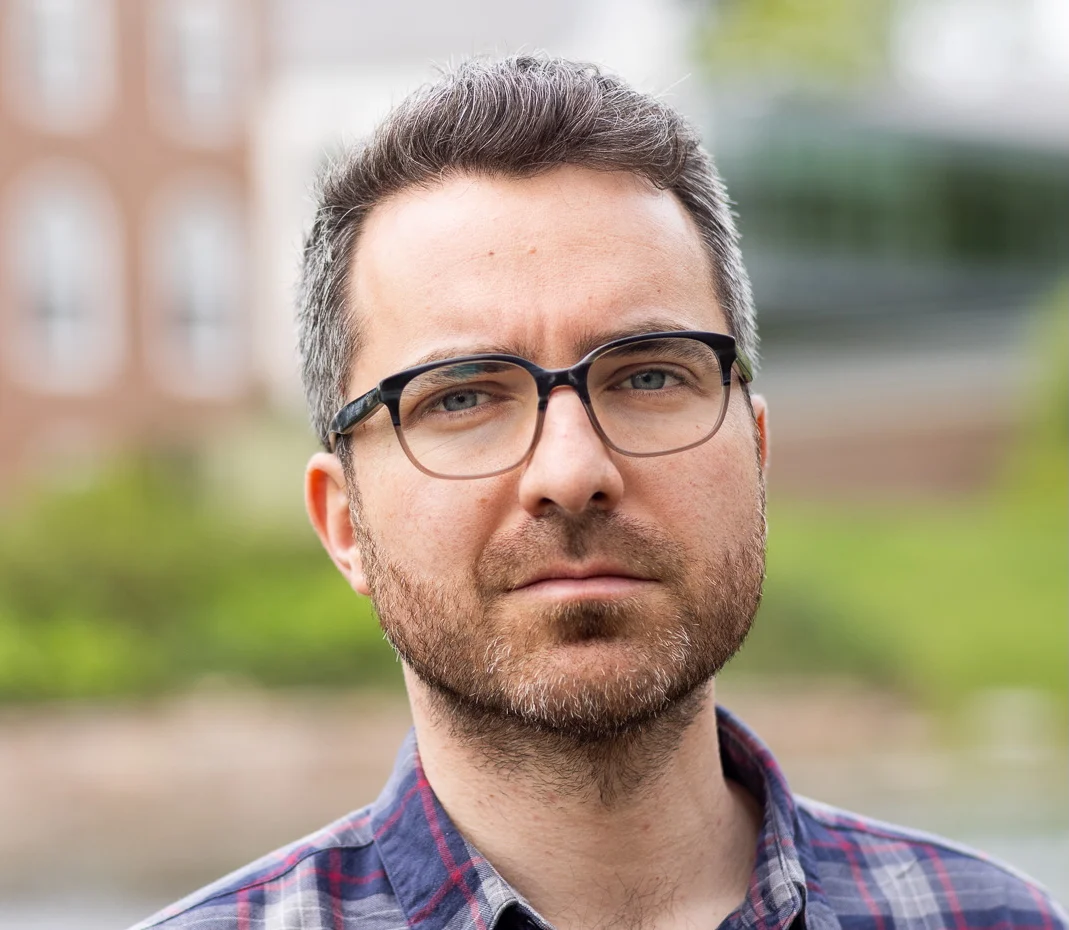
A prominent researcher from OpenAI, Miles Wang, is reportedly stepping away from the artificial intelligence giant to embark on a new entrepreneurial journey, launching an AI-powered startup focused on accelerating drug discovery. This ambitious new venture is currently in advanced discussions to secure approximately $200 million in funding, which would catapult its valuation to an impressive $2 billion. Sources familiar with the ongoing negotiations indicate that venture capital firm Lightspeed is among the leading contenders to head this significant investment round, although the specifics remain fluid and subject to change.
Wang’s departure and the inception of this high-profile startup underscore a burgeoning trend: the convergence of cutting-edge artificial intelligence with the traditionally arduous and time-consuming process of pharmaceutical development. His prior work at OpenAI notably involved leveraging advanced AI models to accelerate scientific and biological breakthroughs, providing a strong foundation for his latest endeavor. This move is not an isolated incident, as several other researchers from OpenAI are anticipated to join Wang’s new company, signaling a significant talent migration within the AI ecosystem towards applied life sciences.
The Transformative Potential of AI in Pharmaceuticals
The pharmaceutical industry has long grappled with the monumental challenges inherent in bringing new drugs to market. The conventional drug discovery pipeline is notorious for its protracted timelines, staggering costs, and alarmingly high failure rates. On average, it takes over a decade and billions of dollars to develop a single new medicine, with only a fraction of experimental compounds ever making it past clinical trials. This inefficiency stems from the sheer complexity of biological systems, the vastness of chemical space to explore, and the unpredictability of molecular interactions within the human body.
Artificial intelligence, particularly advancements in machine learning and deep learning, offers a paradigm shift in addressing these bottlenecks. AI algorithms can analyze massive datasets of genomic information, protein structures, chemical compounds, and clinical trial results at speeds and scales impossible for human researchers. They can predict how molecules will interact, identify potential drug candidates with higher precision, optimize compound structures, and even forecast a drug’s efficacy and toxicity before costly laboratory experiments begin. This capability promises to drastically shorten discovery timelines, reduce R&D expenses, and ultimately increase the success rate of novel therapies. The vision is to move from a trial-and-error approach to a more data-driven, predictive model, fundamentally reshaping how medicines are discovered and developed.
A New Venture with Ambitious Goals
While specific details about Wang’s new startup remain under wraps, initial reports suggest a focus on developing sophisticated AI models designed to identify novel applications for existing drugs and potentially salvage compounds that previously failed in clinical trials. This strategy, known as drug repurposing or repositioning, holds immense appeal within the pharmaceutical sector. Unlike developing entirely new chemical entities from scratch, repurposed drugs have already undergone extensive safety testing and regulatory approval for their original indications. This significantly de-risks the development process, accelerates regulatory pathways, and dramatically reduces the time to market and potential revenue generation.
For instance, a drug initially approved for a cardiovascular condition might be found, through AI analysis, to have therapeutic potential for a rare neurological disorder. The safety profile is already established, allowing researchers to bypass years of preclinical and early-stage clinical trials. This approach could unlock a treasure trove of untapped therapeutic value within existing pharmacopeias, offering quicker solutions for unmet medical needs. The strategic choice to focus on repurposing rather than de novo drug discovery highlights a pragmatic and commercially astute approach to leveraging AI for immediate impact.
A Booming Sector Attracting Top Talent
The discussions surrounding Wang’s startup and its projected valuation are indicative of a broader, accelerating trend of investor confidence in the AI-driven drug discovery space. The past few years have witnessed a surge in funding for companies at the intersection of AI and biotechnology, signaling a maturation of the field from nascent research to viable commercial applications.
Recent notable examples underscore this market enthusiasm. Just days prior to the news of Wang’s venture, Chai Discovery, a startup specializing in AI models that predict molecular interactions for drug identification, announced a formidable $400 million funding round at a $3.8 billion valuation. Interestingly, Chai Discovery’s co-founder, Josh Meier, also has a background as a researcher at OpenAI, highlighting a clear pattern of talent migration from general AI research to specialized biotech applications. Another formidable player in this arena is Isomorphic Labs, a spinout from Google DeepMind, which secured a substantial $2.1 billion Series B investment round in May. Isomorphic Labs is also dedicated to developing advanced AI models for drug discovery, leveraging DeepMind’s groundbreaking work in areas like protein folding prediction with AlphaFold.
These significant investments are not just financial bets; they represent a societal investment in the future of healthcare. The global market for AI in drug discovery is projected to grow substantially in the coming years, driven by the increasing demand for innovative treatments, the need to reduce R&D costs, and the undeniable efficiency gains offered by AI technologies. The competition is fierce, but the potential rewards—both financial and humanitarian—are immense, drawing in top-tier talent and capital alike.
Miles Wang’s Journey and the "Dropout" Phenomenon
Miles Wang’s path to founding this new venture is noteworthy in its own right. He joined OpenAI in 2024, having made the decision to leave Harvard University, where he was pursuing a bachelor’s degree in computer science. This trajectory mirrors a recurring narrative in the tech industry, where highly talented individuals forgo traditional academic completion to dive directly into high-impact entrepreneurial endeavors. In recent years, investors have shown an increasing comfort, and even preference, for backing young founders who haven’t completed a traditional college education, viewing it as a sign of unconventional thinking, practical drive, and a focus on real-world problem-solving over academic credentials.
During his tenure at OpenAI, Wang was actively involved in co-authoring research papers that explored the profound potential of AI models to automate and significantly accelerate scientific discovery, particularly within biological research. This hands-on experience at the forefront of AI innovation, combined with a deep understanding of its application in complex scientific domains, positions him uniquely to lead a startup aiming to revolutionize drug development. His background exemplifies the interdisciplinary nature of modern scientific breakthroughs, where expertise in advanced computing is becoming as crucial as traditional biological and chemical knowledge.
Challenges and the Road Ahead
While the promise of AI in drug discovery is immense, the path forward is not without its challenges. Integrating AI models effectively into the existing pharmaceutical research infrastructure requires overcoming significant hurdles, including data standardization, regulatory complexities, and the inherent skepticism often found in traditional scientific fields. The "black box" nature of some advanced AI algorithms, where the reasoning behind a prediction isn’t entirely transparent, can also pose challenges for regulatory approval and scientific validation. Furthermore, while AI can rapidly identify potential drug candidates, the ultimate validation of safety and efficacy still requires rigorous and costly wet-lab experiments and human clinical trials. The journey from an AI-predicted molecule to an FDA-approved drug remains long and demanding.
Despite these obstacles, the momentum behind AI in life sciences is undeniable. The migration of top AI talent from general research labs like OpenAI and DeepMind to specialized biotech ventures signals a critical phase of application and commercialization. These individuals bring not only advanced technical skills but also a cultural ethos of rapid iteration, bold experimentation, and scalable solutions that could invigorate the historically slower-moving pharmaceutical industry.
Broader Implications for Healthcare and Investment
The emergence of companies like Miles Wang’s startup represents more than just a new business venture; it signifies a fundamental shift in how humanity approaches disease. If AI can indeed accelerate the discovery of new therapies and repurpose existing ones more efficiently, the societal impact could be profound. It could lead to faster treatments for rare diseases, more affordable drugs due to reduced R&D costs, and a quicker response to emerging health crises. The cultural impact extends to how scientific research is conducted, fostering greater collaboration between computational scientists, biologists, and chemists, and ushering in an era of "augmented intelligence" where human ingenuity is amplified by machine capabilities.
For investors, the sector presents both significant opportunities and risks. The potential for transformative returns is high, given the massive market size of the pharmaceutical industry and the potential for disruptive innovation. However, the regulatory landscape, the long development cycles, and the inherent uncertainty of biological research mean that these are long-term, high-risk investments. The current high valuations reflect a speculative confidence in AI’s disruptive power, but only time will tell which of these promising startups will ultimately deliver on their ambitious promises.
In conclusion, Miles Wang’s reported move to launch an AI drug discovery startup, coupled with substantial investor interest, marks a pivotal moment in the convergence of artificial intelligence and life sciences. It underscores a growing conviction that AI is not just a tool for optimizing existing processes, but a catalyst for fundamentally reimagining the future of medicine, holding the promise of a healthier, more innovative future.