Amir Mahmud
OpenAI, a leading force in artificial intelligence development, has once again postponed the launch of its anticipated "adult mode" feature for ChatGPT. This marks the second significant delay for the functionality, which was intended to grant verified adult users access to a broader range of content, including erotica and other mature themes. The company attributes this latest deferral to a strategic decision to prioritize advancements in the core conversational AI experience, focusing on enhancements related to intelligence, personality, and the chatbot’s proactive capabilities.
A Shifting Vision for Content Moderation
The concept of an "adult mode" emerged from a broader discussion within OpenAI regarding content moderation and user autonomy. Initially, large language models (LLMs) like ChatGPT were designed with robust safety filters to prevent the generation of harmful, illegal, or sexually explicit content. These safeguards were crucial, particularly in the early stages of public deployment, to mitigate risks associated with misuse, misinformation, and the potential for AI to produce biased or offensive material. However, this stringent filtering also led to instances where the AI would refuse legitimate or innocuous requests, prompting a debate among users and developers about striking the right balance between safety and creative freedom.
The ongoing challenge for AI developers lies in creating systems that are both safe and useful across a diverse spectrum of human inquiry and expression. The "guardrails" implemented to prevent harmful outputs often inadvertently stifle the AI’s ability to engage with complex or sensitive topics, even when approached responsibly by adult users. This tension has fueled calls from certain segments of the user base for more nuanced control over content filtering, allowing adults to explore a wider array of subjects without encountering what they perceive as over-censorship or paternalistic restrictions from the AI.
The Genesis of "Adult Mode"
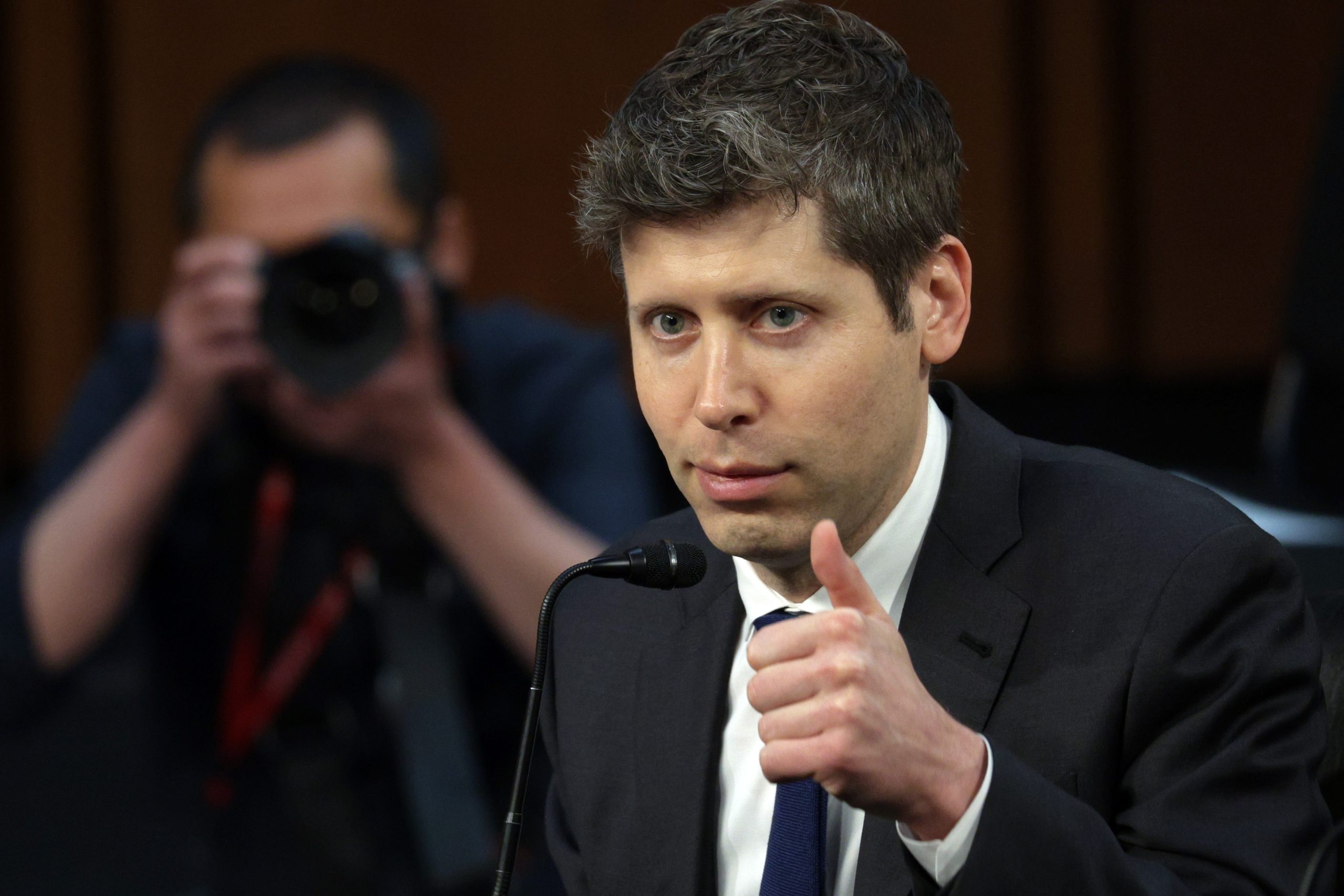
The idea of a dedicated "adult mode" was first publicly articulated by OpenAI CEO Sam Altman in October of the previous year. At that time, Altman outlined a principle of "treating adult users like adults," signaling a potential philosophical shift in how the company approached content moderation for its mature audience. He projected a December rollout for this age-gated feature, specifically mentioning the allowance of erotica for verified adults as a key component. This announcement was met with a mix of anticipation and apprehension, highlighting the polarized views on AI-generated mature content. Proponents saw it as a step towards greater user autonomy and a recognition of AI’s potential in creative fields, while critics raised concerns about potential ethical pitfalls and the difficulty of effective age verification.
However, the initial December launch schedule proved untenable. Internal communications, reportedly including a "code red" memo from Altman, indicated a shift in focus. The company temporarily redirected its resources to strengthening the fundamental ChatGPT experience, addressing issues related to its core performance and reliability. This strategic pivot resulted in the first delay, pushing the "adult mode" launch into the first quarter of the current year. The latest announcement confirms a further indefinite postponement, with an OpenAI spokesperson reiterating the company’s commitment to the "treat adults like adults" principle, but emphasizing that "getting the experience right will take more time." The duration of this latest delay remains unspecified, leaving the future of the feature uncertain.
Navigating Technical and Ethical Complexities
The implementation of a sophisticated "adult mode" presents a multitude of technical and ethical hurdles that extend beyond simply toggling a content filter. From a technical standpoint, accurately identifying and categorizing "adult content" is inherently complex. The nuances between artistic expression, educational material, and genuinely harmful or illegal content are often subtle and context-dependent. Developing an AI system that can discern these subtleties, especially across various languages and cultural contexts, requires significant research and development. Furthermore, preventing the "leakage" of adult content into the general, unfiltered mode, or ensuring that minors cannot bypass age verification mechanisms, demands robust and infallible security protocols. Age verification itself is a significant challenge online, with various methods offering differing levels of reliability and user privacy implications.
Ethically, the decision to allow AI-generated erotica or other mature content raises questions about the responsible development and deployment of powerful AI. While some argue for artistic freedom and user choice, others voice concerns about the potential for exploitation, the creation of non-consensual deepfakes, or the normalization of harmful stereotypes. The legal landscape surrounding AI-generated content, particularly explicit material, is still nascent and varies significantly across jurisdictions. OpenAI, as a global entity, must navigate this fragmented regulatory environment, which adds another layer of complexity to the feature’s rollout. The company’s cautious approach suggests an awareness of these intricate challenges and a desire to avoid potential backlash or regulatory scrutiny that could arise from an imperfect implementation.
Strategic Reassessment and Market Dynamics
This repeated delay can also be interpreted through the lens of strategic business decisions and the intensely competitive landscape of the AI industry. OpenAI operates in a rapidly evolving market, where giants like Google (with Gemini) and Anthropic (with Claude) are constantly vying for market share and technological supremacy. In such an environment, focusing on core product excellence—improving intelligence, refining personality, and enhancing proactive capabilities—might be deemed a higher priority than introducing a niche, potentially controversial feature. A more intelligent, reliable, and versatile core chatbot would likely appeal to a broader user base and enterprise clients, solidifying ChatGPT’s position as a leading general-purpose AI.
The "code red" incident reported previously underscores the company’s commitment to the fundamental user experience. If resources are finite, allocating them to universal improvements that benefit all users, rather than a segmented "adult mode," represents a pragmatic choice. This could also be a move to avoid alienating potential partners or investors who might be wary of associating with a platform perceived as pushing boundaries in sensitive content areas. The brand image of a pioneering AI company dedicated to "benefiting all of humanity" could be impacted by a feature that, while catering to a specific adult demographic, might be misconstrued or criticized by others. Therefore, a strategic pause allows OpenAI to consolidate its core offerings and maintain a more universally appealing public image while continuing to explore the "adult mode" concept behind the scenes.
The Broader Landscape of AI Safety
The discussion surrounding ChatGPT’s "adult mode" is emblematic of the broader, ongoing debate about AI safety and governance. As AI models become more sophisticated and capable, their potential impact on society grows exponentially. Regulators, ethicists, and the public are grappling with how to ensure these powerful technologies are developed and deployed responsibly. This includes questions about transparency, accountability, bias mitigation, and the prevention of harm.
OpenAI, as a prominent developer, is often at the forefront of these discussions. Its actions and policies set precedents for the industry. The initial strict filters on ChatGPT were a response to early concerns about AI misuse. The subsequent contemplation of an "adult mode" reflects a push for greater user autonomy, but the delays highlight the immense difficulty in balancing these competing values effectively. The industry is still in its early stages of defining best practices for content moderation, age verification, and ethical guidelines for generative AI, especially when it comes to sensitive topics.
Looking Ahead
While the "adult mode" remains on hold, the principle articulated by Sam Altman – "treating adult users like adults" – suggests that OpenAI has not abandoned the idea entirely. The company’s spokesperson indicated that "getting the experience right will take more time," implying that development continues, albeit at a deprioritized pace. This nuanced approach allows OpenAI to acknowledge the demand for less restrictive content generation for adults while simultaneously dedicating its primary resources to refining the foundational intelligence and utility of ChatGPT.
The future launch of such a feature will undoubtedly depend on several factors: the successful resolution of the technical and ethical challenges, the evolving regulatory landscape, and a strategic assessment of market readiness and user demand. For now, OpenAI appears to be playing a long game, prioritizing the stability and advancement of its core AI capabilities before venturing into the complexities of a dedicated mature content offering. This approach reflects a cautious but deliberate strategy in the rapidly evolving and high-stakes world of artificial intelligence development.