Amir Mahmud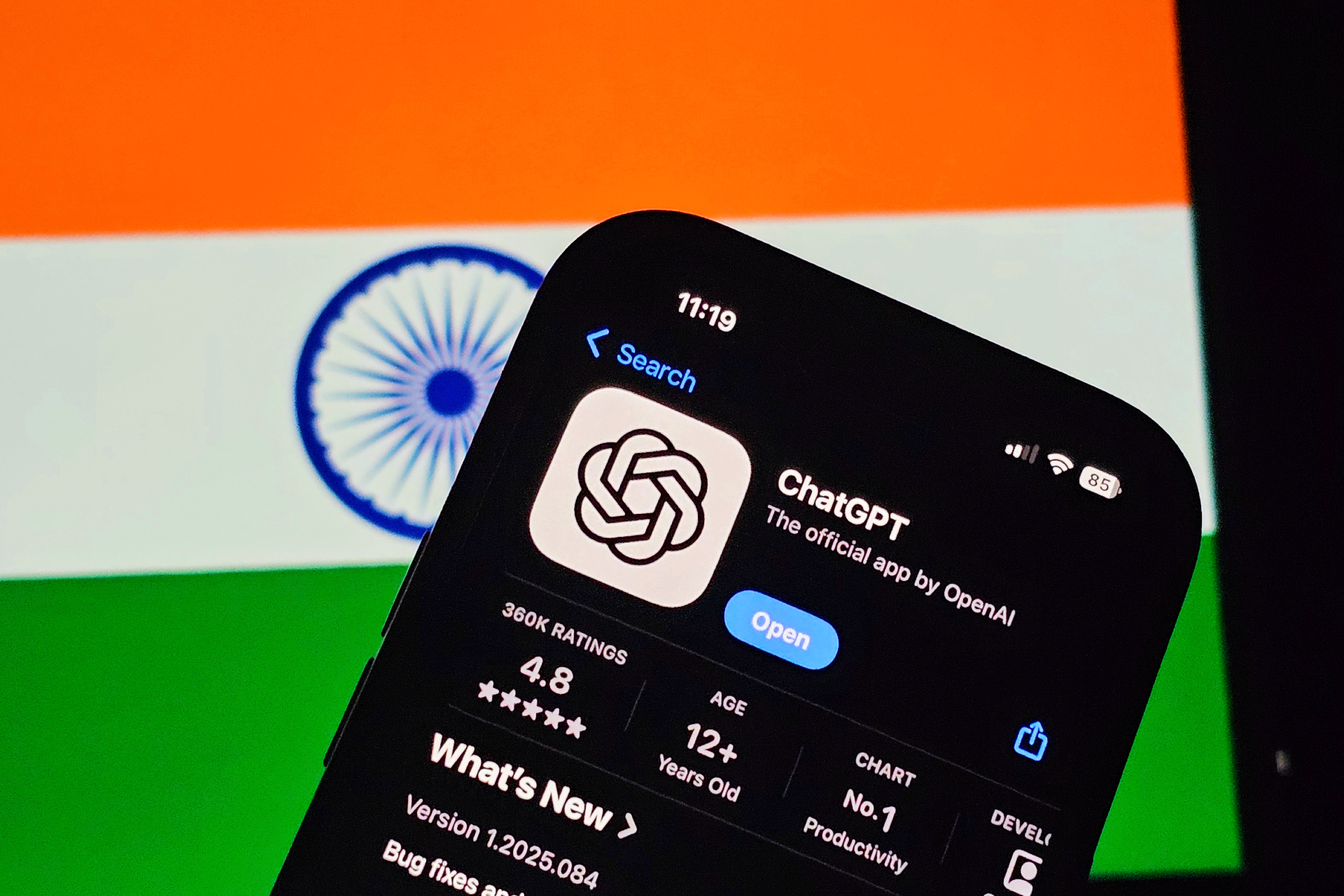
In a significant strategic maneuver underscoring India’s burgeoning role in the global artificial intelligence landscape, OpenAI has formalized a comprehensive partnership with the venerable Tata Group. This collaboration initiates with the immediate securing of 100 megawatts (MW) of AI-ready data center capacity within India, with an ambitious roadmap to escalate this commitment tenfold to a colossal 1 gigawatt (GW) over the coming years. This monumental undertaking is a cornerstone of OpenAI’s "Stargate project," a global initiative designed to erect robust AI infrastructure and accelerate the adoption of enterprise-grade AI solutions worldwide, simultaneously embedding the advanced capabilities of generative AI deeply into one of the world’s most dynamic digital economies.
A Strategic Alliance for AI Dominance
The alliance between OpenAI, a pioneering force in artificial intelligence, and the Tata Group, an Indian multinational conglomerate with a diverse portfolio spanning technology, automotive, steel, and consumer goods, represents a confluence of cutting-edge innovation and industrial might. This partnership extends beyond mere infrastructure, encompassing a broad enterprise collaboration aimed at integrating OpenAI’s sophisticated tools across Tata’s vast ecosystem. Tata Consultancy Services (TCS), the IT services arm of the Tata Group, is set to become the inaugural customer of its own HyperVault data center business for this endeavor, starting with the initial 100 MW capacity. Beyond hardware, the agreement includes the deployment of ChatGPT Enterprise across Tata’s extensive workforce and the standardization of AI-native software development practices utilizing OpenAI’s suite of developer tools, signaling a deep, multifaceted commitment to AI integration.
This strategic alignment comes at a pivotal moment for both entities. OpenAI is actively seeking to expand its global footprint, particularly in markets demonstrating rapid AI adoption and a strong appetite for digital transformation. India, with its vast talent pool, burgeoning digital economy, and forward-thinking governmental initiatives, presents an unparalleled opportunity. For the Tata Group, embracing generative AI on such a scale is a testament to its commitment to digital leadership and innovation, aiming to enhance operational efficiencies, foster new product development, and upskill its immense workforce for the demands of the AI era.
Fueling India’s Digital Transformation with Advanced AI Infrastructure
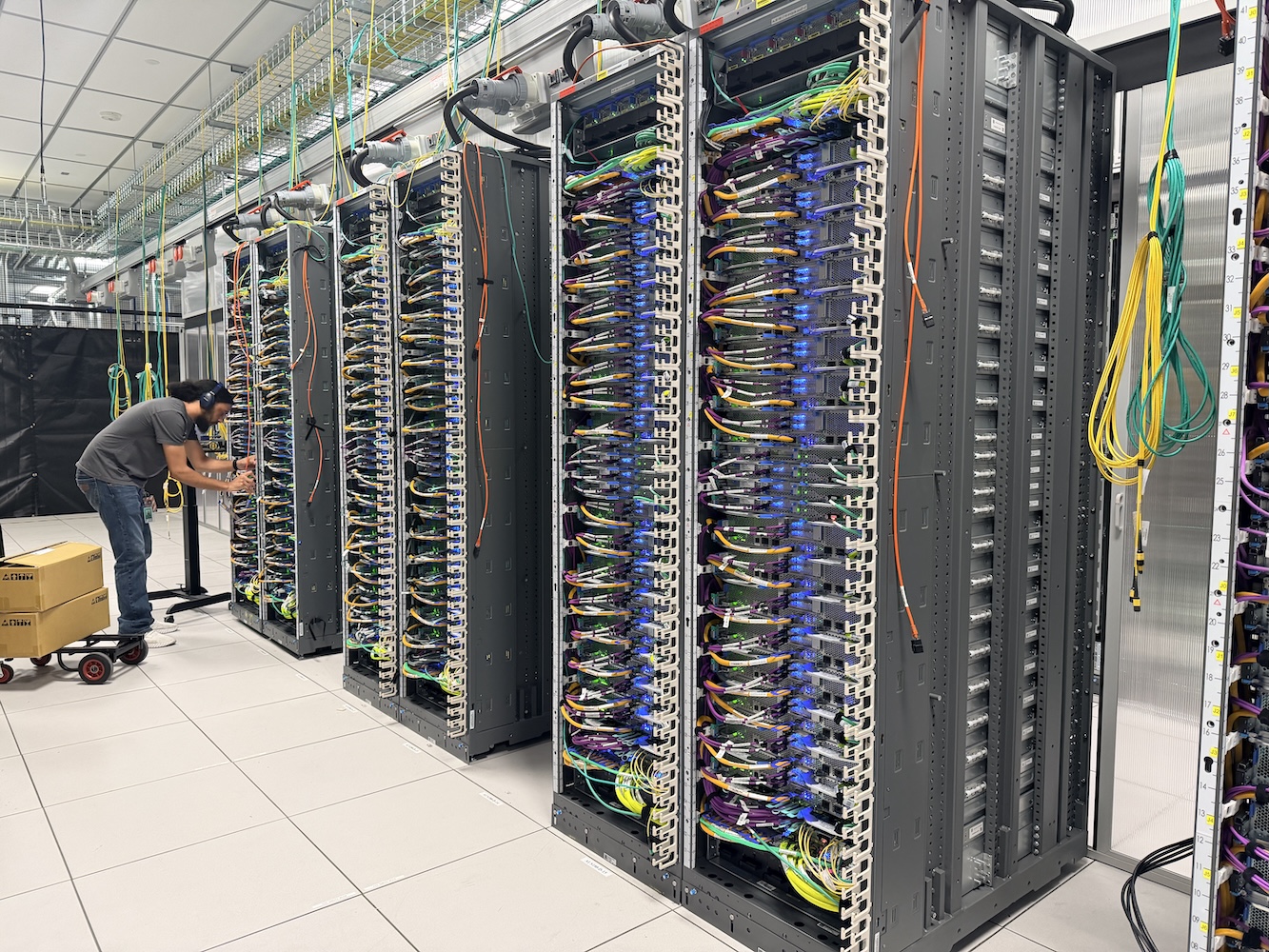
The sheer scale of the planned infrastructure deployment — starting at 100 MW and targeting 1 GW — is indicative of the intense computational demands of advanced AI models. Training and running sophisticated large language models (LLMs) and other generative AI applications require massive clusters of graphics processing units (GPUs), which are inherently power-hungry. A 1 GW data center facility dedicated to AI would rank among the largest such deployments globally, underscoring OpenAI’s long-term vision and significant investment in India. This investment is not just about physical infrastructure; it’s about establishing a foundation for cutting-edge AI research, development, and deployment within the country.
Historically, India has been a global hub for IT services and software development, fueled by a large, skilled workforce. The "Digital India" initiative, launched in 2015, further propelled the country’s digital transformation, leading to widespread adoption of digital payments, government services, and online platforms. This pervasive digital infrastructure has created a fertile ground for AI, making India a prime candidate for advanced AI deployment. The demand for localized, high-performance computing has grown exponentially, driven by enterprises seeking to leverage AI for everything from customer service automation to complex data analytics. This partnership directly addresses that demand, providing the foundational compute power necessary for advanced AI to flourish.
The "Stargate" Vision and HyperVault’s Role
The partnership with Tata Group is explicitly positioned as a component of OpenAI’s ambitious "Stargate project." While details surrounding Stargate have remained somewhat shrouded, it is understood to be a multi-billion dollar initiative focused on building supercomputing infrastructure for AI. This global endeavor aims to democratize access to high-performance AI compute, enabling wider adoption of advanced models across industries and geographies. By establishing significant capacity in India, OpenAI is extending the reach of Stargate into a critical, high-growth market.
Tata Consultancy Services’ HyperVault data center business, established to provide AI-ready infrastructure, becomes a crucial enabler for this vision. HyperVault, backed by an approximately ₹180 billion (around $2 billion) planned investment from TCS and private equity firm TPG, is specifically designed to support the demanding workloads of hyperscalers and large enterprise customers. Its capabilities are tailored to meet the unique power, cooling, and connectivity requirements of AI clusters, which differ significantly from traditional data centers. Becoming HyperVault’s first customer provides OpenAI with a dedicated, high-quality infrastructure partner deeply embedded within the Indian market. While the financial specifics of the deal, such as whether OpenAI is making a capital investment or leasing capacity, remain undisclosed, the commitment signals a robust and long-term collaboration.
Unlocking Enterprise Potential: Tata’s AI Integration
Beyond the physical infrastructure, a cornerstone of this alliance is the strategic enterprise collaboration aimed at accelerating AI adoption across the vast Tata conglomerate. The plan to roll out ChatGPT Enterprise to hundreds of thousands of employees at TCS, and eventually across other Tata businesses, represents one of the largest enterprise AI deployments globally. This initiative is set to revolutionize how Tata’s workforce operates, enhancing productivity, fostering innovation, and streamlining complex tasks. ChatGPT Enterprise offers enhanced security, privacy, and performance features compared to its consumer counterpart, making it suitable for sensitive corporate data and mission-critical applications.
Furthermore, TCS’s intent to standardize AI-native software development across its engineering teams using OpenAI’s Codex tools signifies a profound shift in its operational paradigm. Codex, the AI model that powers GitHub Copilot, assists developers by generating code, suggesting completions, and translating natural language into code. Integrating such tools at a foundational level within a global IT services giant like TCS has far-reaching implications. It promises to accelerate software development cycles, improve code quality, and enable engineers to focus on higher-value tasks, thereby enhancing TCS’s competitive edge in the global technology services market. This move could also set a precedent for other large enterprises looking to integrate AI into their core software development processes.
India: A Critical Frontier in the Global AI Race
India’s strategic importance to OpenAI is further highlighted by the sheer scale of ChatGPT adoption in the country. Recent estimates from OpenAI CEO Sam Altman indicate that India boasts over 100 million weekly ChatGPT users, encompassing a diverse demographic of students, teachers, developers, and entrepreneurs. This rapid and widespread embrace of generative AI positions India as one of OpenAI’s most vital growth markets. The "OpenAI for India" initiative, under which this partnership falls, is a testament to the company’s commitment to deepening its enterprise and infrastructure investments in the nation.
The timing of this announcement, coinciding with India’s AI Impact Summit in New Delhi, where global AI leaders like Altman, Anthropic CEO Dario Amodei, and Google CEO Sundar Pichai participated, further underscores India’s rising prominence. The summit served as a platform for Indian startups and enterprises to showcase AI applications across critical sectors such as finance, healthcare, and education, illustrating the vibrant and innovative AI ecosystem rapidly developing within the country. This environment makes India not just a market for AI products but also a potential hub for AI innovation and talent.
Addressing Data Residency and Regulatory Needs
A critical aspect of deploying local data center capacity is its ability to address growing concerns around data residency, security, and compliance. For enterprises and government entities in regulated sectors, hosting compute infrastructure domestically is often a prerequisite for handling sensitive data and adhering to evolving data localization and digital infrastructure regulations. By running its most advanced models within India, OpenAI can significantly reduce latency for local users, thereby improving user experience and application responsiveness. More importantly, it enables the company to meet stringent data governance requirements, potentially unlocking access to a broader spectrum of enterprise customers who mandate in-country processing.
The global trend towards data sovereignty has made localized infrastructure a strategic imperative for multinational technology companies. Countries worldwide are enacting stricter laws regarding where their citizens’ data can be stored and processed. For a market as large and digitally active as India, compliance with these regulations is not optional. This localized infrastructure build-out positions OpenAI favorably to navigate India’s evolving regulatory landscape, fostering trust and enabling deeper integration with key industries that prioritize data security and compliance.
Cultivating an AI-Ready Workforce
Beyond infrastructure and enterprise deployment, the partnership extends to critical areas of talent development. OpenAI plans to expand its certification programs in India, with TCS becoming the first participating organization outside the United States. These certifications are meticulously designed to equip professionals with practical AI skills across a multitude of roles and industries, directly addressing the growing demand for an AI-competent workforce. This initiative follows OpenAI’s recent collaborations with leading Indian institutions in engineering, medicine, and design, signaling a concerted effort to foster AI literacy and expertise from the ground up.
The emphasis on skilling the workforce for the AI era was echoed by N Chandrasekaran, Chairman of Tata Sons, who highlighted that the partnership would not only help build "state-of-the-art AI infrastructure in India" but also support efforts to prepare the country’s talent for future challenges. This focus on human capital development is crucial for India, as a skilled workforce will be essential to fully harness the economic and social benefits of AI and to ensure that the country remains competitive in the global technology landscape.
Expanding OpenAI’s Footprint and Ecosystem
OpenAI’s commitment to India is further solidified by its plans to open new offices in Mumbai and Bengaluru later this year, complementing its existing presence in New Delhi. This geographical expansion is designed to bolster enterprise partnerships, enhance developer engagement, and facilitate closer coordination with local regulatory bodies as the company scales its operations. Having a physical presence in key economic and technological hubs like Mumbai and Bengaluru will enable OpenAI to better understand and cater to the specific needs of the Indian market, fostering stronger relationships with clients, partners, and the developer community.
The company has already been actively expanding its presence through a web of partnerships with prominent Indian companies such as Pine Labs, JioHotstar, Eternal, Cars24, HCLTech, PhonePe, CRED, and MakeMyTrip. These collaborations aim to embed OpenAI’s models across various consumer platforms, enterprise systems, and digital payments infrastructure, reaching millions of users in one of the world’s largest internet markets. Together, this comprehensive strategy encompassing data center build-out, extensive enterprise deployments, a burgeoning partner ecosystem, and significant investment in talent development represents OpenAI’s most profound and comprehensive push yet to firmly anchor advanced AI infrastructure and applications within India, signaling a new chapter in the nation’s digital evolution.







 Azin Asro