Amir Mahmud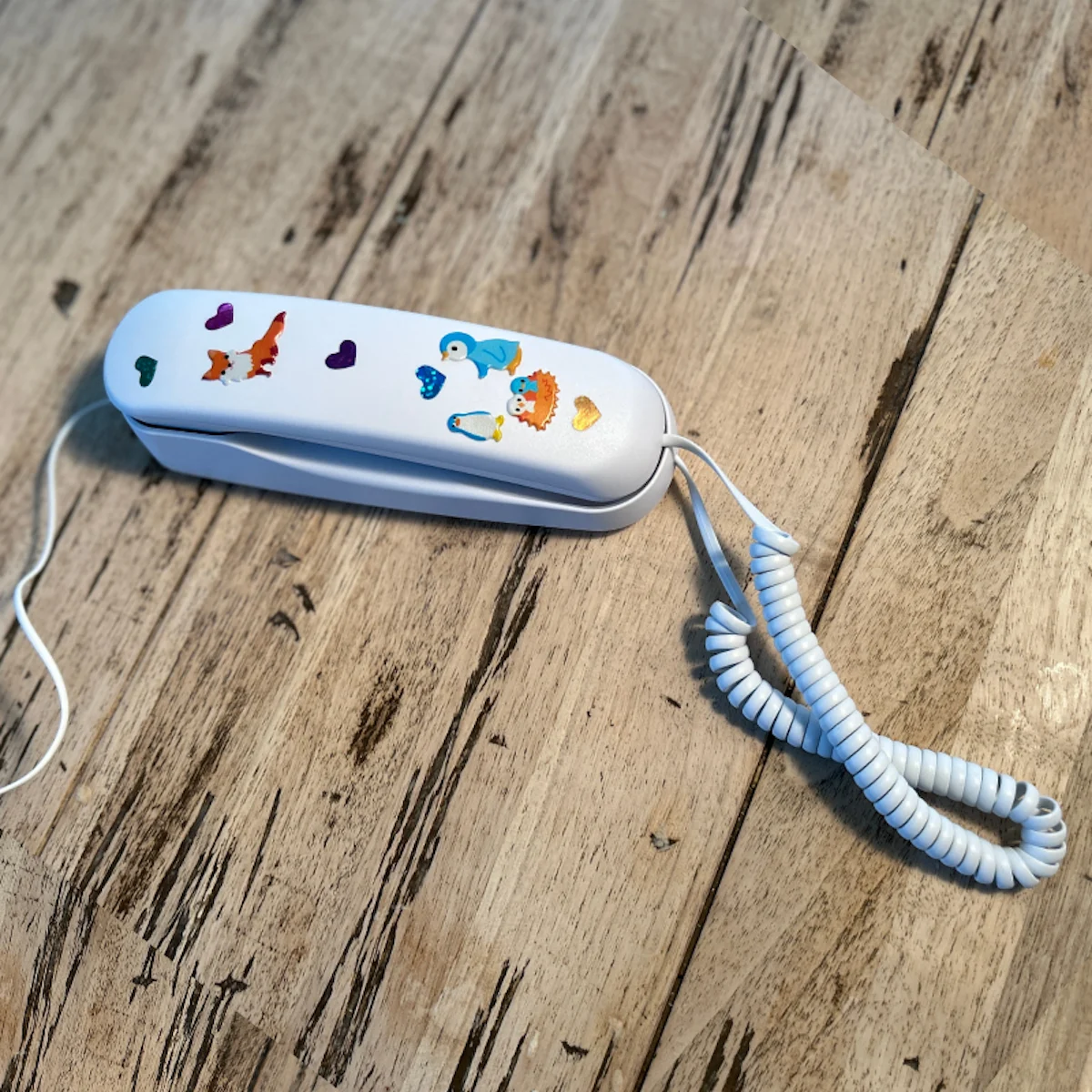
In an era increasingly defined by ubiquitous digital screens and constant connectivity, a notable shift is emerging as parents seek to navigate the complexities of raising children in a technologically advanced world. Pinwheel, a company specializing in kid-focused technology, recently introduced Pinwheel Home, a contemporary reinterpretation of the classic household landline telephone. Unveiled on Tuesday, this device is designed to offer a foundational communication experience for children aged 5 to 10, bridging the gap between early childhood and the eventual introduction of a smartphone, all while prioritizing screen-free interaction.
The Shifting Landscape of Childhood Connectivity
The concept of a communal household telephone might seem anachronistic to younger generations, yet it evokes a powerful sense of nostalgia for many adults who recall a time when the landline was the primary means of external communication. For decades, from the early 20th century until the turn of the millennium, the landline phone was a fixture in nearly every American home, serving as a hub for family conversations, emergency contacts, and social connections. Children would often share a single device, learning to dial numbers, wait for a ring, and engage in direct, voice-based conversations. This shared experience fostered a unique dynamic, teaching patience, active listening, and the art of direct communication without visual cues or digital distractions.
However, the advent of mobile phones in the 1990s, and particularly smartphones in the late 2000s, rapidly accelerated the decline of landlines. By 2018, more than half of U.S. homes had abandoned landlines entirely, opting for the portability and expanded capabilities of cellular devices. This transition fundamentally altered how families communicated, moving from a centralized home device to individualized, always-on personal devices. For children, this meant growing up in a world where personal screens were the norm, often bypassing the landline experience altogether.
Pinwheel Home aims to resurrect elements of this past while integrating modern functionality. Operating entirely over Wi-Fi, it eliminates the need for a traditional phone jack, making it adaptable to contemporary homes. The device is purely voice-activated, deliberately omitting features like texting, web browsing, or social media access. This design choice underscores Pinwheel’s philosophy of fostering direct, one-on-one verbal interactions, encouraging children to develop essential communication skills and independence without the myriad distractions inherent in a smartphone.
Addressing the Screen Time Epidemic
The launch of Pinwheel Home arrives at a critical juncture, coinciding with escalating global concerns regarding the pervasive influence of digital screens on child development. Public health organizations, educators, and medical professionals have increasingly highlighted the potential adverse effects of excessive screen time. Studies from institutions like the American Psychological Association (APA) have linked prolonged screen exposure to a range of challenges, including emotional dysregulation, behavioral issues, and difficulties in social interaction. Furthermore, research, such as that from the University of Georgia, indicates a correlation between increased social media use among children and weaker vocabulary development over time, impacting their ability to recognize and pronounce words effectively.
These findings contribute to a growing chorus of parental anxiety. Many caregivers find themselves grappling with the dilemma of providing their children with necessary connectivity while simultaneously safeguarding them from the potential pitfalls of an unfiltered digital environment. The "screen time epidemic" has become a central topic in parenting discussions, leading to a broader movement among families to seek "unplugged" alternatives or highly curated digital experiences for their children. Pinwheel Home positions itself squarely within this movement, offering a controlled, purposeful communication tool that aligns with the desire to mitigate digital overload.
The company’s existing product line, which includes kid-friendly smartphones and smartwatches (including one launched last year with an AI chatbot), reflects a consistent effort to offer filtered and supervised technological tools. Pinwheel Home extends this ecosystem, acting as an introductory device that helps children build fundamental phone skills in a low-stakes environment, before they transition to more complex personal devices. It provides a structured pathway, allowing parents to gradually introduce technology while maintaining significant oversight.
Design, Features, and Parental Control
Pinwheel Home is available in two distinct models, each designed to appeal to different aesthetic preferences while maintaining the core functionality. The "Spark" model, starting at $68, offers a sleek, modern design in a choice of white, black, blue, or purple. For those drawn to a more nostalgic aesthetic, the "Classic" model, priced at $79, features a retro-style handset and comes with customizable stickers, available in pink, black, and white. This attention to design, combining modern tech with vintage appeal, is a deliberate nod to both parental nostalgia and children’s engagement.
At the heart of Pinwheel Home’s utility is its comprehensive parental control system, managed through the Pinwheel Caregiver Portal. This online platform empowers parents with robust tools to curate their child’s communication experience. Key features include the ability to approve specific contacts, ensuring children can only call or receive calls from trusted individuals. The portal also allows for the blocking of unknown callers, spam, and robocalls, providing a crucial layer of safety and preventing unwanted intrusions. Parents can further customize their child’s phone usage by setting calling schedules and time limits, encouraging balanced engagement and preventing late-night conversations. Additional functionalities such as speed dial and voicemail are integrated, offering convenience while mirroring traditional phone features in a controlled environment.
Pinwheel has also outlined plans for future enhancements, including the introduction of three-way calling. Crucially, the company intends to integrate Pinwheel Home with its existing range of watches and smartphones, allowing children to utilize the same phone number across multiple Pinwheel devices. This strategic integration aims to provide a seamless communication experience within the Pinwheel ecosystem, offering convenience while still adhering to the principle of limiting screen time, particularly in the home setting.
The Broader "Unplugged" Movement
Pinwheel Home’s entry into the market is not an isolated phenomenon but rather a reflection of a broader societal trend. Globally, there is increasing momentum toward regulating children’s access to social media and other potentially harmful digital content. Countries such as Australia have already implemented restrictions on social media for minors, and the United Kingdom has announced intentions for similar legislative measures. These governmental actions underscore the widespread concern about the mental health and developmental impacts of unchecked digital exposure on young minds.
This concern is also manifesting in consumer behavior. A growing number of parents are actively seeking "dumb phones," screen-free devices, or highly specialized gadgets that offer connectivity without the overwhelming features of a smartphone. This "unplugged" movement is gaining traction, driven by a desire to protect childhood, foster traditional play, and encourage face-to-face interactions. Educational philosophies, such as those found in Waldorf schools, have long championed minimal technology exposure, and it’s notable that even many Silicon Valley executives, who build these technologies, opt for screen-limited environments for their own children. The market for products like Pinwheel Home signifies a clear demand for solutions that offer a middle ground: enabling communication and safety without sacrificing developmental well-being.
Market Dynamics and Competition
The market for screen-free or limited-function communication devices for children is an emerging but increasingly competitive space. Pinwheel Home enters alongside other innovative products, such as Tin Can, a Wi-Fi-enabled landline for kids priced at $100. Tin Can similarly allows parents to manage approved contacts via a companion application, highlighting a shared understanding of parental needs for control and safety.
Pinwheel’s pricing strategy for its connectivity plans reflects this competitive environment. Calls between Pinwheel Home devices are free through the company’s "Pinwheel Circle" service, encouraging an ecosystem of users. For families wishing to connect with standard phone numbers, Pinwheel offers tiered subscription plans: $6.99 per month for up to five approved contacts, or $9.99 per month for unlimited calling. These prices are competitive with alternatives like Tin Can, which also offers free device-to-device calls and a "friends and family" plan at $9.99 per month. The subscription model is crucial for these companies, providing recurring revenue to support ongoing service and development.
The success of devices like Pinwheel Home will depend on their ability to resonate with parents’ values, demonstrating a tangible benefit in their children’s development and offering a practical, reliable communication solution. The blend of nostalgic appeal, modern convenience (Wi-Fi), and stringent parental controls positions Pinwheel Home as a thoughtful contender in this evolving market segment.
Looking Ahead: The Future of Connected Childhood
As Pinwheel Home becomes available on the company’s website now and is slated for an Amazon launch this fall, its impact will be closely watched. The device represents more than just a product; it symbolizes a broader societal conversation about the role of technology in shaping childhood. It challenges the prevailing notion that more technology is always better, instead advocating for intentional, purposeful technological integration.
The analytical commentary surrounding such innovations often questions whether a "limited" device can truly compete for children’s attention in a world saturated with rich multimedia experiences. However, the intent behind Pinwheel Home is not to compete on features but on values – to provide a tool that supports developmental milestones, fosters genuine connection, and empowers parents to curate a healthier digital environment for their children. In a complex digital landscape, the simplicity of a retro-inspired voice phone might just be the innovative step many families are looking for to reclaim a piece of screen-free childhood.