Amir Mahmud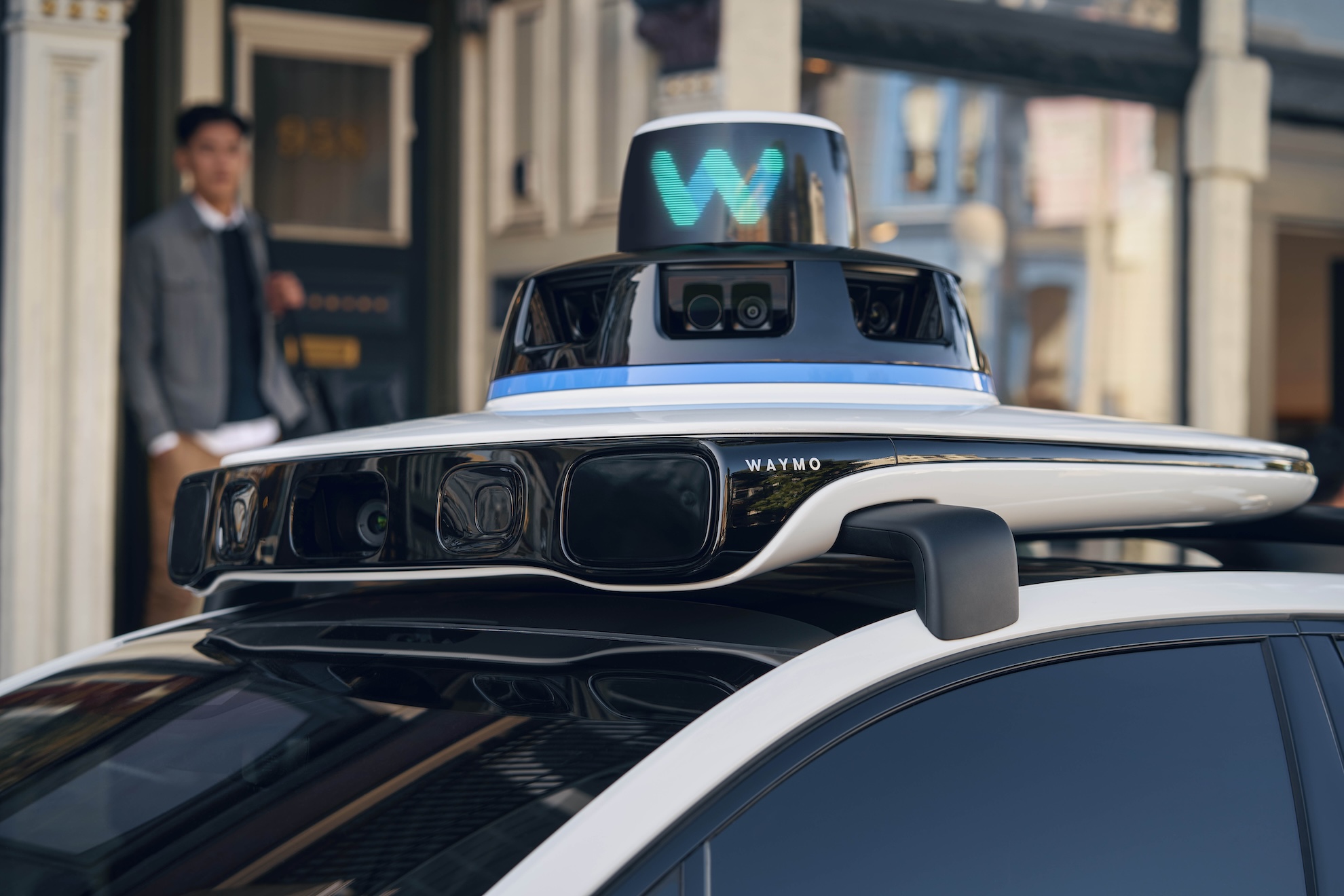
New York Governor Kathy Hochul has withdrawn a legislative proposal that would have paved the way for the broader commercial deployment of autonomous vehicles (AVs), often referred to as robotaxis, across much of the state. This move effectively sidelines a significant expansion opportunity for companies like Waymo, a leader in the self-driving technology sector, which has long sought to establish a commercial presence in the Empire State. The decision signals a cautious approach from New York authorities, prioritizing stakeholder consensus over accelerated technological integration, at least for the immediate future.
Regulatory Roadblocks in the Empire State
The proposal, embedded within the governor’s broader budget plan, aimed to amend specific vehicle and traffic laws, most notably a longstanding statute that mandates drivers maintain at least one hand on the steering wheel at all times. This particular law has historically posed a fundamental obstacle to the operation of fully autonomous vehicles, which, by design, do not require continuous human intervention at the wheel. Without this amendment, the legal framework for widespread robotaxi services, especially those operating without human safety drivers, remains largely undefined and prohibitive.
Sean Butler, a spokesperson for Governor Hochul, confirmed the withdrawal, attributing the decision to a lack of support among key stakeholders, including members of the state legislature. "Based on conversations with stakeholders, including in the legislature, it was clear that the support was not there to advance this proposal," Butler stated in an emailed communication. This indicates a significant divergence in opinion between the executive branch’s initial push for modernization and the legislative body’s reservations, likely reflecting broader public and industry concerns.
For Waymo, the autonomous driving subsidiary of Alphabet, this represents a notable setback. The company has been actively pursuing avenues to test and eventually launch its commercial robotaxi services in New York for several years, alongside other prominent AV developers. Waymo expressed its disappointment but reiterated its long-term commitment to the state. "We hear from thousands of New Yorkers who have experienced Waymo in other cities and want access to it at home," Waymo communicated in a statement. "They want the safety, privacy, and comfort that riders in other major cities already enjoy. While we are disappointed by the Governor’s decision, we’re committed to bringing our service to New York and will work with the State Legislature to advance this issue." The company emphasized the need for a collaborative approach centered on transparency and public safety to deliver this "proven mobility option."
A National Tapestry of Autonomous Regulation
The situation in New York highlights the fragmented and often complex regulatory landscape facing the autonomous vehicle industry across the United States. Unlike a unified federal framework, states and even individual municipalities often dictate the rules for AV testing and deployment. This patchwork of regulations creates significant challenges for companies like Waymo, which must navigate diverse legal requirements, public sentiments, and infrastructure conditions in each new market.
Some states, such as Arizona, California, and Texas, have adopted more permissive stances, allowing for significant AV testing and commercial deployment. Phoenix, Arizona, for instance, has become a prominent hub for Waymo’s operations, with its favorable climate, relatively predictable urban environments, and proactive regulatory framework. Similarly, Waymo and its competitors have expanded operations in cities like Los Angeles and the San Francisco Bay Area, albeit with varying degrees of public acceptance and regulatory oversight following initial pilot phases.
Conversely, other regions have remained more cautious, citing concerns over safety, job displacement, and the readiness of the technology. The withdrawal of New York’s proposal places it firmly in the latter camp, at least for now, indicating a preference for a slower, more deliberate integration process.
Waymo’s Ambitions and the Path Not Taken
Had Governor Hochul’s proposal moved forward, it would not have immediately opened the floodgates for widespread, unrestricted robotaxi operations. The withdrawn plan contained a series of significant limitations and requirements designed to ensure a controlled rollout. Notably, it explicitly prohibited the deployment of for-hire robotaxi services in any city with a population exceeding one million, effectively excluding New York City from the initial commercial expansion.
Beyond this geographical constraint, AV companies would have been required to secure approval from the state’s transportation commissioner, pay a substantial $1 million fee, and demonstrate proof of financial security amounting to at least $5 million. Furthermore, the state intended to back robotaxi pilot programs only in cities or townships where there was clear evidence of local support, emphasizing a community-centric approach to adoption. These stringent conditions underscore the state’s cautious stance, even within the framework of a proposed legalization.
With the proposal now off the table, New York reverts to its existing, significantly more restrictive AV pilot program. Under this program, companies can still apply for exemptions to the "one-hand on the wheel" rule, enabling them to develop and test autonomous vehicles within the state. However, this program explicitly disallows the launch of commercial robotaxi services. Waymo is currently operating under such a permit in New York City, testing its Jaguar I-Pace vehicles in parts of Manhattan and downtown Brooklyn. This testing, which requires a human safety operator behind the wheel, was granted last August and is set to continue through March 31. This current setup allows for data collection and technological refinement in a complex urban environment but falls far short of Waymo’s commercial aspirations.
The Genesis of Autonomous Mobility
The journey towards autonomous vehicles began decades ago, evolving from theoretical concepts and military applications to the sophisticated urban mobility solutions we see today. Early pioneers in the 1980s and 90s, often supported by government research initiatives like the DARPA Grand Challenges in the early 2000s, laid the groundwork for modern self-driving technology. These challenges spurred significant advancements in sensor technology, artificial intelligence, and real-time mapping.
Google’s self-driving car project, launched in 2009, marked a pivotal moment, bringing autonomous technology into the public consciousness and demonstrating its potential for everyday use. This project eventually spun off into Waymo in 2016, solidifying its commitment to commercializing driverless technology. Over the past decade, Waymo has accumulated billions of miles in real-world and simulated driving, refining its software and hardware stack to achieve a high level of autonomy. The company now boasts commercial operations in several major U.S. cities, providing hundreds of thousands of paid rides weekly and targeting a million weekly rides by the end of the current year. This track record of deployment and operational scale in other markets is often cited by Waymo as evidence of its technology’s maturity and safety.
Public Perception and Stakeholder Concerns
The cautious reception of autonomous vehicles in New York is reflective of broader societal debates surrounding this transformative technology. Public trust in AVs remains a critical factor, often swayed by media reports of accidents, even if human error is eventually determined to be the primary cause. Safety concerns are paramount, particularly in densely populated and complex urban environments like those found in New York, where unpredictable pedestrians, cyclists, and aggressive driving behaviors present unique challenges for AI systems.
Beyond safety, a range of stakeholders hold significant concerns. Traditional taxi and ride-sharing companies, along with their drivers, fear potential job displacement and market disruption. Labor unions often advocate for regulations that protect human employment in the transportation sector. Public transit advocates question whether significant investment in private AV services detracts from the need for robust public transportation infrastructure. Law enforcement and emergency services also grapple with how AVs will integrate into existing protocols, especially during incidents or emergencies.
The "one hand on the wheel" law in New York, while seemingly archaic in the context of advanced robotics, encapsulates a deeply ingrained cultural expectation of human oversight and responsibility in driving. Amending such a law requires not just legislative will but also a substantial shift in public confidence and a clear demonstration of the technology’s safety and reliability.
Economic Promise Versus Societal Impact
The economic promise of robotaxis is significant. Proponents argue that autonomous fleets could lead to reduced traffic congestion, lower emissions through optimized routing and electric vehicles, and increased accessibility for individuals unable to drive themselves, such as the elderly or those with disabilities. The autonomous logistics sector also holds the potential to revolutionize goods delivery and supply chains, offering greater efficiency and cost savings. The investment pouring into the AV industry globally reflects the perceived immense market potential, with projections often reaching trillions of dollars in the coming decades.
However, these benefits must be weighed against potential societal impacts. The displacement of human drivers, while potentially leading to new jobs in AV maintenance, software development, and fleet management, could also create significant economic disruption for a large segment of the workforce. The equity implications of who benefits from and who is disadvantaged by AV deployment are also a critical consideration. Furthermore, the integration of large AV fleets could reshape urban planning, infrastructure needs, and even social interactions within public spaces. New York, with its extensive public transit network and established transportation ecosystem, presents a unique case where the introduction of widespread robotaxi services could have profound and complex ripple effects.
The Road Ahead for Driverless Technology in New York
The decision to withdraw the robotaxi expansion proposal underscores New York’s commitment to a cautious and consensus-driven approach to technological innovation. While Waymo and other AV companies express disappointment, the emphasis on "collaborative approach that prioritizes transparency and public safety" suggests that engagement with stakeholders will be key to any future progress.
The path forward for autonomous vehicles in New York will likely involve continued dialogue, extensive public education, and perhaps revised legislative proposals that address specific concerns raised by lawmakers and the public. The experiences of other cities where Waymo operates will undoubtedly be scrutinized for lessons learned regarding safety, economic impact, and public acceptance. For now, the vision of widespread, commercially available robotaxi services navigating the complex streets outside of New York City remains a future aspiration rather than an imminent reality, as the Empire State opts for a slower, more deliberate journey on the road to autonomy.






 Azin Asro