Amir Mahmud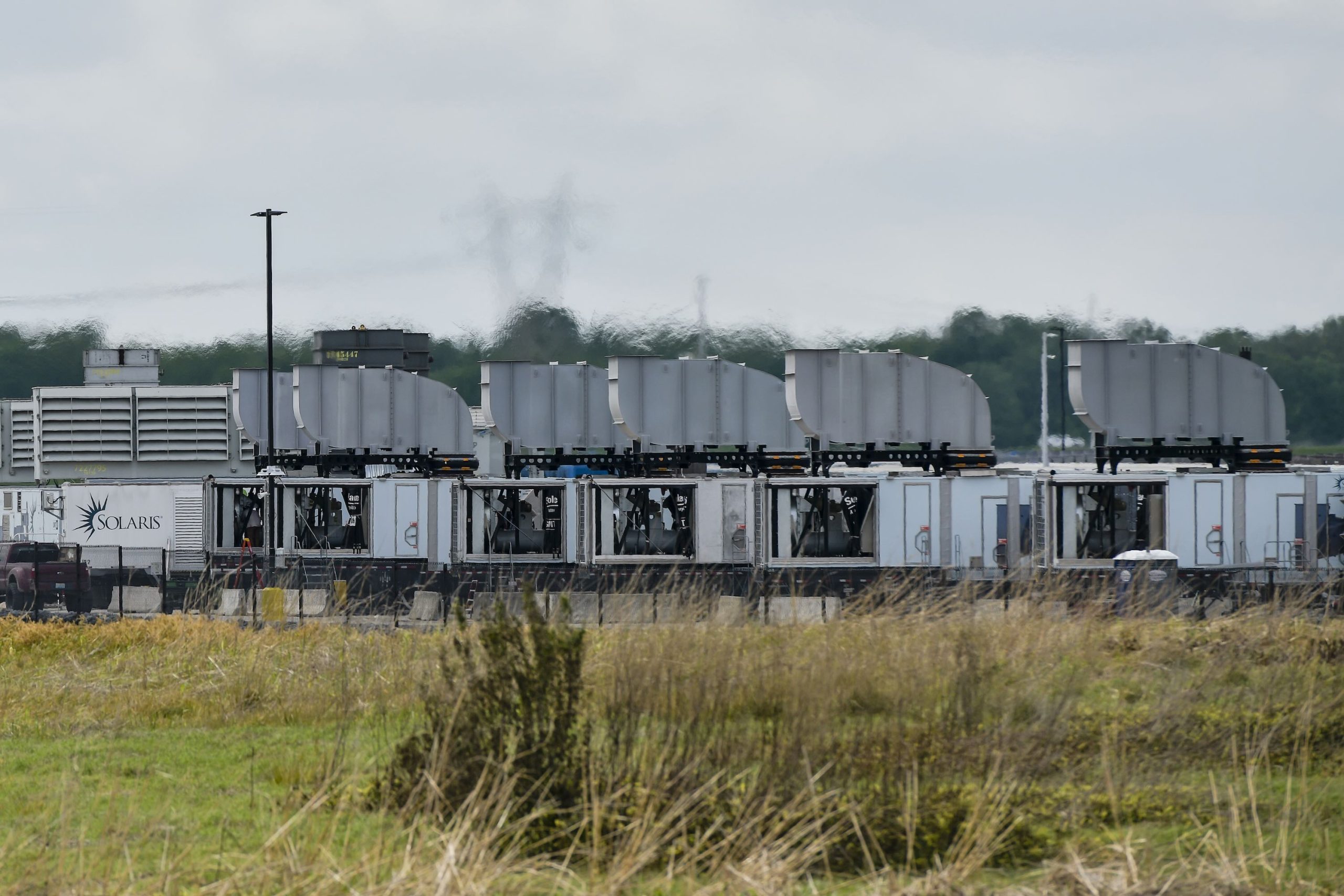
Albany, NY – Legislators in New York have introduced a significant bill that seeks to impose a three-year moratorium on the permitting process for new data centers, encompassing both their construction and operational commencement. This legislative push reflects a growing statewide and national apprehension regarding the burgeoning energy demands and environmental implications of the digital infrastructure backbone that powers our increasingly connected world. While the ultimate fate of this bill remains uncertain, its introduction positions New York among a growing number of states across the U.S. that are actively exploring measures to temper the rapid expansion of these critical facilities.
The Proposed Moratorium and Its Rationale
The bill, sponsored by Democratic State Senator Liz Krueger and Assemblymember Anna Kelles, aims to provide a crucial "breathing room" for the state to develop comprehensive policies and regulations specifically tailored to address the unique challenges posed by data center development. Senator Krueger articulated concerns that New York is "completely unprepared" for the influx of "massive data centers" that are actively "gunning for New York," highlighting the perceived lack of foresight in current planning and regulatory frameworks. The proposed three-year pause is envisioned as a period to allow for the creation of robust guidelines that could prevent utility customers from bearing an undue financial burden and to ensure more sustainable growth.
At its core, a data center is a facility used to house computer systems and associated components, such as telecommunications and storage systems. These facilities are the physical manifestations of the internet, cloud computing, and increasingly, artificial intelligence (AI). They require immense amounts of electricity for their servers and cooling systems, and often significant quantities of water for cooling, making them substantial consumers of natural resources. The rapid proliferation of these centers, fueled by the insatiable demand for digital services and the recent AI boom, has brought their environmental footprint into sharp focus.
A National Trend: States Grapple with Data Center Growth
New York’s proposed legislation is not an isolated incident but rather indicative of a broader national conversation. Reports indicate that at least six states are now considering similar pauses or restrictions on data center construction. This bipartisan concern underscores the widespread nature of the issue. Progressive figures like Senator Bernie Sanders have voiced calls for a national moratorium, citing environmental and economic concerns. On the other side of the political spectrum, conservative leaders, including Florida Governor Ron DeSantis, have also expressed reservations, linking data center expansion to potential increases in electricity bills for residents and raising concerns about the content generated by AI platforms.
This burgeoning opposition has coalesced into a significant movement, with more than 230 environmental organizations, including prominent groups like Food & Water Watch, Friends of the Earth, and Greenpeace, signing an open letter to Congress advocating for a nationwide halt to new data center construction. Eric Weltman of Food & Water Watch openly stated that the New York bill was "our idea," signaling a coordinated effort by advocacy groups to push for legislative action at the state level. The geographic spread of these legislative proposals further illustrates the growing unease, with Democrats in Georgia, Vermont, and Virginia introducing similar bills, alongside Republicans sponsoring comparable measures in Maryland and Oklahoma. This cross-party consensus on the need for regulation, despite differing underlying motivations, highlights the pervasive nature of the challenges presented by unchecked data center expansion.
The Environmental and Economic Footprint of Digital Infrastructure
The modern digital economy, from streaming movies to online banking, relies heavily on these vast, interconnected server farms. However, their operation comes with significant environmental and economic consequences. The primary concern revolves around energy consumption. Data centers are notoriously power-hungry, running 24/7 to maintain optimal server performance and temperature. The global energy demand from data centers is already substantial and is projected to skyrocket with the exponential growth of AI and cloud computing. This escalating demand places immense strain on existing electrical grids, often necessitating the construction of new power plants or upgrades to infrastructure, which can be costly and environmentally impactful.
Studies have begun to draw clear links between the presence of large data centers and increased residential electricity bills. When demand outstrips supply, or when utilities must invest heavily in infrastructure to accommodate new large industrial users, these costs can be passed on to consumers. Beyond energy, water usage is another critical issue. Many data centers employ evaporative cooling systems, which can consume millions of gallons of water annually, raising concerns in regions already facing water scarcity. The heat generated by these facilities also contributes to local heat islands, impacting microclimates.
From an economic perspective, data centers offer a mixed bag. Proponents often highlight job creation, primarily in construction and facility maintenance, and increased tax revenue for local communities. However, these benefits must be weighed against the potential costs. The jobs created are often fewer than what might be expected for such large-scale industrial sites, and the specialized nature of these roles can sometimes mean they don’t directly benefit the local workforce significantly. Furthermore, the strain on local infrastructure, from roads to utilities, can sometimes outweigh the tax benefits, especially if tax incentives were offered to attract the centers in the first place.
The AI Imperative: Driving Unprecedented Demand
The current wave of concern is largely amplified by the rapid ascent of artificial intelligence. AI models, particularly large language models and generative AI applications, require immense computational power for training and inference. This translates directly into a need for more powerful, more densely packed servers, and consequently, more energy and cooling. Major tech companies like Amazon, Google, and emerging players like xAI are investing billions into building out their AI infrastructure, leading to a veritable "capex race" to secure the necessary physical capacity.
This AI-driven demand is accelerating the expansion of hyperscale data centers – colossal facilities operated by tech giants that can consume as much electricity as a small city. The sheer scale and energy intensity of these new AI-optimized centers are what differentiate them from previous generations of data infrastructure, making the environmental and grid impact a more pressing concern than ever before. The urgency with which these companies are expanding is putting pressure on states and municipalities to either accommodate them rapidly or to establish guardrails before the scale becomes unmanageable.
Navigating the Regulatory Landscape: New York’s Approach
In response to these complex challenges, New York Governor Kathy Hochul recently unveiled the "Energize NY Development" initiative. This plan aims to modernize the process by which large energy users, including data centers, connect to the state’s electrical grid. Crucially, it also seeks to implement policies that would ensure these significant energy consumers "pay their fair share" for the infrastructure and energy resources they utilize. This initiative represents an attempt to find a middle ground, allowing for continued development while mitigating the financial burden on ratepayers and ensuring grid stability.
The proposed moratorium bill, however, suggests that some lawmakers believe Hochul’s plan does not go far enough, or that a temporary halt is necessary to fully assess and implement truly robust policies. The legislative debate in New York will likely revolve around striking a balance: how to remain a competitive location for technological investment and innovation without sacrificing environmental sustainability or burdening its citizens with exorbitant utility costs. This analytical tightrope walk is common for states grappling with the dual pressures of economic development and environmental stewardship.
Balancing Innovation with Sustainability
The discussion surrounding data center development encapsulates a broader societal challenge: how to reconcile the accelerating pace of technological advancement with the imperative of environmental sustainability. On one hand, data centers are indispensable for the digital age, enabling everything from scientific research and medical breakthroughs to communication and entertainment. Halting their growth could be perceived as stifling innovation and economic progress, potentially pushing investment and job creation to states or countries with less stringent regulations.
On the other hand, unchecked expansion risks exacerbating climate change, straining vital resources, and negatively impacting local communities. The analytical commentary here suggests that a thoughtful, data-driven approach is essential. This could involve incentivizing data centers to use renewable energy sources, implementing stricter water efficiency standards, requiring advanced cooling technologies, or even exploring innovative solutions like waste heat recapture for district heating. The conversation is evolving from simply "allowing" or "banning" to "how can we integrate this critical infrastructure responsibly?"
Looking Ahead: The Future of Data Center Development
The outcome of New York’s proposed moratorium bill will be closely watched by tech companies, environmental groups, and policymakers nationwide. Even if the bill does not pass in its current form, its introduction has undeniably pushed the conversation forward, forcing a critical examination of how states manage the digital infrastructure boom. It signals a potential shift in how localities view data centers – moving from an unalloyed economic boon to a complex proposition with significant trade-offs that demand careful regulation.
The historical trajectory of infrastructure development often shows periods of rapid, unregulated growth followed by phases of increased scrutiny and regulation as unforeseen impacts become apparent. The current debate over data centers appears to be squarely in this latter phase. The coming years will likely see states and municipalities developing more sophisticated frameworks for permitting, operating, and decommissioning data centers, aiming to ensure that the foundational elements of our digital future are built and maintained in a manner that is both innovative and environmentally responsible. The Empire State’s deliberations could set a precedent for how other regions balance the voracious demands of AI and cloud computing with the pressing need for sustainable development.