Amir Mahmud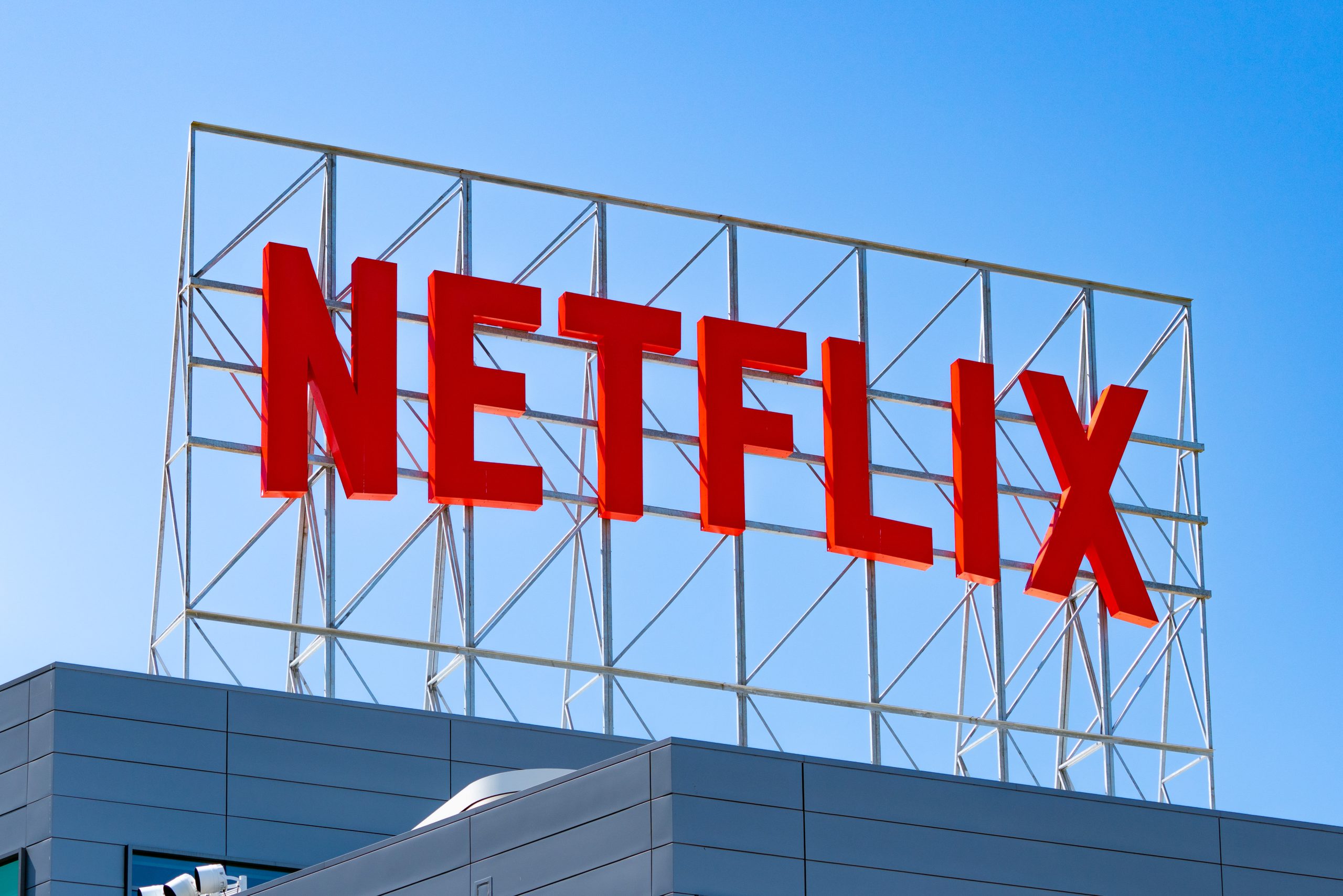
In a seismic shift poised to redefine the competitive terrain of the global streaming industry, Netflix officially announced on Friday its intent to acquire Warner Bros. The landmark transaction carries an immense enterprise valuation of $82.7 billion, signaling one of the most significant consolidations in Hollywood’s storied history. This monumental agreement encompasses not only the popular HBO Max streaming service but also the venerable HBO studio, alongside its vast array of iconic content and production capabilities.
A Strategic Power Play in the Streaming Wars
The acquisition represents a decisive maneuver by Netflix, a company that pioneered the streaming revolution and has long held a dominant position in the digital entertainment space. For years, Netflix distinguished itself through a relentless focus on original content and a subscription-only model, eschewing traditional advertising. However, the landscape has evolved dramatically, with formidable competitors like Disney+, Amazon Prime Video, and Paramount+ entering the fray, each backed by their own extensive content libraries and distribution networks.
By absorbing Warner Bros., Netflix is not merely expanding its footprint; it is fundamentally transforming its strategic core. The deal provides immediate access to an unparalleled catalog of intellectual property, including the globally recognized universes of DC Comics, the critically acclaimed fantasy saga "Game of Thrones," and the enduringly popular "Harry Potter" franchise. This infusion of established, high-value content is expected to significantly bolster Netflix’s offering, making it an even more compelling destination for viewers worldwide and potentially reducing its reliance on costly, self-produced original content that often lacks established brand recognition.
Netflix’s existing subscriber base, which exceeded 300 million paying members globally as of January, already dwarfs many competitors. The addition of HBO Max and Discovery+’s combined approximately 128 million subscribers presents a substantial opportunity for growth, though the integration of these distinct user bases and content platforms will undoubtedly present complex challenges. The scale of Netflix’s financial commitment is particularly striking, with the streaming giant allocating $72 billion in equity, an amount that surpasses Warner Bros.’s entire market valuation of $60 billion prior to the announcement. This aggressive valuation underscores Netflix’s conviction in the long-term value and strategic imperative of this acquisition.
Warner Bros. Discovery’s Challenged Journey
For Warner Bros. Discovery (WBD), the sale marks the latest chapter in a turbulent corporate saga defined by ambitious mergers and significant financial pressures. The company was formed through the 2022 merger of WarnerMedia, spun off by AT&T, and Discovery, Inc. This consolidation was envisioned as a powerhouse capable of competing effectively in the streaming era, combining WarnerMedia’s premium scripted content with Discovery’s extensive unscripted and factual programming.
However, the post-merger period proved challenging. WBD inherited a substantial debt load from the AT&T spin-off, estimated at over $50 billion. This financial burden, coupled with the highly competitive and capital-intensive streaming market, placed immense pressure on the newly formed entity. Despite efforts to streamline operations, cut costs, and combine streaming services under the Max brand, the company struggled to achieve the rapid subscriber growth and profitability targets necessary to alleviate its debt concerns. Disappointing streaming performance and a broader market reassessment of streaming valuations contributed to WBD’s decision to explore strategic alternatives, ultimately leading to its public offering for sale in October. Prior to Netflix’s bid, industry observers had identified several potential suitors, with Paramount Global frequently cited as a frontrunner, highlighting the pervasive trend of consolidation across the media landscape.
Historical Context of Media Consolidation
The proposed Netflix-Warner Bros. acquisition is not an isolated event but rather a continuation of a long-standing trend of consolidation within the media and entertainment industry. Over the past several decades, the landscape has consistently shifted towards fewer, larger players seeking economies of scale, expanded intellectual property portfolios, and greater leverage in distribution.
- Early 20th Century: The studio system itself was a form of consolidation, with a handful of major studios controlling production, distribution, and exhibition.
- Late 20th Century: The rise of conglomerates saw companies like Time Warner, Disney, and News Corporation acquire diverse media assets, from film studios and television networks to publishing houses and theme parks.
- 21st Century and the Digital Era: The internet and streaming technologies ushered in a new wave of mergers. Comcast’s acquisition of NBCUniversal, Disney’s absorption of 21st Century Fox’s entertainment assets, and AT&T’s ill-fated acquisition of Time Warner (which ultimately led to the creation of WBD) all exemplify this drive to build comprehensive content ecosystems in the face of digital disruption. Each of these deals was driven by the desire to secure valuable content libraries, expand global reach, and compete more effectively in an increasingly fragmented media consumption environment. The Netflix-Warner Bros. deal represents perhaps the most significant pure-play streaming consolidation to date, underscoring the mature phase of the "streaming wars" where scale and proprietary content are paramount.
Navigating the Regulatory Minefield
Despite the clear strategic advantages for Netflix, the path to finalizing this merger is fraught with potential obstacles, primarily in the form of rigorous antitrust scrutiny. The sheer scale of the proposed deal, which would unite two of the most significant players in content creation and distribution, immediately raises concerns about market concentration and potential anti-competitive practices.
Prominent political figures have already voiced their apprehensions. In November, Senators Elizabeth Warren, Bernie Sanders, and Richard Blumenthal, known for their critical stance on corporate consolidation, sent a strongly worded letter to the Justice Department’s Antitrust Division. Their communication indicated that any such agreement would be viewed "under a cloud of political favoritism and corruption," suggesting a heightened level of scrutiny and a potentially challenging regulatory review process. These senators have consistently advocated for stronger antitrust enforcement, particularly in sectors where a few dominant companies control significant market share.
Beyond political concerns, an anonymous group reportedly comprising filmmakers and industry professionals also sent a letter to Congress, urging public opposition to Netflix’s offer, as reported by Variety. Such industry pushback often highlights concerns about reduced buyer competition for creative talent, potential stifling of independent voices, and the fear of a more homogenized content landscape. Regulators will be tasked with evaluating whether the combined entity would unduly restrict competition in content acquisition, production, distribution, or pricing for consumers. Historical antitrust cases in media have often resulted in divestitures or behavioral remedies to mitigate anti-competitive effects, and a similar outcome, or even an outright block, remains a possibility.
Market, Social, and Cultural Implications
The ramifications of a Netflix-Warner Bros. merger extend far beyond corporate balance sheets and regulatory offices, touching upon the very fabric of how content is created, distributed, and consumed globally.
- Market Impact: The deal would create an undeniable titan in the streaming space, potentially intensifying pressure on smaller streamers and traditional broadcasters. Competitors like Disney+, Amazon Prime Video, and Apple TV+ would face an even more formidable adversary, possibly leading to further consolidation, increased content spending, or innovative bundling strategies to retain subscribers. For content creators and talent, a reduced number of major buyers could impact negotiation power, though a larger platform also offers potentially broader reach.
- Social Impact: Consumers could experience both benefits and drawbacks. On one hand, a combined Netflix-Warner Bros. offers an unprecedented single point of access to a vast and diverse library of films, television series, and documentaries. This could reduce "subscription fatigue" by consolidating desirable content onto one platform. On the other hand, increased market power could lead to higher subscription prices, fewer independent content choices, or the "vaulting" of certain titles to exclusive platforms, limiting broader public access. The cultural impact of consolidating such a significant portion of global storytelling under one corporate umbrella also raises questions about creative diversity and narrative control.
- Cultural Impact: Iconic franchises like DC Comics and Harry Potter, alongside premium series like "Game of Thrones," hold immense cultural weight. Their integration into Netflix’s ecosystem could lead to new creative directions, spin-offs, and expanded universes. However, it also raises questions about how Netflix’s data-driven content strategy might influence the artistic integrity and long-term vision for these beloved properties. The cultural identity of HBO, known for its prestige television, might also undergo a transformation within the broader Netflix brand.
Operational Challenges and Future Outlook
Even if regulatory hurdles are cleared, the integration of two massive and culturally distinct organizations like Netflix and Warner Bros. will present significant operational challenges. Netflix, traditionally known for its agile, tech-first, and data-driven corporate culture, will need to integrate the more traditional, studio-centric operations of Warner Bros., with its long history in theatrical releases, network television, and complex production pipelines.
Key challenges will include:
- Cultural Integration: Merging disparate corporate cultures, compensation structures, and creative decision-making processes.
- Technological Integration: Combining streaming platforms, backend infrastructure, and data analytics systems.
- Talent Retention: Ensuring the continued loyalty of key creative executives, showrunners, and filmmakers from both organizations.
- Content Strategy: Harmonizing two vast content libraries, determining which existing titles remain exclusive, and establishing a unified greenlighting process for new projects across different genres and target demographics.
- International Strategy: Leveraging the combined global reach and tailoring content strategies for diverse international markets.
The acquisition is currently projected to finalize in the third quarter of 2026, contingent on regulatory approvals and the prior separation of Discovery Global. This separation involves divesting Warner Bros. Discovery’s collection of pay TV networks, including TNT and CNN, which are not part of the Netflix acquisition. The transaction is expected to be a mix of cash and stock, reflecting the complex financial engineering involved in deals of this magnitude. Companies estimate that the entire process, from announcement to completion, will span 12 to 18 months.
As Netflix embarks on this ambitious undertaking, the industry watches intently. This acquisition could cement Netflix’s position as the unparalleled leader in global entertainment, armed with an unmatched content arsenal and subscriber base. However, the true measure of its success will lie in its ability to seamlessly integrate these diverse assets, navigate the complex regulatory and operational landscape, and ultimately deliver sustained value to both shareholders and a global audience increasingly discerning in their entertainment choices. The future of streaming, and indeed Hollywood itself, appears poised for a dramatic transformation.