Amir Mahmud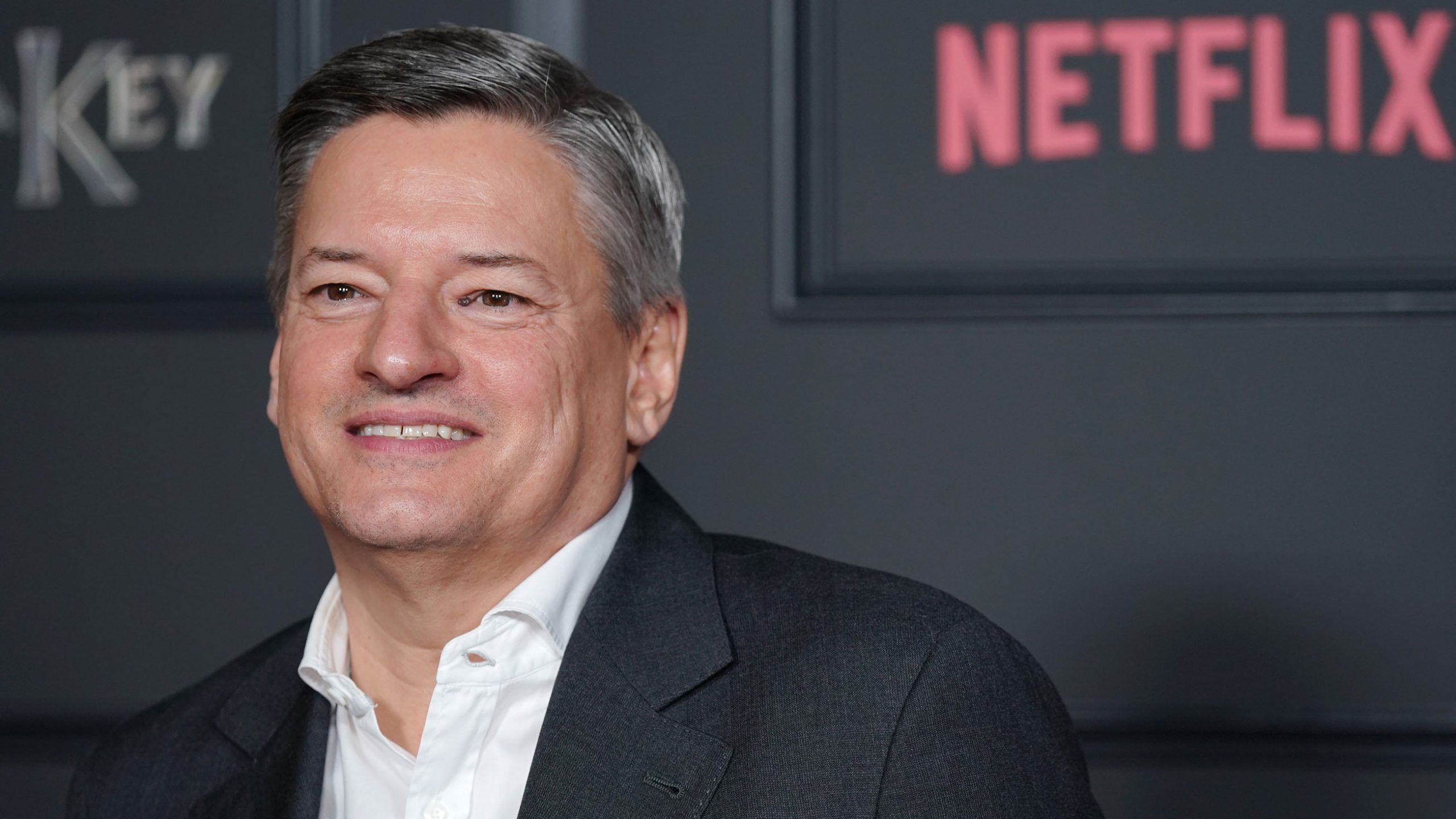
The entertainment industry is abuzz following reports that Netflix has launched an audacious $82.7 billion bid to acquire Warner Bros., a move that promises to dramatically reshape the global media landscape. This monumental proposed acquisition, however, has swiftly thrust itself into the complex interplay of corporate strategy, market consolidation, and high-stakes political influence, particularly highlighted by a recently reported private meeting between Netflix co-CEO Ted Sarandos and former President Donald Trump in November. The reported dialogue underscores the intricate, often opaque, connections between major business dealings and the corridors of power, even as federal regulators prepare for what is expected to be an intense antitrust review.
The Political Undercurrents of a Media Megadeal
The revelation of Ted Sarandos’s November meeting with Donald Trump adds an unusual and significant dimension to Netflix’s pursuit of Warner Bros. While the specifics of their conversation remain largely private, sources cited by Bloomberg and The Hollywood Reporter suggest that Sarandos sought to gauge the former president’s potential stance on such a large-scale merger. Trump reportedly advised Sarandos that Warner Bros. should ultimately be sold to the highest bidder, a comment that Sarandos apparently interpreted as a signal that the former president would not immediately obstruct the acquisition. This interaction is particularly noteworthy given Trump’s past actions and rhetoric regarding corporate mergers and media consolidation during his presidency, often expressing skepticism about large deals and the perceived power of media conglomerates.
Such informal consultations, while not uncommon in the sphere of high finance and politics, highlight the perceived importance of understanding the political climate surrounding major business transactions. In an era where antitrust enforcement has become a more prominent focus across the political spectrum, securing even tacit approval or understanding from influential political figures can be a strategic maneuver. It also raises questions about the extent to which political sentiment, even from a former officeholder, can sway the perception and ultimate fate of a deal, especially one of this magnitude that would consolidate immense cultural and economic power. The reported interaction with Trump, particularly as he remains a potent force in American politics, offers a glimpse into the multi-faceted considerations executives must navigate beyond purely financial metrics.
Warner Bros. and the Shifting Sands of Ownership
The target of this colossal bid, Warner Bros., boasts a storied history dating back to its founding in 1923, becoming a titan of Hollywood known for its iconic film studio, television production, and vast library of intellectual property. From classic films like "Casablanca" and "The Maltese Falcon" to modern blockbusters, the DC Extended Universe, the Harry Potter franchise, and the prestige television of HBO, Warner Bros. has been a cornerstone of American entertainment. However, its recent history has been characterized by a tumultuous series of corporate restructurings and ownership changes.
For decades, it was the crown jewel of Time Warner, a media conglomerate that itself was the product of various mergers. The most recent significant chapter began with AT&T’s controversial $85 billion acquisition of Time Warner in 2018, rebranding it as WarnerMedia. This deal faced intense scrutiny from the Department of Justice under the Trump administration, leading to a protracted legal battle over antitrust concerns. AT&T’s foray into media proved challenging, and just a few years later, in 2022, it spun off WarnerMedia, merging it with Discovery, Inc. to form Warner Bros. Discovery (WBD).
Under the leadership of CEO David Zaslav, WBD embarked on a strategy to integrate the disparate assets, streamline operations, and aggressively pay down debt. Zaslav had reportedly been focused on completing a planned strategic split of WBD’s movie and streaming businesses from its more traditional cable networks, aiming to unlock value and optimize each segment. According to reports, Zaslav was initially reluctant to entertain a full sale of the company and was surprised when Paramount Global, through CEO David Ellison’s connections, began exploring an acquisition earlier than anticipated. This indicates a complex internal dynamic at WBD, where leadership was pursuing a specific strategic path that now appears to be dramatically disrupted by the Netflix offer.
The Contenders: Netflix’s Ascent and Paramount’s Ambitions
Before Netflix’s formidable bid, Paramount Global was widely considered the frontrunner to acquire Warner Bros. This perception was largely fueled by the connections of Paramount CEO David Ellison, son of Oracle founder Larry Ellison, to the Trump administration. The Ellison family’s political affiliations and financial influence were seen by some as potentially paving a smoother path through regulatory hurdles, assuming a Trump presidency. Paramount, with its own rich history and content library (including Paramount Pictures, CBS, MTV, and Nickelodeon), would have created a diversified entertainment giant.
Netflix, meanwhile, represents a different kind of media empire. Starting as a DVD-by-mail service, it revolutionized entertainment with its pioneering streaming platform, fundamentally altering consumer habits and challenging traditional media models. Its early success was built on licensing vast libraries of content, but it rapidly pivoted to massive investments in original programming, becoming a global content powerhouse. However, in recent years, Netflix has faced increased competition from a proliferation of streaming services backed by legacy media companies, leading to challenges in subscriber growth and profitability.
The strategic rationale for Netflix pursuing Warner Bros. is multi-faceted. Such an acquisition would immediately grant Netflix access to one of the most extensive and valuable content libraries in the world, including beloved franchises, iconic films, and premium television series. This influx of established intellectual property could significantly bolster Netflix’s competitive position in the saturated streaming market, providing a deep well of content to attract and retain subscribers globally. It would also bring in significant production capabilities, talent relationships, and perhaps most importantly, a diverse portfolio of revenue streams beyond subscription fees, potentially including theatrical distribution or licensing. For Netflix, acquiring Warner Bros. isn’t just about content; it’s about acquiring history, infrastructure, and a significant share of the global cultural conversation.
The Regulatory Gauntlet: A Formidable Hurdle
Even with a reported $82.7 billion price tag and strategic justifications, the proposed Netflix-Warner Bros. merger faces an arduous journey through federal regulatory approval. Deals of this magnitude, particularly in an industry as consolidated and influential as media, inevitably trigger intense scrutiny from antitrust authorities, primarily the Department of Justice (DOJ) and the Federal Trade Commission (FTC).
Regulators will assess the potential impact on competition across various facets of the entertainment ecosystem. Key concerns typically include:
- Consumer Choice and Pricing: Will the merger lead to fewer streaming options, reduced content diversity, or higher subscription prices for consumers? The combination of Netflix’s subscriber base and Warner Bros.’s premium content could create an unparalleled market dominant entity.
- Content Production and Acquisition: How would the merger affect independent content creators, producers, and talent? Would Netflix, with an even larger content pipeline, become an even more dominant buyer, potentially stifling competition for creative projects?
- Advertising Markets: While Netflix has historically relied on subscriptions, its recent foray into ad-supported tiers means regulators might also examine its potential market power in digital advertising, particularly when combined with Warner Bros.’s advertising assets.
- Innovation: Antitrust authorities often consider whether a merger would stifle innovation by reducing competitive pressure or consolidating research and development efforts.
The political climate surrounding antitrust enforcement has also shifted significantly. Both Democratic and Republican lawmakers have expressed growing concerns about the power of large technology and media companies. The Biden administration, in particular, has signaled a more aggressive stance on antitrust enforcement, aiming to prevent mega-mergers that could harm competition and consumers. This environment makes any major media consolidation deal a high-profile target for thorough review, potentially leading to demands for divestitures, behavioral remedies, or even outright blocking of the acquisition. Past media mergers, such as AT&T’s acquisition of Time Warner, faced significant legal challenges and serve as a reminder of the complexities and potential roadblocks involved.
Broader Industry and Cultural Impact
Should Netflix successfully acquire Warner Bros., the reverberations would be felt throughout Hollywood and across the global entertainment industry. It would solidify Netflix’s position as an undisputed titan, potentially accelerating further consolidation among other media companies desperate to compete. Smaller studios and independent producers might find fewer outlets for their work, or face increased pressure to align with one of the dominant players. The acquisition would also have profound implications for talent, from writers and directors to actors and crew, as a combined entity would hold immense power over employment and production opportunities.
For consumers, the outcome is a mixed bag. On one hand, the prospect of an even vaster library of content, including premium HBO series, classic films, and popular franchises, all accessible on a single Netflix platform, could be appealing. It might reduce the need for multiple subscriptions and simplify content discovery. On the other hand, reduced competition could lead to less innovation, fewer truly distinct content offerings, and potentially higher prices in the long run. The cultural impact of such a concentrated content pipeline, where a single company dictates a significant portion of what the world watches, also raises questions about diversity of voice and creative independence.
In essence, Netflix’s bid for Warner Bros. is more than just a corporate transaction; it is a potential watershed moment that could redefine the future of entertainment. The intricate dance between financial ambition, strategic necessity, and political realities will ultimately determine whether this audacious vision becomes a new chapter in Hollywood history or a cautionary tale of regulatory resistance. The coming months will undoubtedly reveal the true contours of this high-stakes drama.